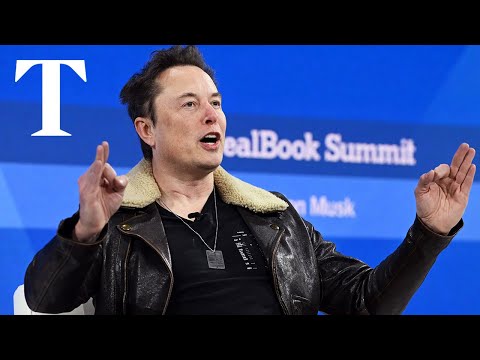
Elon Musk (X/Tesla/SpaceX ) - Brothers of Italy Party Festival (Dec 2023)
Elon Musk proposes incentives to address declining birth rates, criticizes extreme environmentalism, and advocates for a pragmatic approach to climate change. He envisions a multi-planetary future for humanity while cautioning against excessive regulation and identity politics.
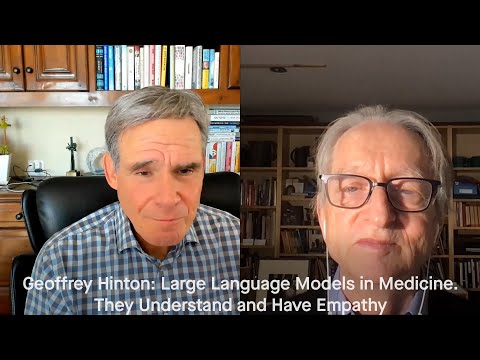
Geoffrey Hinton (University of Toronto Professor) - LLMs in Medicine. They Understand and Have Empathy (Dec 2023)
AI has the potential to revolutionize healthcare with improved diagnostics, personalized treatments, and assistance for cancer patients' relatives, but ethical considerations and safety concerns must be addressed. AI's cognitive abilities and consciousness remain subjects of debate, challenging traditional notions of human uniqueness and prompting discussions on rights and coexistence with machines.
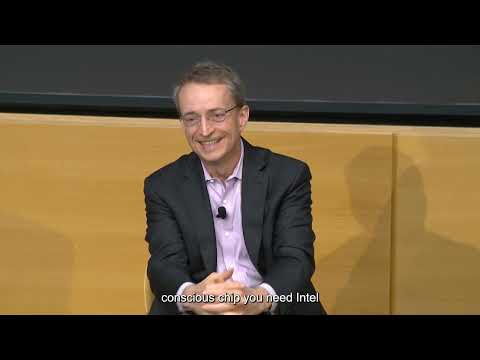
Pat Gelsinger (Intel CEO) - Intel's place in the semiconductor industry | MIT (Dec 2023)
Intel is revolutionizing Moore's Law with innovative technologies and environmental sustainability, while investing in workforce development and reshoring manufacturing to the US. Intel is committed to a balanced and resilient semiconductor supply chain spread across the world to enhance geopolitical stability and supply chain resilience.
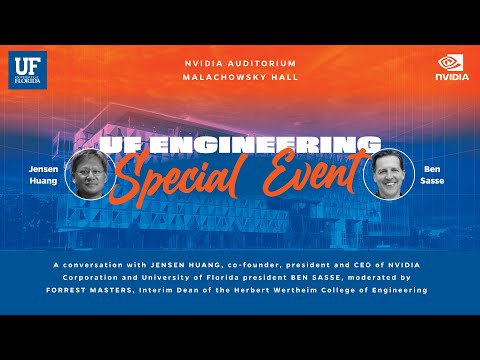
Jensen Huang (Nvidia Co-founder) - Special Event - NVIDIA Auditorium - Malachowsky Hall (Dec 2023)
Adaptability and interdisciplinary learning are key for navigating the future shaped by AI and technology, as emphasized by leaders like Jensen Huang and Ben Sasse. Balancing security and prosperity in AI involves addressing issues like industry leadership, market dynamics, and ethical considerations.

Fei-Fei Li (Stanford Professor) - The Visionary Behind ImageNet and AI's Human-Centered Future (Dec 2023)
Fei-Fei Li's journey highlights the power of perseverance, mentorship, and diversity in shaping the future of AI, from advancing computer vision technology to advocating for ethical and responsible development. Li's work emphasizes the need for a human-centered approach to AI to address its social impact and ensure its responsible development.
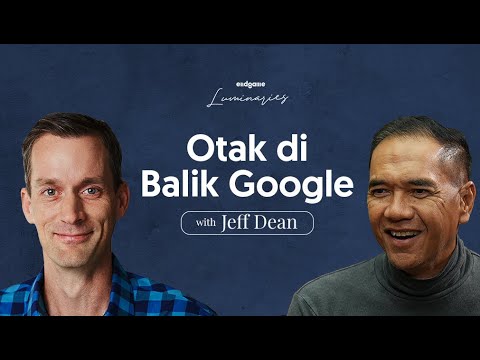
Jeff Dean (Google Senior Fellow) - A Techno-optimist Look at AI (Dec 2023)
Jeff Dean, a key figure in Google's AI advancements, revolutionized neural networks with Tensor Processing Units, and his work has broad implications for fields like education, sustainability, and healthcare. AI's rapid growth poses challenges in mitigating biases and integrating it responsibly, necessitating informed policymaking and collaboration between technologists and policymakers.
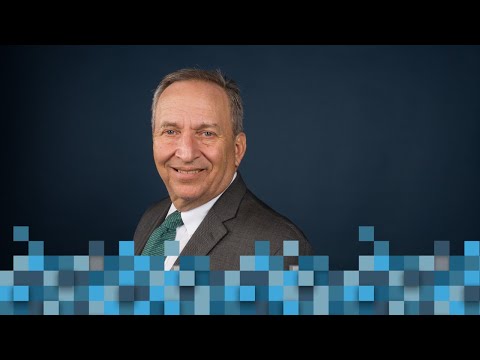
Larry Summers (USA Former Treasury Secretary) - Whats Next for the U.S. Economy? | Harvard Kennedy School (Dec 2023)
Lawrence Summers warns of a potential recession in the U.S. economy due to persistent inflation and a worsening fiscal situation, while advocating for responsible AI development and international cooperation in regulating new technologies.

Elon Musk (X/Tesla/SpaceX ) - Elon Musk and Sandy Munro discuss the Cybertruck! (Dec 2023)
Elon Musk and Sandy Munro discuss the benefits of Ethernet in cars, emphasizing its high bandwidth and weight reduction. Musk calls for leaders to have a strong understanding of the technology they lead, especially in tech-driven industries.

Morris Chang (Taiwan Semiconductor Manufacturing Company Co-founder) - On the evolution of the semiconductor industry | MIT (Nov 2023)
Taiwan Semiconductor Manufacturing Company (TSMC), founded by Dr. Morris Chang, revolutionized the semiconductor industry with its foundry business model, leading to its dominance in advanced chip production. Taiwan's success in chip manufacturing is attributed to factors like skilled workforce, government support, and a collaborative ecosystem.

Jensen Huang (Nvidia Co-founder) - Nvidia (Nov 2023)
NVIDIA's strategic decisions transformed it from a fledgling chip company to a dominant force in AI and deep learning, challenging traditional computing paradigms. Despite early skepticism and risks, NVIDIA's leadership embraced 3D graphics and AI, revolutionizing modern computer graphics and accelerating computing progress.
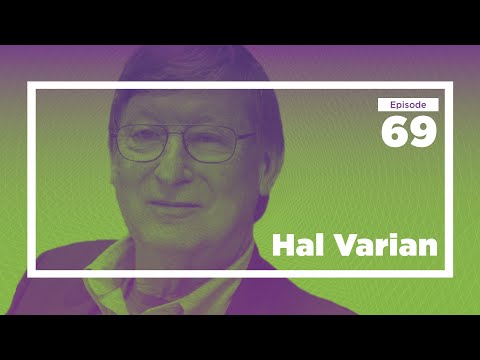
Hal Varian (Google Chief Economist) - Taking the Academic Approach to Business (Nov 2023)
Hal Varian's work spans traditional economics to digital era complexities, addressing auction models, sales economics, and consumer behavior in the context of internet governance, privacy, and technological advancements. Varian's insights map the current state and future directions of economic theory and practice.

Sam Altman (OpenAI Co-founder) - NYT Hard Fork Podcast (Nov 2023)
The public perception of AI has shifted from skepticism to serious consideration due to tangible benefits from products like ChatGPT, and gradual, iterative deployment is important for smoother integration into various sectors.
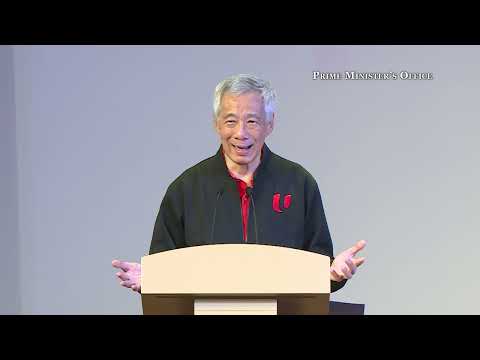
Lee Hsien Loong (Singapore Prime Minister) - NTUC National Delegates' Conference (Nov 2023)
Singapore's labor movement, closely associated with the People's Action Party (PAP) and National Trades Union Congress (NTUC), has shaped the nation's socio-economic landscape through tripartism, fostering industrial peace, collaboration, and compromise. The PAP government prioritizes economic growth and workers' well-being, aiming to create a situation where all Singaporeans can enjoy good housing, healthcare, and education.

Dharmesh Shah (HubSpot Co-founder) - The Future of Software (Nov 2023)
Dharmesh Shah revolutionized marketing with inbound techniques, championed company culture, and foresees generative AI transforming software development. Generative AI's natural language interfaces will enhance developer productivity and open software development to a broader audience.

Tim Httges (Deutsche Telekom CEO) - Interview with Norges Bank Investment Management CEO (Nov 2023)
5G, AI, and globalization drive innovation in the telecom sector, while challenges include political influences, differing global values, and the underappreciation of 5G's benefits. Deutsche Telekom's success formula involves constant transformation, connectivity focus, and leadership pursuit.
Sam Altman (OpenAI Co-founder) - Unmasking the Future of AI | Commonwealth Club of California (Nov 2023)
AI development requires a balanced approach, considering safety, ethical implications, and responsible innovation to maximize benefits and mitigate risks. Balancing short-term and long-term risks, addressing biases and discrimination, and fostering participatory development are crucial for shaping AI's future.

Ruth Porat (Alphabet CFO) - Berkeley Haas Interview (Nov 2023)
Ruth Porat's career journey exemplifies resilience, innovative thinking, and transformative leadership, offering valuable lessons for professionals in finance and technology. Ruth Porat's approach to career growth, work-life integration, technology and sustainability insights provide a blueprint for aspiring leaders to navigate their paths with confidence and adaptability.

Darren Woods (ExxonMobile CEO) - Interview with Norges Bank Investment Management CEO (Nov 2023)
Darren Woods leads ExxonMobil with resilience, innovation, and a balanced approach to the energy transition, emphasizing technological innovation and effective management of the energy transition. ExxonMobil's strategic approach to climate change involves carbon capture, hydrogen, and biofuels while acknowledging the need for a balanced approach that considers societal needs, affordability, and availability.
Emad Mostaque (Stability AI Co-founder) - Who Will Govern the Future of AGI? (Nov 2023)
Open-source technology and AI governance are reshaping the digital era, emphasizing transparency and alignment with human values. Openness and transparency in AI development are critical for safety, societal benefit, and alignment with human values.
Mustafa Suleyman (Inflection AI Co-founder) - Artificial Intelligence and the Containment Problem (Nov 2023)
AI and synthetic biology challenge traditional power dynamics and introduce risks and opportunities with implications for society and the future. AI and synthetic biology's autonomous nature and proliferation potential create unique challenges and opportunities that require a balanced approach, adaptability, and a new narrative.
Elon Musk (X/Tesla/SpaceX CEO/Co-founder) - War, AI, Aliens, Politics, Physics, Video Games, and Humanity | Lex Fridman Podcast (Nov 2023)
Elon Musk and Lex Fridman discuss the inherent warlike nature of humans, the potential for AI to shape our future, and the importance of free speech and open-sourcing AI to mitigate risks. Musk also emphasizes the need for regulatory oversight of AI development and criticizes the SEC for not pursuing hedge funds that engaged in shorting and distorting Tesla.

Brad Gerstner (Altimeter Founder) - Brad Gerstner and Elad Gil Interview (Nov 2023)
Brad Gerstner's innovative approach to venture capital combines public and venture market insights, positioning his firm Altimeter Capital as a leader in supporting technology companies' growth. In an evolving AI landscape, Gerstner emphasizes the importance of balancing hype with long-term potential and focusing on exceptional teams and ideas in early-stage investments.
Jennifer Doudna (UC Berkeley Professor) - Clare Hall King Lecture | U of Cambridge (Nov 2023)
CRISPR-Cas9, a revolutionary gene-editing technology, allows precise editing of DNA, with applications in treating genetic diseases, enhancing agricultural practices, and potentially improving human traits. CRISPR-Cas9 can be used to make targeted changes in the microbiome, potentially benefiting human health and reducing environmental impact.

Sam Altman (OpenAI Co-founder) - AI and the Future of Art (Nov 2023)
AI's influence in art challenges traditional notions of authenticity and raises ethical concerns about the non-consensual use of artists' data, leading to discussions about economically and ethically aligning AI development with artists' interests. AI's broader societal implications include its potential to address complex problems, foster creativity, and enhance human capabilities, while also raising questions about the future of work and the need for ethical and inclusive approaches to AI development.

Jennifer Doudna (UC Berkeley Professor) - Giants of Gene Therapy Podcast (Nov 2023)
Dr. Jennifer Doudna, co-inventor of CRISPR, revolutionized genetic research and opened new avenues in therapeutic applications, while advocating for diversity, ethical considerations, and responsible research practices.
Mustafa Suleyman (Inflection AI Co-founder) - Mind to Machine (Nov 2023)
Leaps by Bayer invests in teams working on breakthroughs in health and agriculture, including mental health, AI, and synthetic biology. Karlie Kloss's Code with Klossy aims to close the gender gap in tech and promote ethical AI development.

Lee Hsien Loong (Singapore Prime Minister) - Bloomberg New Economy Forum | Gala Dinner (Nov 2023)
Global challenges like the Israel-Hamas conflict and the Ukraine crisis were analyzed, emphasizing the need for diplomatic solutions and regional cooperation. Prime Minister Lee Hsien Loong highlighted the importance of ethical standards and social support in shaping Singapore's economic and social policies.

Jensen Huang (Nvidia Co-founder) - Interview with Norges Bank Investment Management CEO (Nov 2023)
Jensen Huang, CEO of NVIDIA, has revolutionized AI and computing through his contributions to GPU utilization, computer architecture, and ethical considerations of AI, while democratizing access to AI technology and addressing global challenges with AI. Huang's guidance has led NVIDIA to redefine computer architecture and democratize AI technology to prevent monopolization and mitigate risks.
Raghuram Rajan (University of Chicago Professor) - Understanding Community (Nov 2023)
Local community empowerment and global participation are vital for inclusive global dynamics, while religion and cultural identity shape community practices and identities.
Ilya Sutskever (OpenAI Co-founder) - No Priors Podcast (Nov 2023)
Deep learning has evolved rapidly from its early days to the current era dominated by powerful models like OpenAI's GPT-4, driven by factors such as increased computational resources, large-scale neural networks, and the pursuit of pro-social AI. Research into pro-social AI aims to ensure future superintelligent AIs are beneficial and friendly to humans, though the field's future trajectory remains uncertain due to potential decelerating forces like engineering complexity and finite data availability.
Nassim Nicholas Taleb (Scholar Investor) - Self-Education and Doing the Math (Nov 2023)
Lebanese history and modern thought are rich tapestries of ideas influenced by historical events, cultural dynamics, and philosophical insights. Education should balance practical skills with preserving cultural values, while learning by doing is more effective than theory-based education.

Julia Hartz (Eventbrite CEO) - Eventbrite ft. Julia Hartz - A company that took 14 years to build nearly disappeared in 14 days (Oct 2023)
Eventbrite's strategic decisions, adaptability, and customer-centric approach helped it overcome challenges like market expansion, pricing model overhaul, and the COVID-19 pandemic, emerging stronger and more resilient. Despite initial difficulties as a public company, Eventbrite's focus on virtual events and commitment to customer support helped it thrive in the face of adversity.
Satya Nadella (Microsoft CEO) - Empathy (Oct 2023)
Satya Nadella's leadership style emphasizes empathy, ethics, and innovation, drawing inspiration from his passion for cricket and personal experiences. His focus on education and responsible AI development reflects a commitment to social impact and technological progress.
Emmett Shear (Twitch Co-founder) - The Future of Trust and Evidence in the Age of AI (Oct 2023)
The evolution of evidence and trust has been shaped by historical, technological, and social factors, and artificial intelligence holds promise for enhancing truth-seeking but also raises concerns about privacy and civil liberties. The challenges of online misinformation and digital manipulation demand new models of trust and decentralized verification systems to combat the spread of false information.
Sam Altman (OpenAI Co-founder) - The Future of AI and ChatGPT | WSJ (Oct 2023)
Artificial general intelligence (AGI) has the potential to revolutionize society, but it also poses significant ethical and societal challenges, such as data usage, personalization, and safety. AGI's potential benefits include increased productivity, economic growth, and enhanced problem-solving capabilities.
Vinod Khosla (Khosla Ventures Founder) - India Philanthropy Summit (Oct 2023)
Vinod Khosla's venture philanthropy approach emphasizes risk-taking and technology-driven solutions to address global challenges with a focus on sustainability and compassion. AI's potential for personalized and scalable solutions can drive behavior change and improve healthcare outcomes, but its misuse must be mitigated.

Mark Zuckerberg (Meta Co-founder) - Meta Connect Keynote (Oct 2023)
Meta envisions a future where mixed reality, AI, and smart glasses revolutionize how we connect, learn, and experience the world. Quest 3 and Meta AI Studio exemplify this vision, bridging the gap between physical and digital realms with immersive experiences.
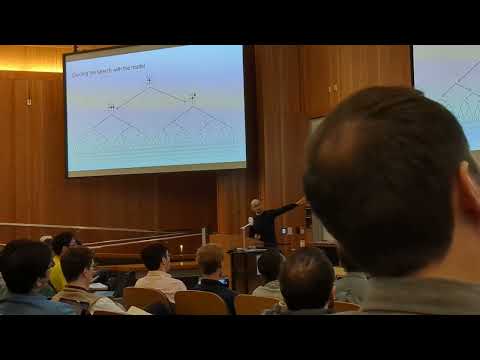
Demis Hassabis (DeepMind Co-founder) - Demis Hassabis, DeepMind CEO (UC Berkeley) (Oct 2023)
DeepMind's AlphaGo and AlphaFold projects revolutionized AI and biology by exhibiting creative strategies in games and predicting protein structures with unprecedented accuracy. These milestones exemplify AI's creative potential and transformative impact on scientific research.
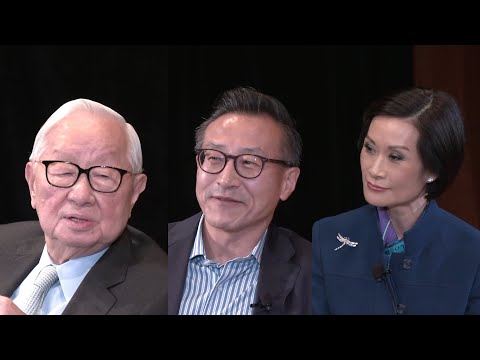
Morris Chang (Taiwan Semiconductor Manufacturing Company Co-founder) - Leadership in a Fragmenting World (Oct 2023)
Morris Chang's founding of TSMC revolutionized the semiconductor industry, and Joe Tsai's expertise helped Alibaba expand and navigate legal challenges. U.S.-China decoupling poses risks to global progress, but Asia's resilience and educational systems may help maintain dynamism and investor confidence.
Mustafa Suleyman (Inflection AI Co-founder) - A Conversation with Mustafa Suleyman (Oct 2023)
AI's rapid advancement and convergence with synthetic biology demand responsible governance to harness their benefits while mitigating risks. The containment problem in AI highlights the challenge of ensuring reliable behavior in non-deterministic systems, necessitating containment strategies to prevent proliferation.
Apoorva Mehta (Instacart Founder) - Founder Journeys (Oct 2023)
Instacart overcame initial skepticism and market challenges by building a strong team, leveraging technology, and forming strategic partnerships. Instacart's success can be attributed to its innovative problem-solving, strategic planning, and adaptability to market dynamics.
Steven Chu (Stanford Professor) - Big Ideas (Oct 2023)
Steven Chu played a crucial role in managing the BP oil spill, emphasizing scientific evidence-based decision-making, and also made significant contributions to renewable energy, electric vehicles, and climate change policy.
Jensen Huang (Nvidia Co-founder) - Acquired Podcast (Oct 2023)
NVIDIA's rise to dominance in AI and data center computing was driven by strategic leadership, innovation, and a focus on building a strong ecosystem of partners and developers. The company's success can be attributed to its ability to take calculated risks, embrace emulation, and adapt to emerging market demands.
Robert Smith (Vista Equity Partners Co-founder) - Discussion at Concordia with Dr. Henry Gates (Sep 2023)
Diversity and digital equity are crucial for economic prosperity, with diverse workforces leading to increased innovation, employee performance, and customer attraction. Overcoming systemic barriers and bridging the digital divide are essential for inclusive economic growth and empowering underserved communities.
Dharmesh Shah (HubSpot Co-founder) - INBOUND Conference (Sep 2023)
Dharmesh Shah, co-founder of HubSpot, believes generative AI's exponential impact can revolutionize industries like sales and marketing by enhancing human capabilities and offering personalized customer experiences. AI is predicted to eliminate repetitive tasks, creating opportunities for more creative endeavors and personal growth.

Sam Altman (OpenAI Co-founder) - TOKEN2049 Singapore 2023 (Sep 2023)
Whirlcoin aims to revolutionize digital currency and user verification through its innovative Orb technology. The project's global expansion, particularly in Asia, showcases its potential for widespread adoption.

Sam Altman (OpenAI Co-founder) - Italian Tech Week (Sep 2023)
AI advancements mirror exponential growth observed during Moore's Law, with multimodal features leading to smarter, more capable models, while AGI definition should focus on reliable execution of complex tasks and independent generation of scientific knowledge.
Inga Strmke (Norwegian Open AI Lab Researcher) - Interview with Norges Bank Investment Management CEO (Sep 2023)
Rapid AI advancement poses regulatory challenges, and big tech companies' self-regulation raises concerns about effectiveness and conflict of interest. AI's impact on human identity, employment, ethics, and the global AI race require international cooperation and responsible development.
Peter Norvig (Google Director of Research) - Large Language Models and the Future of Programming | Google Developer Communities North America (Sep 2023)
The evolution of programming has shifted from traditional methods to probabilistic approaches, embracing AI collaboration for faster problem-solving and improved responsiveness. AI's role extends beyond code generation to encompass all stages of software development, necessitating continuous learning, adaptation, and ethical considerations for responsible AI adoption.
Robin Hayes (JetBlue CEO) - Conversation at GW University (Sep 2023)
JetBlue Airways, led by CEO Robin Hayes, navigated challenges during the COVID-19 pandemic and proposed a merger with Spirit Airlines to strengthen its position in the low-fare segment. The airline embraces technology and AI for enhanced customer service and operational efficiency, while focusing on employee development and sustainable growth.
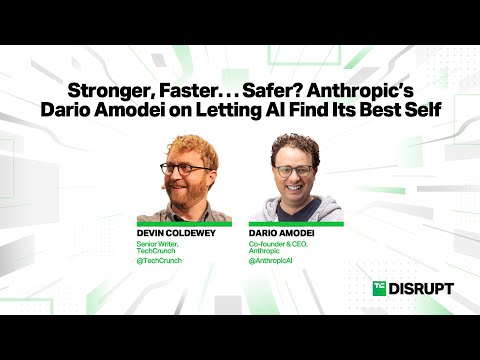
Dario Amodei (Anthropic Co-founder) - AI Finding its Best Self (Sep 2023)
Advances in AI, particularly transformer-based language models, bring promise but also raise concerns about potential risks and limitations. Safety, regulation, and openness are crucial for responsible AI development, with Anthropic leading the way in addressing these challenges.

Lukasz Kaisar (OpenAI Technical Staff) - GPT-4 and Beyond (Sep 2023)
Neural networks have undergone a transformative journey, with the Transformer model revolutionizing language processing and AI systems shifting from memorization to genuine understanding. Advancements like chain-of-thought prompting and the move beyond gradient descent suggest a future of AI with autonomous learning and reasoning capabilities.
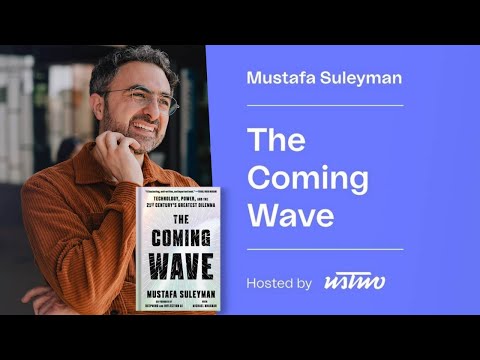
Mustafa Suleyman (Inflection AI Co-founder) - The Coming Wave | ustwo Live (Sep 2023)
Advancements in AI and synthetic biology are driving exponential change, raising significant containment and ethical challenges. Mustafa Suleyman emphasizes the need for responsible development, interdisciplinary collaboration, and a clear understanding of AI's limitations and strengths to navigate the complex landscape of these technologies.
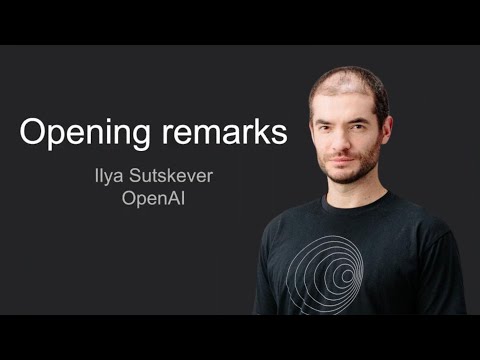
Ilya Sutskever (OpenAI Co-founder) - Confronting the Possibility of AGI | 2023 San Francisco Alignment Workshop (Sep 2023)
AI alignment aims to ensure artificial intelligence systems fulfill our intentions and avoid unintended consequences, while machine learning paradigms like supervised, unsupervised, and reinforcement learning pose distinct challenges to alignment. AGI and superintelligence bring forth complex alignment challenges due to their autonomous output generation and decision-making capabilities.

Vitalik Buterin (Ethereum Co-founder) - Where Is Web3 Heading? (Sep 2023)
Technology and community are deeply intertwined, with online spaces enabling new forms of collaboration and innovation. Vitalik Buterin and Audrey Tang emphasize the importance of plurality, inclusivity, and global collaboration in shaping the future of digital communities.
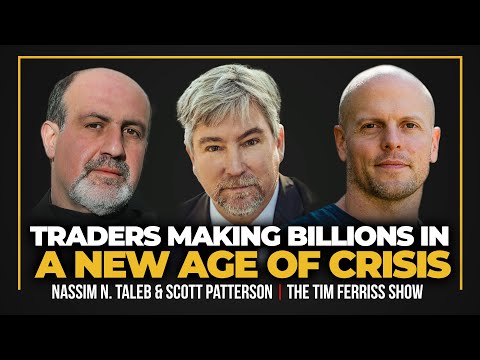
Nassim Nicholas Taleb (Scholar Investor) - How Traders Make Billions in The New Age of Crisis (Sep 2023)
In an unpredictable world, Nassim Taleb emphasizes risk management and intellectual rigor, while Scott Patterson explores the role of hedge funds in financial markets. Their insights provide guidance for navigating modern complexities and preparing for future uncertainties.

MrBeast (Youtube Content Creator) - All-In Summit (Sep 2023)
MrBeast's innovative approach to content creation, strategic brand expansion, and entrepreneurial ventures have made him a global internet icon, embodying the evolution of digital entrepreneurship in the modern age. His journey highlights the importance of creativity, adaptability, and strategic thinking in achieving success in the digital world.
Ilya Sutskever (OpenAI Co-founder) - Interview at The Open University of Israel (Sep 2023)
Neural networks and AI have revolutionized technology, with applications across sectors like education, healthcare, and more. Understanding AI's impact and potential requires a strong foundation in mathematics, statistics, and technology, coupled with adaptability and ethical considerations.
Vitalik Buterin (Ethereum Co-founder) - NTU Blockchain Workshop (Sep 2023)
Ethereum has evolved from a concept to a usable platform, addressing challenges and complexities, with a focus on resolving most issues within the next five years. Its success is attributed to various entities, including the Ethereum Foundation, core development teams, wallet companies, and enterprise blockchain system builders.

Franz von Holzhausen (Tesla Chief Designer) - Hyperion & Tesla (Sep 2023)
Franz von Holzhausen and Angelo Kafantaris shaped Tesla's iconic vehicles, while hydrogen fuel is gaining attention due to its high energy density and zero emissions. The automotive industry transitions from ICEs to EVs, embracing new designs and focusing on sustainability and efficiency.

Graham Allison (Harvard University Professor) - All-In Summit (Sep 2023)
The escalating rivalry between the United States and China, mirroring Thucydides' Trap, demands innovative strategies to avert conflict and shape a stable world order. India's emergence as a significant global player can serve as a potential counterbalance in the region, promoting liberty and innovation.

Bill Gates (Gates Foundation Co-founder) - Asia Society Seattle Launch (Sep 2023)
US-China relations are complex, marked by rivalry and potential for collaboration, while Bill Gates and others emphasize the importance of political leadership in shaping foreign relations. Technological advancements and geopolitical considerations pose significant commercial and political implications.

Vitalik Buterin (Ethereum Co-founder) - PGP* (Pretty Good Policy) for Crypto Podcast (Sep 2023)
Privacy Pools aim to balance privacy and regulatory compliance in cryptocurrency transactions, enabling users to prove their non-association with DeFi hacks while maintaining anonymity. Privacy Pools offer robustness against disagreement about associations, enhancing privacy without compromising security.
Mustafa Suleyman (Inflection AI Co-founder) - How AI Could Upend Geopolitics | Foreign Affairs (Sep 2023)
The rise of technopolar actors in the realm of artificial intelligence demands a hybrid governance model involving both state and private sector entities to navigate the challenges and harness AI's potential responsibly. Effective governance requires global collaboration, technical expertise, and a focus on balancing innovation with regulation.

Brian Chesky (Airbnb Co-founder) - Battling a Copycat and Rebuilding User Trust (Sep 2023)
Airbnb revolutionized travel by challenging traditional accommodation options and building trust through user profiles and reviews, cementing its position as a leader in the sharing economy. Despite facing competition from copycats, Airbnb successfully navigated the COVID-19 pandemic by adapting its offerings and making bold decisions, emerging stronger and more resilient.

Marc Benioff (Salesforce CEO) & Sam altman (OpenAI Co-Founder) - The Future of Trusted AI (Sep 14, 2023)
In a comprehensive dialogue between OpenAI and global stakeholders, the conversation highlights AI's evolving global footprint and its impact across various sectors, emphasizing user-driven innovation, reliability, and ethical considerations. The dialogue also delves into the role of AI in amplifying human capabilities, its integration into businesses, and the ongoing engagement with policymakers for establishing a regulatory framework.

Ilya Sutskever (OpenAI Co-founder) - An Observation on Generalization | Simons Institute (Aug 2023)
Ilya Sutskever's research focuses on understanding why unsupervised learning works, drawing parallels between compression and prediction, and employing Kolmogorov complexity as a framework for unsupervised learning. His insights open new discussions on the balance between model size and efficiency, particularly in the context of large language models like GPT-4.

Lee Hsien Loong (Singapore Prime Minister) - Singapore National Day Rally (Aug 2023)
Amidst global geopolitical tensions and economic uncertainties, Singapore adopts the Forward Singapore initiative and the Majula Package to address challenges and support its citizens. Singapore's housing landscape is evolving with the new HDB framework, aiming to provide affordable and accessible homes while catering to diverse needs.
Sam Altman (OpenAI Co-founder) - Interview at UCL (Aug 2023)
AI in education has revolutionary potential but requires balancing innovation, ethics, and global collaboration. Preparing students for a future with AI involves prioritizing adaptability, creativity, and AI fluency.
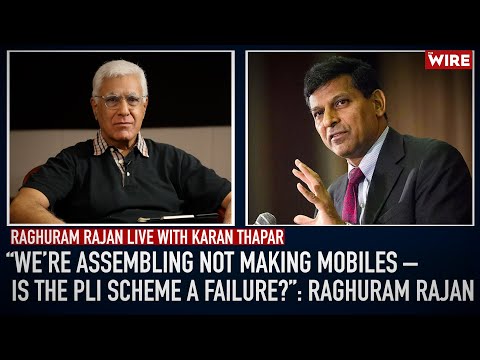
Raghuram Rajan (University of Chicago Professor) - Interview with Karan Thapar (Aug 2023)
India's mobile phone manufacturing surge is questioned due to assembly-based growth and import dependence, while Raghuram Rajan suggests focusing on services, education, and innovation for sustainable economic development.

Dario Amodei (Anthropic Co-founder) - Dwarkesh Patel Interview (Aug 2023)
AI scaling has led to significant advancements in specific domains but also raises concerns about alignment with human values, economic impact, and potential risks, including bioterrorism. Responsible AI development is crucial to balance technological progress with safety and societal well-being.
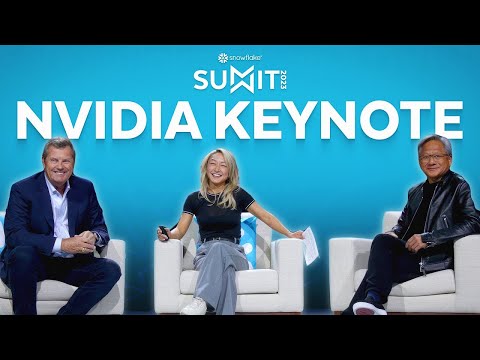
Jensen Huang (Nvidia Co-founder) - Snowflake Summit 2023 Keynote (Aug 2023)
Snowflake and NVIDIA's partnership revolutionizes AI application development by integrating Snowflake's data prowess with NVIDIA's computational capabilities, driving innovation across industries. The collaboration enables businesses to harness AI for data understanding, complex engineering problem-solving, and improved business margins.
Mustafa Suleyman (Inflection AI Co-founder) - The Coming Wave (Aug 2023)
The convergence of AI and synthetic biology will reshape global power dynamics, creating both opportunities and risks. To navigate this new era, governments must build in-house technical expertise and establish effective oversight mechanisms to ensure a balanced and equitable future.
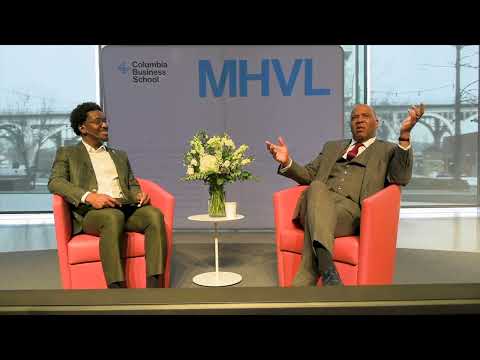
Robert Smith (Vista Equity Partners Founder) - Columbia Black Business Students Association's ELEVATE conference (Jul 2023)
Robert F. Smith emphasized the significance of youth engagement, historical awareness, and broadband access for educational empowerment, while acknowledging the challenges and opportunities in business school and advocating for systemic change through philanthropy. Smith also highlighted the importance of recognizing the historical contributions of African-Americans and using technology to bridge the digital divide, particularly in HBCUs.
Nassim Nicholas Taleb (Scholar Investor) - Stephen Wolfram visits RWRI 18 (Summer Workshop) (Jul 2023)
Language models like CHAI-3DP and ChatGPT transform technology into linguistic interfaces, but their accuracy is limited by the reliability of their training data. AI's linguistic capabilities can be enhanced by computation, enabling precise expressions and systematic idea development.
Fei-Fei Li (Stanford Professor) - AI and Human Values (Jul 2023)
Generative AI's rapid advancement raises ethical concerns about privacy, bias, and the impact on democracy, while simultaneously offering potential benefits such as enhanced education and healthcare. AI's evolution, from language models to embodied intelligence, underscores the need for responsible innovation and international collaboration to ensure its beneficial impact on society.

Ilya Sutskever (OpenAI Co-founder) - What AI is Making Possible | Khosla Ventures (Jul 2023)
Artificial General Intelligence (AGI) has the potential to revolutionize our interaction with machines, offering task-agnostic performance and integrated understanding, but its development must prioritize safety and ethical considerations. AGI's safety is paramount, requiring robust measures to contain its burgeoning power and mitigate potential risks.
Dario Amodei (Anthropic Co-founder) - Anthropic CEO testifies to Senate (Jul 2023)
AI's rapid advancement brings both benefits and risks, necessitating a regulatory framework to balance innovation with safety, security, and ethical concerns. Robust regulations, guided by expert recommendations and bipartisan consensus, are crucial for harnessing AI's potential while mitigating risks.

MrBeast (Youtube Content Creator) - MrBeast Shares His Best YouTube Advice (Jul 2023)
Creating high-quality videos, understanding the audience, and using effective editing techniques are key components for YouTube success. Prioritizing quality over quantity and constantly improving content based on feedback are essential for long-term growth on the platform.
Sam Altman (OpenAI Co-Founder) - Interview with Harlan Hamilton (July 2023)
Sam Altman, President of OpenAI, emphasized a founder-centric investment philosophy and a long-term, ethical approach to technological innovation, particularly in the realm of Artificial Intelligence. He views OpenAI as a platform to enhance human knowledge and tackle diseases, while also acknowledging its limitations and ethical challenges such as job displacement and bias.
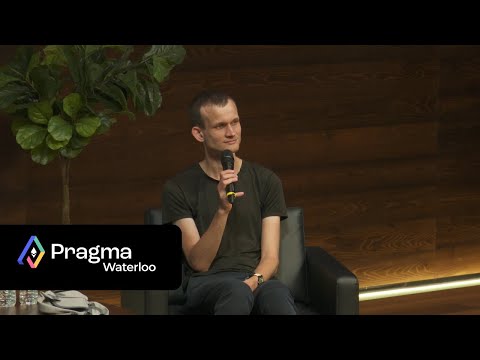
Vitalik Buterin (Ethereum Co-founder) - Fireside chat with Vitalik Buterin | Pragma Waterloo (Jul 2023)
Rollups enhance Ethereum's scalability and security, while smart contract wallets and decentralization are key to a user-friendly and censorship-resistant Web3.
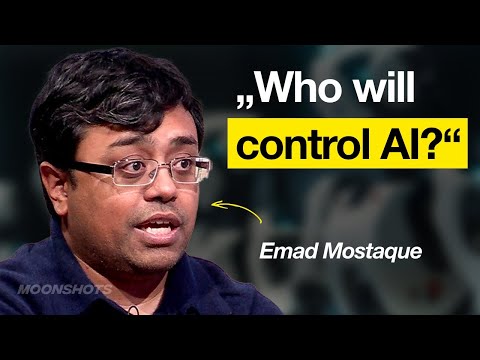
Emad Mostaque (Stability AI Co-founder) - Why AI Matters And How To Deal With The Coming Change (Jun 2023)
Advancements in generative AI, like Stable Diffusion, are reshaping industries, education, and personal growth. AI integration is accelerating, impacting software development and requiring new skills for the workforce.
Sam Altman (OpenAI Co-Founder) - Conversation with Sam Altman (June 2023)
The Corica-GDP Venture event focused on the burgeoning AI ecosystem in Indonesia and explored a range of topics from ethical concerns and ownership of AI-generated content to AI's impact on education and the future of Artificial General Intelligence (AGI). Speakers, including OpenAI CEO Sam Altman and Indonesia's Minister of Education, emphasized the need for collaborative efforts among academia, industry, and government, as well as the importance of establishing ethical and regulatory frameworks for the responsible development and deployment of AI.
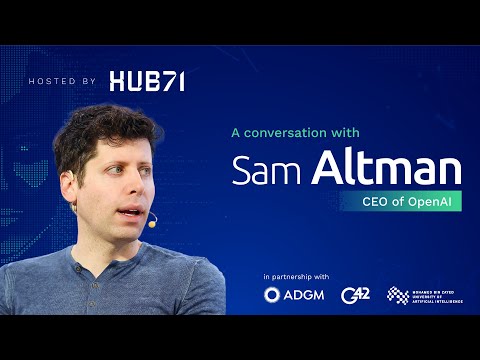
Sam Altman (OpenAI Co-founder) - Interview in Abu Dhabi (Jun 2023)
AI is poised to reshape industries, societal norms, and global regulations, demanding careful navigation, collaboration, and ethical considerations. Language models like GPT-4 can enhance productivity and enable new capabilities, but also pose challenges for small-scale researchers and universities.
Emmett Shear (Twitch Co-founder) - On the Future of AI & YC Days with Sam (Jun 2023)
Emmett Shear's journey with Twitch highlights strategic innovation, resilience, and adaptation amidst challenges. He emphasized streamer satisfaction, remote work effectiveness, and responsible AI development.
Raghuram Rajan (University of Chicago Professor) - Why democracy is the biggest advantage for India's Economy (Jun 2023)
India's economic success requires balancing infrastructure, manufacturing, services, and technology while strengthening democracy and education to address challenges like AI, inequality, and climate change. The service sector and digital infrastructure are India's strengths, while manufacturing faces hurdles, making a shift towards services crucial for sustainable growth.
Ray Dalio (Bridgewater Founder) - where countries like the UAE and KSA are in their arc cycle (June 2023)
Ray Dalio presents a multifaceted framework for assessing national success, emphasizing not just economic indicators but also education, social harmony, and international relations. He argues for a holistic, adaptable approach that incorporates character development and openness to external ideas, all set against a backdrop of cyclical governance systems and global competition.
Nassim Nicholas Taleb (Scholar Investor) - Inflation, Global Financial Markets, & Crypto | Bloomberg Invest New York 2013 (Jun 2023)
Modern finance's foundations are flawed, leading to investment strategies vulnerable to volatility and tail events, as highlighted by Taleb and the COVID-19 pandemic. Central banks' drastic interest rate adjustments are ineffective in fixing underlying economic issues and may have unintended consequences.
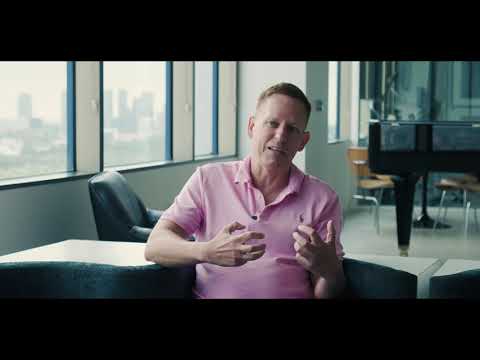
Peter Thiel (PayPal/Palantir Co-founder) - Peter Thiel challenges Alex Epstein on Fossil Future (Jun 2023)
The discussion between Alex Epstein and Peter Thiel explores the challenges and opportunities in shaping the future of energy, emphasizing the need to balance human progress with environmental responsibility and diversify energy sources. It proposes a vision for a future that harmoniously integrates human progress with environmental stewardship.

Greg Jensen (Bridgewater co-CIO) - AI, Inflation, Markets... (June 2023)
Greg Jensen's vision for future investment strategies involves a fusion of AI and human intuition, using machine learning to translate intuition into algorithms for market prediction.
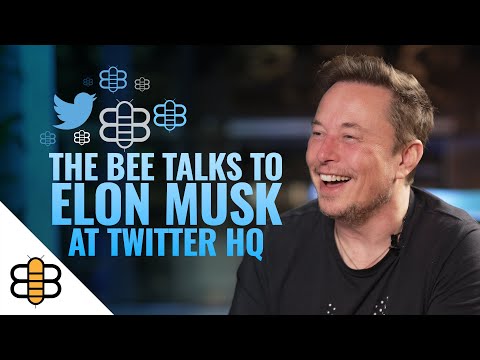
Elon Musk (Twitter) - The Babylon Bee Talks With Musk at Twitter HQ (June 2023)
Elon Musk's takeover of Twitter has been marked by transformative changes including shifts in senior management, a new focus on "unregretted user time," and a commitment to free speech, even at the cost of advertising revenue. Amid financial challenges and organizational upheaval, Musk aims to make Twitter a more financially stable and credible platform, balancing commercial interests with the ideal of creating a "marketplace of ideas."
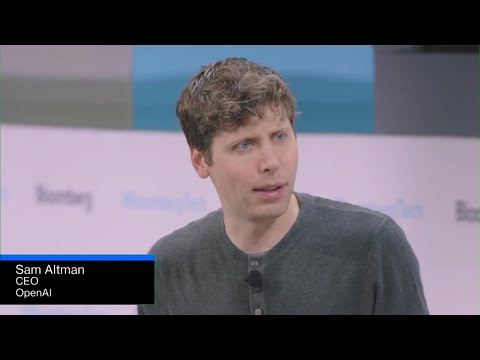
Sam Altman (OpenAI Co-Founder) - Interview With Emily chang (June 2023)
Sam Altman discusses the future of Artificial Intelligence (AI), emphasizing its transformative potential alongside inherent risks and advocating for global cooperation on ethical development and sensible regulation. He balances optimism for AI's societal benefits with caution about its challenges, and calls for ongoing dialogue among developers, policymakers, and end-users to ensure responsible development and usage.

Marc Andreessen (a16z Co-founder) & Martin Casado (a16z GP) - AI Will Save The World (June 2023)
Marc Andreessen presents an optimistic view of AI's future, emphasizing its transformative potential while acknowledging challenges like regulatory capture and geopolitical considerations. He advocates for a balanced approach, urging public and government engagement to navigate challenges and realize AI's promise of a "material utopia."
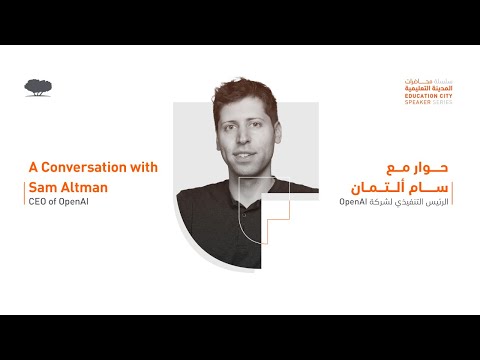
Sam Altman (OpenAI Co-founder) - Interview at Qatar Foundation (Jun 2023)
AI has the potential to revolutionize education, healthcare, and climate change, but responsible development and global collaboration are needed to address challenges and ethical concerns. AI can enhance education through personalized learning experiences and support teachers, but it also raises concerns about emotional manipulation and the need for ethical frameworks.
Carver Mead (CalTech Professor) - Gravitational Variation in the Speed of Light (Jun 2023)
Scientific evolution involves struggles to introduce innovations and the need to question established theories and methods, as seen in the history of physics and the work of Carver Mead. The journey of scientific discovery is marked by debates, paradigm shifts, and the importance of embracing change, fostering curiosity, and maintaining an open mind in the pursuit of knowledge.
Bill Gates (Gates Foundation Co-founder) - Bill Gates Meets With Innovators At Pan-African Youth Forum (Jun 2023)
Africa's youthful population holds immense potential for innovation, education, and entrepreneurship, and investing in their empowerment is key to the continent's transformation. Artificial intelligence and entrepreneurship can drive progress in sectors like healthcare, education, and agriculture, but careful navigation of challenges is essential.

Bill Gates (Gates Foundation Co-founder) - Tech Founders and Philanthropy (Jun 2023)
Philanthropy, exemplified by Bill Gates' approach, involves thoughtful resource allocation, focus on long-term impact, and collaboration, serving as a model for current and future philanthropists. Tech founders' unique perspectives and rapid wealth accumulation lead to innovative approaches to giving and a mindset open to large-scale, long-term commitments.
Vitalik Buterin (Ethereum Co-founder) - Network States (Jun 2023)
Vitalik Buterin's vision for crypto cities involves forming communities based on shared values, technological innovation, and healthy lifestyles, using blockchain technology and zero-knowledge proofs to address immigration restrictions and promote inclusivity. Network states have implications for technology, real estate, and society, offering new possibilities for community living and societal organization.

Stan Druckenmiller (Duquesne Capital Management Founder) - How AI is Dominating His Long Portfolio (Jun 2023)
The looming U.S. debt crisis poses significant long-term economic challenges due to entitlement spending and demographic shifts, while central bank policies and interest rate adjustments could lead to asset bubbles and economic instability. Global factors like AI, China's economic trajectory, and Japan's stock market performance also influence the global economic landscape.
Raghuram Rajan (University of Chicago Professor) - A System in Crisis (Jun 2023)
Economic liberalization and globalization have caused the decline of the middle class, leading to the rise of populist leaders and threats to democratic stability. The hollowing out of the middle class and the rise of populism pose significant challenges to modern democracies, threatening their stability and global stability.
Geoffrey Hinton (U of Toronto Professor) - Two Paths to Intelligence (May 2023)
Hinton predicts the imminent surpassing of human intelligence by AI systems and underscores the urgent need for robust safety measures.
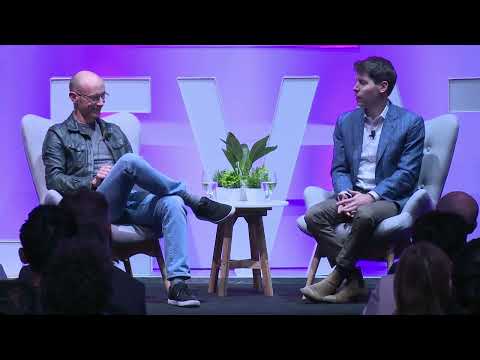
Sam Altman (OpenAI Co-Founder) - Interview with Tobias Lütke (May 2023)
In a comprehensive discussion with OpenAI CEO Sam Altman, the rapid adoption and impact of ChatGPT on society are explored, along with Altman's vision for the future of AI technologies. The conversation delves into the technology's practical utility, its integration into various sectors, and its potential to fundamentally reshape human capabilities and societal structures.

Nathan Myhrvold (Intellectual Ventures Co-founder) - The Aarthi and Sriram Show (May 2023)
Nathan Myhrvold's diverse career and interests, from physics and technology to cooking and paleontology, exemplify the modern Renaissance man, while his emphasis on applying scientific methods to culinary arts revolutionized cooking.
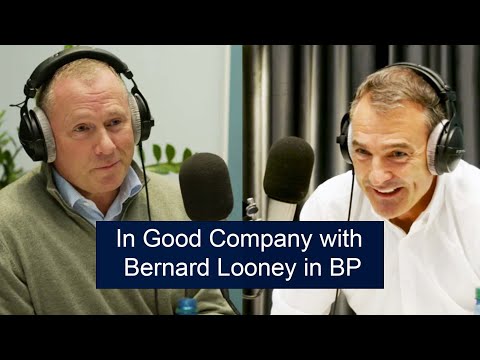
Bernard Looney (BP CEO) - Interview with Norges Bank Investment Management CEO (May 2023)
Bernard Looney's leadership at BP involves a strategic shift towards becoming an integrated energy company, embracing cleaner energy, and transforming corporate culture. Looney emphasizes balancing stakeholder needs, promoting meritocracy, and fostering inclusivity, while acknowledging the importance of addressing mental health challenges in the workplace.

Elon Musk (X/Tesla/SpaceX ) - Elon Musk Full CNBC Interview (May 2023)
Elon Musk is focused on transforming industries through innovative strategies, autonomous vehicles, and AI development, while navigating economic challenges and geopolitical tensions. Tesla's pursuit of autonomous vehicles aims to revolutionize transportation, creating a network of self-driving robo-taxis that could potentially generate substantial revenue and profits.

Geoffrey Hinton (University of Toronto Professor) - The Godfather of A.I. Has Some Regrets (May 2023)
Geoffrey Hinton, a pioneer in the field of AI, highlights the transformative impact of AI but cautions against unchecked progression, urging for responsible development considering ethical dilemmas and potential risks. Hinton's work on neural networks revolutionized AI, leading to broad applications, yet he emphasizes the need for ethical considerations and balanced advancement to mitigate potential negative consequences.
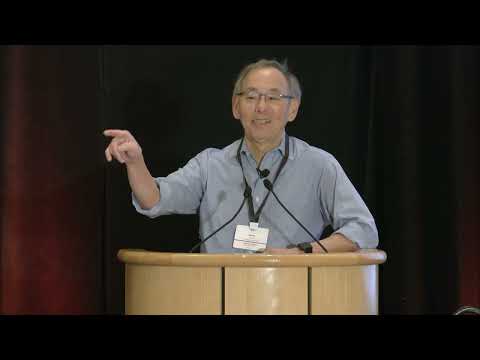
Steven Chu (Stanford Professor) - Keynote (May 2023)
Long-duration energy storage (LDES) is vital for balancing intermittent renewable energy sources and maintaining grid stability, but current technologies face scalability, efficiency, and cost challenges. Innovations in flow batteries, thermal storage, hydrogen, and utility-scale batteries offer promise, but technical, economic, transmission, and environmental issues must be addressed for widespread adoption.
Geoffrey Hinton (University of Toronto Professor) - S3 E9 Geoff Hinton, the "Godfather of AI", quits Google to warn of AI risks (Host (May 2023)
Digital intelligence could surpass biological intelligence in the next stage of evolution, but it poses risks that require careful consideration and management. AI's potential benefits are immense, but its alignment with human values and safety remains a critical challenge.
Steven Chu (Stanford Professor) - The path to a sustainable world | The Royal Society (May 2023)
Climate change demands international collaboration among scientists, economists, and social scientists to develop technology roadmaps for net-zero emissions and sustainable practices in sectors like energy, agriculture, and industry. A shift towards renewable energy, energy storage solutions, and advanced agricultural practices is crucial for a sustainable future.
Geoffrey Hinton (University of Toronto Professor) - King's College, Cambridge - Entreprenuership Lab (May 2023)
Geoffrey Hinton's talk at King's College covered his academic journey, neural networks, AI's understanding and intelligence, and the path to artificial general intelligence. He emphasized the importance of desire and drive for success, cautioned against pursuing applied research solely for funding, and discussed the ethical considerations surrounding AI development.

Elon Musk (X/Tesla/SpaceX ) - Interview with James Clayton (Apr 2023)
Elon Musk's leadership at Twitter has involved bold decisions, financial challenges, and a commitment to enhancing user experience and free speech. Despite controversies, Musk has endeavored to improve Twitter's financial health, operational efficiency, and efforts to combat misinformation.
Demis Hassabis (DeepMind Co-founder) - Using AI to Accelerate Scientific Discovery (Apr 2023)
DeepMind, co-founded by Demis Hassabis, has achieved AI breakthroughs in games, protein folding, and more, while emphasizing ethical considerations and responsible AI development. DeepMind's journey showcases AI's potential for scientific discovery and societal impact.
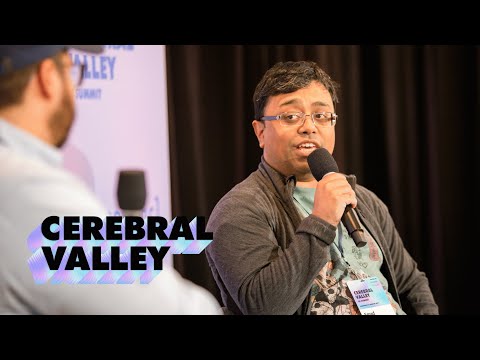
Emad Mostaque (Stability AI Co-founder) - Cerebral Valley (Apr 2023)
Ahmad Massak emphasizes the need for transparency, governance, and public discussion in AI development, while also recognizing the importance of continued research and innovation. He envisions a future where AI is used for social good, but also acknowledges the potential risks and challenges that need to be addressed.
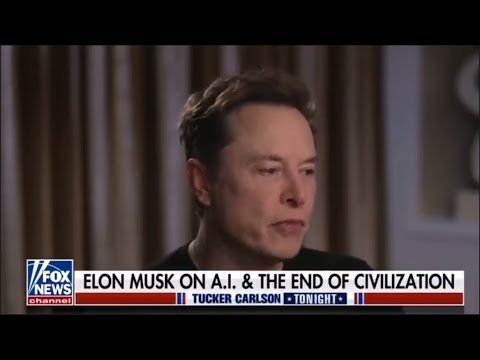
Elon Musk (X/Tesla/SpaceX ) - Interview with Tucker Carlson (Apr 2023)
Elon Musk emphasizes the need for AI regulation, transparent social media, and responsible economic policies to address global challenges and societal sustainability. He expresses concern about AI's potential risks and advocates for ethical considerations in AI development and the preservation of free speech on social media platforms.
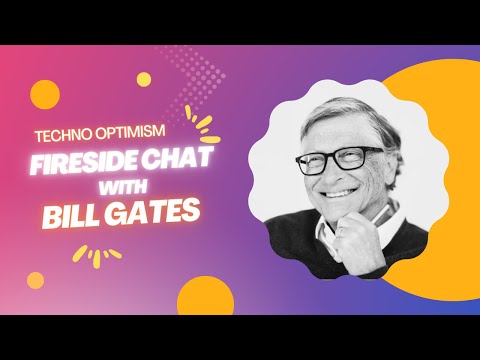
Bill Gates (Gates Foundation Co-founder) - Fireside Chat with Bill Gates on The Future (Apr 2023)
Rapid technological advancements, particularly in AI and renewable energy, present transformative potential but also necessitate effective regulation and global cooperation for a sustainable future. Bill Gates emphasizes the need for continuous learning, financial prudence, and strong relationships for personal and professional fulfillment.
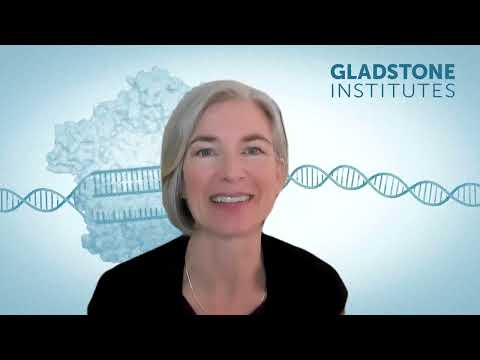
Jennifer Doudna (UC Berkeley Professor) - The Convergence of CRISPR and Human Stem Cells (Apr 2023)
The combination of iPS cells and CRISPR technology revolutionizes medicine, offering potential cures for genetic disorders, neurodegenerative diseases, and cancers. Ethical considerations and the need for interdisciplinary collaboration are critical in ensuring responsible use and addressing challenges like off-target effects.
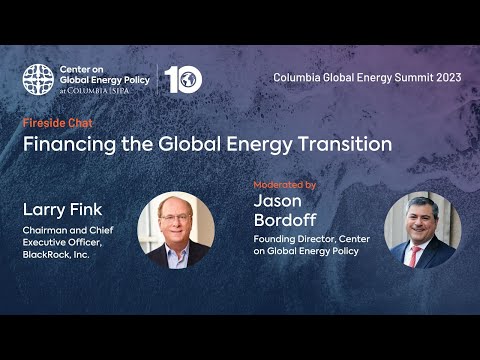
Larry Fink (BlackRock Co-founder) - Financing the Global Energy Transition (Apr 2023)
Global transitions in economics, environment, and governance bring complex challenges, requiring leadership, cooperation, and long-term planning to navigate uncertainty and address issues like inflation, declining birth rates, and the energy transition. Effective leadership, technological advancements, and collaborative efforts are crucial in shaping a sustainable and equitable future.
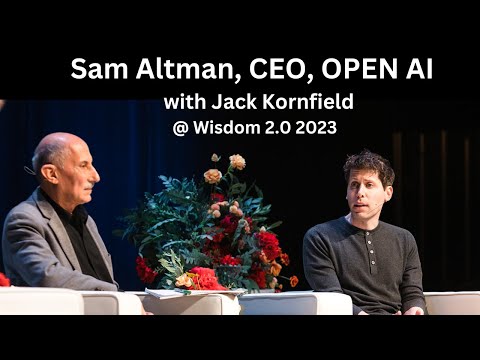
Sam Altman (Open AI Co-Founder) - on Mindfulness, AI and the Future of Life (April 2023)
In a detailed conversation, Sam Altman and an interviewer discuss the intricate relationships between AI, ethics, and society, advocating for a collectively overseen, democratic approach to AI that also addresses ethical and well-being concerns. Altman emphasizes the need for transparent global governance, the sharing of AI's economic benefits, and the importance of aligning AI development with human values and ethical frameworks.
Sam Altman (OpenAI Co-Founder) - The Breakthrough Potential Of AI (April 2023)
Sam Altman discusses the evolving landscape of AI and GPT-4, emphasizing that core business principles remain crucial for success even as technology advances. He also underscores the significance of user-centric strategies, ethical considerations, and long-term investment while cautioning that AI development is an ongoing journey with both potential and pitfalls.

Elon Musk (X/Tesla/SpaceX ) - Discussing first Starship integrated test flight and path forward (Apr 2023)
SpaceX's Starship program aims to revolutionize space travel with its autogenous pressurization system, supersonic flight capabilities, and structural resilience, while addressing engine challenges and environmental concerns. Despite facing engine-related issues and loss of control during its recent test flight, the program remains committed to pushing the boundaries of space exploration and achieving a fully reusable space vehicle.
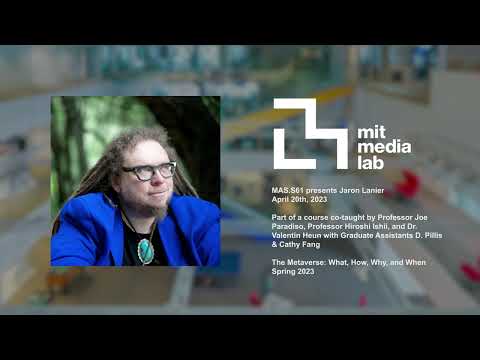
Jaron Lanier (Microsoft Researcher) - MIT Media Lab Lecture (Apr 20, 2023)
Jaron Lanier discusses the convergence of AI and VR technologies, emphasizing the potential for "post-symbolic communication" in augmented human interaction and outlining the challenges such as the lack of persistence in VR development and ethical concerns. He also delves into the importance of user experience and inclusivity in virtual worlds, critiques the limitations of open-source governance in AI, and calls for a balanced approach to harness the double-edged sword of technological advancement.
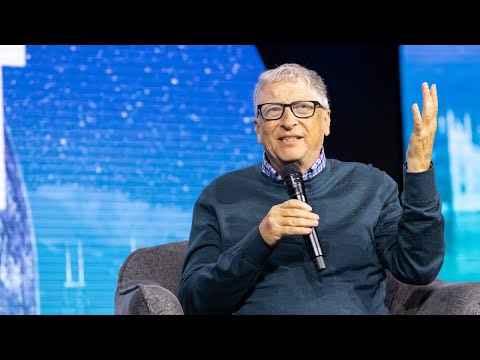
Bill Gates (Gates Foundation) - Conversation with Jessie Woolley-Wilson on Education (Apr 19, 2023)
In a conversation with Jesse Woolley-Wilson, CEO of DreamBox Learning, Bill Gates emphasized the importance of early exposure to math, effective teaching methods, and equal educational opportunities, all while highlighting the role technology and AI can play in future learning environments. Gates also discussed the challenges in scaling educational initiatives and expressed optimism that human ingenuity, backed by effective education, can tackle global challenges.
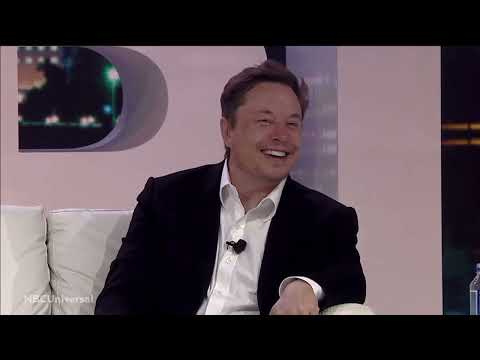
Elon Musk (Twitter) - Linda Yaccarino interviews Elon Musk (April 18, 2023)
Elon Musk's vision for Twitter emphasizes a balanced approach that prioritizes "unregretted user time," free speech with limitations on artificial reach, and increased transparency through open-sourcing algorithms. He also introduces features for advertiser control and community-driven self-regulation, aiming for Twitter to be a commercially viable, trusted, and democratically open platform.

Ray Dalio (Bridgewater Founder) - Where We Are In The Changing World Order (Apr 11, 2023)
Ray Dalio, founder of Bridgewater Associates, presents a framework for understanding global events based on historical cycles and five key forces: debt and money, internal and external conflict, acts of nature, and human innovation. Dalio discusses current issues like U.S.-China tensions, rising debt, and social divisions in the U.S., while advocating for a balanced investment portfolio and expressing skepticism about the long-term value of bonds and Bitcoin.
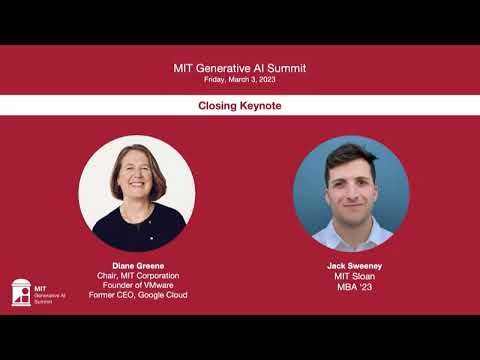
Diane Greene (VMWare Co-Founder) MIT GenAI Summit Interview (Mar 2023)
Greene compares AI's rapid advancement to previous technological shifts, noting the immediate understanding and implementation of AI, unlike the initial skepticism faced by technologies like VMware.

Kenneth Chenault (General Catalyst Chairman) - A Leaders Reputation Is Made During a Crisis. Are You Ready? (Mar 2023)
Ken Chenault's leadership philosophy emphasizes transparency, empathy, and social responsibility, while his crisis management style involves prioritizing core values, constant communication, and seizing opportunities for business growth. Chenault's leadership highlights the significance of calmness, accurate information, open communication, and decisive action, especially in times of crisis.
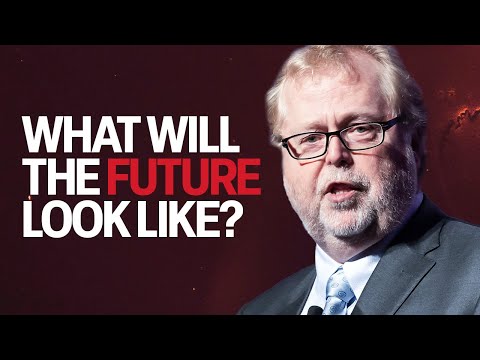
Nathan Myhrvold (Intellectual Ventures Co-founder) - A Technologist's Guide to the Future (Mar 2023)
Nathan Myhrvold's journey highlights the impact of technology on society, from autonomous vehicles to space exploration, and emphasizes the need for innovation to address global challenges like climate change and pandemics. Climate change requires long-term planning and collaboration among nations, while personal growth and continual learning are essential for navigating a rapidly changing world.
Eric Schmidt (Alphabet Former CEO) - A Vision for AI+Science (March 2023)
Eric Schmidt, former CEO of Google, discusses the transformative potential of Artificial Intelligence (AI) in various sectors like education and healthcare, while also cautioning against ethical and societal risks such as the "alignment problem" and erosion of truth in public discourse. He advocates for interdisciplinary collective action to address these challenges, and highlights the importance of government understanding, the role of AI in scientific discovery, and the tension between open-source and proprietary systems.
Elon Musk (X/Tesla/SpaceX ) - Elon Musk (Mar 2023)
Twitter 2.0, led by Elon Musk, aims to be a truthful platform for democratic discourse and challenges traditional media with its real-time nature and emphasis on accuracy. Musk envisions Twitter as a hub of human attention with untapped monetization potential and broader ambitions in finance, sustainable energy, and space exploration.
Peter Thiel (PayPal/Palantir Co-founder) - The Most Doomed Cities & Why Tech Progress Has Stalled (Mar 2023)
Peter Thiel criticizes modern society for declining institutions, focusing on consumer tech over transformative innovation, and globalization's complexities. He also emphasizes the need for reassessing governance and values to address underlying societal issues.
Vinod Khosla (Khosla Ventures Founder) - Perspective on Generative AI | MIT AI ML Club (Mar 2023)
AI is at an inflection point, promising exponential growth and transformative applications, but it also poses challenges and ethical considerations that require cautious progression and dynamic regulation. AI's impact will be profound, affecting jobs, industries, and society, necessitating social policies and education reforms to address economic disruptions and income disparities.
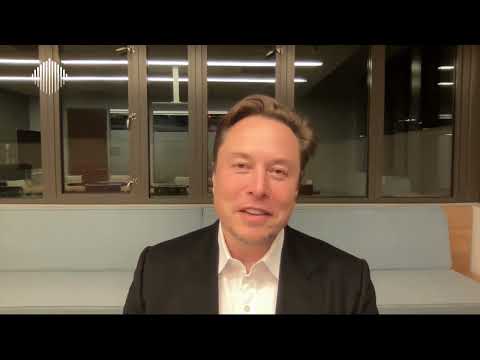
Elon Musk (X/Tesla/SpaceX ) - Interview at World Governments Summit (Mar 2023)
Elon Musk's vision includes transforming Twitter into a "trusted digital public square" and developing X.com, an "everything app," while also advocating for AI regulation, educational reform, and a balance between global cooperation and civilizational diversity.

John Hennessy (Alphabet Chairman) - Atomic Layer Deposition for Astronomical Imaging (Mar 2023)
Advancements in atomic layer deposition (ALD) and ultraviolet (UV) coating technology are revolutionizing space exploration by enhancing the performance and durability of space equipment. ALD's ability to achieve uniform and conformal depositions makes it ideal for developing UV coatings that can withstand harsh space environments and enable the study of celestial objects emitting ultraviolet radiation.

Geoffrey Hinton (University of Toronto Professor) - Andrew Ng Geoffrey Hinton Interview (Mar 2023)
Geoffrey Hinton's research into neural networks, backpropagation, and deep belief nets has significantly shaped the field of AI, and his insights on unsupervised learning and capsule networks offer guidance for future AI professionals. Hinton's work bridged the gap between psychological and AI views on knowledge representation and demonstrated the potential of neural networks for natural language processing and efficient inference.

George Soros (Soros Fund Management Founder) - On Modi, Adani issue, climate change, and rising authoritarianism (Feb 2023)
Global challenges like climate change, geopolitical shifts, and the struggle between open and closed societies are interconnected and require collective foresight and cooperation to address. The future of global governance and civilizations depends on navigating these complexities with sustainable and inclusive solutions.
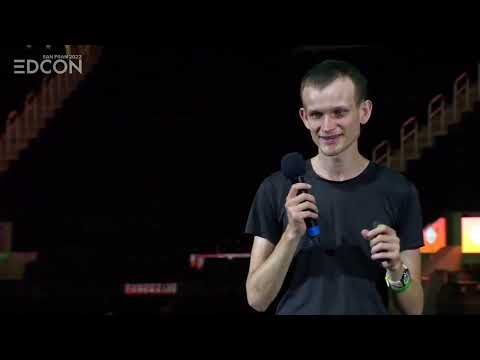
Vitalik Buterin (Ethereum Co-founder) - Scaling after The Merge (Feb 2023)
Ethereum aims to enhance blockchain scalability to accommodate a wider range of applications through rollups, proto-dank sharding, and compression techniques, while addressing challenges related to data availability, network congestion, and EVM compatibility. The quest for scalability is crucial in determining Ethereum's role and relevance in the expanding world of blockchain technology.
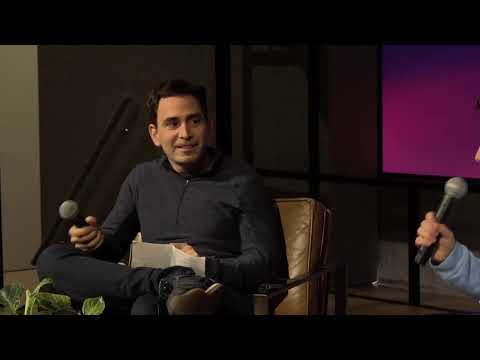
Dylan Field (Figma Co-founder) - Fireside w/ Dylan Field || Design, AI, School & Careers (Feb 2023)
Tamara Winter's Stripe Press publishing venture and Dylan Field's entrepreneurial journey with Figma exemplify the importance of bold experimentation, innovative entrepreneurship, and managing a scaling company. Balancing passion, product-market fit, and team dynamics are key factors in the success of these ventures.
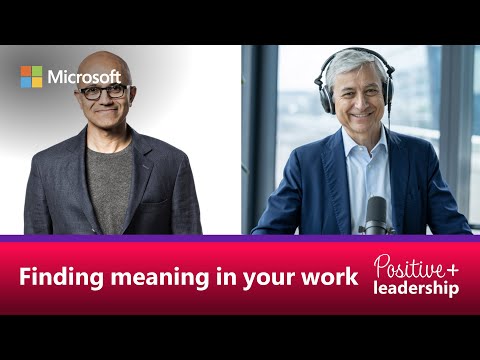
Satya Nadella (Microsoft CEO) - Microsoft's The Positive Leadership Podcast (Feb 2023)
Satya Nadella's leadership emphasizes purpose beyond profit, empathy, continuous learning, and positive energy, transforming Microsoft and providing valuable lessons for leaders. Nadella's purpose-driven approach empowers employees, fosters innovation, and drives success in a rapidly changing world.
Vitalik Buterin (Ethereum Co-founder) - On Starting New Countries and Improving Yourself | The Network State Podcast with Balaji #1 (Feb 2023)
Ethereum's evolution has seen the platform transition from proof-of-work to proof-of-stake, introducing efficiency improvements and challenges related to privacy and censorship resistance. The concept of creating a new country or city based on blockchain principles explores the broader implications and ambitions of this technology.

Bill Gates (Gates Foundation) - President's Emergency Plan For AIDS Relief (Feb 24, 2023)
Bill Gates advocates for the continued support and reauthorization of the President's Emergency Plan For AIDS Relief (PEPFAR), crediting it with significant reductions in HIV/AIDS mortality and emphasizing its adaptability, risk management, and broader impact on global health. He stresses the high stakes of reducing support, explores technological advancements in treatment, and calls for sustained global collaboration to address current and future health challenges.
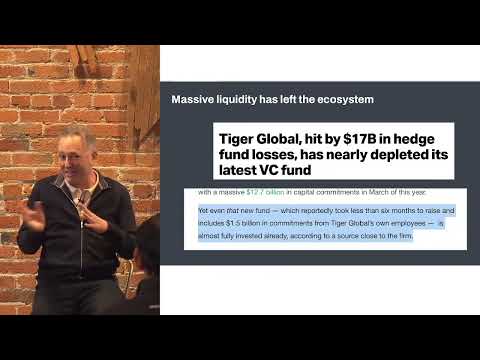
David Sacks (Craft Ventures Co-founder) - Operating in a Changing Startup Environment (Jan 2023)
Startups face challenges due to rising interest rates, inflation, and stock market correction; they must adapt to tougher conditions, embrace change, and avoid mistakes to survive. The current economic downturn presents both challenges and opportunities for startups, requiring strategic considerations in valuation, investment, hiring, and growth.
Emad Mostaque (Stability AI Co-founder) - Interview with Elad Gil (Jan 2023)
Stability AI advocates for open-source AI, collaboration among diverse developers, and responsible AI development to ensure ethical and safe use of generative AI technology. Open-source AI faces challenges in regulation and safety, requiring careful consideration of geopolitical implications, alignment, and infrastructure to combat misuse.
MrBeast (Youtube Content Creator) - Future of YouTube, Twitter, TikTok, and Instagram | Lex Fridman Podcast (Jan 2023)
MrBeast analyzes data to optimize his videos, engages in learning activities to maximize relationship retention, and emphasizes the importance of recharging to maintain productivity and creativity. MrBeast prioritizes unique and innovative content creation, collaboration with other creators, and adapting to different platforms to achieve success.
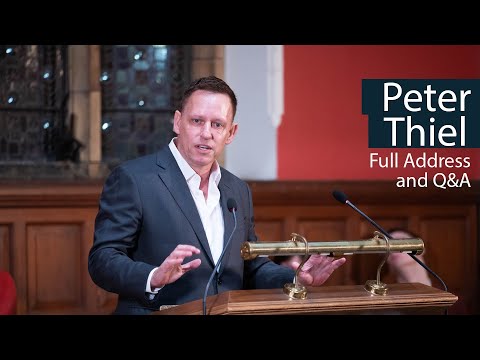
Peter Thiel (PayPal/Palantir Co-founder) - Anti-Anti-Anti-Anti Classical Liberalism (Jan 2023)
Peter Thiel critiques the stagnation of technological progress, universities, and Western institutions, advocating for a return to classical values and questioning taboo topics in research. Thiel believes societal stagnation is a pressing concern and advocates for addressing its underlying cultural causes rather than relying solely on political donations.
Emad Mostaque (Stability AI Co-founder) - The Future of Generative AI, Real-Time Movies, Societal Impact (Jan 2023)
Generative AI can create new text, images, or music from unstructured data, and Stable Diffusion, an open-source project, enables real-time high-quality content creation, transforming industries and challenging traditional notions of creativity.
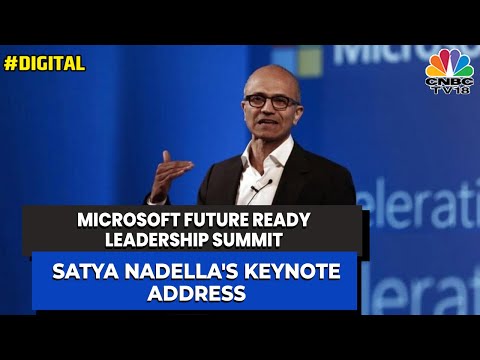
Satya Nadella (Microsoft CEO) - Future Ready Leadership Summit Keynote (Jan 2023)
Microsoft CEO Satya Nadella emphasizes the transformative role of AI in creativity and productivity, while also addressing the need for ethical AI development and the democratization of AI. Leading Indian conglomerates and startups are driving cloud adoption and scaling infrastructure, showcasing India's significant role in the global technology landscape.

Fei-Fei Li (Stanford Professor) - Signal360 Archives (Jan 2023)
Fei-Fei Li advocates for a human-centered approach to AI development, ensuring AI systems are designed with human values and needs at the forefront and mitigate potential risks and biases. Ethical considerations, multidisciplinary collaboration, and responsible AI policies are crucial for the ethical and beneficial development of AI for society.
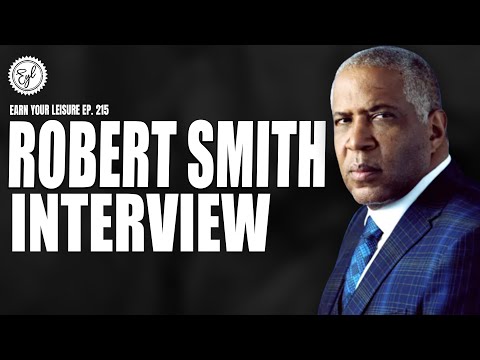
Robert Smith (Vista Equity Partners Founder) - On Being The Richest Black American, Wealth, HBCUs, & Private Equity (Dec 2022)
Robert Smith's journey from engineer to Wall Street executive exemplifies leveraging capital and expertise for business growth and community development. His approach to private equity, focus on educational equity, and philanthropic endeavors highlight the interconnectedness of individual success and societal progress.

Emad Mostaque (Stability AI Co-founder) - AI is Creating Massive Entrepreneurial Opportunity (Dec 2022)
Key developments in AI include attention mechanisms, latent spaces, personalized data sets, and Stable Diffusion. AI has the potential to revolutionize industries, advance personalized medicine, and improve education and healthcare systems.

Andy Bechtolsheim (Arista Co-Founder) - Moore's Law (Dec 2022)
Semiconductors are crucial for technological advancements, driving economic growth and shaping the future, with the industry expected to surpass $1 trillion by 2030. The ongoing transformation of the automotive sector highlights the convergence of software and hardware, presenting challenges and opportunities for chip manufacturers.
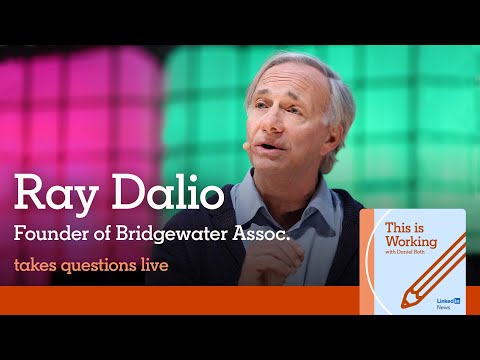
Ray Dalio (Bridgewater Founder) - LinkedIn: This is Working (Dec 2022)
Ray Dalio, founder of Bridgewater Associates, discusses the expansive influence of his book "Principles," emphasizing its role in principled decision-making across various fields and life scenarios. Dalio advocates for meditation, the use of algorithms in decision-making, and emphasizes the importance of shared principles in personal and organizational settings, while also noting the role of historical context in managing uncertainty.

Raghuram Rajan (University of Chicago Professor) - Interview with Rahul Gandhi on Next-Gen Revolutions and India's Economy (Dec 2022)
India faces economic and educational challenges such as slow growth, inequality, and limited access to finance for small businesses, exacerbated by the COVID-19 pandemic and the need for reforms to promote growth, job creation, and educational improvement.
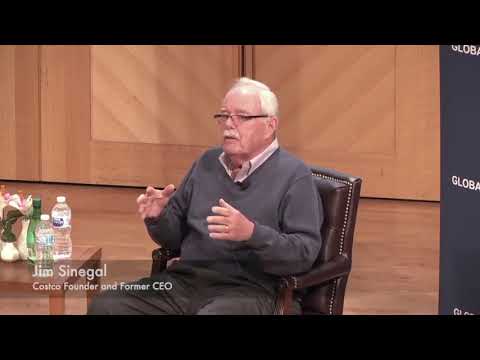
Jim Sinegal (Costco Co-founder) - Costco Wholesale Corporation Co Founder and Former CEO Jim Sinegal (Dec 2022)
Costco's focus on quality, customer satisfaction, and adaptability, exemplified by its Kirkland Signature brand, sustainability efforts, and innovative practices, has led to its success as a retail leader. Costco's customer-centric approach and commitment to quality have solidified its position as a model of retail success.
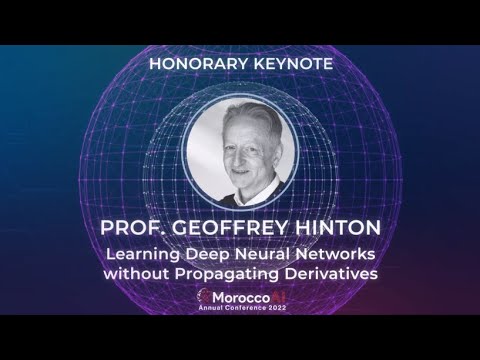
Geoffrey Hinton (University of Toronto Professor) - MoroccoAI Conference 2022 Honorary Keynote Prof. Geoffrey Hinton - The Forward-Forward Algorithm (Dec 2022)
The Forward-Forward Algorithm offers an alternative to backpropagation in neural network training, particularly beneficial for analog or noisy hardware and provides insights into brain function. It also challenges the distinction between software and hardware, presenting a new hardware paradigm inspired by the brain's adaptability and continuous learning capabilities.

Vinod Khosla (Khosla Ventures Founder) - Building Through Cycles of Uncertainty (Dec 2022)
Vinod Khosla predicts a transformative FinTech revolution akin to the internet's impact on media and commerce, driven by the convergence of AI, blockchain, and crypto, but acknowledges significant barriers to progress. Despite challenges, Khosla emphasizes the potential for blockchain and digital innovation to revolutionize the financial industry, bridging traditional and digital finance, and promoting global innovation through a US-China techno-economic race.

Elon Musk (Tesla CEO) - Business 20 Meet In Bali, Indonesia Ahead Of G20 Summit (Nov 2022)
In a wide-ranging discussion, Elon Musk explored Twitter's evolving role in media, Indonesia's potential as an emerging "electrostate," and the challenges Tesla faces amid geopolitical conflicts. He also touched on various ventures, including SpaceX's ambitious plans and the Boring Company's solution to global traffic, underscoring that technological advancements aim to address immediate issues while inspiring future generations.

Elon Musk (Twitter etc CEO) - Interview with Robin Wheeler re (Nov 2022)
Elon Musk aims to transform Twitter into a more inclusive and authentic platform by enhancing verification processes, tackling fake accounts, and ensuring content safety for advertisers. He envisions Twitter as a diverse town square that promotes citizen journalism and elevates diverse voices while addressing hate speech and misinformation.
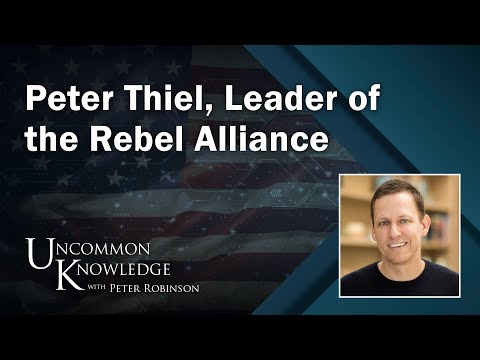
Peter Thiel (PayPal/Palantir Co-founder) - Peter Thiel, Leader of the Rebel Alliance | Hoover Institute (Nov 2022)
Economic growth and technological advancements have slowed down in recent decades, leading to a sense of societal stagnation. Peter Thiel advocates for embracing growth and innovation to avoid the risks of prolonged stagnation and potential totalitarian outcomes.
Kenneth Chenault (General Catalyst Chairman) - The Bowdoin Prize (Nov 2022)
Ken Chenault's journey from Bowdoin College to American Express CEO was marked by exceptional leadership, societal impact, and corporate responsibility. He championed corporate social responsibility and advocated for voting rights, job opportunities, and diversity in the workplace.
Alexandr Wang (Scale AI Co-founder) - State of AI, startup building, AI in defense + ethics and learning to think (Nov 2022)
MIT's culture of innovation and experimentation nurtures entrepreneurs like Alex Wang, founder of Scale AI, who leverages AI and ML to transform industries and address global challenges. The ethical development and application of AI demand a balance between innovation, regulation, and strategic foresight in the face of evolving geopolitical landscapes and technological rivalries.
Carver Mead (CalTech Professor) - The Future of Science & Technology in America (Nov 2022)
Carver Mead's research on electron tunneling and collaboration with Gordon Moore underpinned the miniaturization of transistors, a cornerstone of modern electronics. Mead's work also emphasized the importance of bridging theoretical knowledge with real-world applications to drive technological advancement.
Peter Thiel (PayPal/Palantir Co-founder) - The End of the Future | Stanford Academic Freedom Conference (Nov 2022)
Peter Thiel criticizes the stagnation of technological progress outside of information technology and advocates for the value of humanities, while addressing concerns about the dystopian turn of science and technology and existential risks posed by AGI misalignment.
Peter Thiel (PayPal/Palantir Co-founder) - Peter Thiel (Nov 2022)
Peter Thiel criticizes the stagnation of technological progress, the erosion of classical liberalism, and the homogeneity of thought in universities, while advocating for a broader understanding of the humanities and a shift in language to frame progress as a return to traditional values. He also expresses concern about the state's increasing influence in society and the potential dystopian implications of technological advancements.
Sam Altman (OpenAI Co-Founder) - Innovative Leadership Series (Nov 2022)
In the Innovative Leadership Series discussion, Sam Altman, CEO of OpenAI and former president of Y Combinator, explores his entrepreneurial journey, the role of startups as agents of societal change, and the ethical and strategic nuances of Silicon Valley's venture ecosystem. He emphasizes the transformative power of advanced AI, the importance of ethical considerations, and the need for adaptability in a rapidly evolving technological landscape.
Ray Dalio (Bridgewater Founder,) - Udayan Mukherjee Interview (Nov 11, 2022)
Ray Dalio offers a comprehensive view of current global challenges, discussing the complexities of balancing interest rates, risks of escalating geopolitical tensions, and the impact on various sectors including technology and emerging economies like India. He advises investment diversification and long-term planning amid these uncertainties, while offering a sobering yet hopeful outlook based on continuous progress in invention and development.
William McRaven (US Navy Admiral) - Why the U.S. Must Win the Global Innovation Race (Oct 2022)
Admiral Bill McRaven emphasizes the importance of team chemistry, servant leadership, and education in shaping effective leaders and a brighter future. He highlights the potential of Millennials and Gen Z to address future challenges and calls for investment in their education and upbringing.
Raghuram Rajan (University of Chicago Professor) - Why climate action and globalization are joined at the hip (Oct 2022)
Globalization and climate change are complexly intertwined, requiring global cooperation for effective mitigation and adaptation strategies while preserving the benefits of globalization. Long-term global interests demand multilateral cooperation, addressing migration challenges, and balancing local autonomy with global cooperation for a sustainable future.
Peter Norvig (Google Director of Research) - Education For AI and By AI | Stanford (Oct 2022)
AI education should prioritize ethical principles and participation, and extend beyond algorithm implementation. AI's societal impacts and ethical challenges demand thoughtful considerations, particularly in sensitive areas like parole decisions and complex systems like self-driving cars.
Ron Conway (SV Angel Founder) - The Founder-First Approach (Oct 2022)
Ron Conway's career as an angel investor has been marked by his ability to identify and support promising startups, such as Google, PayPal, and Airbnb, and his commitment to promoting diversity and addressing economic inequality in the tech industry. He is a vocal advocate for Web 3.0 and blockchain technology, believing it has the potential to revolutionize industries and create new opportunities for entrepreneurs.

Mark Zuckerberg (Meta Co-founder) - Quest Pro, metaverse, Elon's Twitter takeover and more (Oct 2022)
Meta's rebranding into the metaverse aims to revolutionize computing and social interaction by blending digital and physical worlds through mixed reality technologies like the Meta Quest Pro. Despite challenges like economic uncertainties and competition, its commitment to innovation and strategic partnerships positions it well for the future of immersive computing.
Sam Altman (OpenAI Co-Founder) - Art of Accomplishment Podcast (Oct 2022)
In the interview, Sam Altman, CEO of OpenAI, discusses the importance of calmness and self-awareness as essential leadership skills, particularly in the field of artificial intelligence. He elaborates on his personal transformation through practices like meditation and emphasizes the role of emotional intelligence in crisis management, team dynamics, and the ethical and philosophical complexities of AI development.
Emad Mostaque (Stability AI Co-founder) - The Future of AI (Oct 2022)
Open AI's accessibility, transparency, and innovation foster collaboration, while closed AI systems emphasize data harvesting and targeted advertising. Open AI impacts various fields like healthcare, education, and logistics, driving innovation and democratizing access to AI technology.

Nikesh Arora (Palo Alto Networks CEO) - CNBC Interview (Oct 2022)
Digital adoption has surged due to the pandemic, leading to increased cybersecurity risks and concerns among CEOs. Venture capitalists are adopting a more cautious stance, focusing on long-term investments and sustainability over growth metrics.
Jennifer Doudna (UC Berkeley Professor) - Genome Engineering and CRISPR (Oct 2022)
The discovery of CRISPR-Cas9, a revolutionary genome editing technology, has transformed genetic research, medicine, and agriculture, while also raising ethical considerations due to its potential to modify the human germline.
Bill Gates (Gates Foundation Co-founder) - Conversation with Bill & Melinda Gates in India (Sep 2022)
Global setbacks in achieving Sustainable Development Goals due to COVID-19 and Russia-Ukraine war, but innovation and collaboration in technology, agriculture, and health offer hope. Despite setbacks, continued global effort and collaboration are crucial to achieving the Sustainable Development Goals (SDGs).
Prince Turki Al Faisal (Saudi Arabia Former Government Official) - Oxford Centre for Islamic Studies Inauguration (Sep 2022)
Oxford Centre for Islamic Studies promotes coexistence, understanding, and dialogue between the Islamic world and the West through scholarly research and cultural integration. The new building symbolizes the center's commitment to addressing global challenges and fostering respect among diverse beliefs and ethnicities.
Steven Chu (Stanford Professor) - Remarks at U Michigan (Sep 2022)
Entropy is a measure of disorder and the second law of thermodynamics states that it always increases. Molecular motors, like kinesin and dynein, utilize ATP to generate movement and play crucial roles in cellular processes.

Bill Gates (Gates Foundation) - In Conversation On Food Crisis, Sustainable Development & More (Sept 2022)
In a comprehensive interview, Bill Gates discussed the challenges and setbacks in achieving Sustainable Development Goals, emphasizing the impact of the ongoing pandemic and geopolitical crises. He advocated for a multi-pronged approach involving governments, philanthropy, and innovation, specifically in the areas of food security, healthcare, and sustainable development, while expressing cautious optimism about meeting revised targets by 2030.

Larry Fink (BlackRock Co-founder) - BBVA Sustainability Forum Conversation re (Sep 2022)
Balancing immediate economic challenges and climate imperatives requires careful planning and collaboration among governments, businesses, and financial institutions. Decarbonization efforts must prioritize investment in new technologies, ensure a fair transition for workers, and address the challenges faced by emerging markets.
Graham Allison (Harvard University Professor) - War in Ukraine, Putin, China-U.S. Rivalry, and Canada's Global Role (Sep 2022)
Canada has a unique role in navigating the US-China rivalry, balancing its relations and using its diplomatic connections to promote stability. The Thucydides Trap warns of the inherent tensions between rising and ruling powers, which can lead to conflict in the case of the US and China.
Demis Hassabis (DeepMind Co-founder) - Pius XI Medal at the Pontifical Academy of Sciences (Sep 2022)
Demis Hassabis's leadership at DeepMind has revolutionized AI's role in scientific discovery, from gaming triumphs to groundbreaking achievements in protein folding, quantum chemistry, and weather prediction. DeepMind's commitment to open-source collaboration and tackling global challenges underscores AI's potential for transformative impact across disciplines.
Sam Altman (OpenAI Co-founder) - The Future of Art with Sam Altman & Android Jones @ Burning Man 2022 (Aug 2022)
The dawn of artificial intelligence (AI) is redefining creativity, with artists adapting AI tools and experts envisioning a positive future where AI enhances human capabilities. AI's integration into art presents both challenges and opportunities, sparking ethical dilemmas and driving discussions on the future of creativity in an AI-dominant world.

Lukasz Kaisar (OpenAI Technical Staff) - Basser Seminar at University of Sydney (Aug 2022)
Transformers have revolutionized AI, enabling advancements in NLP, image generation, and code generation, but challenges remain in scaling and improving data efficiency. Transformers have shown promise in various tasks beyond NLP, including image generation, code generation, and robotics, but data scarcity and computational complexity pose challenges.
Ray Dalio (Bridgewater Founder) - Interview with Franklin Covey (Aug 2022)
In the interview, financial expert Ray Dalio addresses the shifting global landscape, highlighting the rise of China, declining American influence, and systemic societal challenges. He also emphasizes the importance of youth education, effective leadership qualities, and shared guiding principles for navigating complexities in the modern world.
Elon Musk (Tesla) - Tesla Shareholder Meeting Q&A (Aug 4, 2022)
Elon Musk revealed Tesla's comprehensive future plans, encompassing strategic financial decisions, factory expansions aiming for an annual output of 20 million vehicles, and a focus on automation through ventures like Optimus robots and Dojo, Tesla's AI training computer. In addition to technological innovations, Tesla aims for robust community involvement and sustainability efforts, including the production of 4680 battery cells and adaptive deployment of superchargers.
Demis Hassabis (DeepMind Co-founder) - DeepMind - AI, Superintelligence & the Future of Humanity | Lex Fridman Podcast (Jul 2022)
Demis Hassabis' journey in AI spans from early fascination with chess and game programming to spearheading revolutionary achievements like AlphaFold and GATO, while also emphasizing the ethical development of AI and its potential to expand human knowledge and understanding. Hassabis envisions AI as a tool for humanity's advancement, scientific discovery, and a deeper understanding of reality.
Nassim Nicholas Taleb (Scholar Investor) - Nations, States, and Scale | EconTalk (Jul 2022)
The sizes and structures of nation-states profoundly impact their governance, resilience, and identity. Smaller states often fare better in governance, adaptability, and antifragility compared to larger ones, demonstrating advantages in accountability, decision-making, and efficiency.

Raghuram Rajan (University of Chicago Professor) - 5th AIPC National Conclave in Raipur, Chhattisgarh (Jul 2022)
India should strengthen its liberal democracy, invest in human capital, and shift from manufacturing to service-led growth to achieve economic resurgence. Service-led growth, supported by India's strengths in technology and healthcare, can create jobs, promote social and economic advancement, and establish India as a global leader in inclusive development.
Raghuram Rajan (University of Chicago Professor) - We Must Confront and Defeat Majoritarian Authoritarianism (Jul 2022)
India's path to economic success lies in embracing service-led growth and empowering its citizens through education, skill development, and equal opportunities. India's comparative advantage in services can create jobs and economic growth while promoting a more equitable society.
Dharmesh Shah (HubSpot Co-founder) - How To Come Up With Billion Dollar Business Ideas | Hubspot Co-Founder Dharmesh Shah (Jul 2022)
Success in entrepreneurship and investment involves valuing unique skills, strategic decision-making, and balancing personal fulfillment with commercial viability. Founders and investors thrive by focusing on core skills, building strong teams, and embracing innovation while also considering potential risks and opportunities.
Raghuram Rajan (University of Chicago Professor) - 5th AIPC National Conclave in Chhattisgarh (Jul 2022)
India's growth path should prioritize service-led growth, governance improvement, and human capital development, while embracing liberal democracy and rejecting authoritarianism. India can be a global leader by adopting a new vision for green, inclusive, local-led growth and development.
Raghuram Rajan (University of Chicago Professor) - Why liberal democracy is needed for India's economic development? | King's College London (Jul 2022)
India faces challenges in balancing liberal democracy with economic growth, including low women's labor force participation, educational disparities, and the need to navigate global economic trends. India needs to address these challenges by investing in human capital, empowering women, and leveraging its strengths in the service sector while maintaining its commitment to liberal democracy.
Raghuram Rajan (University of Chicago Professor) - It is in India's self interest to strengthen & not weaken liberal democracy (Jul 2022)
Strengthening liberal democracy is essential for India's development, fostering economic growth, job creation, and social equality. India should focus on service exports, human capital development, and inclusive growth to achieve sustainable development and global competitiveness.

Robert Smith (Vista Equity Partners Founder) - Vista Equity Partners (Jul 2022)
Robert F. Smith, raised in an African-American community in Denver, witnessed racism and discrimination, which shaped his perspective and resilience, leading him to become a successful software titan through his company Vista Equity Partners. Despite the challenges of cybersecurity and interoperability, Smith believes in the transformative power of enterprise software to enhance efficiency, innovation, and inclusion in the modern era.
Bill Gates (Gates Foundation) - Interview with Devex on Pandemics (Jul 22, 2022)
Bill Gates outlines a multi-faceted approach to global health preparedness and development, including the creation of a specialized "Germ Team" under the WHO for rapid epidemic response and reconfiguring global vaccine distribution. He emphasizes the crucial role of governmental action over philanthropy and highlights the importance of international cooperation and innovation in tackling challenges related to pandemics and Sustainable Development Goals (SDGs).
Raia Hadsell (DeepMind Director of Robotics) - Charting the Horizons of Artificial Intelligence Research (June 2022)
Raia Hadsell of DeepMind delves into AI's transformative journey, aligning Turing's foundational visions with modern advancements like neural networks, historical text restoration, and robotics, while spotlighting the interplay of innovation, ethics, and technology's potential.

Elon Musk (Twitter etc CEO) - Twitter All Hands (Jun 2022)
Elon Musk's vision for Twitter is to transform it into an inclusive digital town square that fosters healthy conversations and enhances civilization's longevity. He aims to expand Twitter's user base, ensure free speech, combat spam, and improve user experience through innovative features.
Steven Chu (Stanford Professor) - Caltech Energy (Jun 2022)
Agriculture's evolution has led to increased food production but also contributed significantly to greenhouse gas emissions. Balancing technological advancements with sustainable practices is necessary to ensure food security while preserving the environment.

Geoffrey Hinton (University of Toronto Professor) - Robot Brains Podcast, Twitter Q&A (Jun 2022)
AI's practical applications range from customer service to climate change mitigation, while its ethical considerations center around responsible development and regulation. AI's evolution is marked by the pursuit of deep learning, with a focus on spiking neural networks and symbiotic intelligence.
Ruth Porat (Alphabet CFO) - Public and Private Perspectives (Jun 2022)
The global economy faces a complex web of challenges, including slowing growth, rising inflation, food security, and climate change. Coordinated action, private sector involvement, and climate action are crucial for fostering global resilience and sustainability.
Bill Gates (Gates Foundation Co-founder) - Preventing the Next Pandemic (May 2022)
Bill Gates' philanthropic efforts focus on improving global health, particularly in underprivileged regions, with a focus on combating diseases like malaria, HIV, and tuberculosis. He emphasizes the importance of preparedness, rapid response, and global cooperation in managing pandemics, balancing individual freedoms with collective action, and integrating technological advancements, environmental considerations, and mental health impacts in addressing global health challenges.
Elon Musk (Twitter etc CEO) - All-In Podcast (May 2022)
Elon Musk's views on transparency, political balance, and user expression have shaped his acquisition of Twitter, while his insights on automotive innovation, energy solutions, and multi-planetary life continue to drive his ventures.
Lee Hsien Loong (Singapore Prime Minister) - International Conference on the Future of Asia (May 2022)
Asia's future hinges on balancing economic potential, geopolitical challenges, and strategic collaboration for growth and stability. Regional cooperation, learning from global experiences, and leveraging platforms like ASEAN are crucial for Asia's sustained prosperity and peace.

Prince Turki Al Faisal (Saudi Arabia Former Government Official) - Frankly Speaking | Arab News (May 2022)
Saudi Arabia's strained relationship with the US is attributed to perceived lack of support and cooperation, while the Kingdom advocates for stronger collaboration on regional issues and energy policies. In response to the Ukrainian-Russian conflict, Saudi Arabia promotes mediation and criticizes international double standards, calling for a fair solution for Palestinians as a prerequisite for normalization with Israel.
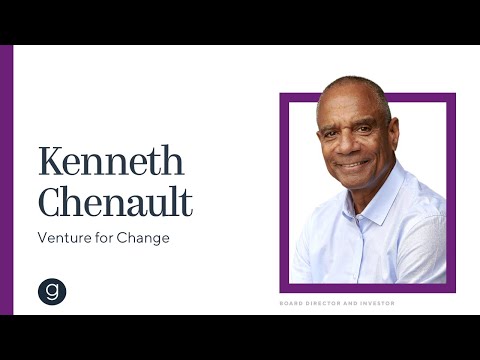
Kenneth Chenault (General Catalyst Chairman) - Venture for Change (May 2022)
Kenneth Chenault's leadership emphasizes corporate responsibility, crisis management, and technology integration while focusing on societal impact and ethical leadership. Chenault's approach to corporate leadership involves addressing societal issues, managing crises, investing in technology, and promoting diversity and integrity.

Dean Kamen (Deka Research Founder) - Product Innovation at DEKA Research and Development (May 2022)
Dean Kamen, engineer and inventor, emphasizes problem-solving over conventional business strategies and has created groundbreaking innovations in medical devices, robotics, water purification, and regenerative medicine. Kamen seeks skilled engineers across various disciplines to join his company, DEKA, and contribute to his visionary approach to improving lives through innovation.
Ray Dalio (Bridgewater Founder) - Ray Dalio and GMO's Jeremy Grantham on How They're Seeing the World Right Now (May 2022)
Investment legends Alex Shahidi, Ray Dalio, and Jeremy Grantham offer insights on global trends, market dynamics, and investment strategies in inflationary environments, emphasizing the need for diversification and hedging against inflation. They express concerns about environmental sustainability and climate change, highlighting the importance of scientific innovation and human behavior in addressing these challenges.
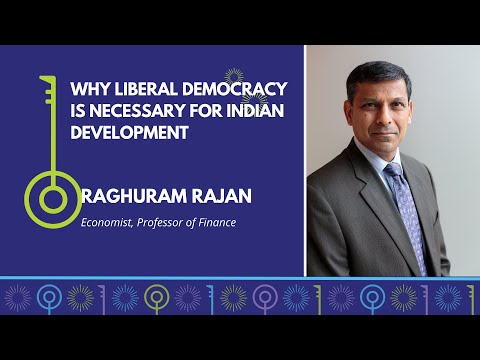
Raghuram Rajan (University of Chicago Professor) - Why Liberal Democracy is necessary for Indian Development (May 2022)
India's economic growth, while impressive, masks deeper issues like inadequate job creation and low female labor participation rates. Raghuram Rajan advocates for a shift from export-led manufacturing to a service-led economy, leveraging India's democratic ethos and global presence.
Ray Dalio (Bridgewater Founder) - Interview With The Economic Times (May 6, 2022)
Ray Dalio discusses the recurrent patterns of economic cycles, the debasement of major world currencies, and investment strategies for inflationary times. He also explores rising societal tensions linked to wealth disparities, the geopolitical shift towards a multi-polar world with increasing competition among great powers, and the types of conflicts that could emerge from these dynamics.
Bill Gates (Gates Foundation) - LinkedIn: This is Working (May 5, 2022)
In an extensive interview, Bill Gates discusses the impacts of the COVID-19 pandemic on various sectors, including global health, vaccine efficacy, work environments, and societal response. He provides actionable recommendations for better pandemic preparedness, critiques the effectiveness of current approaches, and emphasizes the need for adaptability in both healthcare and the future of work.
Alexandr Wang (Scale AI Co-founder) - How AI is Transforming Global Industries (Startup Grind Global 2022) (Apr 2022)
Scale AI's mission is to democratize access to AI technology and empower developers with high-quality machine learning datasets, facilitating the integration of AI into various industries. The company's journey highlights the challenges and rewards of building a successful AI company, emphasizing the significance of data quality, adaptability, and collaboration.
Raghuram Rajan (University of Chicago Professor) - The Causes And Effects Of Today's Inflation (Apr 2022)
The Federal Reserve's task of balancing inflation control and economic growth is challenging, influenced by societal impacts and political dynamics, while inflation affects different societal groups unequally.
Nathan Myhrvold (Intellectual Ventures Co-founder) - Popular Science Lecture (Apr 2022)
Cooking involves scientific principles like heat transfer and molecular changes, turning it into an art form. Understanding these principles allows for precise control over flavor, texture, and safety in cooking.
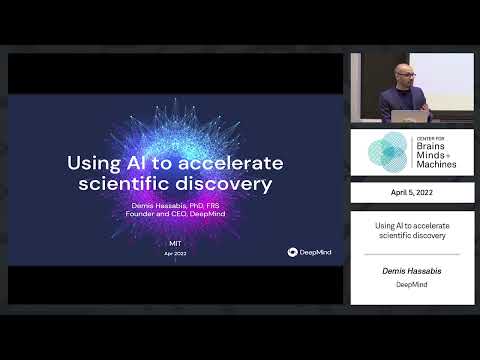
Demis Hassabis (DeepMind Co-founder) - Using AI to accelerate scientific discovery | MIT (Apr 2022)
AI has revolutionized protein structure prediction with AlphaFold, leading to breakthroughs in biology and drug discovery. AI's versatility in scientific discovery extends to quantum chemistry, mathematics, fusion, and genomics, offering a powerful tool for scientific exploration.
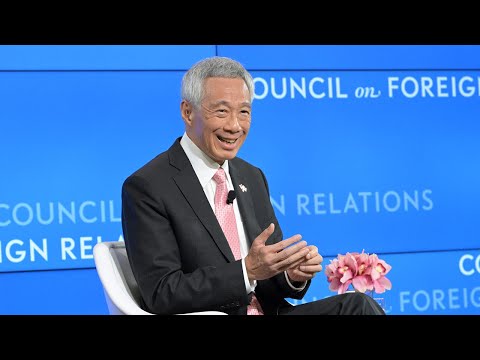
Lee Hsien Loong (Singapore Prime Minister) - Remarks at Council on Foreign Relations (Apr 2022)
The Ukraine war has disrupted the international legal framework, strained global cooperation, and intensified US-China tensions, impacting regional security and economic globalization in the Indo-Pacific. Prime Minister Lee Hsien Loong emphasizes the need for maintaining regional stability through inclusive structures, addressing climate change, and integrating China into the global system.

Peter Thiel (PayPal/Palantir Co-founder) - Bitcoin 2022 Keynote (Apr 2022)
The shift from traditional money to digital currencies like Bitcoin and Ethereum challenges government control, monetary policy, and redefines the concept of money. Digital currencies like Bitcoin and Ethereum have the potential to revolutionize finance by transcending traditional monetary systems and challenging government control over monetary policy.
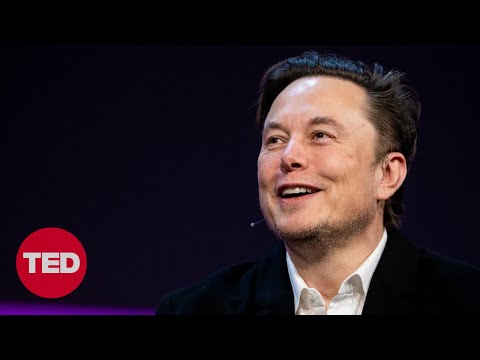
Elon Musk (Tesla, SpaceX, etc) - TED2022 (April 14, 2022)
In a comprehensive dialogue, Elon Musk discusses his visions for Tesla, focusing on sustainable growth through innovations like the Austin Gigafactory, as well as the complexities of developing full self-driving technology. Musk also explores the broader implications of AI, including its application in humanoid robots and ethical considerations, while revealing his interest in acquiring Twitter to make it a more democratic and transparent platform.
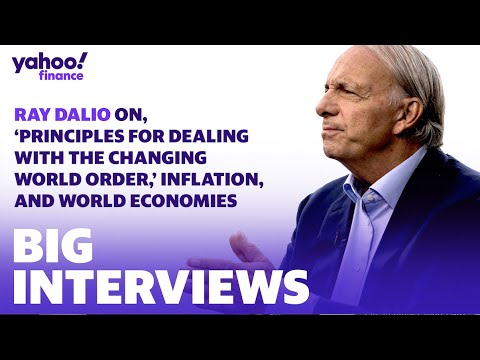
Ray Dalio (Bridgewater Founder) - on, 'Principles for dealing with the changing world order,' inflation, and world economies (Apr 4, 2022)
Ray Dalio's comprehensive study on the global economic landscape explores a range of issues including rising inflation, the sustainability of the U.S. dollar, and the complexities of financial markets. He emphasizes the importance of understanding economic history and systemic shifts, and suggests that current economic conditions may lead to significant social and global challenges, including internal conflicts and a reevaluation of the dollar's role as the world's reserve currency.

Nassim Nicholas Taleb (Scholar Investor) - Antifragile (Mar 2022)
Nassim Nicholas Taleb's concept of antifragility emphasizes the importance of embracing stressors and uncertainties as catalysts for growth and resilience, while Taleb's insights on fat-tailed variables and the nonlinearity of harm provide valuable frameworks for navigating a world marked by uncertainty and conflict.
Ruth Porat (Alphabet CFO) - International Women in Business Conference at The Economic Club of New York (Mar 2022)
Ruth Porat, CFO of Alphabet and Google, emphasizes the importance of data-driven decision-making, long-term investment in growth and R&D, and embracing diversity and inclusion in leadership. She also highlights the potential of AI as a transformative tool while advocating for its responsible and ethical use.
Hal Varian (Google Chief Economist) - Nowcasting with Google Trends (Mar 2022)
Data analysis, particularly from Google Trends, shapes our understanding of societal trends and economic forecasting through insights into consumer behavior and intentions. Google Trends data has proven effective in economic forecasting and predicting consumer behavior with accuracy, enabling organizations to make data-driven decisions.
Satya Nadella (Microsoft CEO) - Mission Empowerment (Mar 2022)
Satya Nadella's customer-centric transformation at Microsoft emphasizes empathy, lifelong learning, and AI for human augmentation, while Reid Hoffman stresses authenticity and personal stories in leadership.
Amory Lovins (Rocky Mountain Institute Co-founder) - Olin College of Engineering Talk (Mar 2022)
Amory Lovins' holistic approach to design emphasizes creativity, efficiency, and nature's wisdom, leading to transformative solutions in building, transportation, and energy systems. Lovins' integrative design principles have resulted in cost-effective, energy-efficient solutions, inspiring a new paradigm in energy and design thinking.
Mark Zuckerberg (Meta Co-founder) - Meta, Facebook, Instagram, and the Metaverse | Lex Fridman Podcast (Feb 2022)
Mark Zuckerberg discussed the challenges of responsible social media, his vision for an immersive metaverse, and the socio-economic and ethical considerations surrounding it. He emphasized prioritizing human interaction, addressing security and content moderation, and finding a balance between freedom of speech and safety.
Vitalik Buterin (Ethereum Co-founder) - Ethereum Will Most Likely Be Mainstream and the Most Secure Base Layer (Feb 2022)
Ethereum has achieved significant milestones such as implementing various applications and attracting active users, but it still faces challenges in achieving widespread adoption due to high transaction fees and usability barriers. The Merge is a major step towards improving scalability and energy efficiency, while Layer 2 solutions and ongoing protocol enhancements aim to address scalability, privacy, and user-centricity.
Vitalik Buterin (Ethereum Co-founder) - Steps to the Digital State (Feb 2022)
Vitalik Buterin envisions a new era of governance where technology and human values converge, fostering collaboration, privacy, and environmental sustainability. He proposes innovative concepts like quadratic funding and city coins to create a more inclusive and effective governance landscape.

Vitalik Buterin (Ethereum Co-founder) - Ethereum and immortality | UpOnly (Jan 2022)
Vitalik Buterin, the co-founder of Ethereum, discusses the future of technology, including the transition to proof-of-stake, the potential of zk-rollups, and the challenges associated with radical medical technologies. He also shares his thoughts on Latin America, biotechnology, and personal growth.

Vitalik Buterin (Ethereum Co-founder) - Endgame | Bankless Podcast (Jan 2022)
Ethereum roadmap focuses on scalability, security, and decentralization, aiming to make transactions affordable for everyday users. Cryptocurrencies can potentially address global challenges like financial inclusion and climate change, but a truly decentralized, neutral, and scalable blockchain ecosystem is crucial.
Vinod Khosla (Khosla Ventures Founder) - The Future of Programming (Dec 2021)
AI technologies like Codex are revolutionizing software development with ethical considerations emerging due to its impact on industries like healthcare. The tech industry demands a balanced approach to innovation, ethics, and social responsibility as AI enhances efficiency.

Dean Kamen (Deka Research Founder) - Space4U Podcast (Dec 2021)
Dean Kamen's long-standing passion for STEM education led to the creation of the FIRST Robotics Competition to address the decline in STEM interest, while his efforts to honor space pioneer Krista McAuliffe resulted in a commemorative coin benefiting FIRST.
Eric Schmidt (Alphabet Inc. Technical Advisor) - Conversation with Eric Schmidt (Dec 2021)
AI's rapid advancement has sparked global competition, particularly between the US and China, with implications for technology, geopolitics, and industries, necessitating international collaboration and responsible innovation. Countries face the challenge of navigating between economic opportunities with China and democratic values, while AI's societal impact raises ethical concerns and the need for careful regulation.
Marty Chavez (Goldman Sachs Former CIO/CTO) - The Impact of AI in Financial Services & Beyond (Dec 2021)
Marty Chavez's journey reflects the integration of technology and diversity in finance, revolutionizing Goldman Sachs' trading platform and highlighting the importance of a holistic approach to innovation. Diversity in the financial sector enhances decision-making and innovation, driving inclusivity and sustainable growth.

Elon Musk (Tesla/SpaceX CEO/Co-founder) - Engineering Victory | Dan Carlin Podcast (Dec 2021)
Engineering has played a crucial role in warfare throughout history, from ancient times to modern conflicts, influencing outcomes through technological innovations, aircraft designs, and strategic decisions. Engineering advancements have significantly impacted warfare, from aircraft designs to fuel technology, shaping the course of conflicts and raising moral and ethical concerns.

Alexandr Wang (Scale AI Co-founder) - Purpose-Driven Leadership in the Age of AI (Dec 2021)
Compassionate management fosters optimal performance by understanding individual hopes and vulnerabilities while AI aids in identifying diverse individual needs. Ethical considerations are paramount in AI development due to the potential for unintended harms.

Amory Lovins (Rocky Mountain Institute Co-founder) - The Einstein of Energy Efficiency (Dec 2021)
Amory Lovins emphasizes integrative design principles and efficiency measures to optimize energy systems, while Michael Liebreich highlights the need for a systemic view to balance energy efficiency and renewable energy development.

Ruth Porat (Alphabet CFO) - Bloomberg Interview (Dec 2021)
Google embraces hybrid work, sustainable office designs, and expansions to attract and retain top talent, while Ruth Porat's leadership focuses on long-term growth, balancing resource allocation, and addressing the digital skills gap.
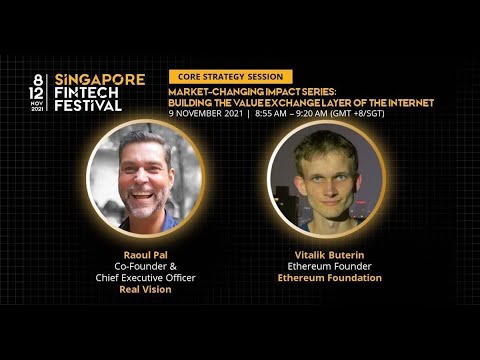
Vitalik Buterin (Ethereum Co-founder) - Building the Value Exchange Layer of the Internet (Nov 2021)
Ethereum's DeFi ecosystem and NFTs have the potential to revolutionize finance and digital ownership, while DAOs offer new models for governance and organization. Web 3.0 represents a comprehensive shift in the internet's functionality, integrating decentralized finance, permanent digital ownership, and trustless collaborations.

Jennifer Doudna (UC Berkeley Professor) - Bay Area Business Hall of Fame Induction (Nov 2021)
Jennifer Doudna's CRISPR gene editing revolutionized biology and holds promise for curing diseases, ending hunger, and combating climate change. Doudna's commitment to responsible use and accessibility of CRISPR technology makes her a pioneer in the scientific world.

Nathan Myhrvold (Intellectual Ventures Co-founder) - Pizza Talk (Nov 2021)
Nathan Myhrvold's journey from tech to culinary arts revolutionized pizza-making, challenging myths, and emphasizing the artistry and innovation behind this beloved dish. Myhrvold's scientific approach debunks culinary myths, while his Modernist Pizza Book celebrates pizza's history and techniques, inspiring creativity and quality in pizza-making.

Amory Lovins (Rocky Mountain Institute Co-founder) - "Disruptive Energy Futures" | Transylvania University Creative Intelligence Series (Nov 2021)
Amory Lovins' innovative work in energy efficiency and sustainability emphasizes boundary-pushing solutions, highlighting the potential for significant energy savings and cost reductions through holistic approaches. Lovins' concepts, if applied globally, could meet Paris Agreement goals and significantly reduce costs, transforming traditional energy sources and grid management.
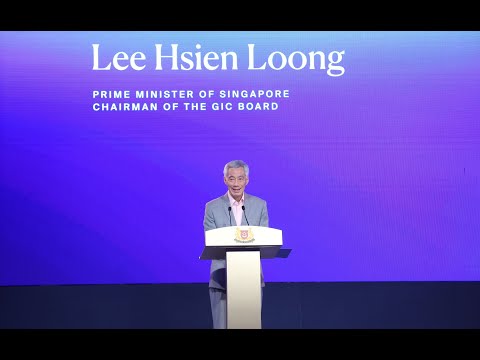
Lee Hsien Loong (Singapore Prime Minister) - GIC 40th Anniversary Dinner (Nov 2021)
Singapore's Government Investment Corporation (GIC) has successfully navigated economic upheavals and achieved consistent, long-term returns through a commitment to meritocracy, adaptability, and rigorous risk management, significantly enhancing Singapore's international purchasing power. GIC's success can be attributed to its emphasis on meritocracy and professionalism, adaptability to changing market dynamics, a cautious investment approach balancing risk and return, and adherence to core values.

Vitalik Buterin (Ethereum Co-founder) - Funding public goods algorithms and mechanisms (Nov 2021)
Public goods are vital for the growth and sustainability of blockchain ecosystems, and innovative funding mechanisms are emerging to address the challenges of funding these resources. Retroactive funding is a novel concept that rewards projects based on their past contributions and impacts, reducing risk for contributors and ensuring funding for projects with proven value.
Rodney Brooks (iRobot Co-founder) - Is Cognition Computation? (Nov 2021)
Rodney Brooks challenges the dominant view that cognition is inherently computational, suggesting it might be a societal construct rather than a universal property.
Demis Hassabis (DeepMind Co-founder) - Reimagining Drug Discovery & Medicine (Nov 2021)
DeepMind's AI, inspired by the human brain, has made breakthroughs in protein structure prediction, drug discovery, and climate change solutions, while also seamlessly integrating into our daily lives. DeepMind emphasizes ethical AI development and utilizes scientific methods to minimize the unintended consequences of powerful technology.
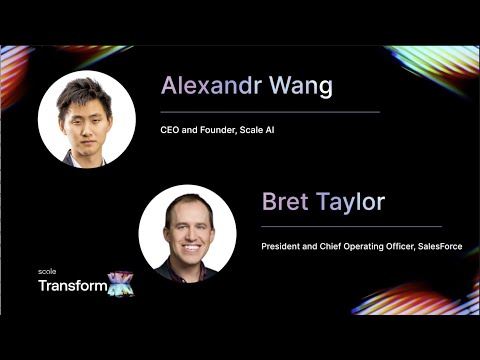
Alexandr Wang (Scale AI Co-founder) - Bret Taylor (Salesforce Co-CEO) on Enterprise AI Strategy & Lessons Learned (Nov 2021)
Digital transformation, driven by AI, is reshaping business strategies, customer experiences, and ethical frameworks in the digital economy. AI's integration into business requires careful investment, ethical considerations, and a focus on customer-centric experiences.
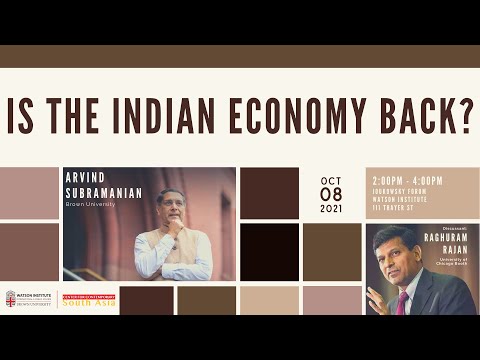
Raghuram Rajan (University of Chicago Professor) - Is India's Economy Back? (Oct 2021)
India's economy exhibits paradoxical optimism in markets amidst widespread public pessimism, with challenges including COVID impact, slowdown since 2011, and majoritarian politics intertwining with economic policies. India faces the balancing act of addressing economic needs and capabilities, harmonizing growth with welfare, and addressing the gap between economic vision and capabilities.
Alexandr Wang (Scale AI Co-founder) - TransformX (Oct 2021)
Self-supervised models like OpenAI Codex are revolutionizing fields from molecular dynamics to software development, while AI is transforming combinatorial optimization and simulation problems by offering a balance between complexity and time scale.

Bill Gates (Gates Foundation) - Andrew Ross Sorkin Interview (October 2021)
Bill Gates engages with various pressing issues, from the role of social media algorithms in public perception and the spread of conspiracy theories to leadership in crisis management and global health, particularly in COVID-19 vaccine distribution and climate change solutions. He also embraces new platforms like Clubhouse to connect with a tech-savvy audience and discusses his ongoing initiatives in technology and climate change, advocating for global collaboration and significant investments to address these complex challenges.
Peter Thiel (Facebook Board of Directors) - A Conversation with Peter Thiel (Oct 2021)
The Lincoln Network event in Miami explored the interconnectedness of technology, religion, and society, discussing topics such as the influence of Christian faith on Thiel's philosophy and the impact of technological advancements on social order. Attendees were encouraged to reflect on the insights shared and consider the broader implications for our rapidly evolving world.
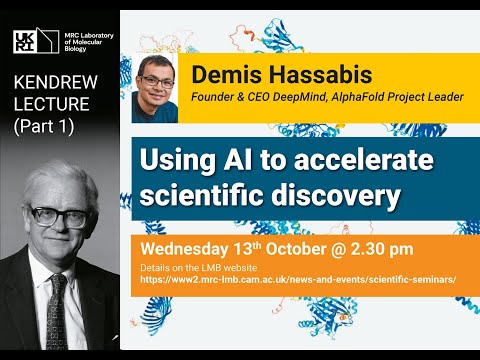
Demis Hassabis (DeepMind Co-founder) - Using AI to Accelerate Scientific Discovery (Oct 2021)
DeepMind's AlphaFold revolutionized protein structure prediction, enabling atomic-level accuracy in days, with implications for biological research and medical advancements. AI's potential as a transformative tool in biology emphasizes understanding protein function and dynamics, opening doors to new scientific discoveries.
Robin Hayes (JetBlue CEO) - IATA AGM Opening Press Briefing (Oct 2021)
IATA aims for net-zero emissions by 2050 with individual airlines choosing their own paths, while it advocates for sensible COVID-19 measures like easing restrictions for vaccinated travelers and adopting a risk-based approach.
Peter Thiel (Facebook Board of Directors) - Peter Thiel and Bambi Francisco Roizen conversation on Religion, Culture and Technology (Oct 2021)
Technology, politics, and religion are impacting freedom of thought, education, and mental health. Educational systems, particularly universities, are facing criticism for potential indoctrination and lack of academic freedom.

Bill Gates (Gates Foundation) - Conversation with Rajdeep Sardesai On Climate Change (Oct 9, 2021)
Bill Gates emphasizes the urgency and complexity of addressing climate change, linking it to broader issues like public health and calling for large-scale, multi-sectoral innovation within tight timelines. He highlights the ethical and financial responsibilities of wealthier nations, underscoring the need for international cooperation, policy change, and collective efforts in various sectors to meet this global challenge.

Robert Smith (Vista Equity Partners Founder) - Inclusiv Conference (Sep 2021)
Robert Smith promotes financial inclusion, digital transformation, and community empowerment to tackle racial wealth disparities and economic divides, emphasizing collaboration and modernization of banking systems. Smith advocates for investments in local financial institutions like CDFIs and MDIs to improve financial access in underserved communities, leveraging technology to increase lending capacity and drive economic recovery.

Vitalik Buterin (Ethereum Co-founder) - Single Slot Finality (Sep 2021)
Vitalik Buterin proposes a new consensus mechanism for Ethereum that promises immediate transaction finalization, increased efficiency, and accessibility while addressing MEV re-org attacks and other security concerns. The proposed changes introduce a committee-based approach and a dynasty-based consensus mechanism, aiming to enhance security and mitigate risks associated with faster finalization.

Xi Jinping (China President) - Global Trade in Services Summit Address (Sep 2021)
The 2021 Global Trade and Services Summit focused on the significance of services trade in the digital field, emphasizing digital transformation's role in fostering a resilient global economy. The summit highlighted the transformative impact of digitalization on services, propelling them to the forefront of economic activities and driving development.
Prince Turki Al Faisal (Saudi Arabia Former Government Official) - 9/11, Afghanistan and Americas role in the Middle East (Sep 2021)
Prince Turki al-Faisal's analysis reveals the intricate geopolitical dynamics of the Middle East, emphasizing the challenges and opportunities in addressing regional conflicts and the evolving roles of global powers. Saudi Arabia's strategic foreign policy and the need for reassurances of American commitment to regional security are key elements shaping the future trajectory of Middle Eastern politics.

Nathan Myhrvold (Intellectual Ventures Co-founder) - 'Guests and Gusto' with food photographer Nathan Myhrvold (Aug 2021)
Nathan Myhrvold's work combines science and art to capture the essence of food in stunning detail, challenging the boundaries of food photography and presentation. His innovative techniques and equipment reveal the intricate beauty of microscopic food structures and the hidden layers within everyday meals.

Elon Musk (SpaceX Co-Founder) - Starbase Tour Part 2 (Summer 2021)
Elon Musk elaborated on SpaceX's Starship program, emphasizing its focus on rapid iteration, full reusability, and technical complexities like engine design and thermal management. Contrasting Starship with traditional space programs, Musk highlighted the company's unique approach to failure as a learning process and its ambitious plans for interplanetary colonization.

Mitchell Waldrop (Author) - The Dream Machine [Part 1 of 3] (Aug 2021)
J.C.R. Licklider's visionary concept of "man-computer symbiosis" in 1960 laid the foundation for networked personal computers and digital libraries, shaping the future of collaboration and information sharing.

Mitchell Waldrop (Author) - The Dream Machine [Part 2 Of 3] (Aug 2021)
The evolution of the digital world began with ARPANET, an academic project that laid the foundation for the modern internet, and was marked by continuous advancements in microprocessors, leading to the World Wide Web and current challenges in data privacy.
Dean Kamen (Deka Research Founder) - An Innovation Mindset in the FIRST Global Podcast (Aug 2021)
Dean Kamen, a visionary in STEM education, founded FIRST and FIRST Global to promote global cooperation and innovation in STEM fields and prepare youth for a globalized future. He emphasizes the importance of STEM literacy for responsible citizenship and advocates for global technical competence to address challenges like climate change.
Alan Kay (VPRI Co-founder) - Keynote (Aug 2021)
Intellectual context and available knowledge are more critical than raw intelligence in driving innovation, and interdisciplinary collaboration is essential for progress in complex fields like computing.

Dharmesh Shah (HubSpot Co-founder) - Building HubSpot to a Unicorn (Jul 2021)
Dharmesh Shah's entrepreneurial journey, from a humble upbringing to HubSpot's success, showcases the power of perseverance, innovation, and customer-centric leadership. His journey highlights the significance of defining company culture early on, attracting top talent, and fostering innovation.
Fei-Fei Li (Stanford Professor) - Human-Centered AI (Jul 2021)
Stanford's HAI is renowned for its interdisciplinary research on human-centered AI, emphasizing responsible development and addressing biases. The institute's work includes the pivotal ImageNet dataset, embodied intelligence, and initiatives promoting diversity in AI.

Jennifer Doudna (UC Berkeley Professor) - Level up for humanity, opening International Science Festival Gothenburg (Jul 2021)
CRISPR, a transformative genetic engineering tool, offers unprecedented precision for DNA editing, raising ethical and philosophical concerns about its potential misuse for creating designer babies and exacerbating inequality. While CRISPR holds promise for treating genetic diseases and adapting to climate change, responsible use and regulation are paramount to avoid unintended consequences.
Charlie Munger (Berkshire Hathaway Vice Chairman) - The Power of Partnership with Warren Buffett (Jul 2021)
Warren Buffett and Charlie Munger's investment strategy centers around identifying undervalued securities, investing in businesses with sustainable competitive advantages, and maintaining ethical conduct. Their success stems from expansive knowledge, rational decision-making, and a commitment to ethical behavior.
Elon Musk (SpaceX Co-Founder) - Mobile World Congress (June 29, 2021)
In his MWC21 keynote, Elon Musk detailed SpaceX's Starlink project, which aims to bridge global connectivity gaps by targeting hard-to-reach populations and has launched over 1,500 satellites with more than 69,420 active users. Musk discussed Starlink's future plans, such as decreasing latency and expanding user adoption, while also emphasizing its financial and technological strategies to avoid the bankruptcy issues that have plagued similar low-Earth orbit projects.

Vitalik Buterin (Ethereum Co-founder) - Ethereum 2.0 | Lex Fridman Podcast (Jun 2021)
Vitalik Buterin's work on Ethereum and his commitment to societal good through philanthropic actions. Introduction of Proof-of-Stake (PoS) consensus and Sharding as key features in Ethereum 2.0 for enhanced security, energy efficiency, and equitable rewards distribution.

Simon Segars (Arm CEO) - A Conversation with Arm's Simon Segars and NVIDIA's Jensen Huang (Jun 2021)
NVIDIA's acquisition of ARM aims to reshape modern computing by integrating software-defined systems, AI, and machine learning across various computing segments, fostering competition and innovation. The merger promises to enhance ARM's IP portfolio, expand NVIDIA's technological reach, and address the increasing complexity of edge AI and IoT systems.
Robert Smith (Vista Equity Partners Founder) - Black Banks and Black Economic Empowerment (Jun 2021)
Black banks face challenges in accessing capital, but they present investment opportunities for economic empowerment. Modernization and capital injection can increase their lending capacity, benefiting small businesses and underserved communities.
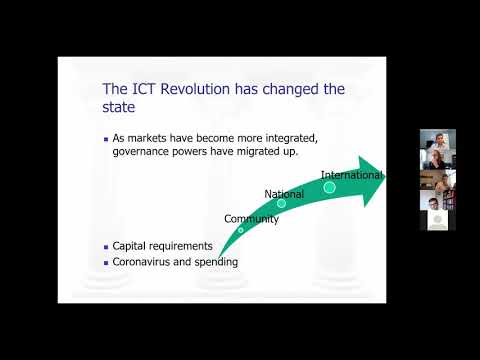
Raghuram Rajan (University of Chicago Professor) - The Third Pillar (May 2021)
The complexities of modern governance, economy, and community engagement require nuanced approaches to address intricate dynamics and foster sustainable, inclusive growth. Balancing local empowerment and global integration is key to navigating 21st-century challenges.
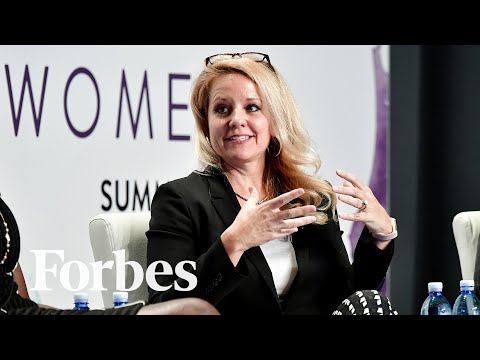
Gwynne Shotwell (SpaceX President) - Pioneering The Future Of Space Travel | Forbes Power Women's Summit (May 2021)
SpaceX, led by Gwen Shotwell, aims to establish human settlements on Mars within the next decade as a crucial step for humanity's survival, while embracing audacious goals, diversity, and resilience in leadership.

Prince Turki Al Faisal (Saudi Arabia Former Government Official) - Keynote at Convention of the American-Arab Anti-Discrimination Committee (May 2021)
Arab Americans' contributions to the US are significant and they face challenges post-9/11, emphasizing the need for stronger political involvement and bridge-building between Arab and American communities.

Vitalik Buterin (Ethereum Co-founder) - Legitimacy | Bankless Podcast (May 2021)
Legitimacy is a crucial force in cryptocurrencies, granting trust and acceptance, and its sources include brute force, fairness, process, performance, and participation. Shifts in legitimacy occur gradually at first and then suddenly, and they can have long-term consequences.
Nathan Myhrvold (Intellectual Ventures Co-founder) - Modernist Pizza at NY Pizza Festival (May 2021)
Modern culinary science employs advanced techniques and equipment, such as freeze-drying, rotary evaporators, and ultrasonic technology, to enhance food preservation, flavor concentration, and presentation. The Modernist Cuisine Lab exemplifies this convergence of science and art, pushing the boundaries of cooking and redefining the possibilities of culinary creation.

Jennifer Doudna (UC Berkeley Professor) - Nobel to Nobel (May 2021)
Jennifer Doudna's work with CRISPR technology revolutionized biomedical research and raised ethical questions about gene editing. Her advocacy for women in science and collaborative spirit drove scientific progress and shaped the future of gene editing.
Sundar Pichai (Alphabet CEO) - Yahoo Finance Interview (May 2021)
Google CEO Sundar Pichai is committed to advancing AI and ensuring responsible and ethical development, while also supporting journalism and addressing societal challenges. Pichai believes AI will revolutionize various industries and is dedicated to promoting diversity and inclusion in the tech industry.

Robin Hayes (JetBlue CEO) - World Travel Market Interview (Apr 2021)
JetBlue Airways has shown resilience during the pandemic, navigating challenges with strategic cost-cutting, network adjustments, and a focus on digital innovation. The airline plans to expand transatlantic flights and prioritize sustainability in its future growth strategy.

Larry Fink (BlackRock Co-founder) - Bloomberg Interview on Temasek Partnership (Apr 2021)
Temasek and BlackRock launch a $5 billion joint venture to invest in decarbonization technologies, aiming for impact over financial returns. The collaboration emphasizes innovation, recognizing the need for new technologies to tackle climate change effectively.
Robert Smith (Vista Equity Partners Founder) - Industry Insights, National Association of Investment Companies (Apr 2021)
Robert F. Smith, a successful private equity investor, uses his platform and wealth to address systemic inequality, promote diversity, and empower underserved communities. Smith's journey highlights the importance of education, entrepreneurship, and philanthropy in creating a more equitable society.

Vinod Khosla (Khosla Ventures Founder) - Uplyft 2021 Keynote (Apr 2021)
Unconventional wisdom encourages challenging norms, embracing failure as a learning opportunity, and pursuing audacious goals to drive innovation and success. By questioning conventional wisdom and taking calculated risks, individuals can push boundaries and create groundbreaking change.
Peter Thiel (Facebook Board of Directors) - A Conversation with Peter Thiel and Niall Ferguson (Apr 2021)
Peter Thiel highlighted the stagnation of innovation in tangible goods due to regulatory hurdles and expressed concern about the slowdown in biomedical progress. Neil Ferguson emphasized the need for technological progress in developed nations and the distinction between horizontal growth in developing countries and vertical growth in developed nations.

Vitalik Buterin (Ethereum Co-founder) - What Happens After the Merge (Apr 2021)
Ethereum's future involves transitioning to proof-of-stake, implementing sharding for scalability, and enhancing security with state expiry, leading to a more efficient and sustainable network. It will explore advanced features like account abstraction, EVM improvements, and ZK-SNARKs for further scalability and security.

Ray Dalio (Bridgewater Founder) - Interview with Jordan Harbinger (Apr 8, 2021)
Ray Dalio discusses the complexities of financial markets, societal tensions, and decision-making, emphasizing the importance of expertise and historical understanding in navigating these arenas. He also addresses the crisis in democratic governance, the impact of the rising wealth gap on social structures, and stresses the need for careful risk assessment in both personal and financial decisions.
Bill Gates (Gates Foundation) - how we can avoid a climate disaster (Apr 8, 2021)
Bill Gates emphasizes the urgency of addressing climate change through a multifaceted approach that includes immediate action, innovation, and global cooperation. He outlines the role of various sectors, emerging technologies, and individual responsibility, advocating for comprehensive efforts and specific metrics to gauge progress.

Larry Fink (BlackRock Co-founder) - Remarks at Council on Foreign Relations (Mar 2021)
The COVID-19 pandemic exposed the fragility of the global system and accelerated focus on existential threats like climate change. Sustainable investing is gaining momentum as investors recognize the importance of addressing climate risk and demand transparency from companies.
Bill Gates (Gates Foundation) - The Innovations we need to avoid a climate disaster | TED (March 2021)
Bill Gates presents a multifaceted strategy to combat climate change, advocating for technological innovation, policy reform, and behavioral change, with an emphasis on reducing the "green premium" to make eco-friendly solutions globally accessible. He also stresses the need for long-term planning over short-term targets, financial and global responsibility, and the pivotal roles of various stakeholders, including younger generations and the financial sector.

Ruth Porat (Alphabet CFO) - IMF Podcast (Mar 2021)
Global economic recovery is uneven, with developed nations outperforming emerging ones, leading to concerns of a "K-shaped recovery" and growing social disparities. Climate change poses a significant threat, indirectly fueling conflict and displacement, requiring urgent action and global cooperation for mitigation and adaptation.
Demis Hassabis (DeepMind Co-founder) - Breakthrough Scientific Discoveries (Mar 2021)
Demis Hassabis' visionary approach to AI in scientific research emphasizes interdisciplinary collaboration and selecting problems with high impact potential, while the UK aims to be a leader in AI with government support on education and diversity.
Walter Isaacson (Tulane Professor) - Walter Isaacson (Mar 2021)
Gene editing technology, pioneered by CRISPR-Cas9, has the potential to revolutionize medicine and address global health challenges, but also raises complex ethical, societal, and economic considerations.

Geoffrey Hinton (Google Scientific Advisor) - Geoffrey Hinton (Mar 2021)
Neural networks have revolutionized AI, enabling machines to learn and perceive data like humans, leading to breakthroughs in fields like image recognition and machine translation. The future of AI involves exploring multiple timescales in neural networks to enhance memory and reasoning capabilities, mimicking human learning and adaptation.

Vitalik Buterin (Ethereum Co-founder) - KERNEL Fireside - Staking and Scaling (Mar 2021)
Vitalik Buterin's innovations in blockchain technology focus on fault tolerance, attack detection, and user interface design, while his views on governance and sustainability highlight the need for multiple systems and a balance between financial and non-financial aspects.
Nassim Nicholas Taleb (Scholar Investor) - India's Post-COVID Opportunity (Mar 2021)
Global connectivity and COVID-19 exposed economic disparities, cultural differences in pandemic responses, and the need for resilience and preparedness. India's "Atmanirbhar Bharat" emphasizes adaptability, economic flexibility, and domestic production to withstand future shocks.
Tim Gallwey (Author The Inner Game of Tennis) - The Inner Game of Coaching (Mar 2021)
Tim Gallwey's approach focuses on overcoming internal barriers and using intuitive abilities to achieve peak performance in various fields, from sports to education and customer service. His ideas have transformed corporate practices and are poised for broader application in different settings.

Ruth Porat (Alphabet CFO) - Discussing investment in US workforce and gender equality (Mar 2021)
Google's resilience during crises is attributed to its swift response, adaptability, and commitment to innovation and inclusivity, while also addressing gender disparities and the digital divide. Google's focus on data analytics, multi-cloud flexibility, and industry-specific solutions gives it a competitive edge in the digital arena.
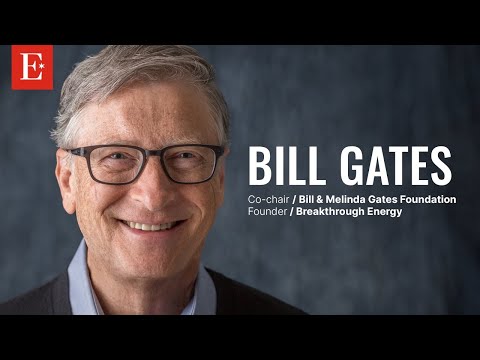
Bill Gates (Gates Foundation) - Economic Club of Chicago (Mar 19, 2021)
Bill Gates advocates for a multi-faceted approach to address the global climate crisis, emphasizing the need for technological innovation, global cooperation across sectors, and targeted government and corporate initiatives. He introduces the concept of "Green Premium," discusses the significance of overlooked sectors like agriculture and heating, and highlights the role of middle-income countries and younger generations in driving climate action.

Vitalik Buterin (Ethereum Co-founder) - Social Recovery and Layer 2 Wallets | Bankless Podcast (Feb 2021)
Ethereum's future is bright with innovations like rollups, social recovery wallets, and decentralized identity, enhancing security, scalability, and user experience. Layer 2 solutions like rollups can improve the functionality of smart contract wallets and social recovery mechanisms, further streamlining the user experience.

Vitalik Buterin (Ethereum Co-founder) - Space, Longevity, Mars & More ("The B- Side" with Morgan Beller) (Feb 2021)
Vitalik Buterin, co-founder of Ethereum, shares his thoughts on longevity research, human enhancements, and societal changes, advocating for equitable access to advancements while considering ethical implications. He explores topics like gene editing, legal reforms, and urbanization, offering insights into the intricate relationship between technology and society.

Nathan Myhrvold (Intellectual Ventures Co-founder) - Taking high-resolution pictures of snowflakes (Feb 2021)
Snowflake photography reveals the awe-inspiring complexity of nature, capturing the intricate beauty of individual snowflakes through specialized techniques and high-resolution imaging. Nathan Myhrvold's work underscores the importance of perseverance and appreciation for the natural world, transforming his snowflake photography project from a three-month plan into an 18-month journey.
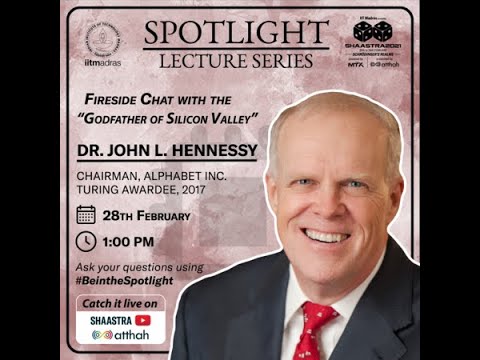
John Hennessy (Alphabet Chairman) - "Godfather of Silicon Valley" - A Fireside Chat (Feb 2021)
AI has revolutionized computing and hardware design, while Silicon Valley transformed from a semiconductor hub to a tech epicenter due to educational institutions' roles and talent concentration. Stanford University, under Hennessy's leadership, fostered innovation, entrepreneurship, and addressed global challenges through technology.
Vinod Khosla (Khosla Ventures Founder) - Keynote Hack the North 2021 (Feb 2021)
Vinod Khosla and Chamath Palihapitiya advocate embracing risk and pursuing personal beliefs over societal expectations to drive innovation and personal fulfillment. Both prioritize solving significant societal problems through innovation, focusing on areas like inequality, climate change, and the potential of technology for positive social impact.

George Soros (Soros Fund Management Founder) - Open Society (Feb 2021)
Global capitalism faces challenges due to its crisis-prone nature and economic disparities, requiring reforms to address systemic issues and promote equitable financial systems. The future of international financial institutions depends on eliminating moral hazard, increasing transparency, and addressing the varying needs of developed and less developed economies.
Bill Gates (Gates Foundation) - How to Avoid a Climate Disaster @ Stanford (Feb 18, 2021)
In a presentation at Stanford University, Bill Gates outlines a multi-faceted strategy to address climate change, emphasizing the need for technological innovation, government policy, and multi-sectoral involvement to achieve zero emissions by 2050. Stanford supports this approach through its climate research institutes and plans to launch a new school focused on climate and sustainability.
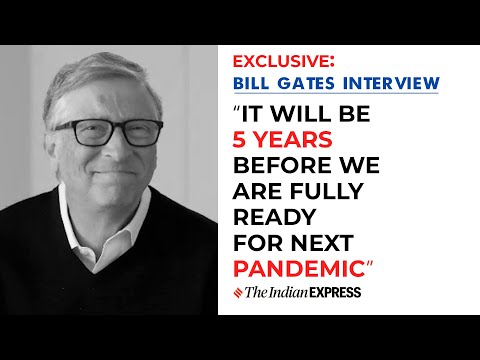
Bill Gates (Gates Foundation) - Interview With The Indian Express (Jan 28, 2021)
Bill Gates outlines a roadmap for navigating future challenges, emphasizing three key pillars: strategic pandemic preparedness through robust R&D and surveillance, socially responsible philanthropy aimed at addressing economic and social disparities, and the need for regulatory oversight in technology, particularly concerning misinformation and competition. He argues that immediate investments in these areas are crucial not only for pandemic recovery but also for long-term global improvement.

Bill Gates (Gates Foundation) - What's inside Coronavirus Vaccine? Bill Gates Interview (Jan 28, 2021)
In the upcoming interview with YouTube channel "What's Inside," Bill Gates discusses a range of pressing topics including the technological advances and challenges of mRNA vaccines, the future of online education, and pandemic preparedness. Gates envisions overcoming current vaccine distribution hurdles and sees online learning as both a necessity and a contributor to educational inequality.
Lee Hsien Loong (Singapore Prime Minister) - DAVOS AGENDA 2021 (Jan 2021)
Global cooperation and leadership are crucial in addressing post-COVID challenges like vaccine distribution and climate change, while the shifting dynamics of US-China relations demand a reset for global stability.
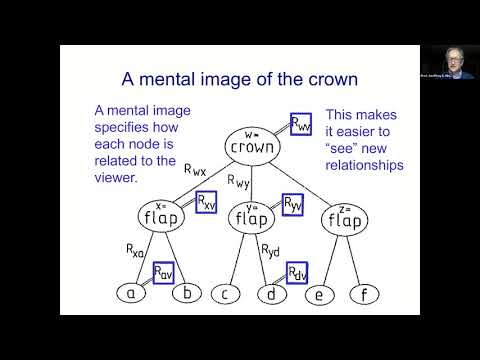
Geoffrey Hinton (Google Scientific Advisor) - How to represent part whole hierarchies in a neural network | ACM SIGKDD India Chapter (Jan 2021)
Geoffrey Hinton's revolutionary ideas in neural networks, transformers, and part-whole hierarchies are transforming computer vision, pushing the boundaries of image processing and AI. Ongoing research in combining these techniques promises to further our understanding of vision systems and open new avenues for technological innovation.

Steven Chu (Stanford Professor) - Remarks at Stanford Woods Institute for the Environment (Jan 2021)
Steven Chu's tenure as Secretary of Energy transformed the department with innovative initiatives, focusing on efficiency and fostering a culture of excellence. His leadership led to advancements in nuclear energy oversight, waste management, and climate change mitigation, influencing national energy and environmental policies.
Sundar Pichai (Alphabet CEO) - LIVE (Jan 2021)
Google CEO Sundar Pichai addresses YouTube's Capitol riot response, emphasizing content moderation and AI advancements, while defending Google's practices amid antitrust scrutiny and advocating for the importance of Section 230 in online freedom of speech.

Amory Lovins (Rocky Mountain Institute Co-founder) - Asking Heretical Questions (Dec 2020)
Amory Lovins's work in energy efficiency and renewable energy has influenced global energy policies, emphasizing cost-effectiveness and the potential of renewables to meet growing energy demand and decarbonize industries. His insights challenge conventional economic models and highlight the need for cross-sectoral innovation and investment in sustainable solutions.
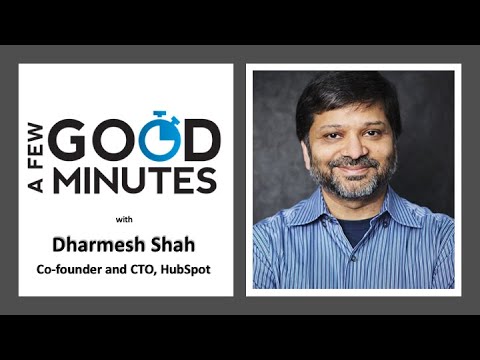
Dharmesh Shah (HubSpot Co-founder) - Interview with Brent Leary (Dec 2020)
HubSpot's success is attributed to its customer-centric approach, co-founder partnership, and evolving platform from marketing to CRM and sales. It emphasizes empathy, adaptability, and ongoing innovation to meet customer needs and challenges in the technology industry.

Jennifer Doudna (UC Berkeley Professor) - Nobel Lecture (Dec 2020)
CRISPR-Cas9 technology revolutionized genome editing by enabling precise DNA targeting and cleavage, with applications in research, medicine, agriculture, and diagnostics. CRISPR-Cas systems can detect RNA and DNA molecules at minute levels, offering potential for rapid and accessible diagnostics.
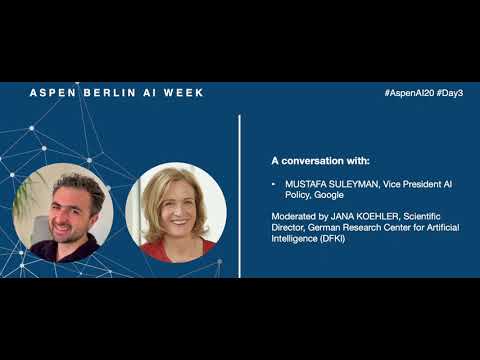
Mustafa Suleyman (DeepMind Co-founder) - Aspen Berlin AI Week (Dec 2020)
AI in healthcare offers transformative opportunities but faces hurdles like data infrastructure, ethical considerations, and privacy concerns. Responsible implementation requires aligning AI applications with patient needs, business models, and a commitment to ethical and responsible deployment.

Vinod Khosla (Khosla Ventures Founder) - TiE Hyderabad (Dec 2020)
Radical technology reinvention is essential to provide a high-quality lifestyle for all without harming the planet. Entrepreneurs and instigators drive change by experimenting, challenging norms, and pushing boundaries with disruptive innovations.
Jennifer Doudna (UC Berkeley Professor) - The Chemistry of CRISPR (Dec 2020)
CRISPR-Cas9 revolutionizes genome editing and expands its applications. CRISPR-Cas9's versatility raises ethical and societal concerns, necessitating responsible management of its technology.
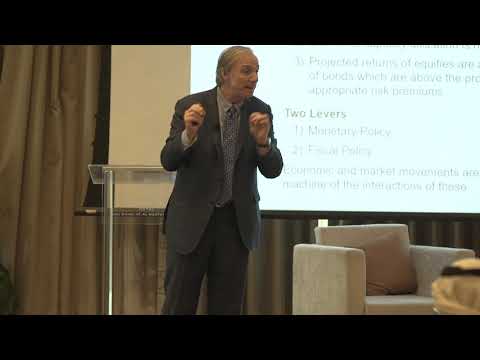
Ray Dalio (Bridgewater Founder) - Ray Dalio Explaining Principles of Investing (Dec 17, 2020)
Ray Dalio's economic and investment philosophy centers on systematic decision-making, understanding cause-and-effect relationships, and recognizing economic cycles to make informed choices. He extends these principles to geopolitics, economic forces, and portfolio management, offering a comprehensive framework for navigating the complexities of global economics, politics, and investment.

Andy Bechtolsheim (Arista Co-Founder) - Building the 400G Internet (Nov 2020)
Moore's Law and merchant silicon fuel networking chip advancements, leading to higher density, speed, and power efficiency. Optics technology evolution enables higher speeds and cost-effectiveness, driving innovation in data center interconnects and long-haul networks.
Peter Norvig (Google Director of Research) - Singularity is in the Eyes of the Beholder (Nov 2020)
AI has evolved from complex rules to probabilistic programming and impacted various aspects of society, presenting both opportunities and challenges. Norvig's insights emphasize gradual AI integration, responsible development, and continuous learning in this ever-evolving field.
Fei-Fei Li (Stanford Professor) - Conversation with Bill Newsome, Director of the Stanford Wu Tsai Neurosciences Institute (Nov 2020)
Artificial intelligence and neuroscience's intersection offers insights into brain function and advances neural network development. AI's role in neuroscience and healthcare includes disease mechanism discovery, treatment development, and diagnosis assistance.

Nathan Myhrvold (Intellectual Ventures Co-founder) - Tech, Travel, and Cuisine Innovations (Nov 2020)
Nathan Myhrvold's innovative approaches to photography, paleontology, and culinary science demonstrate his ability to integrate diverse disciplines and challenge traditional boundaries. Myhrvold's work showcases his interdisciplinary knowledge and curiosity, pushing the boundaries of each field and enriching our understanding of the natural world and human creativity.
Jennifer Doudna (UC Berkeley Professor) - UC Davis Research Lecture (Nov 2020)
CRISPR technology, exemplified by CRISPR-Cas9, has revolutionized biology and medicine, offering opportunities for gene editing, diagnostics, and treatment of genetic diseases, but challenges remain, including off-target effects, ethical considerations, and accessibility. CRISPR-based diagnostics, particularly for COVID-19, offer rapid, sensitive, and cost-effective pathogen detection, while CRISPR-Cas12a shows promise in gene editing and viral detection.
Lee Hsien Loong (Singapore Prime Minister) - Future of Trade | Bloomberg New Economy Forum (Nov 2020)
US-China relations are changing due to America's evolving role in Asia and China's growing influence, requiring a nuanced approach that blends cooperation and dialogue to maintain regional stability. The COVID-19 pandemic has highlighted the need for resilience, adaptability, and a shift in priorities towards public safety and economic stability.
Fei-Fei Li (Stanford Professor) - Fireside Chat (Nov 2020)
Technology has rapidly transformed sectors like healthcare and employment during the COVID-19 pandemic, highlighting inequalities and opportunities for societal improvement. Policymakers play a crucial role in harnessing technology for equitable technological change, fostering collaboration, and addressing income inequality.

Doug Engelbart (Doug Engelbart Institute Founder) - Inventing the Mouse (Nov 2020)
Douglas Engelbart's invention of the mouse and his pioneering work in interactive computing revolutionized human-computer interaction. His advocacy for open-source software and collaborative innovation continues to influence the technological landscape.

Raghuram Rajan (University of Chicago Professor) - BQ Conversations With Former RBI Governor Raghuram Rajan (Nov 2020)
India's proposal to allow corporates into banking faces challenges and risks, including self-lending, concentration of power, and governance issues. Focus should be on improving regulatory framework and addressing root causes of current banking system issues.

Vitalik Buterin (Ethereum Co-founder) - Vitalik & Tyler Cowen talk Ethereum (Nov 2020)
Increased transparency and interconnectedness brought by technology pose challenges in information sorting, while cryptocurrencies and AI present both opportunities and concerns for governance. Innovative governance models are emerging in the crypto world, contrasting with the ongoing debate between centralized and decentralized approaches in social media platforms.
Bill Gates (Microsoft Co-Founder) - Dr. Anthony Fauci and Bill Gates discuss coronavirus and politics (Oct 30, 2020)
Bill Gates and Dr. Anthony Fauci critically assess the U.S. pandemic response, identifying weaknesses in testing, public messaging, and political interference with expert organizations, while also discussing the promise and challenges of vaccine development. They advocate for a multifaceted strategy that combines economic stimulus, scientific guidance, and global vaccine distribution to effectively manage the ongoing crisis.
Sebastian Thrun (Kitty Hawk Corporation CEO) - Interview mit Sebastian Thrun (Oct 2020)
COVID-19 has accelerated technological advancements, such as virtual communication and remote work, while also highlighting the need for improved online education methods. Electric vertical takeoff and landing aircraft may revolutionize urban transportation, but require infrastructure, safety, and regulatory considerations.

Danny Hillis (Long Now Foundation Co-founder) - The Trouble with Rockets & Designing for 10,000 years (Oct 2020)
Long-term thinking is crucial in space exploration and the construction of the 10,000-Year Clock, which reflects our resilience, foresight, and potential to envision a future beyond current horizons. These endeavors encourage creative thinking and inspire us to explore possibilities in timekeeping and beyond.
Raghuram Rajan (University of Chicago Professor) - India's Third Pillar - The Way Forward (Oct 2020)
Global political and economic dynamics are shaping a volatile landscape, with geopolitical shifts impacting economic challenges and policy responses, while India's economic recovery path involves seizing reform opportunities and addressing bureaucratic hurdles.
Kyle Vogt (Cruise Founder) & Sam Altman (OpenAI Co-Founder) - Autonomous Driving (Oct 2020)
Kyle Vogt, the CTO and co-founder of Cruise, showcased advancements in autonomous vehicle (AV) technology, featuring a car navigating San Francisco for 75 minutes without disengagements, aided by LiDAR, real-time detection, and predictive machine learning. Vogt discussed the car's evolving capabilities, including remote assistance for complex situations, the role of multiple neural networks, and the potential for AVs to eventually surpass human driving skills.

Bill Gates (Gates Foundation) - US COVID response and latest vaccine outlook (Oct 26, 2020)
Bill Gates critiques the U.S. pandemic response, highlighting issues like politicization of health guidance, poor testing, and inconsistent messaging, while emphasizing the urgent need for vaccines and a science-driven approach. He also calls for international vaccine distribution to be included in the U.S. stimulus bill, warns against the dangers of misinformation, and stresses the economic necessity of timely stimulus measures.
Bill Gates (Gates Foundation) - Interview with Stephen Curry (Oct 13, 2020)
Bill Gates discusses a range of topics including job interviews in tech, the far-reaching impact of the COVID-19 pandemic, and systemic inequalities, advocating for a balanced, data-driven approach to these challenges. He emphasizes the role of technology as both a solution and a source of issues like misinformation, while stressing the importance of self-awareness and tangible skills in job interviews and highlighting the pandemic's exacerbation of existing inequities.
Nassim Nicholas Taleb (Scholar Investor) - Covid Risk Conversation with Yaneer Bar-Yam (Sep 2020)
Pandemics require a shift from individual to collective risk assessment and evidence-based science to combat the uncertain dynamics and scale of contagion. Probabilistic approaches and appropriate reference models are crucial for effective decision-making and vaccination strategies.
John Hennessy (Alphabet Chairman) - World Knowledge Forum Fireside Chat (Sep 2020)
John Hennessy's journey embodies the convergence of academia and industry, shaping the evolution of technology and fostering innovation. Stanford's symbiotic relationship with Silicon Valley highlights the role of higher education in driving technological advancement and shaping global leadership.
Satya Nadella (Microsoft CEO) - Building Digital Resilience (Sep 2020)
Microsoft's comprehensive technology stack, especially Azure, is revolutionizing industries through digital transformation by empowering tech adoption, fostering innovation, and addressing real-world challenges across various sectors. Microsoft's commitment to innovation and sustainability positions it as a leader in the technological landscape, driving progress and solutions to global challenges.
Nassim Nicholas Taleb (Scholar Investor) - Covid Misconceptions, Fed Policy, Inflation | Bloomberg (Sep 2020)
Nassim Taleb emphasized the need for resilience and prudent risk management during crises, advocating for tail-risk hedging and learning from history to prepare for future pandemics and global disruptions. He also criticized the US's COVID-19 response and the Federal Reserve's monetary policies, highlighting the importance of local production of essential goods and addressing supply chain fragilities.

Ruth Porat (Alphabet CFO) - The David Rubenstein Show (Sep 2020)
Ruth Porat's rise from Wall Street to CFO of Alphabet showcases her exceptional financial acumen, groundbreaking leadership, and commitment to innovation and diversity, while her stewardship of Google during the COVID-19 pandemic exemplified her strategic financial leadership. Porat emphasizes Google's commitment to regulatory engagement, competition promotion, and showcasing the benefits of its services amidst concerns about tech dominance.

Bill Gates (Gates Foundation Co-founder) - Bill Gates, Michael Dell, and Steve Ballmer talk about coronavirus, success, and life (Sep 2020)
Steve Ballmer stressed the importance of data and innovation, along with Bill Gates' critical role in addressing the pandemic's health and economic impacts through his insights and philanthropy.
Bill Gates (Gates Foundation) - on the World Ahead (Sep 24, 2020)
Bill Gates criticizes the U.S.'s handling of the COVID-19 pandemic, highlighting inadequacies in preparedness, diagnostics, and social equity, while also noting the country's strength in R&D funding. He offers a roadmap for future pandemic preparedness that involves policy reevaluation, technology integration, and a focus on global and domestic equity.
Lee Hsien Loong (Singapore Prime Minister) - Davos Interview (Davos 2020)
Singapore's success has been driven by external factors, such as the US's stabilizing presence, China's economic growth, and globalization, but it now faces challenges due to the shifting dynamics between the US and China and the changing nature of globalization. Singapore aims to maintain good relations with both the US and China while upgrading its capabilities, ensuring equitable distribution of globalization's benefits, and addressing domestic priorities.
Hal Varian (Google Chief Economist) - Procreation vs Automation, UCL Economics Conference (2020)
Automation, aging populations, and declining birth rates are reshaping the labor market, leading to shifts in job roles, labor demand, and supply. Preparing the workforce through education, training, and technology adoption is crucial to navigate the evolving labor landscape.
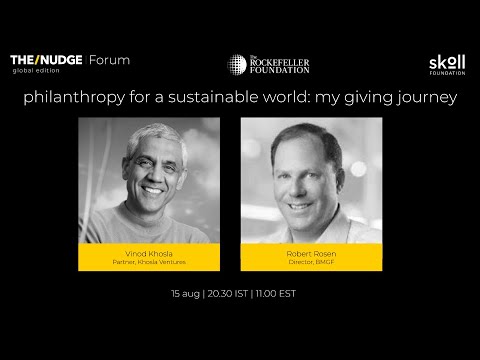
Vinod Khosla (Khosla Ventures Founder) - Philanthropy for a Sustainable World (Aug 2020)
Technology and empathy can foster innovation and progress, while systemic reforms are necessary to address inequality and global challenges. Capitalism should focus on societal needs, especially reducing inequality, while philanthropy can highlight overlooked issues and promote positive change.
Satya Nadella (Microsoft CEO) - An Insight, An Idea | DAVOS 2020 (Davos 2020)
Microsoft's approach to the digital age centers on ethical AI, stakeholder capitalism, and sustainability, balancing economic success with social responsibility and environmental stewardship. The company emphasizes the importance of data dignity and empowers individuals with control over their data usage, aiming to create a more inclusive and sustainable digital future.
Ray Dalio (Bridgewater Founder) - The Jordan Harbinger Show (Aug 16, 2020)
Ray Dalio's philosophy encompasses not just investment strategies but also broader life principles, emphasizing the importance of understanding historical cycles, emotional intelligence, and open dialogue in decision-making. He also highlights pressing societal issues like wealth inequality and the rise of China, advocating for a more informed and balanced approach to both personal development and global challenges.

Fei-Fei Li (Stanford Professor) - Octopus, Kittens & Babies (Jul 2020)
Computer vision has evolved from neural network algorithms to play a pivotal role in robotics and AI, with deep learning and ImageNet marking a turning point. Cognitive neuroscience has influenced computer vision's focus on object recognition and relationship understanding, while robotics emphasizes the link between perception and action.
Jerry Yang (Yahoo Founder) - Bootcamp -2020 | Scaling Up (Jul 2020)
Young Sohn and Jerry Yang emphasized innovation, entrepreneurship, and adaptability during challenging times, while highlighting the importance of trust, collaboration, and long-term thinking in business and investment.
Larry Fink (BlackRock Co-founder) - Fundamental Reshaping of Finance (Jul 2020)
Climate change is a significant investment risk, and companies must adapt to its physical impacts to maintain stability. Sustainability and stakeholder capitalism are crucial for long-term success, and ESG reporting transparency is essential for investors to evaluate companies' sustainability performance.
Alexandr Wang (Scale AI Co-founder) - Conversation with Index Ventures (Jul 2020)
Alex Wang's journey from academic roots to AI trailblazer highlights the transformative power of technology and the importance of persistence and adaptability in the ever-changing technological landscape. His insights into AI's role in business and society offer a lens into the future of technology, underscoring the importance of data, people, and ethical considerations.
Alan Kay (VPRI Co-founder) - Discussing R&D at Beijing Academy of AI (Jul 2020)
Xerox PARC's visionary research culture and Alan Kay's emphasis on aesthetics and unconventional funding led to transformative innovations like the graphical user interface. To foster future breakthroughs, funding agencies should encourage long-term research and autonomous environments that promote risk-taking and experimentation.

Lukasz Kaisar (Google Brain Research Scientist) - Day 4 (Jul 2020)
Transformer models revolutionized NLP by parallelizing processing and employing the self-attention mechanism, leading to faster training and more efficient long-sequence modeling. Transformers' applications have expanded beyond NLP, showing promise in fields like time series analysis, robotics, and reinforcement learning.
Ratan Tata (Tata Group Chairman Emeritus) - Message to India's youth on their power, potential, and purpose in India's progress (Jul 2020)
Ratan Tata's insights on resilience, innovation, and ethical leadership offer guidance for navigating unprecedented challenges, emphasizing unity, cooperation, and balancing business goals with ethical considerations. His experiences during the COVID-19 pandemic highlight the importance of stakeholder values and the potential of youth and innovation in shaping a better future.
Vitalik Buterin (Ethereum Co-founder) - Mechanism Design in Political Theory (Jun 2020)
Vitalik Buterin views blockchains as tools for alternative organizational structures and advocates for decentralization to enhance robustness and reduce overfitting in markets and systems. Buterin also proposes innovative mechanisms like quadratic funding for public goods and explores the potential of decentralized solutions in various fields, from law to identity verification.

Steven Chu (Stanford Professor) - 2020 AAAS Annual Meeting President's Address (Jun 2020)
Science policy, effective communication, and collaboration are crucial to address global challenges like climate change and misinformation. Expanding scientific understanding and engagement is urgent, requiring innovative approaches to science education and communication.
John Hennessy (Alphabet Chairman) - 25 Years of John Hennessy and David Patterson (Jun 2020)
The Boston Computer Museum preserves the history of computing technology, showcasing artifacts like the Johnny Ack machine and Cray supercomputers. Hennessy and Patterson's RISC project revolutionized computer architecture, leading to the development of SPARC and RAID technologies.

Steven Chu (Stanford Professor) - Past Lessons and Energy Storage for Deep Renewables Adoption (Jun 2020)
Government programs and global collaborations have driven advancements in clean energy, but challenges remain in energy storage and renewable energy penetration. Technological innovations like battery cost reduction and carbon pricing are key to driving meaningful change in climate action.
Robert Smith (Vista Equity Partners Founder) - TIME100 Talks (Jun 2020)
Robert F. Smith's initiatives aim to address the student debt crisis for African Americans, hindering wealth accumulation and economic mobility, and he calls for collective action and corporate responsibility to uplift underserved communities.

Ratan Tata (Tata Group Chairman Emeritus) - Ratan Tata Exclusive (May 2020)
Entrepreneurs face unprecedented challenges and opportunities in the post-pandemic world, requiring resilience, adaptability, and innovation to thrive. The pandemic has catalyzed a shift toward digitalization, remote work, and innovation, creating opportunities for entrepreneurs to transform industries and redefine consumer expectations.
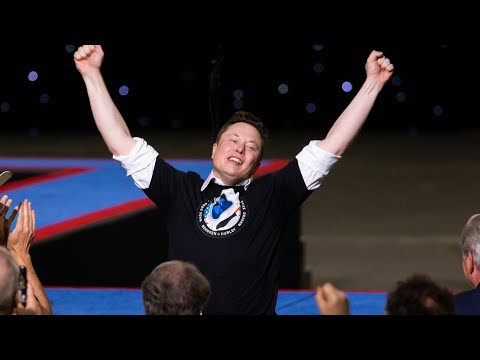
Elon Musk (SpaceX Co-Founder) - SpaceX Demo 2 Post Launch Press Conference (May 2020)
The SpaceX Demo-2 mission, a collaborative effort between NASA and Elon Musk's SpaceX, marked a critical advancement in U.S. space exploration and serves as a cornerstone for future international space initiatives. The mission symbolized a collective achievement in technological prowess, leadership, and safety, while also laying the groundwork for future multi-planetary endeavors and commercial space travel.
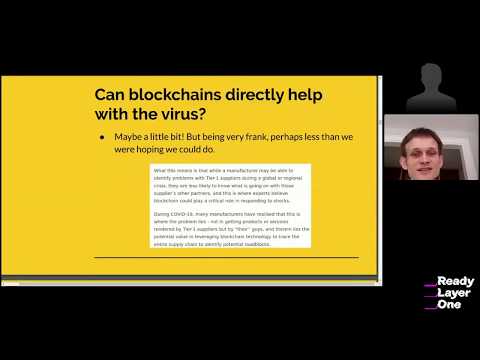
Vitalik Buterin (Ethereum Co-founder) - Cryptography and Cryptocurrency (May 2020)
Blockchain technology and decentralization are reshaping power structures, politics, and financial systems, offering solutions to contemporary global challenges. These advancements drive innovation, security, and resilience, but require a delicate balance between centralization and decentralization for optimal functionality.
Robin Hayes (JetBlue CEO) - On Covid-19 pandemic and the Airline Industry (May 2020)
The airline industry has implemented comprehensive safety measures to foster passenger confidence amid COVID-19, including JetBlue's "Safety from the Ground Up" program. Industry challenges include social distancing in airports, seat configurations, and the slow recovery of business travel.
Dean Kamen (Deka Research Founder) - Transforming Care by Doing the Impossible (Apr 2020)
Dean Kamen is a medical innovator, education advocate, and water purification pioneer who has revolutionized healthcare, inspired young minds, and addressed global water scarcity. His inventions and initiatives, including FIRST and water purification machines, have had a profound impact on humanity.
Vitalik Buterin (Ethereum Co-founder) - Internet Money [Bankless Podcast] (Apr 2020)
Vitalik Buterin sees Bitcoin and Ethereum as specializing in different areas, with Bitcoin being an asset and store of value and Ethereum valuing the network over the asset. Cryptocurrencies offer diverse use cases beyond payments and subscriptions, leading to fierce competition for global liquidity.
Elon Musk (Tesla CEO) - Hack Club AMA (Apr 2020)
In a comprehensive Q&A session with Hack Club, Elon Musk discussed a wide range of topics including the importance of computer science education, technological advancements like Brain-Computer Interfaces and cryonics, and societal issues such as media ethics and climate change. Musk emphasized the role of innovation in problem-solving, advocated for a carbon tax to align capitalism with environmental concerns, and critiqued the current media landscape, calling for a shift towards citizen journalism.
Bill Gates (Gates Foundation) - Code Break 5.0 (April 22, 2020)
Code.org's "Code Break" event served as a large-scale interactive digital classroom, featuring topics from disease simulation to technology's role in crisis management and education, with special guest Bill Gates. Aimed at fostering global digital literacy, the event engaged a diverse, worldwide audience through live Q&A, coding exercises, and discussions on the real-world applications of coding skills.
Satya Nadella (Microsoft CEO) - LinkedIn News (Mar 2020)
Satya Nadella's growth mindset transformed Microsoft's culture, emphasizing continuous learning, empathy, and curiosity as keys to success, and creating a successful business model that harmonizes the needs of customers, employees, partners, and investors.
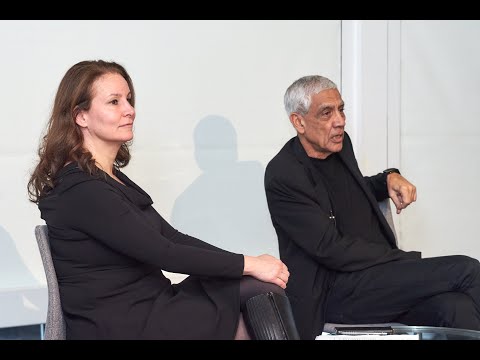
Vinod Khosla (Khosla Ventures Founder) - Deep Tech Health | ApplySci Silicon Valley (Mar 2020)
AI's increasing role in healthcare promises enhanced efficiency and accuracy in medical interventions, from disease detection to personalized treatments. By harnessing data and sensors, AI is revolutionizing healthcare and redefining the roles of healthcare providers.

Raghuram Rajan (University of Chicago Professor) - On Entreprenuership | Wealth Standard Podcast (Mar 2020)
Raghuram Rajan's economic philosophy emphasizes creating opportunities for individuals to reach their full potential through a combination of liberal markets, a strong social safety net, and an empowering environment. He believes that community plays a vital role in shaping individual success, providing early education, values, and identity formation.
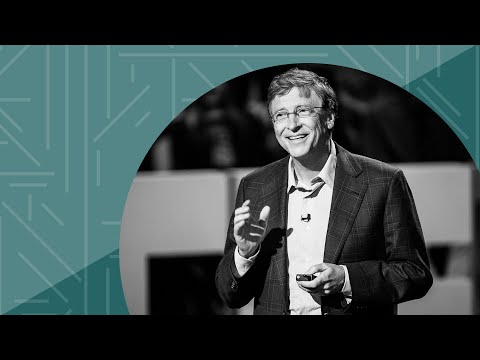
Bill Gates (Gates Foundation) - How we must respond to the coronavirus pandemic | TED (March 24, 2020)
In an extensive interview, Bill Gates discussed the multifaceted challenges of the COVID-19 pandemic, emphasizing the need for a data-driven, cohesive strategy that includes mass testing, stringent isolation, and global collaboration. He also stressed the vital roles of technology and economic considerations, criticized the world's lack of pandemic preparedness, and urged a balanced focus on public health and economic impacts.
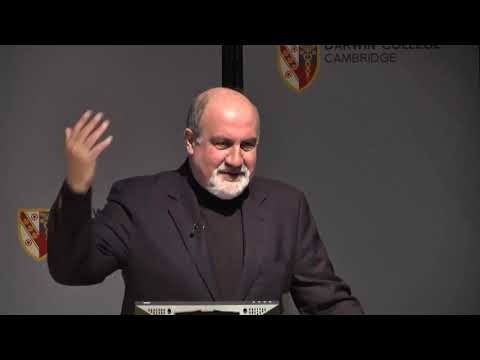
Nassim Nicholas Taleb (Scholar Investor) - Extreme events and how to live with them | Darwin College (Feb 2020)
Fat tails challenge conventional statistical methods, requiring specialized approaches for data analysis, risk assessment, and economic modeling. The prevalence of fat tails in real-world scenarios necessitates a paradigm shift in how we approach these areas.
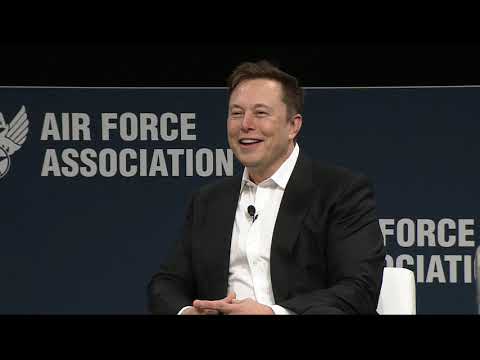
Elon Musk (SpaceX Co-Founder) - Air & Space Forces Association (Feb 2020)
In a recent AFA symposium, Elon Musk and Lieutenant General John Thompson emphasized the need for radical innovation in the U.S. aerospace sectors, particularly focusing on transforming the Department of the Air Force into an innovation hub to maintain technological competitiveness, especially against China. Musk advocated for a reimagining of risk-reward structures, outcome-based procurement, full rocket reusability, and fostering an internal culture of innovation, while also touching upon the geopolitical implications and the public's role in pushing for disruptive advancements.
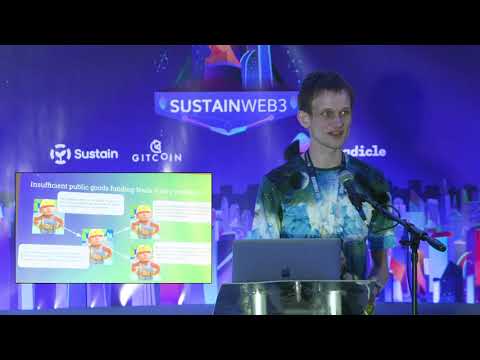
Vitalik Buterin (Ethereum Co-founder) - SustainWeb3 (Feb 2020)
Cypherpunks focused on one-to-one transactions and overlooked the importance of public goods, leading to a funding gap in digital spheres. Lack of adequate public goods funding affects resource allocation and aligns incentives toward profit-driven ventures.

Graham Allison (Harvard University Professor) - Thucydides Trap | Munich Security Conference (Feb 2020)
The Thucydides Trap suggests that rising powers often clash with established powers, and the US-China relationship presents a modern example of this dynamic. Learning from historical cases and using strategic measures can help prevent conflict and promote cooperation between the two countries.
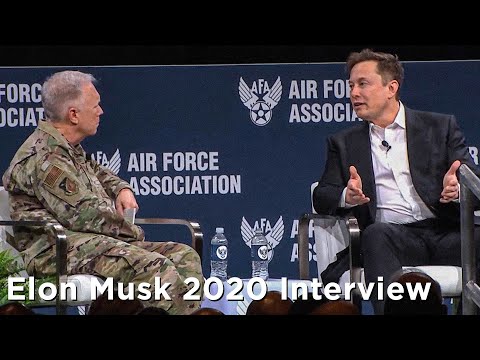
Elon Musk (SpaceX Founder) - Interview @ Air Warfare Symposium (Feb 2020)
In a discussion with Lieutenant General John Thompson, Elon Musk emphasized the imperative of radical innovation in both private industries and U.S. national defense for maintaining global competitiveness. He addressed challenges in sustaining innovation within production environments, the importance of reusability in space technology, and the evolving landscape of air warfare, among other topics.
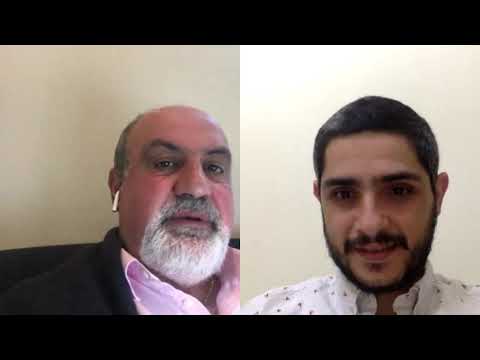
Nassim Nicholas Taleb (Scholar Investor) - Current Lebanese Political and Economic Situation (Jan 2020)
Lebanon's economic crisis stems from unsustainable borrowing, patronage system, and banks' involvement, while Riyad Salameh advocates for subsidiarity, localism, and rejection of failed socialist policies to address these challenges.
Jeff Bezos (Amazon Founder) - Bezos: The 21st Century is Going to Be India’s (Jan 2020)
At a summit focused on India's Small and Medium-sized Businesses (SMBs), Amazon's Jeff Bezos announced a $1 billion investment to digitize 10 million SMBs by 2025 and discussed a range of topics from leadership principles to climate goals. The summit highlighted Amazon's multi-faceted strategy in India, including bolstering the "Make in India" initiative, fostering U.S.-India alliances, and addressing long-term challenges like sustainability and space exploration.

Jeff Bezos (Amazon Founder) - Fireside Chat with Shah Rukh Khan & Zoya Akhtar (Jan 2020)
In the dialogue, Jeff Bezos offers insights into his multi-dimensional approach to life and business, emphasizing the importance of customer satisfaction, ethical choices, and partnerships with small retailers in Amazon's success. He also explores personal philosophies like time management and admiration for Mahatma Gandhi, his space venture Blue Origin aimed at tackling climate change, and the overarching theme of making informed choices in various aspects of life.
Charlie Munger (Berkshire Hathaway Vice Chairman) - Interview with S. Resnick and D. Riordan (Jan 2020)
Charlie Munger's insights blend investment sagacity with reflections on life, society, and longevity, while Stuart Weitzman emphasizes future-oriented thinking in acquisitions and concerns about wealth disparity.

Alan Kay (VPRI Co-founder) - FUTUREWEI Workshop (Dec 2019)
Heuristics, combined with visionary thinking and the fusion of art and technology, can revolutionize computing and redefine our interaction with technology. By embracing creativity, robust funding, and an environment that fosters innovation, we can unlock the true potential of computing and shape a future where technology seamlessly integrates with our cognitive and cultural needs.
Vitalik Buterin (Ethereum Co-founder) - Cryptoeconomics in 30 Minutes (Dec 2019)
Crypto-economics, which combines economic incentives with cryptographic security, has revolutionized blockchain technology, enabling secure and efficient systems like Ethereum. Scalability solutions such as interactive computation and zk-SNARKs enhance blockchain performance by verifying complex computations off-chain.

Masayoshi Son (SoftBank Founder) - Tokyo Forum 2019 Shaping the Future (Dec 2019)
Masayoshi Son and Jack Ma's enduring partnership exemplifies visionary leadership and shared beliefs, shaping the global tech landscape through investment, innovation, and AI. Their distinct philosophies emphasize talent empowerment, personal growth, and long-term vision for their companies' impact on society.
Jennifer Doudna (UC Berkeley Professor) - Genome Editing with CRISPR-Cas Systems (Dec 2019)
CRISPR-Cas9, a revolutionary gene-editing tool, has vast implications in biomedicine, agriculture, and diagnostics, but its use raises complex ethical considerations. CRISPR-Cas9 shows promise in treating blood disorders and exploring cancer immunotherapy, while ethical discussions focus on germline editing and equitable access.

Alan Kay (VPRI Co-founder) - International Multimedia Forum 30th Anniversary (Dec 2019)
The evolution of computing and media highlights the missed opportunities for innovation, especially in web design and interconnectivity, while emphasizing the need for a more dynamic and interconnected approach in personal computing. Unseen realities and their consequences, such as the environmental impact of technology and the influence of media on human cognition, call for a holistic understanding and critical evaluation of current technologies.

Nathan Myhrvold (Intellectual Ventures Co-founder) - News 8 WROC Interview (Nov 2019)
Nathan Myhrvold's journey shows how embracing diverse interests and careers can lead to groundbreaking achievements and personal fulfillment. His story symbolizes the ongoing evolution of photography driven by technological innovation, promising new horizons for creative exploration.
Ray Dalio (Bridgewater Founder) - Interview With Tom Bilyeu (Nov 26, 2019)
Ray Dalio's philosophy centers on the importance of facing setbacks, humility, and continuous learning for both personal and professional success. He advocates for radical transparency, principle-based decision-making, and mental alignment, emphasizing their universal applicability for effective problem-solving and fulfillment in various aspects of life.

Elon Musk (SpaceX Co-founder) - lecture at the Royal Aeronautical Society (Nov 2019)
The article outlines Elon Musk's comprehensive vision for SpaceX, tracing its journey from early failures to pioneering rocket reusability and aiming for Mars colonization. It emphasizes the key roles of technological innovation, economic efficiency, and reliability in SpaceX's evolving business model and its broader mission to make space travel more accessible and sustainable.

Peter Thiel (Facebook Board of Directors) - Wriston Lecture - End Computer Age (Nov 2019)
Peter Thiel's lecture explores the multifaceted implications of scale in modern life, emphasizing the need for a balanced, innovative, and responsible approach to scaling in various domains. Thiel argues for transformative innovations and critiques the modest ambitions of our technological era.
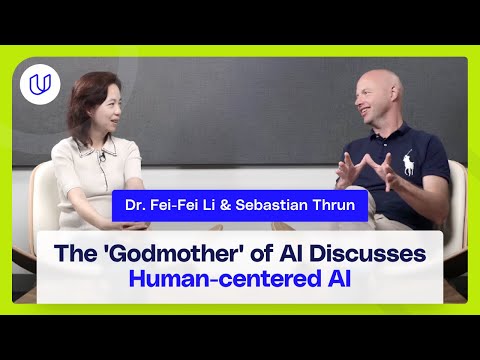
Fei-Fei Li (Stanford Professor) - Udacity Thought Leader Series (Nov 2019)
AI pioneer Fei-Fei Li advocates for a human-centered approach to AI, emphasizing its role in augmenting human capabilities and addressing societal impacts. Li envisions AI revolutionizing healthcare delivery, assisting clinicians, and improving patient care.
Sebastian Thrun (Stanford Adjunct Professor) - Udacity Thought Leader Series (Nov 2019)
Bing Gordon and Jeff Bezos emphasize the importance of customer focus and engaging experiences in gaming and leadership, while Sebastian Thrun advocates for innovative learning methods that prioritize student engagement and practical application of knowledge.
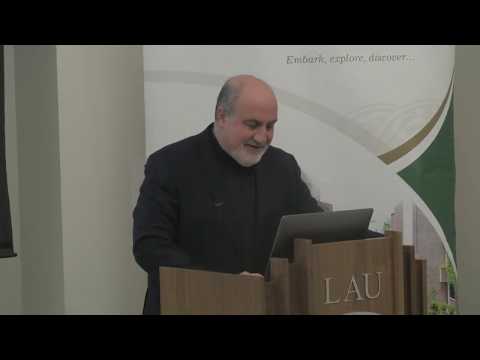
Nassim Nicholas Taleb (Scholar Investor) - Localism and its Application to Lebanon (Nov 2019)
Localism emphasizes individual control, voluntary agreements, and respect for diversity, while complex systems theory explores how interactions between agents lead to emergent properties and collective outcomes.
Bill Gates (Gates Foundation) - Bill Gates on AI, Climate, Carbon Tax, Nuclear Power, China (Nov 21, 2019)
Bill Gates outlines a comprehensive approach to combating climate change that emphasizes the need for a diversified energy portfolio, public awareness, and global cooperation. He advocates for innovation in renewable and nuclear energy, acknowledges the complexities of policy and public perception, and stresses the importance of tackling emissions across industrial and agricultural sectors.
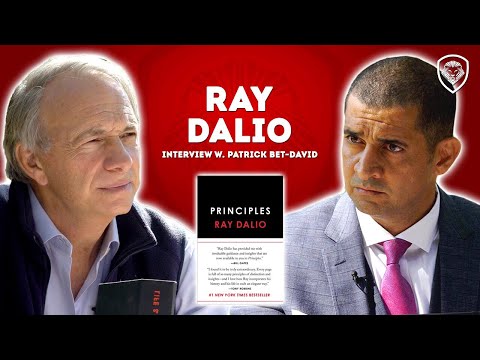
Ray Dalio (Bridgewater Founder) - Interview With Patrick Bet-David (Nov 15, 2019)
Ray Dalio, founder of Bridgewater Associates, emphasizes the importance of risk management and diversification in investing while also addressing geopolitical complexities, particularly U.S.-China relations, and social issues like America's widening wealth gap. He advocates for a multifaceted approach to both finance and life, stressing the need for humility, open-mindedness, and adaptability in systems like capitalism and socialism.

Robert Smith (Vista Equity Partners Founder) - Remarks at The New York Academy of Medicine (Oct 2019)
Robert F. Smith's visionary philanthropy emphasizes comprehensive healthcare, education, historical preservation, and social justice, aiming to address health disparities and empower African American communities. His commitment to preserving African American history, ensuring equal access to education and healthcare, and promoting diversity in technology showcases the transformative potential of targeted philanthropy.

Vinod Khosla (Khosla Ventures Founder) - Siraj Raval Podcast (Oct 2019)
Vinod Khosla advocates for a learning-centric education, ethical use of emerging technologies, and community-centric business practices. He believes significant innovations come from startups, not large companies, and encourages entrepreneurship to address societal issues.

Rodney Brooks (Robust.ai Co-founder) - Unix50 - The Great Robot Migration from Embedded Isles to Unix-ville (Oct 2019)
Robots have evolved from simple machines to sophisticated entities capable of navigating complex environments, and Unix-based operating systems have become the dominant platform for robot control due to their versatility and computational power.
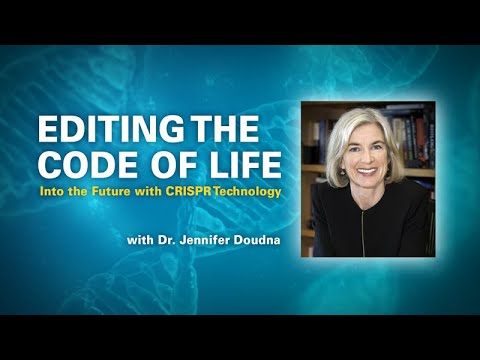
Jennifer Doudna (UC Berkeley Professor) - Into the Future with CRISPR Technology (Oct 2019)
CRISPR-Cas9 revolutionized genome engineering, allowing precise DNA editing and opening up new possibilities in medicine, agriculture, and biotechnology. CRISPR's simplicity and wide applicability have fueled rapid adoption across diverse fields of research and biotechnology.
Franz von Holzhausen (Tesla Chief Designer) - Ride the Lightning Podcast (Oct 2019)
Tesla's design philosophy emphasizes simplicity, functionality, and timeless appeal, with a focus on creating products that integrate autonomy, comfort, and functionality seamlessly. Tesla's design team faces challenges in balancing interior space, aerodynamic efficiency, and integrating technology without overwhelming the design.

Dean Kamen (Deka Research Founder) - Righteous Media Podcast (Oct 2019)
Dean Kamen's innovative mobility devices, like the iBot wheelchair, have revolutionized mobility for individuals with disabilities, while his work with DARPA has advanced prosthetic technology. Despite regulatory challenges, Kamen advocates for responsible integration of new technologies and inspires young minds through his FIRST Robotics program.
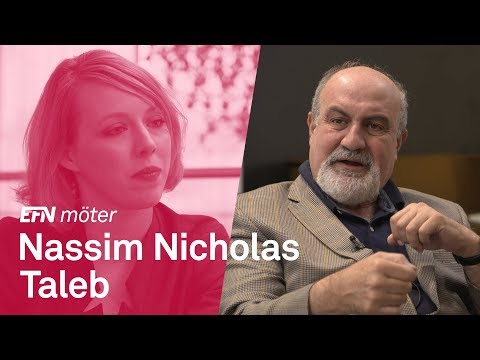
Nassim Nicholas Taleb (Scholar Investor) - Skin in the Game (Oct 2019)
Understanding risk, appearance, and craftsmanship in modern economics is crucial, as personal accountability and risk-taking shape financial decisions and passion and attention to detail create meaningful products.

Fei-Fei Li (Stanford Professor) - Who would change AI? (Oct 2019)
Diverse leaders like Tali, Sophia, and Becca are shaping AI towards inclusivity and broader societal good, emphasizing the importance of diverse perspectives in AI development. Fei-Fei Li advocates for diverse thinkers in AI to create technologies that truly serve society's needs and address the dual nature of technology.
Ray Dalio (Bridgewater Founder) - Tony Robbins Podcast pt 2 (Oct 2019)
In a discussion between Tony Robbins and Ray Dalio, the focus ranges from investment strategies and the psychology of market participation to traits that define successful leadership and the importance of principles in decision-making. They emphasize a balanced approach to investing, caution against the pitfalls of market timing, explore the volatile nature of digital currencies, and advocate for principles as a guiding force in both personal and collective life.
Bill Gates (Gates Foundation) - Stephen Hawking Fellowship Lecture @ Cambridge (Oct 16, 2019)
In his 2019 Stephen Hawking Fellowship Lecture, Bill Gates discussed the pivotal role of innovation in addressing global health issues such as malnutrition and preventable diseases, while also highlighting the economic benefits of health advancements. He emphasized that future healthcare will shift from merely "saving lives" to "improving lives," and stressed the importance of long-term efforts and global cooperation in overcoming challenges like malaria, HIV, and health inequities.
Jensen Huang (Nvidia Co-founder) - AI Keynote Session at MSOE (Sep 2019)
Jensen Huang's visionary leadership has made NVIDIA a global leader in AI and graphics, revolutionizing technology and computation. Huang's strategic decisions and commitment to innovation have shaped NVIDIA's culture and success, transforming industries from gaming to healthcare.
John Hennessy (Alphabet Chairman) - Heidelberg Laureate Forum (Sep 2019)
John Hennessy, born in New York and raised in Long Island, became a pioneer in computer science through his work on RISC technology and contributions to Silicon Valley's growth. Hennessy's transition from research to administration shows the balance between maintaining scholarly rigor and embracing leadership.

Bill Gates (Gates Foundation Founder) - Poverty Alleviation in Pakistan (Sept 2019)
The ASAS program, a collaboration between the Pakistani government and the Gates Foundation, aims to alleviate poverty through a multi-sectoral approach comprising 134 policies organized under four pillars: government system equality, safety nets, jobs and livelihoods, and human capital formation. Utilizing technology for efficient resource disbursement and targeting multiple disadvantaged demographics, the program involves 34 federal ministries and prioritizes governance, diverse partnerships, and analytics for measuring success.
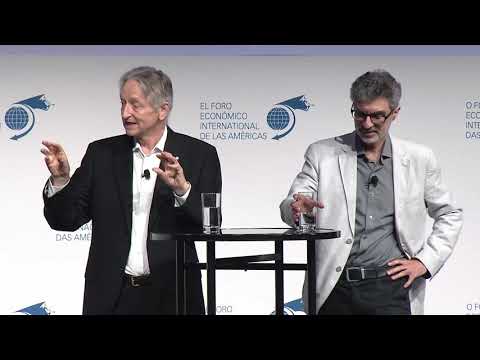
Geoffrey Hinton (Google Scientific Advisor) - The AI Revolution | Toronto Global Forum (Sep 2019)
Deep learning, inspired by the human brain, has revolutionized AI, leading to advancements in diverse fields, but its future depends on ethical practices, regulation, and international cooperation.

Elon Musk (SpaceX Co-Founder) - Starship Update (Sep 2019)
Elon Musk outlined SpaceX's comprehensive strategy for advancing space exploration, emphasizing the existential importance of making life multi-planetary and the technological innovations required, particularly rapid rocket reusability. He addressed potential criticisms about resource allocation, estimated the logistical needs for a self-sustaining Martian city, and highlighted the urgent need for action, all while acknowledging regulatory and economic challenges.
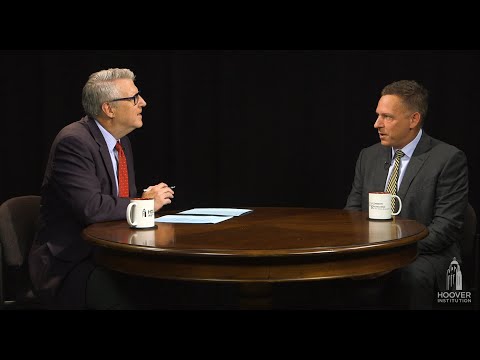
Peter Thiel (Facebook Board of Directors) - The Straussian Moment (Sep 2019)
Peter Thiel observed a concerning shift from rationalism to entertainment and criticized the devaluation of intellectual engagement and political participation in modern culture. He also discussed the adversarial nature of politics and the need to acknowledge violence's role in human nature.
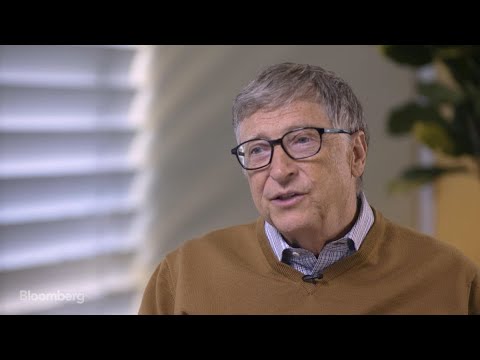
Bill Gates (Gates Foundation) - on Global Inequality, Climate Change and Big Tech (Sep 16, 2019)
Bill Gates discusses the importance of a multifaceted approach to addressing pressing global issues like inequality, climate change, and the role of technology. He emphasizes the need for public awareness, political will, and effective philanthropy, while also expressing optimism about scientific advancements and advocating for engagement in international cooperation.

Robert Smith (Vista Equity Partners Founder) - Fireside Chat with Byron Allen & Robert Smith | 2019 Greenwich Economic Forum (2019)
Byron Allen overcame early challenges and financial struggles to build a media empire, focusing on content and strategic partnerships. He sees content as the new oil and aims to become the "Rockefeller of content."

Lee Hsien Loong (Singapore Prime Minister) - Shangri-La Dialogue (2019)
Southeast Asia's geopolitical evolution includes colonial rivalries, formation of ASEAN for dialogue and cooperation, and China's rising influence shaping regional dynamics. US-China power dynamics impact global stability, necessitating cooperative engagement on issues like nuclear non-proliferation and climate change.
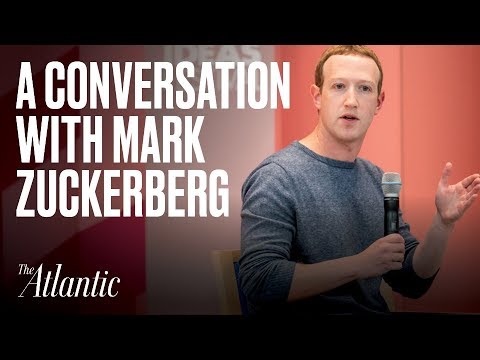
Mark Zuckerberg (Facebook Co-founder) - Discussion with Cass Sunstein (Jul 2019)
Regulation is essential for addressing issues of election integrity, data privacy, and user control over personal data, while mergers can drive innovation and reduce costs, benefiting consumers. Self-regulation through independent oversight can help ensure adherence to democratic principles in the digital age.

Rodney Brooks (Robust.ai Co-founder) - AI and Robotics (Jul 2019)
Rodney Brooks, a pioneer in robotics and AI, expects gradual introduction of self-driving cars with limited capabilities and downplays fears of super AI, emphasizing the need for robots in various sectors to address labor shortages.
Bill Gates (Microsoft Co-founder) - Interview with Eric Horvitz (July 2019)
The Faculty Summit hosted by Microsoft Research focused on the "Future of Work," discussing the transformative potential of technologies like AI, machine learning, and augmented reality in various sectors including healthcare, education, and agriculture. Bill Gates emphasized a balanced approach to automation, the importance of policy considerations, and the need for a more inclusive, global perspective on work-related challenges.

Peter Thiel (Facebook Board of Directors) - An Era of Stagnation & Universal Institutional Failure (Jul 2019)
Progress in science and technology has stagnated since the 1970s, especially outside the digital field, due to factors like overspecialization, overregulation, and a lack of purpose in education. Thiel and Weinstein believe that overcoming cultural, educational, and institutional obstacles is necessary for progress in non-digital fields.
Satya Nadella (Microsoft CEO) - Fireside Chat with Microsoft CEO, Satya Nadella and Arista CEO, Jayshree Ullal (Jun 2019)
Satya Nadella envisions a cloud-centric future with distributed computing and a unified operating model, while emphasizing the importance of agility, harmony, and mindfulness in leadership and personal life.
Peter Thiel (Facebook Board of Directors) - DealBook Conference (Jun 2019)
Tech industry's pivotal moments like Yahoo's failed Facebook acquisition and Twitter's branding evolution highlight the impact of leaders' decisions and challenges like gender disparity and educational changes. Mission-driven investments and founder traits like unwavering vision and confidence shape tech's trajectory.

Jennifer Doudna (UC Berkeley Professor) - Microbiology Society Price - Accepted by Dr. Fellmann (Jun 2019)
CRISPR-Cas technology has revolutionized gene editing and precision medicine, enabling precise DNA manipulation for drug discovery, disease modeling, and potential therapies. Innovations in controlling CRISPR-Cas activity and enhancing its specificity expand its applications and therapeutic potential.
Nikesh Arora (Palo Alto Networks CEO) - Ignite 19 Keynote (Jun 2019)
Palo Alto Networks emphasizes constant innovation, collaborative partnerships, and cloud security to address evolving cyber threats, while aiming to secure the enterprise, embrace the cloud, and anticipate industry shifts. The company strives to be an inclusive leader in cybersecurity, offering integrated solutions and promoting data privacy through automation.
Raghuram Rajan (University of Chicago Professor) - How the Loss of Communities Threatens Society (Jun 2019)
Communities, the overlooked pillar of society, provide identity, belonging, and purpose, but their decline leads to societal issues like inequality and populism. Inclusive localism, granting communities control over their affairs, is key to fostering resilience and prosperity in a globalized world.
Jeff Wilke (Amazon CEO of worldwide consumer) - CNBC interview (Jun 2019)
Jeff Wilke, CEO of Amazon Worldwide Consumer, outlines Amazon's adaptive strategies that encompass navigating antitrust scrutiny through customer focus and innovation, leveraging AI for operational efficiency and user experience, and prioritizing employee welfare. The discussion also touches on Amazon's evolving logistics, third-party seller integration, ongoing challenges like counterfeiting, and future prospects in shopping, delivery, and voice technologies.
Paul Volcker (USA Former Chairman of the Federal Reserve) - The EMU and World Finance (Jun 2019)
Paul Volcker's career and views on the European monetary union offer insights into the complex interplay between economic policies and global financial stability. The journey of the euro reflects the dynamic interplay of economic policies, monetary management, and global financial stability.
Lee Hsien Loong (Singapore Prime Minister) - Shangri-La Dialogue Opens (Jun 2019)
A comprehensive research program by IISS focuses on regional and global strategic issues, including cybersecurity, European defense, and Asian dynamics. Southeast Asia's past and current strategic landscape, as well as global cooperation in the face of rising hostility and instability, are highlighted.

Vitalik Buterin (Ethereum Co-founder) - Vitalik Buterin and Vlad Zamfir - Blockchain Scalability Debate (Jun 2019)
Vitalik and Vlad's partnership has revolutionized blockchain technology with their focus on decentralization and the Casper protocol for scalability and efficiency. Blockchain's societal impact is uncertain, depending on legal and political factors, but it has the potential to challenge traditional corporate models and empower individuals.
Satya Nadella (Microsoft CEO) - Microsoft Build Vision Keynote (May 2019)
Microsoft's recent initiatives showcase its commitment to responsible and trustworthy technology, with a focus on integrating it into business and life. The company's innovations, ranging from Azure's expansion to AI advancements, redefine technology's role in society and set new industry standards.
Sam Altman (OpenAI Co-Founder) - in conversation with StrictlyVC (May 2019)
Sam Altman, Chairman of Y Combinator and President of OpenAI, discusses the importance of stable backgrounds for startup success, the efficiency of Y Combinator's selection process, and OpenAI's ethical approach to developing artificial general intelligence. He navigates complex issues in both entrepreneurship and technology, emphasizing hard work, ethical considerations, and the global impact of startups.
Geoffrey Hinton (Google Scientific Advisor) - Does the brain do backpropogation? (May 2019)
Geoffrey Hinton, a pioneer in deep learning, has made significant contributions to AI and neuroscience, leading to a convergence between the two fields. His work on neural networks, backpropagation, and dropout regularization has not only enhanced AI but also provided insights into understanding the human brain.
John Hennessy (Alphabet Chairman) - Language Consortium Keynote (May 2019)
Computer architectures have evolved from RISC to domain-specific, quantum, and AI-centric designs, emphasizing energy efficiency and specialized solutions for specific applications. The future of computing lies in exploring new architectures and technologies to overcome performance and energy limitations.

Charlie Munger (Berkshire Hathaway Vice Chairman) - Advice on investing and life choices that make a person wealthy (May 2019)
Charlie Munger emphasizes rational decision-making, strong brands, and fiscal prudence, while also expressing concern about wealth inequality and global political uncertainties. He advocates for a single-payer healthcare system and reflects on his personal values and life lessons.

Amory Lovins (Rocky Mountain Institute Co-founder) - Integrative Design for Radical Energy Efficiency (May 2019)
Integrative design approaches in energy systems can unlock significant energy savings and resource conservation, potentially tripling U.S. energy efficiency and quintupling renewables by 2050. Embracing a beginner's mind and shedding assumptions allows for more creative and innovative solutions to energy efficiency challenges.
Demis Hassabis (DeepMind Co-founder) - The Power of Self-Learning Systems | Institute for Advanced Study (May 2019)
Demis Hassabis' vision for AI involves developing self-learning systems that can adapt and handle unpredicted scenarios, which could potentially surpass human capabilities. AlphaZero, a self-learning system, has demonstrated unparalleled adaptability and efficiency, revolutionizing AI and human understanding in diverse domains.

Sundar Pichai (Alphabet/Google CEO), Ruth Porat (Alphabet/Google CFO)- Alphabet 2019 Q1 Earnings Call (April 29, 2019)
In Q1 2019, Alphabet Inc. reported a 17% year-over-year increase in total revenues, reaching $36.3 billion, driven mainly by mobile search, YouTube, and cloud services, despite rising expenses and the impact of currency fluctuations. The company focused on long-term growth strategies in cloud computing, advertising, and AI, and demonstrated commitment to social responsibility and workforce development, positioning it for continued growth in a complex financial landscape.

Ilya Sutskever (OpenAI Co-founder) - Week 8 (part c) CS294-158 Deep Unsupervised Learning (Apr 2019)
Ilya Sutskever's pioneering work in AI has revolutionized image recognition, language processing, and reinforcement learning, leading to advancements in fields like gaming and natural language understanding. His contributions to deep learning and unsupervised learning have laid the foundation for the next generation of AI capabilities.

Jennifer Doudna (UC Berkeley Professor) - Unraveling CRISPR-Cas9 | University of California Television (Apr 2019)
CRISPR-Cas9 discovery revolutionized genetics with potential for disease treatment and genetic engineering, but also raises ethical, societal, and environmental concerns. Jennifer Doudna, a pioneer in the field, advocates for responsible use and thoughtful application of CRISPR-Cas9 technology.
Yuval Noah Harari (Hebrew University of Jerusalem Professor) - Yuval Noah Harari in Conversation with Fei-Fei Li, Moderated by Nicholas Thompson (Apr 2019)
Stanford experts warn of AI's potential to manipulate behavior, exacerbate inequality, and create dystopian futures, but also discuss innovative visions for a balanced AI future. The event emphasized the need for ethical considerations, human-centric values, and collaboration between humanists and technologists in shaping AI's impact on society.
Vitalik Buterin (Ethereum Co-founder) - Ethereum Singapore (Apr 2019)
Ethereum 2.0's Account Abstraction enhances flexibility, simplifies transactions, and fortifies security, propelling Ethereum towards a more user-centric and future-proof platform. By separating protocol rules from code logic, Ethereum 2.0 empowers users with greater flexibility and control over their transactions, enabling them to tailor the functionality to their specific needs.
Ilya Sutskever (OpenAI Co-founder) - GPT-2, Matroid Scaled Machine Learning Conference (Apr 2019)
GPT-2 represents a leap forward in AI, showcasing the effectiveness of scaling simple methods in reinforcement learning and unsupervised learning. GPT-2's advanced capabilities in text prediction and generation raise ethical considerations and highlight the need for responsible AI development.

Bill and Melinda Gates (Gates Foundation Co-Chairs) - The Bush Center: the Forum on Leadership (Apr 26, 2019)
The Gates Foundation employs a multi-dimensional strategy for global health and social change, building on past initiatives and advocating for sustained government involvement. Their efforts, which have already contributed to reducing child mortality rates and promoting vaccines, focus increasingly on scientific advances, financial inclusion through technology, and the particular challenges faced by Africa.
Vitalik Buterin (Ethereum Co-founder) - Decentralized finance is going to come first (Apr 2019)
Ethereum's journey illustrates blockchain's revolutionary potential, expanding beyond finance to diverse applications like decentralized finance (DeFi) and identity management, while Ethereum 2.0 promises enhanced scalability and sustainability.
Demis Hassabis (DeepMind Co-founder) - The Power of Self-Learning Systems | MIT (Apr 2019)
DeepMind's AI achievements in gaming and scientific discovery exemplify AI's potential to surpass human intelligence and solve complex real-world problems. AI's journey reflects its evolving role as a tool for understanding and innovation, with implications for healthcare, energy management, and scientific discovery.
Raghuram Rajan (University of Chicago Professor) - The Independence of Institutions (Mar 2019)
Economic crises lead to community breakdown and populism, while also paradoxically strengthening cultural icons. Governments and corporations have a responsibility to promote social well-being and preserve cultural heritage amid these challenges.
Jennifer Doudna (UC Berkeley Professor) - 2 (Mar 2019)
CRISPR-Cas9, a gene-editing technology, revolutionized genome engineering with potential applications in healthcare and agriculture but also raises ethical, legal, and social concerns, particularly with germline editing.

Vitalik Buterin (Ethereum Co-founder) - Current and Future State of Ethereum (Mar 2019)
Ethereum's future involves a shift to Proof-of-Stake, sharding, and various privacy solutions, addressing scalability and mainstream adoption challenges. Scalability solutions like State Rent and Stateless Clients aim to manage blockchain size and improve network efficiency.
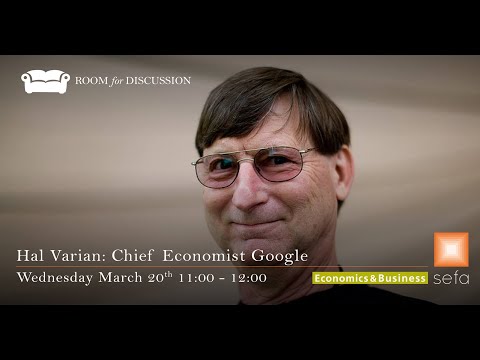
Hal Varian (Google Chief Economist) - Room for Discussion (Mar 2019)
Google's innovation and data analytics influence technological advancement, societal evolution, and ethical considerations in the digital age. Hal Varian's economic expertise guides Google's auction systems, ad revenue, and societal impact analysis.
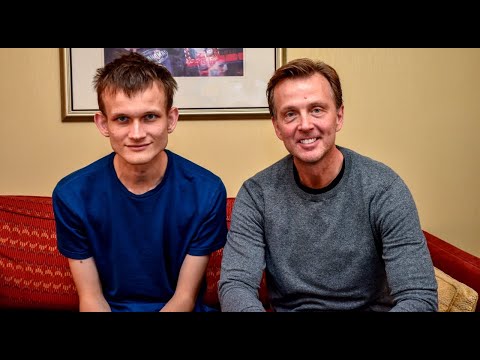
Vitalik Buterin (Ethereum Co-founder) - Crypto Bites Interview (Mar 2019)
Ethereum's journey has evolved from a platform for financial contracts to a versatile blockchain supporting diverse applications, and it faces scalability, privacy, and usability challenges. Ethereum's potential lies in its ability to reshape digital and financial systems through decentralized applications and smart contracts.

Peter Norvig (Google Director of Research) - As We May Program | Silicon Valley Deep Learning Group (Feb 2019)
Programming has dramatically evolved from strict logic instructions to assembling code from various sources, with ML revolutionizing the field and conversational AI promising a more natural user experience. The future of AI assistants relies on balancing innovation with ethical considerations, privacy, and security.
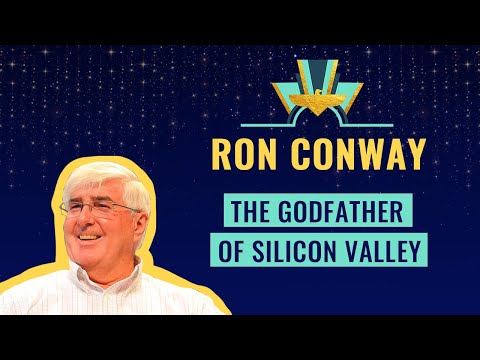
Ron Conway (SV Angel Founder) - Ron Conway (Jan 2019)
Ron Conway, a prominent angel investor, focuses on software startups and values founder traits like passion, resilience, and vision. Conway believes that successful founders have innate leadership, decisiveness, and focus, and he prioritizes founder-focused guidance and civic engagement.
John Hennessy (Alphabet Chairman) - Bloomberg Interview (Jan 2019)
John Hennessy's leadership journey emphasizes ethical decision-making, balancing innovation with responsibility, and addressing global ethical challenges faced by tech giants. He advocates for a balanced approach to technology and ethics, emphasizing the need for ethical reasoning in decision-making and responsible innovation.
Prince Turki Al Faisal (Saudi Arabia Former Government Official) - Political History of the Kingdom (Jan 2019)
Islamic jurisprudence has evolved through interpretations of Islamic texts by figures like Al-Shafi'i and Muhammad Ibn Abdul Wahab, influencing modern extremism and geopolitical challenges in the Middle East. Wahhabism's spread and conflicts led to its stigmatization, while extremist interpretations of Islam emerged from deviations in traditional teachings.
Demis Hassabis (DeepMind Co-founder) - Artificial Intelligence and the Future (Jan 2019)
Demis Hassabis, founder of DeepMind, pursued AI to bridge the gap between traditional AI's limitations and human-like flexibility, achieving advancements with AlphaGo, AlphaZero, and applications in healthcare, industry, and art. DeepMind's mission involves understanding intelligence and utilizing it to address global challenges, emphasizing general-purpose AI with learning systems inspired by neuroscience.

Diane Greene (Google SVP Google Cloud) - The Truth About Serving on Boards (Jan 2019)
Directors' roles vary across startups and large public company boards, with the former actively involved in building the company and the latter overseeing the CEO and monitoring performance. Effective board engagement involves specialized expertise, asking insightful questions, avoiding micromanagement, and fostering focused, efficient meetings.
Vitalik Buterin (Ethereum Co-founder) - Latest on Ethereum by Vitalik Buterin (Devcon4) (Dec 2018)
Ethereum 2.0 is a major upgrade to the Ethereum platform that addresses scalability, efficiency, and sustainability challenges through Proof of Stake, sharding, and other innovations. It aims to transition Ethereum into a decentralized world computer with enhanced processing capabilities and a higher degree of decentralization.
George Box (UNC Chapel Hill Professor) - Rethinking Statistics for Quality Control (Dec 2018)
Dr. George Box's work transformed quality control through insights into sufficient statistics, limitations of traditional control charts, and the development of the EWMA model for managing non-stationary processes. His focus on addressing drift and common/special causes influenced modern statistical practices.

Vitalik Buterin (Ethereum Co-founder) - Blockchain Insider Interview (Dec 2018)
Blockchain technology is evolving, with shifts towards Proof-of-Stake, sharding, and Layer 2 solutions to address scalability, energy efficiency, and security challenges. The community plays a pivotal role in shaping the technology's future, balancing innovation, security, and ethical considerations.

Charlie Munger (Berkshire Hathaway Vice Chairman) - Charlie Munger Interview, China, 2018 (Dec 2018)
Charlie Munger's long-term investment strategies emphasize value investing, patience, and avoiding market gambling mindsets. Intrinsic value and Confucian values influence his investment decisions, leading to successful outcomes in the Chinese and American markets.
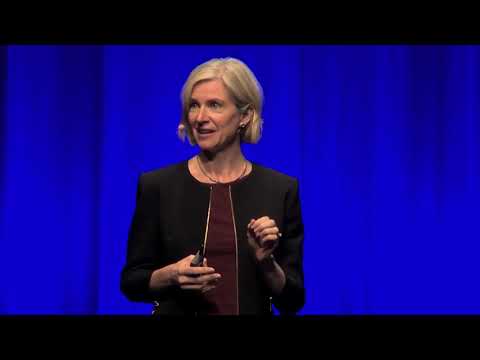
Jennifer Doudna (UC Berkeley Professor) - Galton Institute Talk (Nov 2018)
CRISPR-Cas9, a revolutionary gene-editing tool, has wide-ranging applications in biomedicine and agriculture, but also raises significant ethical concerns, particularly regarding germline editing.
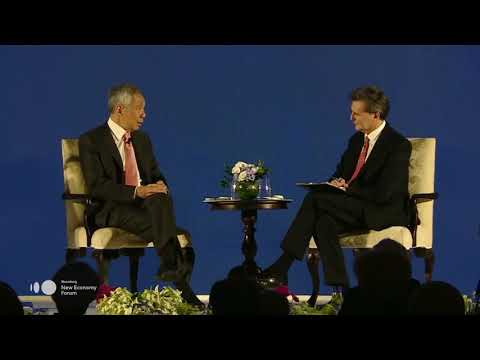
Lee Hsien Loong (Singapore Prime Minister) - Bloomberg New Economy Forum (Nov 2018)
China's growing influence sparks trade conflicts, distrust, and geopolitical shifts, while Singapore's governance model and diplomatic approach offer unique insights for regional dynamics and global challenges.

Sam Altman (Y Combinator President) - Choosing Projects, Creating Value, and Finding Purpose (Nov 2018)
Sam Altman discusses a comprehensive philosophy for personal and professional success that includes managing cognitive load, regular reflection, balanced work commitments, and preparation for the impact of Artificial General Intelligence (AGI). He also highlights unconventional learning tools like angel investing and poker, the importance of emotional resilience, and the need for a focused yet open approach to opportunities.
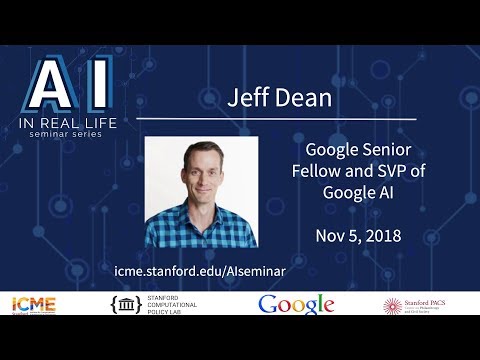
Jeff Dean (Google Senior Fellow) - Deep Learning to Solve Challenging Problems (Nov 2018)
Machine learning revolutionizes technology and healthcare, from autonomous vehicles to healthcare informatics. Deep learning algorithms require substantial computational resources and reduced precision arithmetic.
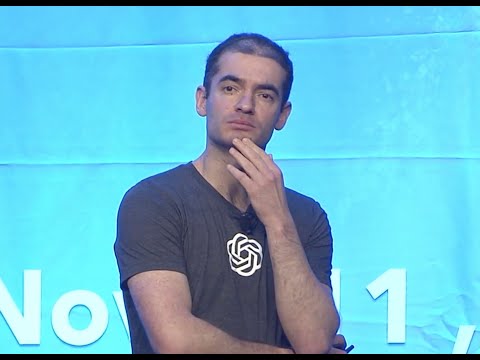
Ilya Sutskever (OpenAI Co-founder) - Recent Advances in Deep Learning and AI from OpenAI (Nov 2018)
OpenAI seeks to develop artificial general intelligence to benefit humanity, showcasing advancements in deep learning and robotics. Reinforcement learning has evolved to reward agents for seeking novelty, leading to breakthroughs in challenging games.
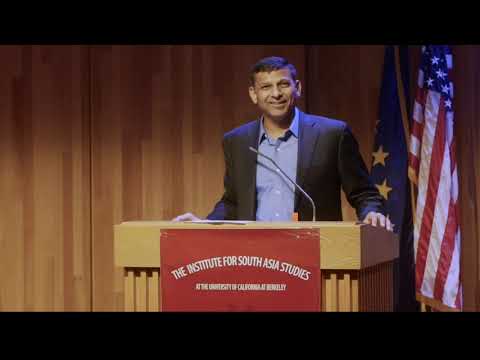
Raghuram Rajan (University of Chicago Professor) - Is India Ready for the 21st Century? (Nov 2018)
India faces challenges despite rapid economic growth, including job creation, infrastructure development, and fiscal deficit. India has made strides in banking inclusivity, digital payments, and resource allocation transparency, but needs to address human capital and governance issues.
Satya Nadella (Microsoft CEO) - Blitzscaling with Microsoft CEO Satya Nadella and Greylock Partner Reid Hoffman (Nov 2018)
Satya Nadella's leadership at Microsoft emphasizes a growth mindset, responsible scaling, and ethical considerations, leading to a profound cultural shift and the adoption of blitzscaling. Nadella's approach highlights the importance of privacy, regulatory compliance, and board alignment in a rapidly evolving technological landscape.
Bill Gates (Microsoft Co-founder) - on Startups, Investing and Solving The World's Hardest Problems (Nov 2018)
In the "Lessons from Luminaries" event, Bill Gates discussed the vital role of long-term vision and effective team building in the success of both entrepreneurship and philanthropy, highlighting the importance of metrics, international cooperation, and adaptability. He also touched on various global issues like education, poverty, and the future of technology, underscoring the interconnectedness of business acumen and philanthropic efforts in tackling complex challenges.
Dario Amodei (OpenAI Research Scientist) - Fireside Chat | Microsoft Research (Oct 2018)
Dario Amodei's journey exemplifies the interdisciplinary nature of AI research, from theoretical underpinnings in physics and neuroscience to practical applications in AI safety and ethics. He advocates for a balanced approach to AI development that harnesses its potential while addressing safety, ethical, and societal challenges.
John Hennessy (Alphabet Chairman) - Knight Hennessy Scholars (Oct 2018)
Silicon Valley's entrepreneurial ecosystem fosters human-centric approaches to building durable companies, while technological shifts and interconnected innovation drive global impact and societal progress.
Danny Hillis (MIT Media Lab Visiting Professor) - Google 2.0 (Oct 2018)
Danny Hillis' vision of a machine-readable knowledge resource led to the creation of Freebase, which was later acquired by Google and transformed into the Knowledge Graph, revolutionizing search capabilities. Underlay emerged as a public knowledge repository, aiming for transparency and accountability in knowledge representation.
Demis Hassabis (DeepMind Co-founder) - Creativity and AI (Oct 2018)
AI is redefining creativity and problem-solving through learning systems, but still faces challenges in replicating human creativity and consciousness. AI holds promise for solving societal issues and scientific progress when used responsibly and ethically.
Nassim Nicholas Taleb (Scholar Investor) - Taleb and Ravikant chat at Blockcon 2018 (Oct 2018)
Taleb emphasizes the importance of practical experience over theoretical knowledge and advocates for aligning expertise with real-world accountability. He challenges conventional wisdom in fields like economics and emphasizes the value of risk-taking and skin in the game.
Amory Lovins (Rocky Mountain Institute Co-founder) - Carbon Smart Building Day (Oct 2018)
Integrative design considers buildings as cohesive systems, resulting in energy savings and cost reductions, while offering multiple benefits including improved indoor air quality and increased daylighting. Integrative design prioritizes energy efficiency, optimizes systems, and utilizes innovative techniques to create sustainable and comfortable built environments.
Vinod Khosla (Khosla Ventures Founder) - Investing in AI in Healthcare | cs522.stanford.edu (Oct 2018)
AI and data science will revolutionize healthcare by providing consistent, evidence-based care and enabling personalized treatments tailored to individual needs and conditions. This shift towards a science-driven, patient-centered approach will improve diagnostic accuracy, reduce costs, and enhance accessibility, transforming the way healthcare is delivered.
Ruth Porat (Alphabet CFO) - MPW 2018 | Fortune Magazine (Oct 2018)
Ruth Porat's influential journey spans tech equity markets, Google's financial leadership, and insights on technological evolution. Her experiences and advice encompass resilience, forward thinking, and a commitment to empowering future generations.
Satya Nadella (Microsoft CEO) - Remarks at The Economic Club of Chicago (Oct 2018)
Satya Nadella's leadership at Microsoft prioritized empathy, innovation, and societal responsibility, resulting in a remarkable corporate transformation. Under his guidance, Microsoft shifted focus from product provision to technological empowerment and emphasized AI's potential for accessibility, inclusion, and ethical development.
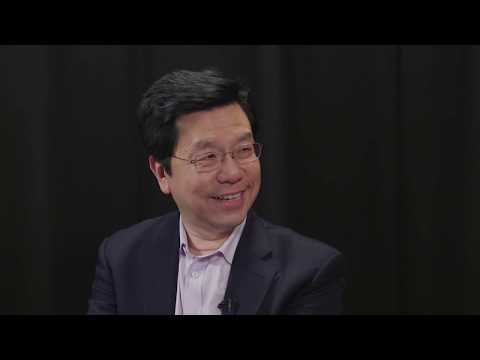
Sebastian Thrun (Stanford Adjunct Professor) - The Future of AI with Kai-Fu Lee (Oct 2018)
China has made significant strides in AI, driven by government investments and entrepreneurial innovation, while American companies face hurdles in the Chinese market due to internet regulations and cultural differences.

Tom Gillis (VMWare SVP) - Building the Network of the Future with the Virtual Cloud Network (Sep 2018)
VMware's NSX and Arista's collaboration transform network infrastructure with virtual cloud networks and software-defined security, enhancing scalability, flexibility, and security. NSX provides a unified fabric for policy management across heterogeneous environments, integrating software-defined networking, intrinsic security, and automation to meet modern networking challenges.
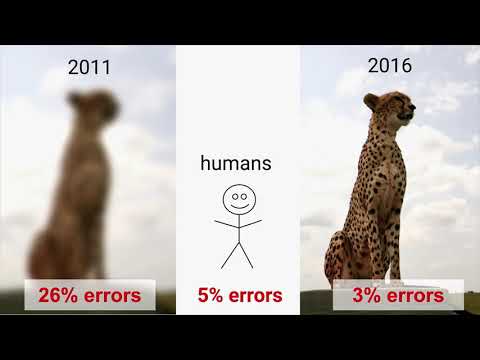
Jeff Dean (Google Senior Fellow) - Deep Learning to Solve Challending Problems | ETH Zurich (Sep 2018)
Machine learning, particularly deep learning, is experiencing exponential growth and revolutionizing fields with neural networks, while showcasing potential in addressing grand challenges and accelerating scientific discovery. TensorFlow and AutoML democratize machine learning, while TPUs enhance computational efficiency and system optimization, raising ethical considerations for AI's responsible use.
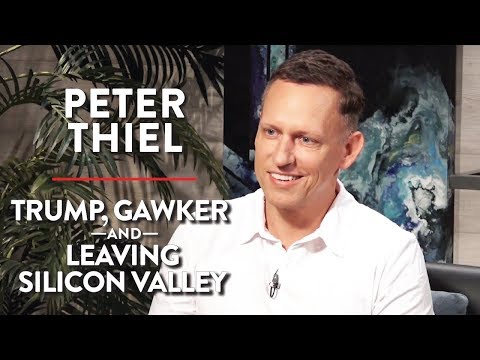
Peter Thiel (Facebook Board of Directors) - Trump, Gawker, and Leaving Silicon Valley (Sep 2018)
Peter Thiel, a PayPal co-founder, offers insights on innovation, society, and technology. He emphasizes the value of diverse thought and questions Silicon Valley's ideological shift toward the hard left.

Rodney Brooks (Rethink Robotics Co-founder) - EconTalk Podcast (Sep 2018)
Technological advancements are often overestimated in the short term but underestimated in the long term, and our understanding of technology is influenced by metaphors relating to our physical world.
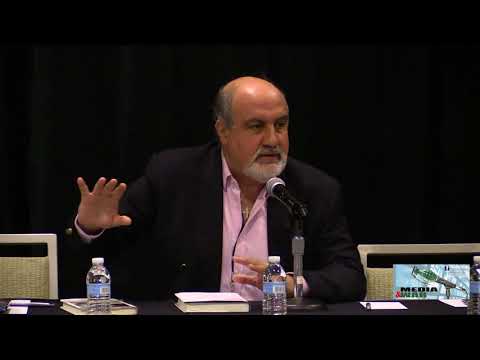
Nassim Nicholas Taleb (Scholar Investor) - RPI's Media & War Conference (Sep 2018)
Nassim Nicholas Taleb's diverse pursuits encompass trading, academia, and engineering, marked by his unique philosophical outlook emphasizing personal accountability and responsibility. He critiques interventionists, the education system, and bureaucratic failures, advocating for skin in the game, commerce-driven peace, and the principle of charity in intellectual discourse.
Ruth Porat (Alphabet CFO) - Technology and Economy Discussion in Connecticut (Sep 2018)
Connecticut aims to bolster its competitive edge through fostering an innovative environment, investing in education and workforce development, and forming public-private partnerships, aiming to attract and retain talent and drive economic growth. The state's strategy involves focusing on key industries, improving infrastructure, and leveraging its robust education system to create a sustainable, innovation-driven economy.

Hal Varian (Google Chief Economist) - Bots & Tots (Sep 2018)
Automation and demographic shifts are reshaping the labor market, with automation impacting job demand and demographics influencing labor supply. The interaction between these forces has profound social and economic implications, requiring policymakers and individuals to adapt to the evolving landscape of work.
Sebastian Thrun (Stanford Adjunct Professor) - Can We Govern AI? (2018)
AI's transformative power presents opportunities for enhanced human capabilities, job evolution, healthcare advancements, and the quest for human immortality, while necessitating ethical considerations, responsible regulation, and education for successful integration and utilization.
Danny Hillis (Applied Minds Co-founder) - Richard Feynman and Parallel Computers (2018)
Richard Feynman's involvement in parallel computation led to breakthroughs in computer architecture and problem-solving approaches, while his wide-ranging curiosity and unconventional thinking had a profound impact on various scientific fields.

Lukasz Kaisar (Google Brain Research Scientist) - "Deep Learning (Aug 2018)
Transformers revolutionized language processing by utilizing attention mechanisms and enhanced sequence generation capabilities, leading to breakthroughs in translation and various other tasks. Attention mechanisms allow models to focus on important aspects of input sequences, improving performance in tasks like translation and image generation.

Warren Buffett (Berkshire Hathaway Chairman/CEO) - 88th Birthday Interview (Aug 2018)
Warren Buffett emphasizes long-term stock investments over short-term fluctuations and sees stocks as more attractive than fixed-income securities. He focuses on understanding industry dynamics and intrinsic business value for Berkshire Hathaway's share buyback policy.
Nassim Nicholas Taleb (Scholar Investor) - International Conference on Complex Systems (Jul 2018)
Considering fat tails, fragility, and the precautionary principle is crucial for effective risk management in domains like finance, health, and policy-making. Prioritizing survivability and acknowledging the limitations of traditional models enable informed, context-sensitive decisions in complex systems.
Vinod Khosla (Khosla Ventures Founder) - Vinod Khosla Talk (Jul 2018)
Strategic hiring and understanding software patents are key to startup success. Entrepreneurs should focus on long-term impact and align with investors who share their goals.
Vinod Khosla (Khosla Ventures Founder) - Reinventing Societal Infrastructure with Technology (Jul 2018)
Technology and entrepreneurship can provide a high-quality lifestyle for 7 billion people without depleting resources or damaging the planet by increasing resource efficiency and fostering innovation. The future will see transformative changes in healthcare, transportation, housing, manufacturing, food, agriculture, financial services, energy, sustainability, and government disruption.
John Hennessy (Alphabet Chairman) - The End of the Road for General Purpose Processors & the Future of Computing (Jul 2018)
The slowdown of Moore's Law and Dennard scaling demands a paradigm shift in computer architecture and electronic system design, with energy efficiency and interdisciplinary collaboration key to the future of computing. Domain-Specific Architectures (DSAs) offer advantages in performance and efficiency but pose challenges in programming models and system integration.
Vinod Khosla (Khosla Ventures Founder) - Interview with Bloomberg News journalist (Jun 2018)
AI integration in healthcare brings efficiency and precision, but human empathy remains irreplaceable for compassionate care. Advances in genomics and personalized medicine, driven by strategic investments, pave the way for a technologically advanced and patient-centered healthcare system.
Vinod Khosla (Khosla Ventures Founder) - Keynote at Creative Destruction Lab (Jun 2018)
Technology is fundamentally reshaping society, economy, and daily lives, presenting thrilling possibilities but also demanding thoughtful consideration of societal implications. Innovation flourishes in environments that encourage radical thinking, risk-taking, diversity, and the intersection of knowledge, culture, and financing.

Warren Buffett, Jamie Dimon (Berkshire Hathaway, JPMorgan Chase CEO, CEO) - Warren Buffett | Jamie Dimon | The End Of Short-Termism (Jun 2018)
Warren Buffett and Jamie Dimon advocate for long-term economic strategies, sustainable business practices, and meaningful investor communication to enhance the health and competitiveness of American businesses. They also stress the importance of business leaders engaging with government to address societal challenges and shape a sustainable future.
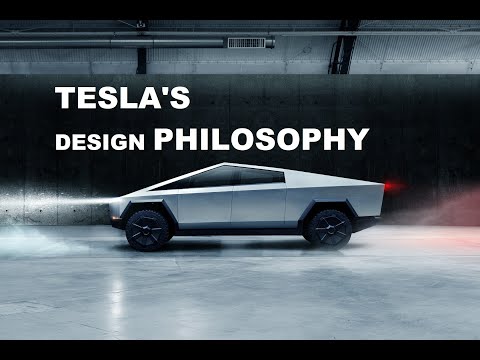
Franz von Holzhausen (Tesla Chief Designer) - Conversation with Jay Ward, Creative Director at Pixar (Jun 2018)
Franz von Holzhausen, Tesla's lead designer, has revolutionized automotive design by blending form and function to create vehicles that are both aesthetically pleasing and technologically advanced. His work at Tesla has redefined the boundaries of automotive design, prioritizing minimalism, utility, and sustainability.

Larry Fink (BlackRock Co-founder) - Fink & Ressler (Jun 2018)
Tony Ressler and Larry Fink, financial industry leaders, provide insights on market strategies, corporate purpose, and the role of technology in shaping the future of finance. They emphasize the significance of sustainable profitability and purpose-driven companies in navigating economic and geopolitical challenges.

Peter Norvig (Google Director of Research) - Machine Learning and AI, Wonderfest Science Event (Jun 2018)
Machine learning has revolutionized software development, shifting from deterministic coding to a probabilistic approach with implications for creativity and data-driven development. Despite advancements, challenges in interpretability, data quality, privacy, security, and ethics must be addressed to harness machine learning's full potential.
Larry Fink (BlackRock Co-founder) - Interview at UCLA (Jun 2018)
Economic uncertainties and market trends are reshaping investment strategies, while higher education and corporate responsibility face challenges in adapting to societal changes.
Nathan Myhrvold (Intellectual Ventures Co-founder) - Pale Blue Dot to the Pizza Stone (Jun 2018)
Culinary innovation involves harmonizing tradition with modern techniques to improve food quality, sustainability, and cultural significance. Staple ingredients like bread, pizza, beans, and rice play a pivotal role in culinary evolution, promoting flavor, nutrition, and cultural diversity.
Demis Hassabis (DeepMind Co-founder) - The Future of AI and Science (Jun 2018)
DeepMind, a pioneer in AI, uses neuroscience-inspired methods and synthetic data to address global challenges and advance scientific understanding. Ethical considerations are paramount, with a focus on societal benefits and responsible AI development.

Nathan Myhrvold (Intellectual Ventures Co-founder) - The WISE/NEOWISE Analyses and Results (May 2018)
Asteroid research using NEOWISE data faces challenges due to data discrepancies, issues with modeling techniques, and difficulties in accurately estimating asteroid sizes. Understanding asteroid variability, such as rotation and non-thermal inertia, is crucial for precise modeling and results.

Warren Buffett (Berkshire Hathaway Chairman/CEO) - Crypto, $100 billion deals, Wells Fargo, Chinese companies, Costco and more (May 2018)
Warren Buffett emphasizes long-term investment, caution against speculation, and the importance of understanding asset value. Economic principles like Keynesian economics and trade dynamics influence his investment decisions, while he highlights the significance of corporate governance and ethical investing.

Carver Mead (CalTech Professor) - Insight 1 (May 2018)
Fluid dynamics offers a unique perspective on information processing, analogous to the flow of water in tanks and valves, revealing the fundamental principles and energy/time costs involved. Electronic systems exhibit similar behavior, with the presence/absence of charge representing bits and requiring energy/time to change states.
Demis Hassabis (DeepMind Co-founder) - Academy of Achievement 2017 (May 2018)
Demis Hassabis' unique journey from chess prodigy to AI trailblazer involves his desire to use AI to solve humanity's grandest challenges in fields like scientific discovery, healthcare, and climate change. Hassabis envisions AI as a "meta-solution" to societal problems and emphasizes the need for responsible AI development and ethical considerations.
Stan Druckenmiller (Duquesne Capital Management Founder) - Alexander Hamilton Awards (May 2018)
The 18th Annual Alexander Hamilton Awards Dinner raised a record $3.2 million and honored Stan Druckenmiller and Nikki Haley for their contributions to philanthropy, capitalism, and diplomacy. Both Druckenmiller and Haley critiqued modern economic policies and political trends, calling for a return to the principles of free trade, meritocracy, and fiscal discipline.
Demis Hassabis (DeepMind Co-founder) - You and AI | The Royal Society (May 2018)
The Royal Society explores the future of AI technologies, while DeepMind focuses on developing AI systems that can adapt and learn like humans. AI has the potential to revolutionize various fields but also poses challenges related to ethics, safety, and societal impact.
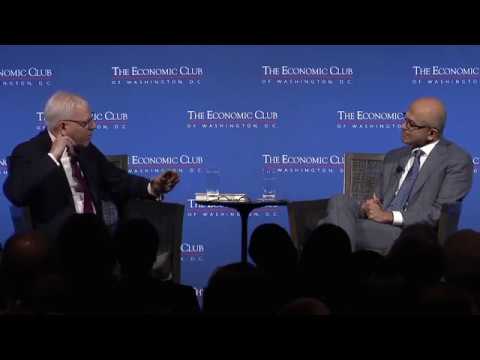
Satya Nadella (Microsoft CEO) - David Rubenstein Interview (May 2018)
Satya Nadella's leadership at Microsoft led to significant financial success, cultural transformation, and a focus on innovation, cloud computing, and emerging technologies. Nadella emphasized empathy, mindset, and collaboration to drive growth and societal impact through technology advancements.
Dean Kamen (Deka Research Founder) - How to be an adaptation machine (Apr 2018)
Dean Kamen emphasizes adaptability, imagination, and hands-on learning to solve global challenges and advocates for education reform that fosters critical thinking and creativity. He believes imagination is more valuable than knowledge in today's world and criticizes standardized testing and rote memorization.
Jeff Dean (Google Senior Fellow) - Deep Learning to Solve Challenging Problems | Google for Developers India (Apr 2018)
Machine learning and artificial intelligence advancements are revolutionizing various fields, including healthcare, automotive, and scientific research. Google's TensorFlow, computational techniques, and neural architecture search are key players in this transformation.
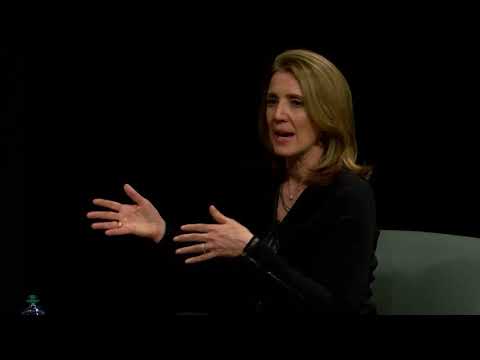
Ruth Porat (Alphabet CFO) - McCombs School of Business (Mar 2018)
Ruth Porat, CFO of Alphabet and Google, shared insights on leadership, resilience, and embracing change. She emphasized ethical leadership, diversity, and continuous learning as key elements for success in today's corporate world.
Peter Thiel (Facebook Board of Directors) - Remarks at The Economic Club of New York (Mar 2018)
The evolution of technology has led to a focus on information technology, neglecting other areas of innovation. The future of Silicon Valley may shift beyond the consumer internet and into new domains, redefining career trends and driving innovation in diverse fields.
Diane Greene (Google SVP Google Cloud) - Diane Greene Shares Her Career Journey (Mar 2018)
Diane Greene, a tech leader and champion for women in tech, received the AnitaB.org Technical Leadership Award for her technical contributions, leadership, and societal impact. Greene's journey highlights the power of passion, perseverance, and the need to challenge gender norms in the tech industry.
Jeff Dean (Google Senior Fellow) - Systems and Machine Learning (Mar 2018)
Machine learning's impact on engineering and system challenges is profound, driving innovations in healthcare, materials science, and computational systems, while also introducing ethical considerations and challenges. The integration of machine learning into core computer systems promises adaptability and responsiveness, revolutionizing various fields and aiding in solving complex problems.
Ron Conway (SV Angel Founder) - Startup Investor School (Mar 2018)
Ron Conway's founder-centric investment strategy emphasizes the importance of assessing founders' determination, passion, and leadership qualities. Angel investing carries a high failure rate, but successful investments can generate significant returns to compensate for failed ones.

Melinda Gates (Gates Foundation) - in conversation with Ezra Klein at SXSW (Mar 11, 2018)
In a Vox Media event, Melinda Gates advocated for systemic changes across various sectors including tech, global development, and corporate culture, focusing on diversity, data-driven healthcare innovations, and environmental sustainability. She emphasized the urgent need for promoting diversity in tech, fostering more supportive workplace dynamics, and pursuing achievable goals in global development, while also debunking prevalent myths and misconceptions.

Nathan Myhrvold (Intellectual Ventures Co-founder) - Tacitus Lecture 2018 - Q&A (Feb 2018)
Educational practices must adapt to the demands of a rapidly changing technological landscape, and emerging technologies like AI present both challenges and opportunities for career development and regulation.

Warren Buffett (Berkshire Hathaway Chairman/CEO) - On The Problems With American Healthcare (Feb 2018)
Warren Buffett's letter analyzed Berkshire Hathaway's financial performance and offered insights on investment strategies, corporate governance, and economic policies, reflecting his deep understanding of market dynamics and commitment to ethical business practices. He emphasized the importance of contentment, cautious investment, and alignment of interests between directors and shareholders.
Fei-Fei Li (Google Cloud Chief Scientist, AI/ML) - Grace Hopper Celebration (Feb 2018)
Fei-Fei Li is a visionary AI researcher and advocate who promotes a human-centric approach to AI, focusing on its potential for positive impact and responsible development. Li's work in computer vision and machine learning, such as the ImageNet project, has advanced AI's ability to understand and interact with the visual world.
Jennifer Doudna (UC Berkeley Professor) - Jennifer Doudna and Sid Mikherjee, Innovative Genomics Institute (Feb 2018)
CRISPR gene editing technology offers great potential for curing genetic diseases and advancing scientific knowledge, but raises ethical questions and concerns about unintended consequences and accessibility.

Sam Altman (Y Combinator President) - Uncut Masters of Scale Interview (Feb 2018)
In the podcast interview, Sam Altman, president of Y Combinator, discusses his journey from aspiring coder to entrepreneur, and outlines his philosophies on risk calibration, team dynamics, and market evaluation. Altman also delves into Y Combinator's global expansion strategies, its democratized approach to startup funding, and the challenges of scaling organizational structures.
Satya Nadella (Microsoft CEO) - Remarks at Wharton on book, Hit Refresh (Feb 2018)
Satya Nadella's leadership at Microsoft emphasizes empathy, continuous learning, and cultural transformation, leading to democratized technology and innovative products that empower users. He envisions a future where AI and quantum computing responsibly solve global problems and enhance human capabilities.
Peter Norvig (Google Director of Research) - Confidence, Trust and Certainty for Collaboration between Humans and Automated Systems (Feb 2018)
The emergence of machine learning in software development has shifted the focus from manual coding to machines learning from data, posing new challenges in debugging and communication between humans and AI systems. The integration of machine learning in software development raises ethical and practical issues, including concerns about privacy, security, fairness, and the optimization of AI systems.

Nathan Myhrvold (Intellectual Ventures Co-founder) - Tacitus 2018 (Feb 2018)
Technological advancements, contrary to common fears, often lead to job creation, improved living standards, and societal benefits, as evidenced by historical and current examples. AI has the potential to revolutionize industries, save lives, and solve complex societal problems, but fears of existential threats are exaggerated and lack a basis in reality.

Dean Kamen (Deka Research Founder) - Insights on Invention | Qualcomm (Feb 2018)
Dean Kamen, a visionary inventor, transformed challenges into opportunities, inspiring countless individuals to pursue STEM and innovation. His belief in the power of intellectual property and technology's transformative impact shapes his philosophy and contributions to society.
Elon Musk (SpaceX CEO) - Falcon Heavy launch Press Conference (Feb 7, 2018)
In a comprehensive interview, SpaceX CEO Elon Musk discussed the technical achievements and challenges of the Falcon Heavy, emphasized the company's commitment to reusability, and shed light on the development of the next-generation interplanetary vehicle, BFR. Musk also highlighted the role of SpaceX in sparking a new space race, the importance of public engagement through unique missions, and expressed confidence in tackling both national security concerns and in-house challenges.
Jennifer Doudna (UC Berkeley Professor) - Director's Distinguished Women in Science Speaker Series (Jan 2018)
CRISPR-Cas9 discovery revolutionized gene editing, leading to complex ethical discussions and the need for regulatory frameworks. Jennifer Doudna's journey highlights the evolving role of scientists in addressing societal implications of their work.

Geoffrey Hinton (Google Scientific Advisor) - The Neural Network Revolution (Jan 2018)
Neural networks have revolutionized various fields, from language translation and speech recognition to healthcare and finance, by outperforming logic-based AI systems in learning and adapting from vast data sets. They face challenges such as adversarial attacks, explainability, and regulatory compliance, but hold great promise for the future, including self-driving vehicles, personalized medicine, and a deeper understanding of human cognition.
Ilya Sutskever (OpenAI Co-founder) - Meta Learning and Self Play (Jan 2018)
Deep learning finds optimal small circuits to efficiently solve problems, and meta-learning trains systems across multiple tasks to quickly adapt and generalize. Self-play environments foster continuous learning and improvement in agents, leading to rapid cognitive advancements.
Bill Gates (Gates Foundation) & Additional Panelists - "A New Era for Global Health" Panel @ WEF (Jan 26, 2018)
The panel of experts, including Bill Gates and Dr. Atul Gawande, discussed the urgent need for a paradigm shift in global healthcare from focusing on communicable diseases to preventative care, emphasizing the roles of innovation, equity, and private capital. Key strategies include multi-stakeholder collaboration, leveraging data-driven approaches, and incorporating private equity, especially in emerging markets, to address challenges like health access, longevity, and the training gap in healthcare.
Jensen Huang (Nvidia Co-founder) - The Future of Autonomous Vehicles | Nvidia CEO Full Interview (Jan 2018)
NVIDIA's evolution includes transitioning from 3D gaming to AI and autonomous mobility, while its AI technology empowers self-driving cars and reshapes urban mobility.

Ray Dalio (Bridgewater Founder) - Gary Vee Podcast: Dalio's Principles, The Evolution of Bridgewater Associates, & Meditation (Dec 2017)
Ray Dalio, renowned investor and founder of Bridgewater Associates, advocates for principles-based decision-making, emphasizing self-awareness, humility, and feedback as key factors for meaningful work and relationships. Dalio also explores the future of decision-making by converting principles into algorithms for machine-based applications, urging society to focus on long-term success through consideration of second-order consequences.

Stan Druckenmiller (Duquesne Capital Management Founder) - CNBC Interview (Dec 2017)
Druckenmiller criticizes central banks for rigid inflation targets and low interest rates, which distort market signals and lead to asset bubbles. He believes tax reform should focus on long-term fiscal health and entitlement reform, rather than fiscal stimulus and increasing national debt.
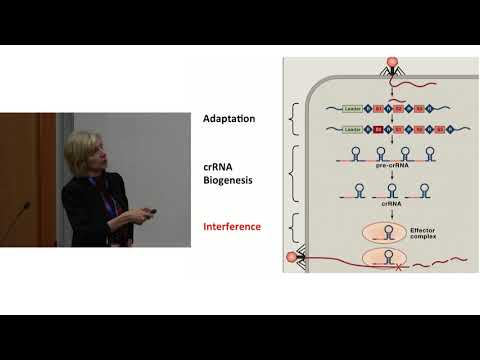
Jennifer Doudna (UC Berkeley Professor) - CRISPR Workshop, Innovative Genomics Institute (Nov 2017)
CRISPR-Cas9 technology allows precise alteration of DNA sequences, sparking societal, ethical, and scientific discussions. CRISPR-Cas9's potential for revolutionizing medicine and biology is accompanied by ethical, societal, and scientific challenges.

Bill Gates (Microsoft Co-founder) - Agritech Summit (Nov 2017)
In a keynote address, Bill Gates outlined a comprehensive strategy to transform agriculture in India, specifically in Andhra Pradesh, through technological innovation, financial inclusion, and gender equity. The plan aims to make agriculture a profitable enterprise, alleviate poverty and malnutrition, and serves as a model for agriculture-driven societal development.
Jennifer Doudna (UC Berkeley Professor) - CRISPR Systems (Nov 2017)
CRISPR technology, pioneered by Jennifer Doudna, revolutionizes genomic medicine and gene editing, drawing inspiration from Rosalind Franklin's groundbreaking work on DNA. CRISPR-Cas9's mechanism involves conformational changes monitored using FRET techniques, enabling insights into its specificity and accuracy.
Marc Benioff (Salesforce Co-founder) - Fireside Chat with Marc Benioff and Diane Greene | Salesforce (Nov 2017)
Diane Greene co-founded VMware and was a key figure in Google's cloud computing division, making significant contributions to virtualization and cloud computing. She faced gender-based obstacles but persevered, demonstrating resilience and strategic foresight in the tech industry.
Steven Chu (Stanford Professor) - Remarks at The Electrochemical Society (Nov 2017)
Electrochemistry plays a vital role in developing sustainable energy solutions, including renewable energy integration, advanced energy storage, and clean transportation, while also addressing air pollution and resource extraction challenges. By enabling the transition from fossil fuels to clean energy sources, electrochemistry contributes to a more sustainable future.
Eric Schmidt (Alphabet Executive Chairman) - Artificial Intelligence and Global Security Summit (November 1, 2017)
Eric Schmidt, Alphabet's veteran leader, emphasizes the critical role of Artificial Intelligence (AI) in shaping competitive advantages in business and military sectors, while also highlighting the U.S.'s lack of a coherent national AI strategy in contrast to China's ambition to dominate AI by 2030. He identifies talent acquisition, data availability, and a shift towards a culture of innovation as key drivers for AI adoption, and urges immediate focus on cybersecurity, public-private partnerships, and reassessment of governance structures.
Nassim Nicholas Taleb (Scholar Investor) - Bloomberg Interview (Oct 2017)
John Doe's trading journey showcased innovation, intensity, and insight within financial markets, particularly during the 1987 stock market crash, revealing flaws in traditional models and highlighting the need for robust risk management strategies.
Lukasz Kaisar (Google Brain Research Scientist) - Deep Learning TensorFlow Workshop (Oct 2017)
TensorFlow, a versatile machine learning framework, evolved from Google's DistBelief to address computational demands and enable efficient deep learning model development. TensorFlow's graph-based architecture and mixed execution model optimize computation and distribution across various hardware and distributed environments.

Peter Thiel (Facebook Board of Directors) - In Conversation (Oct 2017)
Economic growth diversification beyond Silicon Valley and transformation of transportation are crucial for navigating future challenges and opportunities. Rethinking AI's societal impact and prioritizing cybersecurity are essential to ensure societal progress in the digital age.

Vitalik Buterin (Ethereum Co-founder) - Blockchain Research Seminar (Oct 2017)
Blockchain's intersection with privacy and scalability concerns leads to innovative solutions like Ethereum and advanced cryptographic techniques to address challenges in voting systems and privacy breaches. Vitalik Buterin's Ethereum platform plays a crucial role in enhancing privacy through smart contracts and embracing cryptographic advancements.
Satya Nadella (Microsoft CEO) - GeekWire Summit (Oct 2017)
Satya Nadella has transformed Microsoft by embracing future technologies like mixed reality, AI, and quantum computing, while also focusing on accessibility and a strong cloud market position. Nadella's leadership style, influenced by his love for cricket and personal experiences, emphasizes innovation, collaboration, and a visionary approach to the future of technology.

Sam Altman (Y Combinator President) - The Winding Path of Progress | Talks at Google (Oct 2017)
Sam Altman, president of Y Combinator and co-founder of OpenAI, discusses a range of topics from the challenges faced by startups to the ethical implications of AI technology. He emphasizes decision-making frameworks focused on impact maximization and personal satisfaction, tackles societal and workplace biases, and advocates for a balanced discourse on technological advancements and their societal implications.
Lukasz Kaisar (Google Brain Research Scientist) - Attention is all you need; Attentional Neural Network Models (Oct 2017)
Transformer models, with their attention mechanisms, have revolutionized natural language processing, enabling machines to understand context and generate coherent text, while multitasking capabilities expand their applications in data-scarce scenarios.
Satya Nadella (Microsoft CEO) - BBC Interview (Sep 2017)
Empathy-driven innovation and a commitment to corporate responsibility have transformed Microsoft under Satya Nadella's leadership, shaping a future where technology serves humanity. Through his emphasis on understanding customer needs and advocating for responsible technology, Nadella has positioned Microsoft as a leader in shaping a future where technology empowers humanity and contributes positively to society.
Barack Obama (USA President) - Leadership & World Change with Barack Obama (Sep 2017)
Youth and collective action, empowered by the Internet, drive global progress, while storytelling, empathy, and positive narratives mobilize support for change. Diverse contributions, collaboration, and persistence are key to achieving meaningful change in a world often resistant to it.
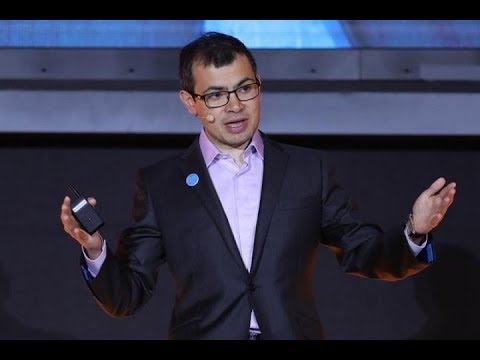
Demis Hassabis (DeepMind Co-founder) - The Future of AlphaGo and AI (Sep 2017)
DeepMind, under Demis Hassabis' leadership, has made groundbreaking strides in artificial intelligence, notably with AlphaGo's achievement in the complex game of Go, and aims to understand and recreate intelligence artificially. AlphaGo's success in Go showcased its ability to mimic human intuition, creativity, and strategic thinking, revolutionizing the game and inspiring new ideas among professional players.
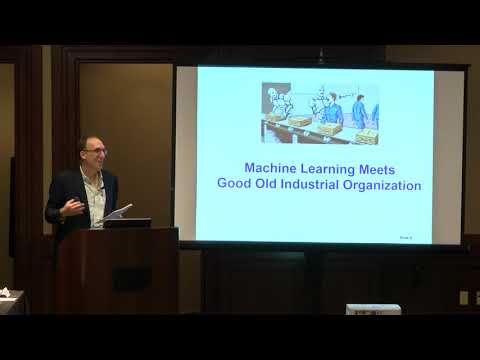
Hal Varian (Google Chief Economist) - NBER Economics of AI Conference (Sep 2017)
Data is crucial for training machine learning models, while advancements in hardware and software platforms are accelerating AI development and applications. AI's impact extends beyond market dynamics, touching upon societal issues like inequality and the challenges of personalized pricing and algorithmic collusion.
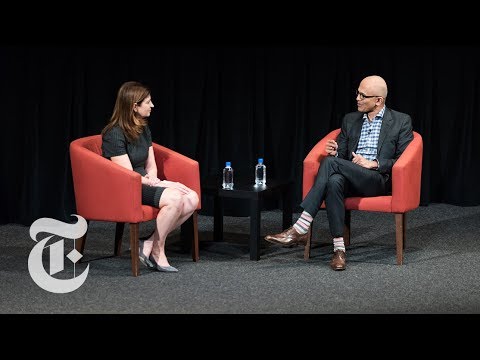
Satya Nadella (Microsoft CEO) - New York Times Interview (Sep 2017)
Satya Nadella's journey from India to becoming Microsoft's CEO exemplifies resilience, empathy, and visionary leadership that transformed Microsoft and emphasized empathy's importance in business. His leadership focused on empowering individuals and organizations, promoting partnerships, and addressing social and ethical challenges in the tech industry.
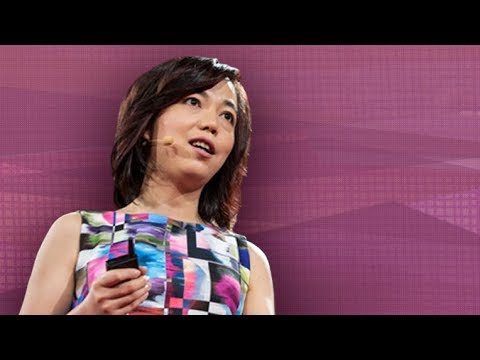
Fei-Fei Li (Google Cloud Chief Scientist, AI/ML) - "ImageNet (Sep 2017)
ImageNet, an extensive dataset created by Fei-Fei Li, revolutionized AI, particularly computer vision, by advancing deep learning, renewing neural networks, and driving ethical discussions. ImageNet's impact extends beyond object recognition, inspiring research on visual intelligence and fostering ethical considerations in AI development.

Vitalik Buterin (Ethereum Co-founder) - Ethereum Singapore (Aug 2017)
Blockchain technology and Ethereum's platform revolutionize digital interactions with decentralization, smart contracts, and diverse applications, but face challenges in scalability, privacy, and security. Innovations aim to overcome these challenges and expand Ethereum's utility in various industries.

Prince Turki Al Faisal (Saudi Arabia Former Government Official) - Arab-U.S. Relations (2017)
Prince Turki Al Faisal's diplomatic efforts have been instrumental in shaping the Middle East's geopolitical landscape, while Saudi Arabia's commitment to regional peace and stability has been key to fostering tranquility and prosperity. Saudi Arabia's preservation of its national identity and resistance to extremism, along with its commitment to nation-state preservation and regional cooperation, are vital for the Arab world's security.
Dean Kamen (Deka Research Founder) - The Digital, Disruptive Future (Jul 2017)
STEM education program FIRST, founded by Dean Kamen, has impacted over 1.25 million students globally, encouraging careers in science, technology, engineering, and mathematics. Dean Kamen's vision extends beyond education, encompassing medical innovations, regenerative medicine, and addressing the dual nature of technology in society.
Demis Hassabis (DeepMind Co-founder) - Google for Startups (Jul 2017)
Demis Hassabis' background in chess and gaming shaped DeepMind's culture and approach to AI, emphasizing long-term planning and resilience. AlphaGo's success was driven by Hassabis' vision, innovative strategies, and focus on transfer learning and intrinsic rewards.
Rodney Brooks (Rethink Robotics Co-founder) - Fireside Chat with Rodney Brooks (Rethink Robotics) (Jul 2017)
Rodney Brooks discusses the evolution of robotics and AI, emphasizing the need for thoughtful consideration of their societal implications and the importance of understanding their nuances. He also shares insights from his transition from academia to entrepreneurship and his efforts to dispel misconceptions and fears surrounding AI and robotics.
Adam D'Angelo (Quora Co-founder) - How to Stop Fake News on the Internet (Jul 2017)
Quora prioritizes quality expert-driven content while rejecting sensationalism and adapts its platform to local values and interests while maintaining a cohesive global platform. Quora's focus on quality, expert-driven content, adaptability to local cultures, and commitment to continual improvement sets it apart from competitors.
Vinod Khosla (Khosla Ventures Founder) - The Future of Technology (Jul 2017)
Silicon Valley's thriving innovation culture drives groundbreaking ideas due to its risk tolerance and willingness to experiment, while AI's impact on jobs and healthcare promises significant changes.

Dharmesh Shah (HubSpot Co-founder) - From Day 0 to IPO (Jul 2017)
HubSpot challenged conventions and carved a niche in inbound marketing by focusing on customer engagement, retention, and strategically targeting the medium-sized market. HubSpot's remarkable growth is a testament to the power of strategic innovation, customer understanding, and the courage to defy convention.
Raghuram Rajan (University of Chicago Professor) - LSE Global Policy Lab Launch (Jul 2017)
Monetary policy rules need to be reevaluated due to low interest rates and subdued inflation, leading to unconventional monetary instruments and negative spillover effects on emerging markets. Central banks should adopt new rules to mitigate policy spillovers and promote global stability, while considering the impact of policies on other countries and utilizing a coordinated approach involving monetary, fiscal, and structural reforms.
Geoffrey Hinton (Google Scientific Advisor) - Using Fast Weights to Store Temporary Memories (Jul 2017)
Geoffrey Hinton, a pioneer in deep learning, has significantly advanced the capabilities of neural networks through his work on fast weights and their integration into recurrent neural networks. Hinton's research has opened new avenues in neural network architecture, offering more efficient and dynamic models for processing and integrating information.
Vitalik Buterin (Ethereum Co-founder) - Cryptoeconomics (Jun 2017)
Decentralization, driven by blockchain technology and crypto-economics, has the potential to reshape industries, redefine governance models, and revolutionize the internet infrastructure. However, challenges such as scalability, user experience, and quantum cryptography threats need to be addressed for widespread adoption.
Jennifer Doudna (UC Berkeley Professor) - A Crack in Creation (Jun 2017)
Jennifer Doudna's research on CRISPR-Cas9 gene editing has revolutionized genetics, while her advocacy for inclusivity in science has inspired women in STEM fields. CRISPR's widespread accessibility raises concerns about misuse, highlighting the need for international dialogue and education to ensure responsible development and use.

Sebastian Thrun (Stanford Adjunct Professor) - Artificial Intelligence Q&A (Jun 2017)
Data science, AI, ML, and DL are rapidly evolving fields that are transforming the future by automating repetitive tasks and offering new insights into the brain. Deep learning is making significant strides in practical applications like neuron segmentation and skin cancer detection.
Rodney Brooks (Rethink Robotics Co-founder) - Collaborative Robots (Jun 2017)
Collaborative robots, like Sawyer, revolutionize manufacturing with their cage-free design, intuitive programming, and force sensing capabilities, enhancing safety and efficiency in human-robot collaboration. Collaborative robots offer safety, flexibility, and ease of use in manufacturing, revolutionizing the industry by addressing challenges in safety standards, workforce skills, and system integration.

Graham Allison (Harvard University Professor) - Destined for war with China? Graham Allison and Gen. David Petraeus (Ret) (Jun 2017)
The Thucydides Trap suggests that conflict is likely when a rising power threatens an existing dominant power, exemplified by current US-China tensions. Peaceful transitions of power are possible, requiring restraint, diplomacy, and strategic thinking.
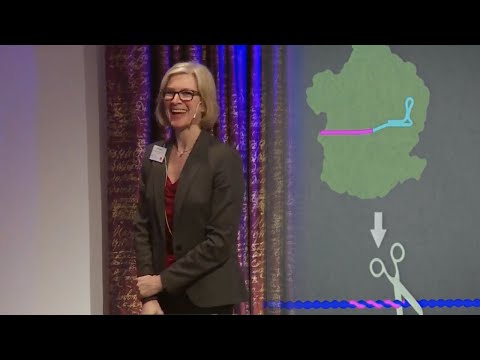
Jennifer Doudna (UC Berkeley Professor) - CRISPR Systems (Jun 2017)
CRISPR-Cas systems are adaptive immune responses in bacteria that protect against viruses by cleaving foreign DNA. CRISPR-Cas9 technology allows for precise genome editing in eukaryotic cells, raising ethical considerations and the need for responsible progress.
Graham Allison (Harvard University Professor) - US and China (Jun 2017)
Graham Allison's book explores the rising tensions between the US and China due to the Thucydides Trap, where a rising power challenges a ruling power, leading to the risk of conflict. Allison emphasizes the need for understanding cultural differences and leadership styles to avoid conflict and forge a path of peaceful coexistence.
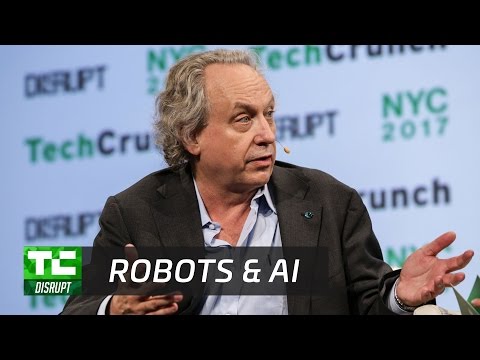
Rodney Brooks (Rethink Robotics Co-founder) - Robots and the AI Bubble (full panel) | Disrupt NY (May 2017)
Collaborative robotics and biomimicry are driving the development of safer, more dextrous robots, while legged robots and companion robots are emerging as the future of robotics.

Jeff Bezos (Blue Origin Founder) - opening of the Apollo exhibit at The Museum of Flight (May 2017)
In a discussion with students, Jeff Bezos outlines Blue Origin's approach to making space travel affordable and sustainable through reusability, while also addressing the challenges of space and ocean debris. Bezos also touches on the importance of artificial intelligence in space exploration, the complexities of rocket engineering, and the crucial roles of teamwork and in-space resources in shaping the future of interstellar endeavors.

Robert Smith (Vista Equity Partners Founder) - The Fourth Industrial Revolution | Talks at Goldman Sachs (May 2017)
Robert Smith's journey from a Denver high school student to a technology and finance leader highlights the transformative power of innovation and strategic thinking in the digital age. His insights on technology's impact on industries, the importance of competitive advantages, and the need for long-term investment strategies offer valuable lessons for navigating the ever-changing landscape of business and technology.

Nassim Nicholas Taleb (Scholar Investor) - Black Swans and Interventionists (May 2017)
Taleb criticizes interventionist foreign policies and quantitative economic methods, advocating for more organic and libertarian approaches to managing global affairs and economies. He remains optimistic about the future, envisioning a libertarian world managed organically and where news are democratized through social media.

Peter Norvig (Google Director of Research) - Rethinking the Software Industry | National Academy of Sciences (May 2017)
Machine learning is revolutionizing programming, shifting from explicit instructions to machines learning from data, and raising ethical considerations due to black box models and data privacy concerns. Ethical AI development necessitates interdisciplinary collaboration, specialized teams, and new tools to analyze complex models and mitigate biases.
Robin Hayes (JetBlue CEO) - How JetBlue Does It (Apr 2017)
JetBlue Airways prioritizes customer satisfaction and innovation, reflected in its high Net Promoter Score and investments in technology and ventures. JetBlue's unique culture, where mutual respect and liking prevail, is central to its operational success and has driven superior returns for shareholders.

Fei-Fei Li (Google Cloud Chief Scientist, AI/ML) - Teaching Computers to See | The Harker School (Apr 2017)
Dr. Fei-Fei Li's pioneering work in computer vision led to the development of ImageNet, revolutionizing AI's approach to object recognition, and her advocacy for diversity in STEM fields aims to mitigate biases in AI systems.
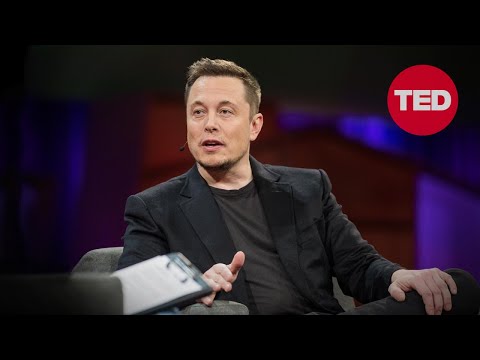
Elon Musk (Tesla, SpaceX, etc) - TED Interview (April 2017)
Elon Musk outlines a comprehensive vision for the future, addressing challenges in urban mobility with 3D tunnel networks, revolutionizing the automobile industry through Tesla's autonomous driving initiatives, and pushing the boundaries of space exploration with SpaceX's plans for interplanetary colonization. Additionally, he explores sustainable energy solutions, discusses the integration of other projects like Hyperloop, and defends his ideas against criticisms by emphasizing technological innovation and scalability.
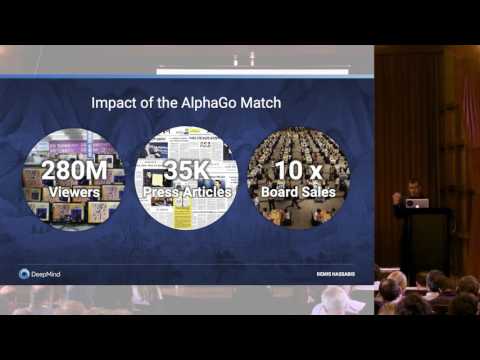
Demis Hassabis (DeepMind Co-founder) - Explorations in Optimality (Apr 2017)
AlphaGo's victory over Go champion Lee Sedol marked a pivotal advancement in AI and sparked a renaissance in intelligence research, with implications for AGI development and potential applications in diverse fields. AlphaGo's strategies revolutionized Go, challenged conventional wisdom, and revealed new possibilities for human-AI collaboration and AI-assisted scientific discoveries.
Robert Smith (Vista Equity Partners Founder) - Be an expert at your craft | Columbia Business School (Apr 2017)
Robert F. Smith, a private equity leader, emphasizes the importance of digital literacy and inclusion in the fourth industrial revolution, while also advocating for community empowerment and social responsibility. Robert F. Smith's journey from music industry to private equity success highlights the importance of expertise, relationship-building, and leveraging technology for widespread change and economic opportunities.
Sam Altman (Y combinator President) & Dustin Moskovitz (Facebook Co-Founder) - How and Why to Start A Startup - Stanford CS183F (Apr 2017)
Sam Altman's course, CS183F, provides a comprehensive guide for entrepreneurs, covering essential topics ranging from the importance of a solid initial idea and team-building to the statistical odds of achieving 'unicorn status' and debunking media myths about entrepreneurship. The course aims not only to guide startups to financial success but also to help entrepreneurs understand their underlying motivations, offering a balanced view that challenges prevailing notions about wealth, impact, and entrepreneurial stress.

Sam Altman (Y Combinator President) - Chat with Sam Altman, president of Y Combinator (Apr 5, 2017)
Sam Altman, President of Y Combinator, emphasizes the importance of prioritization and long-term vision in startup success, while also highlighting the ethical and social responsibilities that tech companies must address, particularly in the realms of automation and AI. He advises startups to focus on quality over quantity, and to begin by capturing a large part of a small, highly-demanding market, gradually expanding their scope as they succeed.
Vinod Khosla (Khosla Ventures Founder) - Start Up to Invent the Future You Want (Mar 2017)
Innovation is driven by risk-taking individuals who embrace failure as a learning opportunity and challenge established norms with diverse perspectives. Entrepreneurs are the key agents of transformative change, driven by passion, vision, and strategic resource management.
Peter Thiel (Facebook Board of Directors) - Keynote (Mar 2017)
Peter Thiel's journey transformed him from a Supreme Court aspirant to a Silicon Valley maverick, leading to his zero-to-one thesis and critique of conventional practices. Thiel emphasizes contrarian thinking and investing in unique ventures over competing in existing markets.

Charlie Munger (Berkshire Hathaway Vice Chairman) - USC Commencement Address (Mar 2017)
Moral rectitude and lifelong learning are essential for success, according to the teachings of Charlie Munger, a paragon of wisdom and success. It's important to avoid extreme ideologies and self-serving bias to acquire correct knowledge and wisdom.
Sebastian Thrun (Stanford Adjunct Professor) - Artificial Intelligence Q&A (Mar 2017)
AI and ML are rapidly evolving, presenting challenges in knowledge representation and integration of different AI generations, but also offering opportunities for advancements in decision-making and self-driving cars.
Jennifer Doudna (UC Berkeley Professor) - Conversation with Dan Rather (Feb 2017)
CRISPR-Cas9, a gene-editing technology, has revolutionized genetic research and medicine, but also raises ethical questions about modifying human DNA. CRISPR's potential to cure diseases like sickle cell anemia holds promise, but concerns exist regarding its use in human germline editing and non-therapeutic applications.
Demis Hassabis (DeepMind Co-founder) - Exploring the Frontiers of Knowledge | DLD17 (Feb 2017)
DeepMind is revolutionizing AI through general-purpose learning systems that can adapt to various domains, from drug discovery to material design, showcasing the potential for AI-human collaboration in solving complex challenges. DeepMind's AlphaGo, the first computer program to defeat a professional human Go player, demonstrated AI's potential beyond gaming and sparked discussions on intuition, creativity, and human-AI collaboration.

Jerry Yang (Yahoo Co-founder) - Yahoo Ex CEO Jerry Yang (Feb 2017)
Yahoo's journey from a simple Stanford project to a global internet powerhouse was driven by strategic decisions, adapting to the changing digital landscape, and Jerry Yang's vision for an integrated, accessible internet. Despite challenges, Yahoo's success highlights the transformative power of the internet in shaping our future.
Vinod Khosla (Khosla Ventures Founder) - Journey from entreprenuer to VC, Future of Cleantech and AI (Feb 2017)
Vinod Khosla's journey exemplifies innovation, from co-founding Sun Microsystems to becoming a visionary venture capitalist shaping the future of technology. His foresight in recognizing the potential of TCP/IP and his passion for high-impact ventures have significantly influenced the tech industry and continue to inspire entrepreneurs and thinkers.
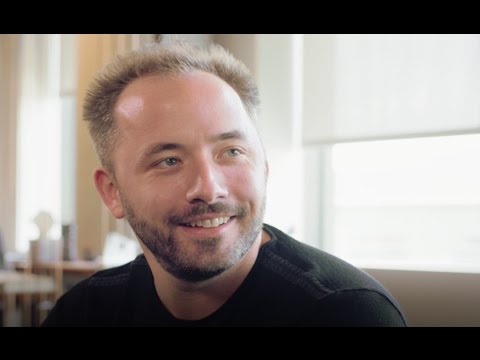
Drew Houston (Dropbox Co-Founder) - Conversation with Sam Altman (Feb 23, 2017)
Drew Houston, co-founder and CEO of Dropbox, shares insights into the entrepreneurial process, from the initial idea sparked by a personal inconvenience to the complexities of scaling a tech startup and evolving leadership roles. His advice spans diverse topics including decision-making, coping with negativity, the importance of adaptability, and the need for a diverse board for effective governance.
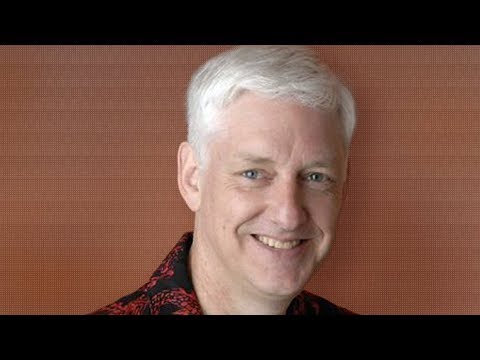
Peter Norvig (Google Director of Research) - Town Hall on A.I., Machine Learning, and More (Jan 2017)
AI is advancing rapidly due to increased computing power, more available data, and new techniques like deep learning. However, challenges remain in areas such as AI safety, ethical considerations, and the development of conversational AI systems that can understand context and reason effectively.
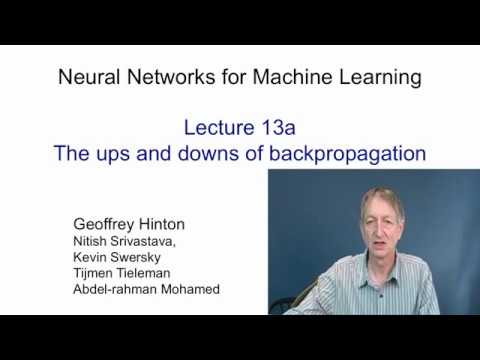
Geoffrey Hinton (Google Scientific Advisor) - Lecture 13/16 (Jan 2017)
Backpropagation's initial limitations were practical, not theoretical, leading to the rise of SVMs, but deep belief nets offered a new direction. Deep belief nets were challenging to learn, but variational learning and the wake-sleep algorithm emerged as potential solutions.
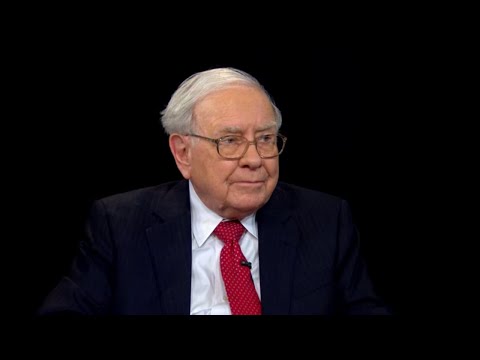
Warren Buffett (Berkshire Hathaway Chairman/CEO) - Charlie Rose Interview (Jan 2017)
Bill Gates and Warren Buffett's partnership revolutionized philanthropy, fostering responsible wealth distribution and addressing global challenges through the Giving Pledge. Their journeys highlight the transformative power of strategic philanthropy and the importance of family values in shaping one's approach to wealth and societal impact.
Dean Kamen (Deka Research Founder) - Printing Human Organs for Transplantation (Dec 2016)
Dean Kamen and Martine Rothblatt are leading pioneers in healthcare and STEM education. Their work in organ regeneration, robotics competitions, and home-based care is revolutionizing healthcare and education.
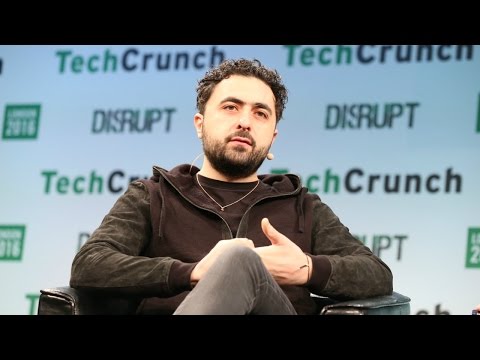
Mustafa Suleyman (DeepMind Co-founder) - Better Living Through AI (Dec 2016)
DeepMind's mission is to solve intelligence and harness it for the global good, with a focus on healthcare innovations and addressing complex global issues through AI. DeepMind's commitment to ethical AI development and collaboration sets a precedent for the future of AI, aiming to mitigate biases and ensure transparency and human control.
Hal Varian (Google Chief Economist) - One Bank Flagship Seminar (Dec 2016)
Network effects, data management, platform competition, and personalization are key factors shaping the digital marketplace, driving innovation and transforming business practices. Personalized data, not just big data, is the driving force in the tech industry, enabling targeted online advertising and user-centric services.
Nassim Nicholas Taleb (Scholar Investor) - The dichotomy of behavioural economics | RiskMinds International (Dec 2016)
Simplicity is often more effective than complexity in uncertain decision-making environments, and experts' opinions should be critically evaluated.
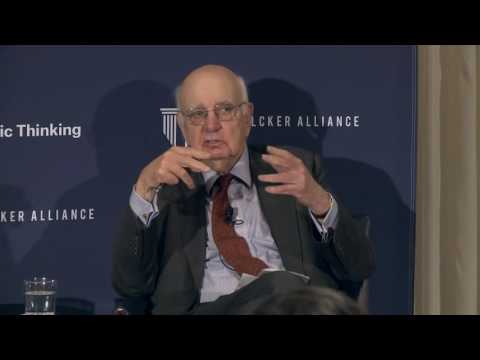
Paul Volcker (USA Former Chairman of the Federal Reserve) - On the Treasury and the Fed, Regulation and More | Institute for New Economic Thinking (Dec 2016)
Government management challenges include bureaucratic inefficiency, politicization of agencies, and lack of attention to public service training. Systemic reform in regulatory agencies, public service education, and government effectiveness is needed to rebuild trust and ensure a more competent and reliable government.

Dean Kamen (Deka Research Founder) - The Economic Club of Chicago (Dec 2016)
Dean Kamen, an inventor and advocate for science, technology, and education, believes in the transformative power of innovation, perseverance, and a passion for making a difference in the world. He emphasizes the need for educational systems that foster critical thinking and innovation, and advocates for the use of technology to address pressing issues like climate change and healthcare.

Geoffrey Hinton (Google Scientific Advisor) - Neural Networks for Machine Learning by Geoffrey Hinton (Lecture 3/16 (Dec 2016)
Neural networks use linear neurons to learn with simple weighted sums of inputs and the delta rule to adjust weights based on error. Backpropagation efficiently computes error derivatives for hidden units and weights, enabling learning in multiple layers of features.

Vinod Khosla (Khosla Ventures Founder) - The Future of Innovation, Technology, and Humanity (Nov 2016)
The future of medicine involves technology-driven diagnostics, lifestyle-based treatments, and an emphasis on emotional intelligence in healthcare. Data science and lifestyle choices will significantly impact patient care, leading to a more personalized and holistic approach to healthcare.
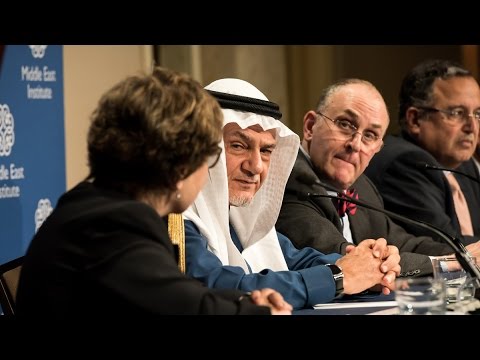
Prince Turki Al Faisal (Saudi Arabia Former Government Official) - Rebuilding Alliances, Containing Adversaries (Nov 2016)
Middle Eastern nations should focus on internal stability and independent decision-making due to changing U.S. policies and the unpredictability of the Trump administration. Regional cooperation is essential to address challenges and preserve stability in the Middle East.
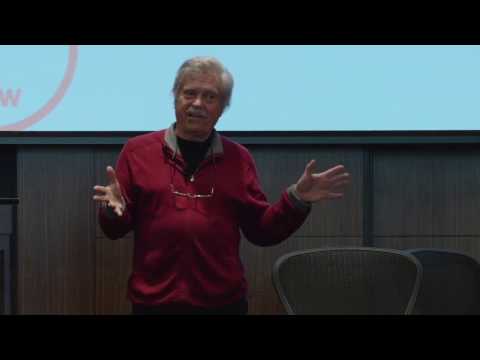
Alan Kay (VPRI Co-founder) - The Best Way to Predict the Future is to Invent It (Nov 2016)
Long-term visions, innovative curricula, and technology can revolutionize education. Balancing fast and deliberate thinking is crucial for fostering critical thinking and problem-solving skills in students.
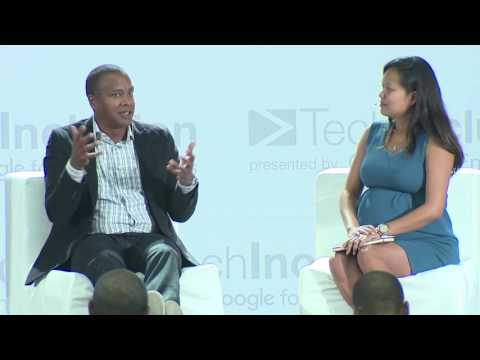
David Drummond (Google SVP Corporate Development) - Fireside Chat (Nov 2016)
David Drummond's tenure at Google has been instrumental in defining the company's culture of intellectual debate, ambitious goal-setting, and viewing failure as a learning opportunity. Drummond's experiences as a Black lawyer in Silicon Valley shaped his understanding of the significance of diversity and inclusion in the workplace.

Mark Zuckerberg (Facebook Co-founder) - Oculus Connect Opening Keynote (Oct 2016)
Mark Zuckerberg envisions virtual reality (VR) as the next major computing platform, merging hardware advancements with immersive experiences and social interactivity. VR's potential to revolutionize communication, education, and entertainment is highlighted by investments in content, software, and standalone products.

Sebastian Thrun (Udacity Co-founder) - Answering questions about self-driving cars (Oct 2016)
Self-driving cars are anticipated to become mainstream in the next decade, presenting challenges in developing business models, legal frameworks, and building consumer trust. Udacity's Self-Driving Car Nanodegree program equips students with in-demand skills for a growing industry, addressing the global demand for talent in this field.
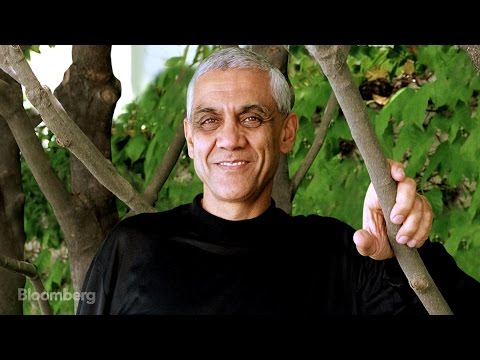
Vinod Khosla (Khosla Ventures Founder) - Bloomberg Interview (Oct 2016)
Venture capitalist Vinod Khosla's journey emphasizes the significance of innovation, embracing failures as learning opportunities, and evaluating the role of education in preparing for modern challenges. Khosla's investment strategy focuses on transformative technologies like AI and nuclear power while addressing societal impacts and advocating for responsible use of powerful technologies.
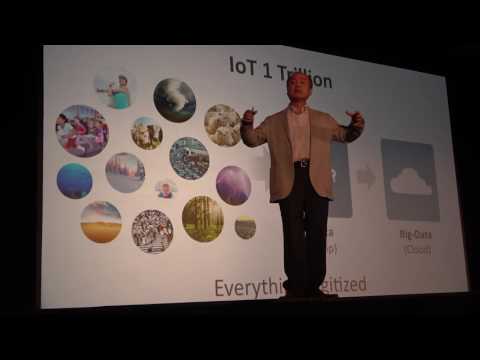
Masayoshi Son (SoftBank Founder) - ARM Techcon Keynote (Oct 2016)
Masayoshi Son, CEO of SoftBank, envisions a future where the Internet of Things (IoT) will undergo an explosion in growth, akin to Earth's Cambrian explosion, fundamentally transforming various industries and human life. While highlighting the immense opportunities this presents, such as advancements in machine learning and big data analytics, Son also emphasizes the critical need for robust security measures and collaborative efforts to realize this technological revolution.
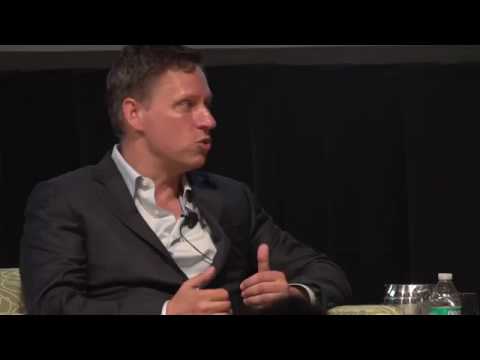
Peter Thiel (Facebook Board of Directors) - American Dream Reconsidered (Oct 2016)
Globalization and technological advancement have been the twin engines of modern progress, but their interplay needs critical examination to address potential negative consequences and ensure equitable and sustainable outcomes. The dynamics of globalization and technological progress have evolved over time, raising questions about their future trajectories and the need for balanced approaches that foster innovation while addressing potential downsides.
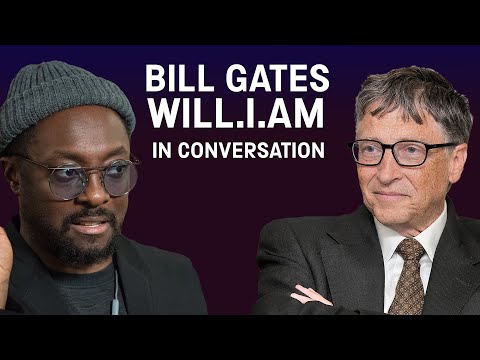
Bill Gates (Microsoft Co-founder) - Bill Gates and will.i.am in conversation (Oct 26, 2016)
Bill Gates and Will I Am discuss the transformative potential of research and development (R&D) and STEM education in addressing societal issues like poverty and disease, while also acknowledging challenges such as social inequity and misinformation. They advocate for responsible regulation of technology, particularly artificial intelligence, and stress the importance of equitable education and international collaboration as essential to harnessing technological advancements for societal good.
Melinda Gates (Gates Foundation) - Fireside Chat with Melinda Gates and Robin Roberts | Salesforce (Oct 6, 2016)
Melinda Gates advocates for a multi-pronged approach to global philanthropy, emphasizing the importance of clear mission statements, data-driven decision-making, and a focus on gender equality. She believes in the power of collaboration and operational efficiency, and underscores the transformative potential of individual actions, particularly in education and social justice.
Vinod Khosla (Khosla Ventures Founder) - Startup Grind Global (Sep 2016)
Vinod Khosla, a venture capitalist and tech entrepreneur, emphasizes the importance of the investor-entrepreneur relationship, founder leadership, and social impact in building successful startups. Khosla also highlights the significance of diversity in the company's gene pool to mitigate risks and foster a strong culture.
Hal Varian (Google Chief Economist) - Hal Varian (Sep 2016)
Hal Varian's journey illustrates the convergence of economics and technology, from his academic pursuits to his influential role at Google, shaping the field of information economics. Varian's insights on economic measurement, career advice, and the impact of globalization provide valuable perspectives in the digital age.
Steven Chu (Stanford Professor) - Climate change and low cost path to clean energy (Sep 2016)
Climate change is real and primarily caused by human activities, and solutions exist for carbon capture and storage. Transitioning to cleaner energy sources, improving fracking practices, and reducing methane emissions are crucial for combating climate change.
Andy Bechtolsheim (Arista Co-Founder) - Digital Transformation Conference (Sep 2016)
Artificial intelligence (AI) has witnessed a surge in investment and innovation, transforming industries and offering new opportunities for businesses and startups. AI's impact is evident in education, healthcare, retail, and e-commerce, driving advancements in pattern recognition, language processing, and intelligent assistance.

Mark Zuckerberg (Facebook Co-founder) - Remarks in Lagos (Aug 2016)
Mark Zuckerberg's visit to Nigeria underscores his vision for global connectivity and empowering entrepreneurs, while his plans for internet access, WhatsApp, and Oculus aim to bridge the digital divide and revolutionize user interaction with technology.
Jeff Dean (Google Senior Fellow) - Large Scale Deep Learning with TensorFlow (Aug 2016)
TensorFlow, an open-source machine learning library, has revolutionized research in speech and image recognition thanks to its scalability, flexibility, and real-world applicability. The framework's distributed systems approach and data parallelism techniques enable faster training and execution of complex machine learning models.

Nassim Nicholas Taleb (Scholar Investor) - Interview on Pandemics (2016)
Economic resilience comes from allowing small crises while managing larger ones; investment decisions should consider an entity's history of overcoming crises. Political structures must adapt to address global challenges effectively.
Masayoshi Son (SoftBank Founder) - SoftBank World Keynote (Aug 2016)
Masayoshi Son, the founder of SoftBank, envisions a future shaped by technological singularity, Internet of Things (IoT), and smart robots, with SoftBank's acquisition of semiconductor company ARM central to this strategy. Son sees an exponentially growing role for IoT in various sectors, anticipates AI's intelligence surpassing human abilities, and stresses the importance of cybersecurity and emotional intelligence in robots as part of SoftBank's broader mission to revolutionize information and enhance human well-being.

Adam D'Angelo (Quora Co-founder) - Knowledge, Experimentation, and Quora | EconTalk (Aug 2016)
Quora revolutionized knowledge sharing with its focus on high-quality content, real names policy, and personalization, while D'Angelo sees personalization as the future and plans to keep Quora independent and public.

Gwynne Shotwell (SpaceX President) - Small Satellite Conference (Aug 2016)
SpaceX prioritizes reusability and innovation to transform space travel, making it more accessible and affordable. The company's focus on small satellites and missions beyond Earth orbit, including Mars, expands opportunities for scientific exploration and human presence in space.
Satya Nadella (Microsoft CEO) - Keynote at the Microsoft Israel R&D Center (2016)
Microsoft aims to reinvent productivity by creating a new information fabric and leveraging intelligence for effective time management and collaboration. The company envisions a future where technology empowers all, ensuring equitable distribution and access to digital resources.

Stan Druckenmiller (Duquesne Capital Management Founder) - Paul Tudor Jones Interview Robin Hood Conference (2016) (2016)
Paul Tudor Jones' investment philosophy emphasizes concentrated bets, risk management, and understanding beta and alpha. His market insights include predictions on interest rates, S&P 500 corrections, and the Eurozone's challenges.
Jessica Livingston (Y Combinator Co-founder) - "How to Build the Future" Interview with Sam Altman (Aug 2016)
In a comprehensive guide based on insights from Y Combinator's Jessica Livingston, key factors for startup success include a strong focus on metrics, adaptability, and specific founder attributes like determination and domain expertise. Livingston also emphasizes the importance of avoiding early-stage distractions, the value of co-founder relationships, and shares Y Combinator's unique approach to startup acceleration.

Danny Hillis (Thinking Machines Corporation Co-founder) - Architecture of the CM-5 (Aug 2016)
The Connection Machine series (CM1 to CM5) played a significant role in the evolution of parallel computing, introducing innovative architectural designs, programming models, and capabilities that set a precedent for future developments in the field. The CM series influenced programming models and architectural design in computing, leaving a lasting legacy in the history of computing technology.
Peter Norvig (Google Director of Research) - The Future of Text Symposium (2016)
Advances in text analysis and research tools, such as Google Scholar, facilitate literature searches and hypothesis validation, while the evolution of writing software focuses on enhancing writability and fostering a flow state for writers. The symposium illuminated multifaceted challenges and opportunities in text preservation, interaction, and analysis, highlighting the dynamic nature of written communication and its role in shaping the future.
Mustafa Suleyman (DeepMind Co-founder) - Technology to Enhance Patient Care (Jul 2016)
DeepMind's AI breakthroughs, ethical approach, and clinician-led design are revolutionizing healthcare with patient-centric technology and impactful solutions like the STREAMS platform. DeepMind Health's commitment to open standards, transparency, and accountability fosters trust and encourages innovation in healthcare.

Masayoshi Son (SoftBank Founder) - ARM Acquisition Press Conference (July 2016)
SoftBank's acquisition of ARM Holdings for £24.3 billion aims to position both companies as leaders in the Internet of Things (IoT) and automotive sectors, with SoftBank planning to finance two-thirds of the deal from its cash reserves. The acquisition is part of SoftBank’s long-term investment strategy and will proceed without major regulatory hurdles, while ARM's technology, dominant in smartphones, is expected to expand further into emerging sectors like autonomous driving.
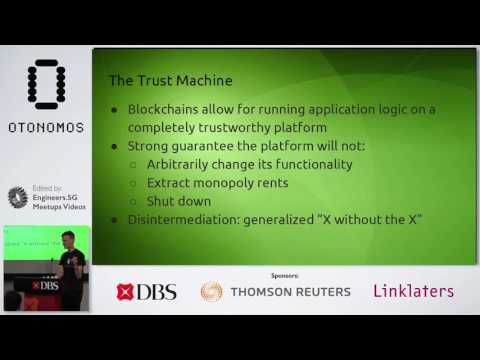
Vitalik Buterin (Ethereum Co-founder) - Crypto 2.0 (Jun 2016)
Blockchain technology has evolved from a niche concept to a global phenomenon, with applications in various sectors including government and finance. Despite its potential, blockchain faces significant challenges such as security risks and governance issues, while its future depends on addressing scalability concerns and developing open standards.
Barack Obama (USA President) - President Obama Participates in a Discussion with Mark Zuckerberg and Entrepreneurs (Jun 2016)
The Global Entrepreneurship Summit emphasized the importance of leadership, technology, and policy in fostering innovation, while acknowledging the challenges entrepreneurs face, such as cultural barriers and funding difficulties. The summit highlighted the role of technology in bridging connectivity gaps and promoting inclusivity, with governments playing a crucial role in expanding digital access and fostering innovation.
Larry Fink (BlackRock Co-founder) - Reimagining Capitalism (Jun 2016)
Brexit's uncertainties have caused market volatility and led to discussions about fiscal stimulus, while potential silver linings include a stronger EU and renewed leadership. Brexit's long-term economic effects are uncertain, but the UK economy is resilient and the central bank will take steps to stabilize the currency.
Sundar Pichai (Google CEO) - Walt Mossberg Code Conference Interview (Jun 2016)
Google's vision for the future involves integrating AI into daily life, making computing ambient and intuitive, and prioritizing user privacy. The company aims to monetize its platforms, including YouTube and Google Play, and address regulatory challenges while fostering open communication and collaboration.
Amory Lovins (Rocky Mountain Institute Co-founder) - India Smart Grid Week (Jun 2016)
India is adopting renewable energy sources and energy efficiency measures to transform its electricity system and achieve sustainable development, with a focus on LEDs, photovoltaics, and wind power. India's energy efficiency efforts, coupled with renewable energy adoption, can lead to a future where coal and oil are no longer necessary.
Barack Obama (USA President) - President Obama and Mark Zuckerberg Speak at GES 2016 (June 2016)
Entrepreneurship is vital for global progress, fostering innovation, diversity, and economic prosperity by addressing global challenges and empowering marginalized communities. Governments and technology play crucial roles in creating conducive environments for entrepreneurship, with connectivity and infrastructure development being key enablers.
Raghuram Rajan (University of Chicago Professor) - The World Economy (Jun 2016)
Central banking frameworks, technological impact on productivity, and India's economic trajectory were discussed with an emphasis on inflation control, corruption reduction, and economic reform. Raghuram Rajan's expertise in central banking and economics provided valuable insights into global and Indian economic dynamics, including challenges and potential growth opportunities.
Geoffrey Hinton (Google Scientific Advisor) - Neural Networks for Language and Understanding | Creative Destruction Lab Machine Learning and Market for Intelligence conference (May 2016)
Neural networks, inspired by biological neurons, have revolutionized fields like speech and object recognition, but face challenges in achieving human-level AI, particularly in natural reasoning and understanding context.
Bill Gates (Microsoft Co-founder) - Academy of Achievement Interview (May 2016)
The text examines Bill Gates' transformational leadership in the tech industry, detailing how his early experiences, strategic partnerships, and licensing model propelled Microsoft's success and reshaped the software landscape. It also highlights Gates' broader impact beyond technology, including his role in initiating discussions on intellectual property and his philanthropic work in global health and education.
Diane Greene (Google SVP Google Cloud) - Future of Cloud & IT (May 2016)
Diane Greene's journey from co-founding VMware to leading Google Cloud showcases her innovative spirit, resilience, and strategic thinking in transforming virtualization and cloud computing. Greene's leadership in developing and promoting containerization and Kubernetes at Google Cloud has shaped the future of cloud computing.
Raghuram Rajan (University of Chicago Professor) - Rethinking the Global Monetary System (May 2016)
The global economy faces challenges like uneven recovery, aging populations, and productivity slowdown. A revised monetary framework is needed to address these challenges and minimize negative spillovers.
Ray Dalio (Bridgewater Founder) - Milken Institute Conference: Meaningful Work and Relationships (May 2016)
Raymond Dalio's organizational philosophy at Bridgewater Associates integrates psychology and market dynamics, advocating for a culture of "radical transparency" and "idea meritocracy," facilitated by computational decision-making tools. The approach values conflict as a learning opportunity, emotional intelligence as a critical skill, and emphasizes both personal and professional development, aiming for a balance that can be scaled to other organizations and contexts.

Ratan Tata (Tata Group Chairman Emeritus) - Remarks at Jungle Ventures (Apr 2016)
Ratan Tata's tenure at Tata Group transformed the company into a global conglomerate, while his venture capital investments fostered innovation and entrepreneurship in India. Tata emphasizes the importance of innovation-friendly environments, ethical leadership, and government support for startups.
Bill Campbell (Intuit Chairman) - Bill Campbell on the Naming of the Campbell Trophy (Apr 2016)
Bill Campbell's speech emphasized the importance of academic excellence in college football and his commitment to maintaining high academic standards in the sport. Campbell's journey from the football field to the boardroom showcased his dedication to excellence in both domains.

Ratan Tata (Tata Group Chairman Emeritus) - Jungle Ventures Talk Part 1 (Apr 2016)
Ratan Tata's business philosophy emphasizes integrity, innovation, and long-term success, while acknowledging the challenges faced by startups in corporate environments and the importance of ethical conduct in scaling startups. Startups face hurdles in dealing with large corporations, but Tata encourages entrepreneurs to trust their instincts, embrace challenges, and pursue innovative ideas.
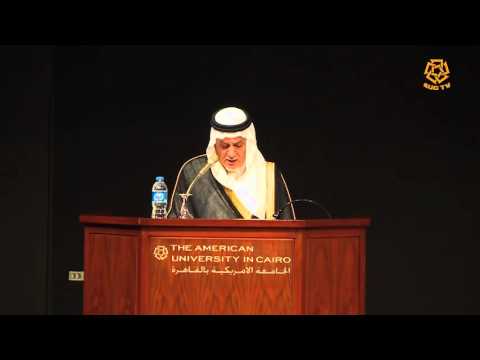
Prince Turki Al Faisal (Saudi Arabia Former Government Official) - AUCTV (Apr 2016)
Middle East nations face challenges such as instability, terrorism, and the Arab-Israeli conflict, but reforms, modernization, and regional cooperation can lead to a stable and prosperous future. Research, education, and collaboration play key roles in addressing these challenges.
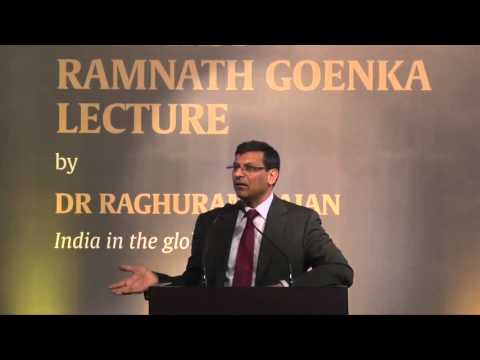
Raghuram Rajan (University of Chicago Professor) - Ramnath Goenka Lecture (Mar 2016)
India's strategy to counter global challenges includes macroeconomic stability, fiscal consolidation, banking sector reforms, and productivity enhancement. India's exchange rate stability and engagement in global discourse aim to boost exports and assert influence beyond power dynamics in international organizations.
Rodney Brooks (Rethink Robotics Co-founder) - SXSW (Mar 2016)
Rodney Brooks offers a balanced perspective on robotics, highlighting their potential benefits while urging caution regarding ethical implications and AI overestimations. He emphasizes the importance of a measured approach, continued exploration, innovation, and ethical vigilance in the field of robotics.

Peter Norvig (Google Director of Research) - Deep Learning and Understandability vs Software Engineering and Verification (Mar 2016)
The intersection of machine learning and software engineering is changing the landscape, offering new dimensions of efficiency and capability while also introducing challenges such as technical debt and data issues. Machine learning is revolutionizing software engineering, promising new efficiencies and capabilities, but also presenting challenges in tool development and data management.
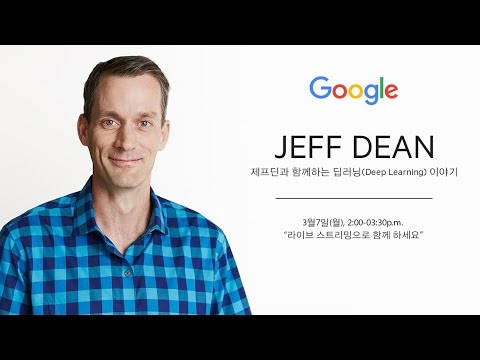
Jeff Dean (Google Senior Fellow) - Large-Scale Deep Learning for Intelligent Computer systems (Mar 2016)
Deep neural networks have revolutionized machine intelligence, transforming the way machines process vast arrays of information, particularly in visual, perceptual, and speech data. These networks have enabled significant advancements in search engines, language understanding, computer vision, and other AI applications, leading to enhanced user experiences and reshaping human interaction with technology.
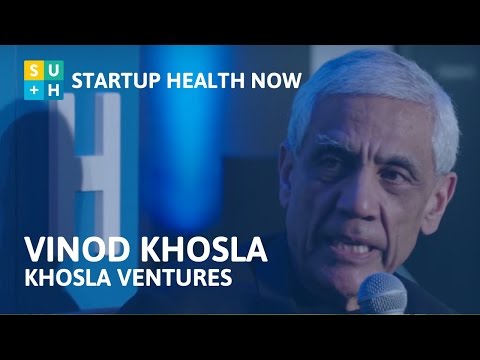
Vinod Khosla (Khosla Ventures Founder) - Investing in Healthcare Moonshots (Mar 2016)
Healthcare innovation requires bold ideas, technology, and entrepreneurs with vision, mission, and passion for transformative change. Entrepreneurs who embrace risk and learning, and seek feedback, will drive the future of personalized, efficient, and accessible healthcare.
Ram Shriram (Sherpalo Ventures Founder) - Keynote at Stanford Law for Venture Backed Company Directors (Mar 2016)
Successful startups prioritize scale, execution, and user-centricity, but face challenges in fundraising during uncertain market conditions and must adapt their strategies accordingly.
John Hennessy (Stanford President) - Great Leadership Can Be Learned (Feb 2016)
John Hennessy's leadership at Stanford emphasized innovation, risk-taking, and collaboration, transforming the university into a leader in entrepreneurship and education. Stanford's diverse and welcoming environment attracts talented individuals, fostering creativity and interdisciplinary collaboration.

Stephen Hawking (University of Cambridge Professor) - Black holes ain't as black as they paint them (Feb 2016)
Stephen Hawking's theories revolutionized our understanding of black holes and the universe, introducing the concept of Hawking radiation and challenging the principle of information conservation. His work also explored extra dimensions, philosophical questions about determinism and free will, and the possibility of other universes.
Vinod Khosla (Khosla Ventures Founder) - Startup Grind Global Conference 2016 (Feb 2016)
Investors in startups should challenge assumptions and encourage diverse perspectives, while founders should retain the CEO position for their intrinsic understanding of the company's mission and strategy.

Jennifer Doudna (UC Berkeley Professor) - CRISPR Biology, A New Era in Genome Engineering (Feb 2016)
CRISPR-Cas9 genome editing revolutionizes medicine and ethics, enabling precise genetic modifications with potential applications in research, medicine, agriculture, and biotechnology, while raising ethical and societal concerns. CRISPR-Cas9, a revolutionary genome editing tool, offers immense potential in medicine and research but necessitates responsible handling due to ethical and societal considerations.
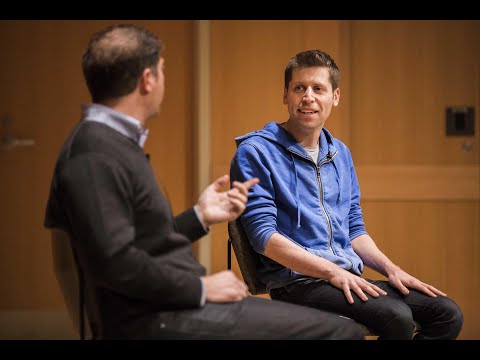
Sam Altman (Y Combinator President) - Interview at WashU Engineering (Feb 2016)
The discussion between Aaron Bobik and Sam Altman focused on the integration of entrepreneurship into engineering education and the essential factors for startup success, such as user engagement, co-founder selection, and adaptability. They emphasized the changing societal perceptions of startups as legitimate career options and the role of accelerators like Y Combinator in fostering global innovation.
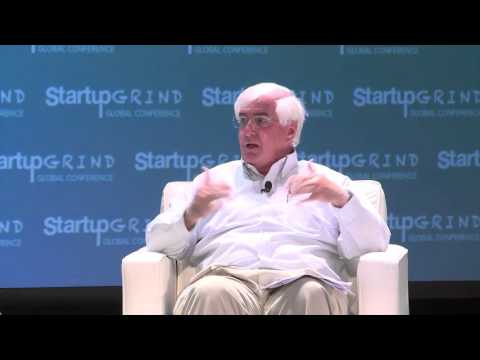
Ron Conway (SV Angel Founder) - Startup Grind Global (Feb 2016)
Forward.us, led by Mark Zuckerberg and Ron Conway, advocates for comprehensive immigration reform to support entrepreneurship and innovation in America. Ron Conway emphasizes the need to retain educated immigrants and provide pathways to citizenship for undocumented immigrants to contribute fully to society.
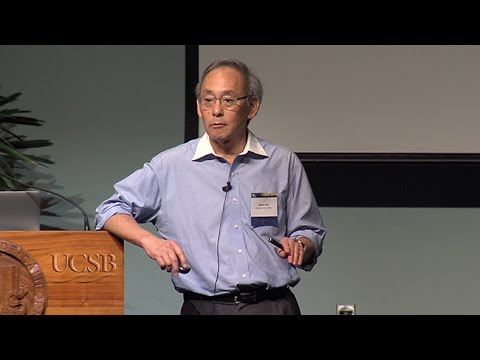
Steven Chu (Stanford Professor) - The International Year of the Light Symposium Session 3 (Feb 2016)
Earth's photosynthetic life and climate modes shaped its atmosphere and influenced energy sources like fossil fuels. Steven Chu's work in atomic physics, solar energy, and microscopy showcases how light continues to drive scientific advancements and societal progress.
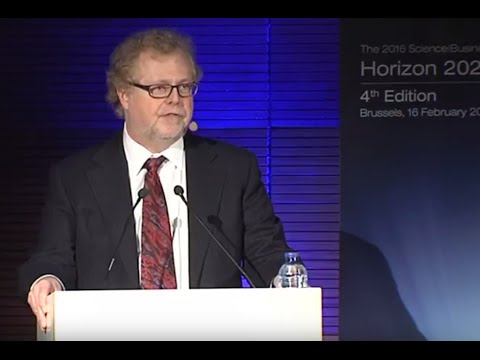
Nathan Myhrvold (Intellectual Ventures Co-founder) - Myhrvold talks about disruptive innovation in Europe (Feb 2016)
Europe lags behind in embracing disruptive innovation, especially in the tech sector, while China's technological strength is rising, posing a challenge to Europe's position in the global technology race.
Dharmesh Shah (HubSpot Co-founder) - Stanford Seminar - Enntrepreneurial Thought Leaders (Feb 2016)
HubSpot's emphasis on culture, transparency, and inclusivity contributed to its market success and employee satisfaction. A well-defined and positive culture can make a startup more appealing to potential customers, investors, and partners.

Amory Lovins (Rocky Mountain Institute Co-founder) - Reinventing Fire (Feb 2016)
The world is transitioning from fossil fuels to clean energy sources like renewables to address escalating costs to security, economy, health, and environment. A sustainable energy future demands efficient energy utilization, policy reforms, and industry innovations to tackle cultural barriers and optimize resources.
Elon Musk (Tesla CEO) - Q&A in Paris (Jan 29, 2016)
Elon Musk outlined Tesla's multi-faceted strategy focused on international expansion, particularly in Europe, and innovation in automotive technology including autonomy and energy storage solutions. He also discussed the importance of customer support, the challenges posed by regulations, and broader concerns about the impact of artificial intelligence, all while maintaining Tesla’s commitment to sustainability and market differentiation.
Raghuram Rajan (University of Chicago Professor) - Davos (Jan 2016)
India's economy shows positive signs of recovery with declining inflation, manageable current account deficit, and initiatives promoting entrepreneurship and financial inclusion, despite global challenges. Raghuram Rajan, India's Reserve Bank Governor, emphasizes the need for stability, prudent policies, and long-term fundamentals to navigate economic complexities.
Vitalik Buterin (Ethereum Co-founder) - DEVCON 1 (Jan 2016)
Ethereum's Turing-complete scripting language and smart contracts revolutionized industries by enabling the creation of decentralized applications and autonomous programs. Ethereum's mining algorithm, Ethash, is designed to resist ASIC optimization and distribute mining more evenly among GPUs, making it more accessible.
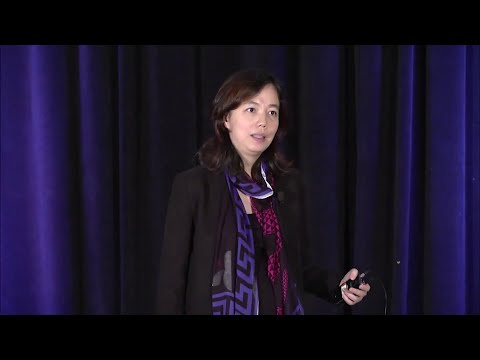
Fei-Fei Li (Stanford Professor) - Teaching Computers to See with Big Data (Dec 2015)
Computer vision teaches machines to perceive and understand visual data, unlocking the vast potential of images and videos in fields like self-driving cars, medical imaging, and beyond. Despite advancements, challenges remain in recognizing objects in context, interpreting video data, and understanding complex visual scenarios.

Stan Druckenmiller (Duquesne Capital Management Founder) - The Other Investors' Perspective | Dealbook Conference (Nov 2015)
Stan Druckenmiller criticizes the Fed's policies for distorting markets and causing irrational behaviors, while expressing a pessimistic outlook for equities and a cautious investment approach.

Alan Kay (VPRI Co-founder) - The Dynabook/Past, Present and the Future part 2 (VPRI 930) (Nov 2015)
PARC's innovations in the 1970s, led by Adele Goldberg, revolutionized human-computer interaction with the Alto's GUI and Smalltalk's intuitive programming language, shaping modern computing and education. These innovations emphasized simplicity, user engagement, and joyful discovery, inspiring future advancements in personal computing and graphical user interfaces.

Prince Turki Al Faisal (Saudi Arabia Former Government Official) - Negotiating Across Barriers (Nov 2015)
The Middle East faces challenges due to conflicts, state-building struggles, and shifting global and regional leadership roles. Diplomacy and collaboration among key regional players are crucial for addressing these issues and promoting stability and humanitarian efforts.

Nikesh Arora (Softbank President) - NASSCOM Product Conclave 2015 (Nov 2015)
SoftBank's investment strategy focuses on long-term value creation, adaptability, and supporting young innovators, especially in emerging markets like India, to drive sustainable growth and innovation. By emphasizing financial prudence and celebrating returns rather than initial investments, SoftBank aims to shape a resilient future for the global startup ecosystem.
Vinod Khosla (Khosla Ventures Founder) - CNBC Interview (Nov 2015)
Fintech innovation thrives on analytics, machine learning, blockchain, and favorable regulations, led by visionary entrepreneurs. Vinod Khosla encourages startups to explore global opportunities and provides more than just capital to invested companies, emphasizing the importance of value-added support.
Diane Greene (VMWare Co-founder) - Scaling Products and Culture at VmWare (Nov 2015)
Diane Greene's leadership at VMware emphasized hiring talented individuals, encouraging innovation, and fostering a culture of transparency and collaboration. VMware's success stemmed from its channel-neutral strategy, diverse sales approaches, and commitment to product evolution through strategic partnerships.
Vinod Khosla (Khosla Ventures Founder) - Investing in the Future of Healthcare (Oct 2015)
Advances in data science and technology are transforming medicine from a practice based on measurable variables to a personalized, data-driven approach, promising improved accuracy, reduced costs, and patient empowerment. This transition presents challenges, but it also offers opportunities for innovation and revolutionizes healthcare.
Vinod Khosla (Khosla Ventures Founder) - "I'm a Glorified Recruiter" (Oct 2015)
Entrepreneurs must balance steadfastness and flexibility, adapting tactics based on learning while remaining committed to their vision. Khosla emphasizes the importance of emerging technologies like VR, AR, 3D printing, and AI, while recognizing the significance of proteomics and metabolomics in healthcare.
Nassim Nicholas Taleb (Scholar Investor) - Chaire PARI confrence bercy (Oct 2015)
Traditional financial models are limited in capturing the complexity and unpredictability of real-world financial systems, necessitating a multidimensional approach that incorporates agent-based models and emphasizes skin in the game for effective risk management and decision-making.
Diane Greene (VMWare Co-founder) - UC Berkeley Lecture (Oct 2015)
Diane Greene's proactive career choices and embrace of opportunities led to her success in the tech industry, while VMware's pivot from edge computing to server consolidation proved pivotal for the company's growth.
Mark Zuckerberg (Facebook Co-founder) - IIT Delhi Townhall Q&A Highlights (Oct 2015)
Mark Zuckerberg emphasizes the value of community engagement and connectivity for economic growth and societal progress, with initiatives to expand internet access and provide immersive online experiences. He advocates for net neutrality regulations that protect users while also promoting internet inclusivity and access expansion.
Sebastian Thrun (Udacity Co-founder) - Universal Law of Innovation (Sep 2015)
Sebastian Thrun's passion for solving societal problems led him to focus on self-driving cars and education, using logical execution and rapid iteration to drive innovation and achieve societal impact. Thrun's methodical approach and unwavering dedication to improving society through technology serve as an inspiration for aspiring innovators.

Satya Nadella (Microsoft CEO) - Dreamforce 2015 Keynote (Sep 2015)
Microsoft's transformation under Satya Nadella emphasizes a growth mindset, diversity, and a focus on innovative technologies to revolutionize work and user experiences. The company's cloud business and data-driven approach are key to its success, with HoloLens representing a groundbreaking mixed reality innovation.

Geoffrey Hinton (Google Scientific Advisor) - Some Applications of Deep Learning | IPAM UCLA (Aug 2015)
Deep neural networks have revolutionized speech and object recognition, reducing error rates and enabling accurate predictions. Deep learning approaches have also opened new frontiers in document and image retrieval, enhancing efficiency and accuracy.
Elon Musk (Tesla) - in Detroit (2015)
Elon Musk's vision for Tesla centers on accelerating the development of electric vehicles (EVs) as a vital step toward sustainable transportation, involving strategic risks in technology and market disruption. The company's key challenges moving forward include scaling production capabilities, achieving financial stability, and fulfilling its broader societal and environmental commitments.
Ruth Porat (Alphabet CFO) - New Establishment Summit (2015)
Ruth Porat's integration into Google's culture and emphasis on transparency led to a more focused and sustainable business approach, while Bethany McLean's focus on long-term value creation and diversity in leadership influenced Google's strategies and philosophies.
Rakesh Jhunjhunwala (Investor ) - FLAME Investment Lab | 2015 (2015)
Rakesh Jhunjhunwala emphasizes the need for reforms in India and highlights the importance of fundamental research and adaptability in investment and trading strategies. Despite global economic uncertainty, he remains bullish on India's long-term growth potential.
Prince Turki Al Faisal (Saudi Arabia Former Government Official) - Arab-U.S. Policymakers Conference (2015)
Saudi Arabia's foreign policy aims to promote unity and stability in the Middle East, while combating sectarianism and radicalism, and upholding responsibilities towards the Islamic community and global affairs. The Kingdom's efforts focus on fostering unity among Arab Gulf states, stabilizing the region, countering extremism, and promoting inter-sectarian dialogue.

Stan Druckenmiller (Duquesne Capital Management Founder) - Bloomberg Encore (2015)
Stanley Druckenmiller criticized the Federal Reserve's low-interest rate policy and argued for an earlier rate hike to prevent asset bubbles and financial instability. He challenged Ray Dalio's analogy of the current economic climate to 1937, highlighting stark differences such as record-high stock prices and household net worth.
Peter Thiel (Facebook Board of Directors) - We are in a Higher Education Bubble (Jul 2015)
Peter Thiel challenges conventional notions of success and education, advocating for non-conformity, creativity, and technological innovation as keys to progress. He emphasizes the importance of vertical progress, represented by technology, in creating valuable businesses and driving innovation.
Elon Musk (SpaceX Co-Founder) - International Space Station National Laboratory (July 7, 2015)
Elon Musk, as the CEO of SpaceX and co-founder of multiple other companies, focuses on key factors like reusability and technological innovation, such as 3D printing, to make space travel more economical and efficient. Alongside this, he values transparent collaboration with regulatory bodies like NASA and the FAA, seeing public-private partnerships as crucial for advancing space technology and ensuring mission success.
Peter Norvig (Google Director of Research) - The Future Learning Summit at Stanford (Jun 2015)
Technology is transforming education by fostering innovative learning experiences and enabling collaboration among educators, researchers, and students. The challenge lies in integrating technology effectively, addressing bottlenecks, and developing pedagogical approaches that cater to diverse learning styles.

Lee Hsien Loong (Singapore Prime Minister) - SMU Ho Rih Hwa Lecture Q&A (Jun 2015)
Singapore must focus on resilience and adaptability to overcome economic uncertainties and equip students with skills for a rapidly changing world. Prime Minister Lee emphasizes balancing technological advances with human values and maintaining Singapore's unique identity.
Ratan Tata (Tata Group Chairman Emeritus) - Ratan N. Tata receives Honoris Causa degree at HEC Paris (Jun 2015)
Ratan Tata, former chairman of Tata Group, was honored by HEC Paris for his innovative spirit, commitment to ethics, and global business success. Despite challenges with acquisitions and ethical dilemmas, Tata maintained integrity and achieved growth without compromising values.

Sam Altman (Y Combinator President) - Career Advice (Jun 2015)
Early career choices can significantly impact long-term success, and founding companies can be a path to creating a significant impact in the world. Startups can revolutionize industries and change assumptions about how things work.
Ron Conway (SV Angel Founder) - TechCrunch Disrupt (May 2015)
Tech industry leaders have a civic responsibility to address social challenges like wealth inequality, workforce development, and the housing crisis. The tech industry can make a positive impact through civic engagement, philanthropy, and collaboration with educational institutions and government agencies.

Peter Norvig (Google Director of Research) - How Computers Learn (Mar 2015)
Machine learning, a key pillar of AI, enables computers to learn from data and solve complex tasks without explicit programming, while AI faces challenges such as algorithmic inaccuracies, privacy issues, and the risk of false positives.

Lee Hsien Loong (Singapore Prime Minister) - eulogy for the late Mr Lee Kuan Yew (March 2015)
Lee Kuan Yew, the founding father of Singapore, is credited with transforming the country from a fledgling post-colonial territory into a global powerhouse through visionary leadership in economic development, social inclusivity, and national security. His lasting legacy also includes a focus on environmental sustainability, compassionate governance, and a system for leadership succession, ensuring long-term stability and influence both nationally and internationally.

Carver Mead (CalTech Professor) - The Universe and Us (Mar 2015)
The evolution of scientific understanding in physics involves a continuous rethinking of theories and paradigms, from Galileo's experiments to quantum theory and Einstein's relativity. The field stands on the brink of potentially groundbreaking discoveries in gravitational physics, which could reshape our understanding of the universe.
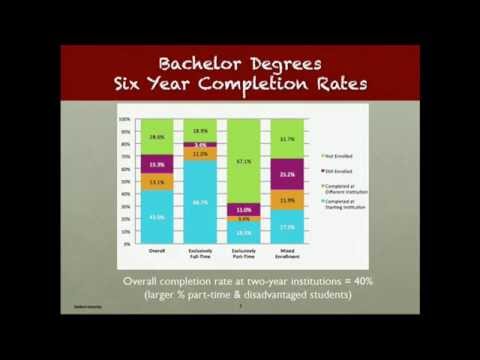
John Hennessy (Stanford President) - American Council on Education Annual Meeting (Mar 2015)
Online technologies have the potential to address challenges in higher education such as rising costs, low completion rates, and lack of access, but there are still challenges to overcome such as ensuring the quality of online learning, maintaining student engagement, and preventing fraud and cheating. Online technologies can transform higher education by enhancing access, reducing costs, and improving learning outcomes, but collaboration between faculty and online learning experts is essential to address challenges such as ensuring quality, maintaining engagement, and preventing fraud.

Amory Lovins (Rocky Mountain Institute Co-founder) - Winning the Oil Endgame (Mar 2015)
Amory Lovins' advocacy for energy efficiency and renewable energy sources aims to enhance national security, economic competitiveness, and environmental sustainability. Lovins proposes a multifaceted approach to reduce oil reliance and transition to a hydrogen-based transportation system, emphasizing vehicle efficiency, biofuels, and policy innovations.
Doug Engelbart (Doug Engelbart Institute Founder) - Week 1 of 10 (Mar 2015)
Collaborative environments and reliable systems are key to addressing modern challenges in technology and knowledge work, with the need for continuous improvement, distributed governance, and high-performance teams. These ideas emphasize the integration of diverse perspectives and technologies for more interconnected, secure, and efficient knowledge systems.
Hal Varian (Google Chief Economist) - Google and Social Science Research (Feb 2015)
Google Correlate, Trends, and Consumer Surveys can improve predictive modeling and economic forecasting, but spurious correlations must be avoided. Google data tools have been used successfully to nowcast economic activity and target product marketing.

Peter Thiel (Facebook Board of Directors) - Zero to One (Feb 2015)
Peter Thiel's views challenge conventional wisdom, arguing that monopolies can be beneficial and innovation often involves complex coordination and market strategy.

Prince Turki Al Faisal (Saudi Arabia Former Government Official) - Davos 2015 - Iraq and Syria The Strategic Context (Feb 2015)
The complex security environment in Iraq involves multiple forces vying for dominance, and the lack of coordination among them hinders the fight against ISIS. Political reconciliation and addressing grievances are crucial for long-term stability in Iraq and the region.
Peter Thiel (Facebook Board of Directors) - Developing the Developed World (Feb 2015)
Peter Thiel, an influential innovator and investor, challenges conventional wisdom in various domains, advocating for monopoly, contrarian entrepreneurship, and rethinking education and social entrepreneurship. Thiel's perspectives offer unique insights into innovation, the pitfalls of conformity, and the potential of unconventional thinking to drive progress.
Vaclav Smil (University of Manitoba Professor) - Energy (Feb 2015)
The global energy landscape is intricate, balancing consumption patterns, technological advancements, and socio-economic disparities, requiring sustainable practices to reduce reliance on fossil fuels. Immediate action is essential to address sustainable energy consumption and reduce reliance on fossil fuels, as waiting for crises to force action is not viable.
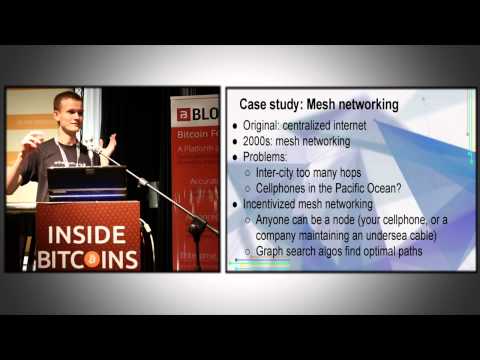
Vitalik Buterin (Ethereum Co-founder) - Ethereum and the Power of Abstraction in Human History (Jan 2015)
Blockchain technology offers transparency, but challenges include slow execution and higher costs due to the trade-off between decentralization and efficiency. Decentralization has evolved from centralized intermediaries to decentralized databases and is now moving towards replacing centralized intermediaries with market mechanisms.

Jennifer Doudna (UC Berkeley Professor) - Remarks at Rosalind Franklin Society (Jan 2015)
CRISPR-Cas9, a groundbreaking genome editing system, utilizes RNA-guided DNA cleavage to manipulate genomic DNA, revolutionizing genetic research and holding promise for disease treatment. CRISPR-Cas9's discovery originated from studying bacterial defense mechanisms against viruses and has since transformed into a versatile tool for precise genome editing with broad applications in various fields.
Prince Turki Al Faisal (Saudi Arabia Former Government Official) - World Policy Conference Seoul (Dec 2014)
The Middle East's multifaceted problems include terrorism, regional conflicts, governance issues, and the Israeli-Palestinian impasse, requiring a nuanced, inclusive approach to achieve stability and peace. Tackling the Syrian crisis demands an inclusive approach, addressing the Assad regime's role and empowering the Syrian people to find their own solution.

Kenneth Chenault (American Express President) - CNBC Interview (Dec 2014)
American Express transformed under Ken Chenault's leadership through reinvention, innovation, and strategic partnerships, including Apple Pay and McDonald's, to meet evolving customer needs and enhance inclusivity.
Jerry Yang (Yahoo Founder) - PandoMonthly Fireside Chat (Dec 2014)
Jerry Yang and Anil Bushrey's leadership and innovation journeys in the tech industry provide lessons on staying close to product innovation, customer focus, and adapting to changing market conditions. Both emphasized culture, customer focus, and continuous innovation as key to success in the tech industry.
Jerry Yang (Yahoo Founder) - Mobile Innovation in China (Dec 2014)
China's internet sector experienced meteoric growth and leapfrogged traditional e-commerce paths due to unique circumstances, while Chinese entrepreneurs excel in product creativity and differentiation, leading to the emergence of China-first applications.

Sam Altman (Y Combinator President) - How to Start a Startup: Later Stage Advice (Dec 2014)
Sam Altman's guide for startup scaling focuses on the transition from early-stage focus on product-market fit to more complex management structures, emphasizing the roles of Human Resources, long-term planning, and founder adaptability. He addresses common mistakes like poor delegation and neglect of HR, while also covering productivity, emotional well-being, and strategic concerns like intellectual property and business development.
Robin Hayes (JetBlue President) - Remarks at NYU Stern (Dec 2014)
JetBlue Airways has evolved from a single-class operator to a multi-fleet airline offering a premium experience, focusing on profitability and customer satisfaction. Under Robin Hayes's leadership, JetBlue has diversified its fleet and expanded its premium experience with Mint, aiming for profitable growth in Latin America and potentially transatlantic routes with the Airbus A321neoLR.

George Soros (Soros Fund Management Founder) - Mortgage Crisis, And The Credit Crash and Solution (Nov 2014)
The recent financial turmoil is rooted in misconceptions and credit expansion, with George Soros advocating for systemic reforms and sustainable solutions like regulating credit and investing in non-polluting fuel sources. Globalization and the dollar's dominance as a reserve currency have led to the current phase of financial crises, requiring a rethinking of economic policies and regulatory frameworks.

Prince Turki Al Faisal (Saudi Arabia Former Government Official) - LA World Affairs Council and Town Hall (Nov 2014)
Saudi Arabia seeks regional stability through conflict resolution, anti-terrorism efforts, and diplomatic initiatives, emphasizing the need for collective action and addressing sectarian tensions. The kingdom's evolving stance on governance, human rights, and counterterrorism reflects its proactive role in promoting regional peace and security.
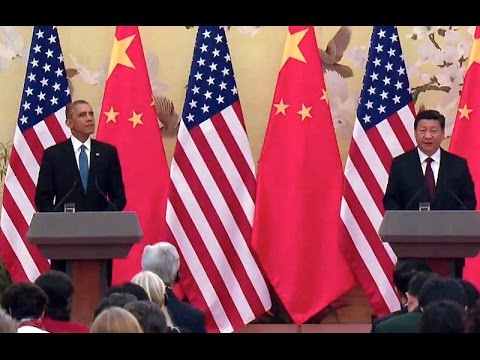
President Obama (The Obama White House President) - President Obama Joins President Xi of China in a Joint Press Conference (Nov 12, 2014)
Recent state visits between the U.S. and China have established avenues for cooperation in economics, military relations, and climate change, while also addressing ongoing challenges like geopolitical concerns and human rights. Both nations express a commitment to diplomacy and direct dialogue as mechanisms to navigate the complexities inherent in their relationship, recognizing its broader significance for global stability.
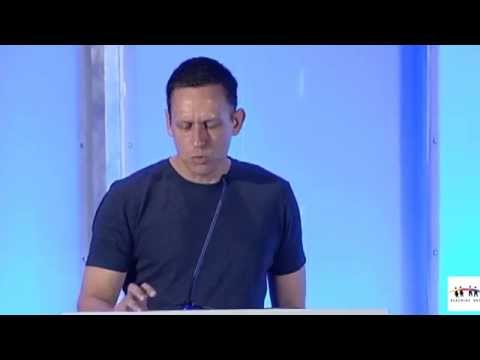
Peter Thiel (Facebook Board of Directors) - Peter Thiel at LGBT MBA Conference (Oct 2014)
Peter Thiel challenges conventional wisdom in entrepreneurship, advocating for uniqueness and innovation over competition and imitation. He encourages entrepreneurs to ask contrarian questions and seek value in unconventional areas to achieve long-term success and personal fulfillment.
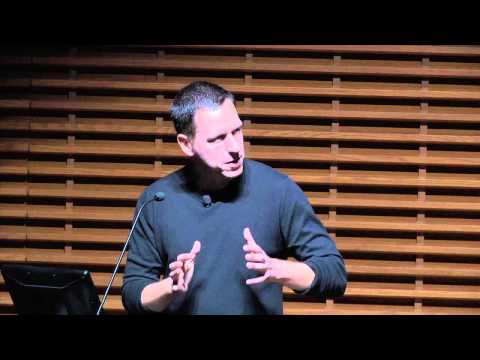
Peter Thiel (Facebook Board of Directors) - Zero to One | Stanford Law (Oct 2014)
Peter Thiel advocates for unconventional business ideas, monopoly over competition, and exploring untapped secrets to achieve entrepreneurial success. He challenges conventional thinking and emphasizes the importance of vertical progress, innovation, and independent thinking in business and society.
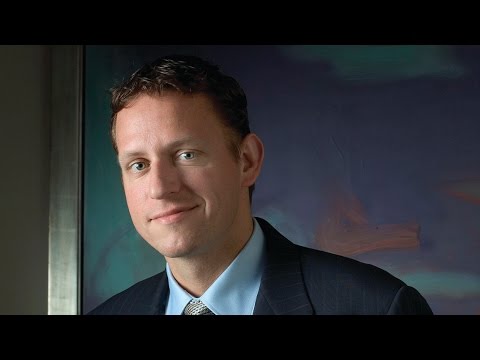
Peter Thiel (Facebook Board of Directors) - Pandodaily Interview (Oct 2014)
Peter Thiel's lecture emphasized contrarian thinking and the importance of creating monopoly-like businesses to foster innovation and lasting success. He critiqued the prevalence of competition, arguing that it can lead to a fixation on short-term gains and hinder long-term value creation.

Gwynne Shotwell (SpaceX President) - Society of Women Engineers (Oct 2014)
The WE14 conference highlighted the progress, innovation, and spirit of change in engineering and science, and celebrated women's contributions in STEM fields globally. Gwen Shotwell's journey at SpaceX showcased her commitment to innovation, leadership, and balancing a demanding career with family life.
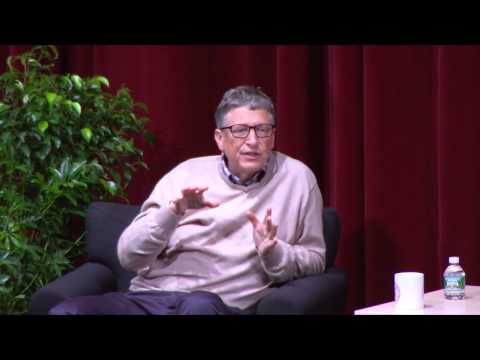
Bill Gates (Gates Foundation) - Interview @ Cornell (Oct 1, 2014)
Bill Gates has significantly impacted various fields, from revolutionizing personal computing through Microsoft to addressing global challenges in health and education via the Bill and Melinda Gates Foundation. He also engages in thought leadership on educational reform, the urgency of climate action, and social policies, advocating for a future that balances technological innovation with social equity and sustainability.

Peter Thiel (Facebook Board of Directors) - Innovation and Stagnation (Sep 2014)
Peter Thiel's discussion emphasizes the societal stagnation in innovation due to institutional homogenization, educational conformity, and political correctness, calling for cultural and political shifts to embrace non-conventional thinking and risk-taking. Thiel criticizes higher education's conformity and lack of innovation, advocating for paths that encourage critical thinking and unconventional approaches.
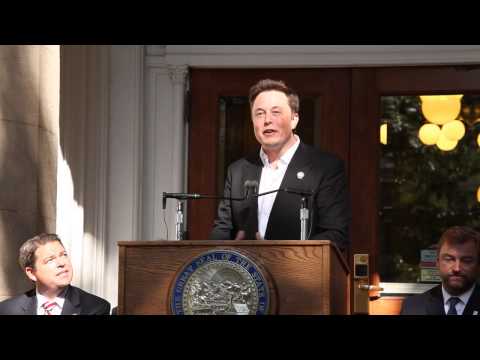
Elon Musk (Tesla CEO) - Tesla Gigafactory Announcement (Sep 2014)
Tesla's Gigafactory in Nevada is projected to generate $100 billion in economic impact over 20 years and create 22,500 new jobs, while also revolutionizing education through significant investments in K-12 and research.
Vinod Khosla (Khosla Ventures Founder) - Q/A Session on Healthcare | ASE BIGDATA/SOCIALCOM/CYBER SECURITY Conference, Stanford (Sep 2014)
Data science, including machine learning and AI, has the potential to significantly improve diagnostic accuracy and guide biological research in medicine, but challenges such as data privacy and the need for collaboration between data scientists and medical professionals must be addressed.
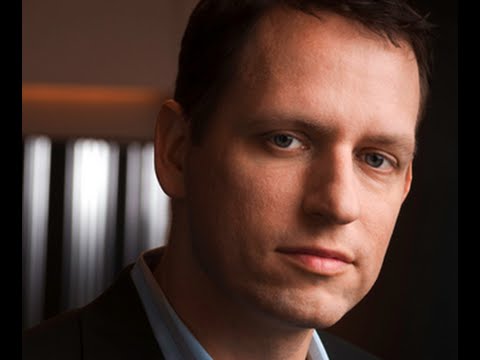
Peter Thiel (Facebook Board of Directors) - Disruptive business (Sep 2014)
Disruption in technology leads to intense competition and lack of differentiation; Thiel advocates for a "monopoly mindset" with focus on unique products and niche markets. The disparity in innovation between the digital and physical worlds is attributed to contrasting regulatory environments, with bits being relatively unregulated and atoms facing heavy regulation.
Elon Musk (Tesla) - Tesla’s arrival in Japan (September 8, 2014)
Tesla is investing significantly in Japan, with plans to expand its Supercharger network and focus on solar power, aiming to make Japan its third-largest market. The partnership will leverage Japanese technology, particularly from Panasonic, and also contribute to Japan's transition toward electric vehicles and sustainable energy.

Ron Conway (SV Angel Founder) - How to Raise Money with Marc Andreessen, Ron Conway, and Parker Conrad (HtSaS 2014 (2014)
Venture capital investment should be secondary to developing a compelling business that naturally attracts investors. Founders should focus on building a strong foundation, team, and product, while investors should adopt a systematic approach to their investments.
Raghuram Rajan (Reserve Bank of India Governor) - UN Young Changemakers Conclave (2014)
Infrastructure development, human capital enhancement, and youth empowerment are key to India's economic growth and global leadership. Inclusive growth, financial inclusion, and innovation in governance are essential for sustainable development in India.
Elon Musk (Tesla, SpaceX) - interview with Auto Bild (2014)
Elon Musk discusses his intense work ethic, including 80 to 100-hour work weeks, and credits team-driven leadership for the successes of SpaceX and Tesla. He also explores the emotional challenges of entrepreneurship, highlights his willingness to take extreme risks, and balances global ambitions with personal well-being.
Sergey Brin (Google Co-founder) - Self Driving Into the Future (2014) (2014)
Google has evolved from a research project to a multifaceted tech giant, navigating controversies and security challenges while pushing boundaries with innovative technologies. Sergey Brin's vision drives Google's ambitious projects, balancing innovation with societal implications and a responsibility to be a responsible world citizen.
Larry Page and Sergey Brin (Google Co-founders) - Fireside chat with Vinod Khosla (Jul 2014)
Google's co-founders, Larry Page and Sergey Brin, attribute the company's success to a long-term vision, diversified innovation, and a balanced approach to societal and governance issues. Their philosophy serves as a multifaceted blueprint for modern business leadership, addressing challenges ranging from technological evolution to ethical dilemmas.
Nelson Mandela (South Africa President) - Remarks at Harvard (Jul 2014)
Nelson Mandela's visit to the United States showcased his humor, humility, and commitment to global equality, while his speech at Harvard emphasized the need for addressing disparities and rethinking economic theories.
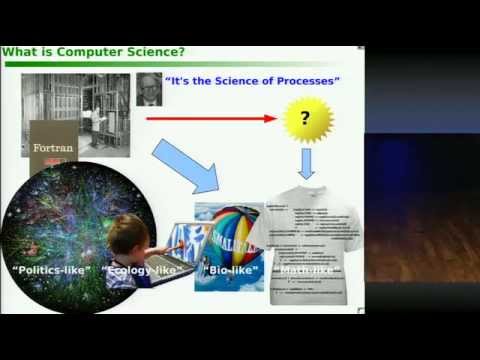
Alan Kay (VPRI Co-founder) - Is it really "Complex"? Or did we just make it "Complicated"? (Jul 2014)
Alan Kay emphasized strategic thinking in software engineering with a focus on domain-specific languages, criticized current computing systems, and envisioned dynamic and efficient computing in the future. Kay highlighted the need for strategic thinking in software engineering with a focus on domain-specific languages, criticized current computing systems, and envisioned dynamic and efficient computing in the future.

Rodney Brooks (Rethink Robotics Co-founder) - NIST Colloquium Series (Jul 2014)
Collaborative robots like Baxter, designed by Rodney Brooks, enhance productivity and ease human labor in various industries, from manufacturing to healthcare. The rise of human-centric robots, driven by factors like decreasing costs and technological advancements, is reshaping work and creating new opportunities for job creation and economic growth.
Gwynne Shotwell (SpaceX President) - Rocket Science, Political Science, and Elbow Grease (Jul 2014)
SpaceX, led by Gwynne Shotwell and Elon Musk, aims to revolutionize space access, reduce costs, and establish a human presence on Mars. SpaceX's achievements include developing reusable rockets, docking the Dragon spaceship to the ISS, and launching the SES-8 satellite.
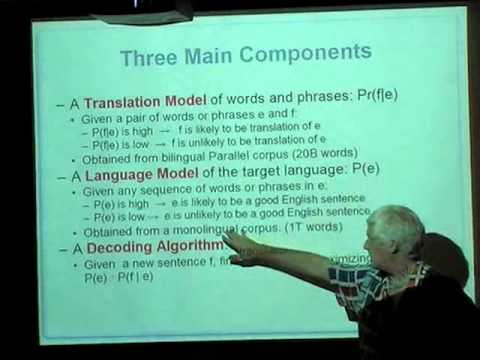
Peter Norvig (Google Director of Research) - Google Sets (Jun 2014)
Data-driven approaches have revolutionized computational linguistics, enabling statistical and probabilistic techniques to tackle language challenges and leading to advancements in statistical machine translation. Statistical machine translation utilizes statistical analysis to translate languages, delivering high-quality translations without the need for linguistic expertise.
Gwynne Shotwell (SpaceX President) - Atlantic Council's Captains of Industry Series (Jun 2014)
SpaceX's innovative approaches and public-private partnerships are revitalizing the US launch industry, aiming to reclaim 50% market share and restore American leadership in space. SpaceX's commercial success and emphasis on innovation are driving increased competition, service quality, and cost-effectiveness in the space launch sector.
Jeff Dean (Google Senior Fellow) - Achieving Rapid Response Times in Large-Scale Online Services (Jun 2014)
Reducing tail latencies in large online systems involves basic hygiene practices, cross and within-request adaptation techniques, advanced solutions, and a focus on preventative and reactive measures to ensure a robust and responsive system. A combination of strategies is necessary to effectively address tail latencies, encompassing both preventative measures to minimize their occurrence and reactive techniques to handle them efficiently when they arise.

Vinod Khosla (Khosla Ventures Founder) - The unbreakable laws of storytelling (Jun 2014)
Emotional storytelling, utilizing passion, novelty, and visual aids, creates a lasting impact, driving success and inspiring action. Crafting memorable presentations involves concise headlines, impactful visuals, and adherence to the rule of three.
Peter Norvig (Google Director of Research) - Google I/O 2014 - Making sense of online course data (Jun 2014)
Data analysis of online education provides valuable insights for improving learning outcomes and identifying student difficulties. Self-evaluation methods can be effective in online courses with clear criteria and objectives, enhancing learners' metacognitive skills.

Warren Buffett (Berkshire Hathaway Chairman/CEO) - Interview with CNBC from the Nebraska Furniture Mart (May 2014)
Warren Buffett's insights on corporate governance underscore the importance of constructive dissent in boardrooms and his partnership with Charlie Munger emphasizes rationality and understanding of competencies in decision-making.
Diane Greene (VMWare Co-founder) - Doing Business in the New Normal (May 2014)
Diane Greene's journey from sailing champion to tech visionary highlights her resilience, innovation, and passion for engineering, while her leadership at VMware revolutionized the computing industry with virtualization technology.

Vinod Khosla (Khosla Ventures Founder) - Company Building (May 2014)
Entrepreneurial success involves a strong belief in one's mission, strategic flexibility, openness to criticism, and adaptability to changing circumstances. Successful entrepreneurs prioritize resilience, high performance, and the ability to create a culture of innovation.
Vinod Khosla (Khosla Ventures) & Bill Gates (Microsoft) - Fireside Chat (May 2014)
The article provides a comprehensive overview of the multifaceted nature of innovation, discussing its role in sectors like food, energy, and healthcare, as well as its geopolitical and ethical dimensions. It highlights both the optimism surrounding innovation's potential to solve global challenges and the complexities involved, such as competition, nationalism, and the limitations of capitalism.
Prince Turki Al Faisal (Saudi Arabia Former Government Official) - Saudi and Israeli former Intelligence Heads Part 1 - May 26 - Brussels (May 2014)
The discussion highlighted the intricate dynamics of the Arab-Israeli conflict and the Iran nuclear negotiations, emphasizing direct negotiations, trust-building, and a robust Iran nuclear deal for regional peace and stability.
Vinod Khosla (Khosla Ventures Founder) - Lesson from Screwing Up | Khosla Ventures Conference (May 2014)
Startups should adapt quickly to unpredictable outcomes, set audacious goals with backup plans, and manage burn rates for maximum impact. Diverse thinking and hiring great people over building products are key to driving innovation and success.

Rodney Brooks (Rethink Robotics Co-founder) - Robots as Co-workers (Apr 2014)
Rodney Brooks' contributions redefined robotics, focusing on adaptable and user-friendly robots like Baxter for industrial automation and GestoNurse for healthcare assistance. Robotics trends include collaborative robots, localized manufacturing, and addressing socioeconomic challenges in aging populations.
Gwynne Shotwell (SpaceX President) - Keynote (Apr 2014)
SpaceX, led by Gwynne Shotwell, has revolutionized space exploration through innovative approaches and ambitious goals, including Mars colonization. SpaceX's success stems from its diverse customer base, startup culture, vertical integration, and commitment to sustainable space exploration.
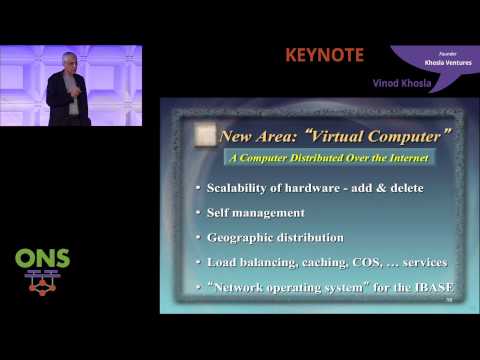
Vinod Khosla (Khosla Ventures Founder) - Open Networking Summit - SDN as a disruptive innovation (Mar 2014)
Vinod Khosla advocates for disruptive innovation, re-engineering engineering practices, and adapting to rapid change in the computing landscape. Khosla emphasizes the importance of evolvability, specialization, and experimentation in engineering methodologies to navigate the complexities of modern computing systems.

Bill Gates (Microsoft Co-founder) - talk with students at Georgia Tech (Mar 2014)
In his keynote at Georgia Tech's "Talks at Tech" series, Bill Gates discussed the evolution of Microsoft and the tech industry, expressing optimism about digital advancements while also delving into his philanthropic work through the Bill and Melinda Gates Foundation. Gates emphasized the importance of long-term goals in both technological and humanitarian realms, advocating for targeted efforts to address global challenges such as inequality and disease.
Larry Page (Google Co-Founder) - Where's Google going next? (Mar 2014)
Larry Page, co-founder of Google, articulates a multi-dimensional vision that encompasses Google's mission of organizing global information, the role of machine learning through DeepMind, ethical considerations related to privacy and security, and aspirations to revolutionize transportation and achieve '10x' improvements. He emphasizes the importance of ethical transparency, technological innovation, and societal progress, urging not just Google but also society to focus on transformative changes.
Elon Musk (Tesla CEO) - Fireside Chat (Mar 2014)
Elon Musk and Steven Chu emphasize sustainable energy as the most pressing issue of our time and advocate for government support of innovation and manufacturing to ensure economic growth and technological advancement.
Vitalik Buterin (Ethereum Co-founder) - 2014 Texas Bitcoin Conference in Austin (Mar 2014)
Ethereum's flexible and general-purpose platform enables autonomous blockchain contracts and decentralized applications beyond simple digital currency. Ethereum's vision extends to creating a platform for developers to implement diverse ideas using contracts and applications, aiming for groundbreaking applications yet to be conceived.
Bill Gates (Gates Foundation) - interview re: Common Core (Mar 2014)
Bill Gates, a major funder in education, advocates for increased Research and Development (R&D) and emphasizes that his foundation's role is to provide options for educational approaches without dictating implementation, which he believes should be decided by elected officials. Despite concerns about his influence and potential business interests, Gates insists his involvement is philanthropic, and he stresses the need for substantive dialogue in discussions about educational reform.
Prince Turki Al Faisal (Saudi Arabia Former Government Official) - Lecture on Education at Center for Contemporary Arab Studies (Mar 2014)
Saudi Arabia has made significant progress in education, including expanding opportunities for women, implementing curriculum reforms, and focusing on vocational training. The country's diplomatic ties with the US, notably in education and business, have played a crucial role in fostering mutual understanding and strengthening the relationship.
David Drummond (Google Chief Legal Officer) - The Fight for Internet Freedom (Mar 2014)
The internet has revolutionized communication and collaboration but faces growing government interference, censorship, and surveillance, threatening free expression and open dialogue. Companies like Google advocate for internet freedom, transparency, and user privacy while balancing national interests and local laws.
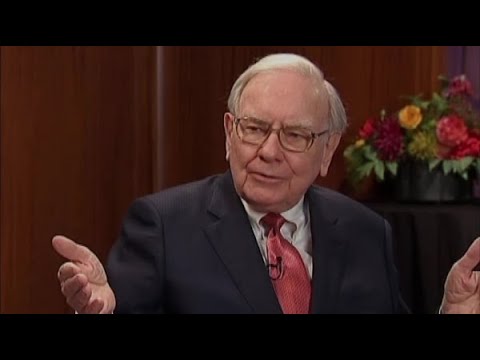
Warren Buffett (Berkshire Hathaway Chairman/CEO) - People Focus Too Much On The Short-Term | CNBC (Mar 2014)
Warren Buffett stresses focusing on intrinsic value, long-term growth, and ethical considerations when investing, while advocating for simplicity, low costs, and diversification. His investment strategies offer a blueprint for navigating the complexities of modern markets.
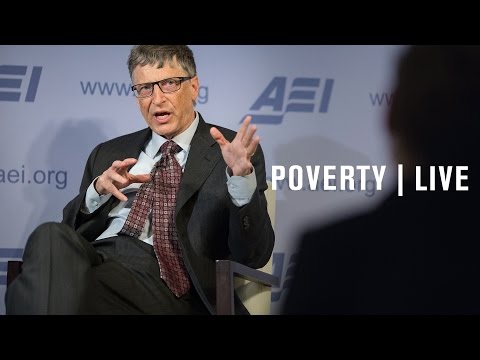
Bill Gates (Gates Foundation) - Conversation @ American Enterprise Institute (Mar 14, 2014)
Bill Gates discusses his optimistic vision for the future, focusing on the role of philanthropy and government in addressing global poverty, education reform, and healthcare. He advocates for targeted, innovative interventions such as experimental programs and tax reform, while also stressing the need for sustainable development and public perception change to tackle systemic issues effectively.

Jaron Lanier (Microsoft Researcher) - The Surveillance Economy and Extreme Income Inequality (Feb 2014)
Jaron Lanier critiques the unintended negative consequences of open digital networks, highlighting issues such as the concentration of wealth, erosion of personal autonomy, and the fallacies in big data analytics. He calls for a reevaluation of the digital landscape, advocating for systemic change to address these challenges without endorsing a single solution.
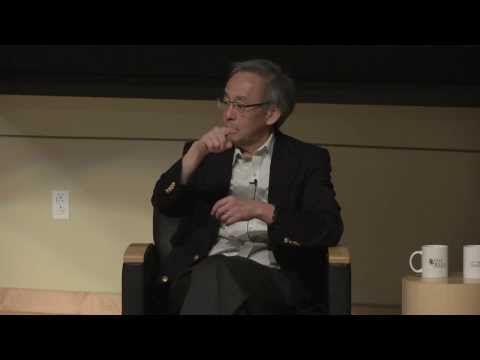
Steven Chu (Stanford Professor) - The Energy and Climate Challenge (Feb 2014)
Super-resolution microscopy techniques have revolutionized biological and environmental sciences, enabling detailed imaging of biofilms, neuron communication, and cancer signaling pathways. Energy efficiency advancements in appliances and data centers, along with carbon capture and sequestration technologies, offer strategies to address global climate challenges.
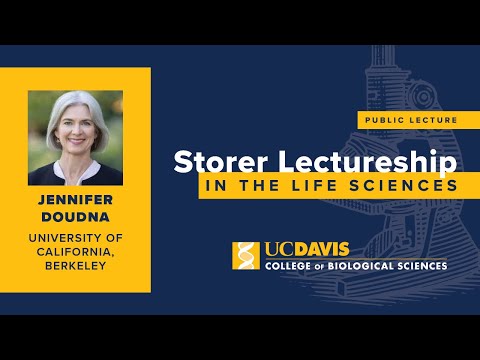
Jennifer Doudna (UC Berkeley Professor) - RNA-Programmed Genome Defense and Editing by CRISPR/Cas Systems | UC Davis (Jan 2014)
The CRISPR-Cas9 system, pioneered by Jennifer Doudna, revolutionized genome editing with its ability to target specific DNA sequences, opening up new avenues in biomedical research and gene therapy. CRISPR-Cas9's dual RNA-guided DNA cleaving mechanism enables precise genome editing and has profound implications in the fields of medicine and genetics.
Bill Gates (Gates Foundation Co-founder) - Philanthropic Progress on Poverty | Bloomberg (Jan 2014)
Philanthropists Bill Gates and Michael Bloomberg express optimism in tackling global challenges, emphasizing the transformative impact of philanthropy and technology. They call for continued collaboration, education, and ethical considerations in leveraging technology for global progress.
Amory Lovins (Rocky Mountain Institute Co-founder) - Reinventing Fire (Dec 2013)
Combining oil and electricity revolutions, efficient buildings and factories, and direct use of efficiently burned fuels can reinvent fire, transitioning away from fossil fuels and unlocking a new era of clean, sustainable energy. Reinventing fire can lead to significant savings, reduced risks, and a substantial reduction in fossil carbon emissions, offering a cost-effective and environmentally conscious solution to the energy problem.
Vinod Khosla (Khosla Ventures Founder) - New Trends and Opportunities for Entrepreneurs (Dec 2013)
Entrepreneurs should balance personal values, market knowledge, and innovation to achieve success. They should also navigate paradoxes and align investment decisions with personal values, prioritizing impact over returns.
Stan Druckenmiller (Duquesne Capital Management Founder) - Charlie Rose Interview (Dec 2013)
Stan Druckenmiller, a renowned investor and economic analyst, advocates for entitlement reform, tax reform, and investment in youth to address challenges posed by an aging population and unsustainable fiscal policies. He critiques the current healthcare system and calls for a comprehensive approach to ensure fairness and sustainability across generations.
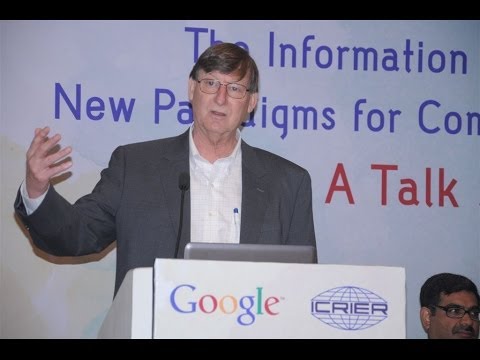
Hal Varian (Google Chief Economist) - ICRIER-GOOGLE Talk (Dec 2013)
Technology and innovation are transforming economics by enabling combinatorial innovation, computer-mediated transactions, the rise of micro-multinationals, and a shift in knowledge dynamics. India's IT sector can play a pivotal role in this transformation, with implications for global business, economic shifts, and intellectual property norms.
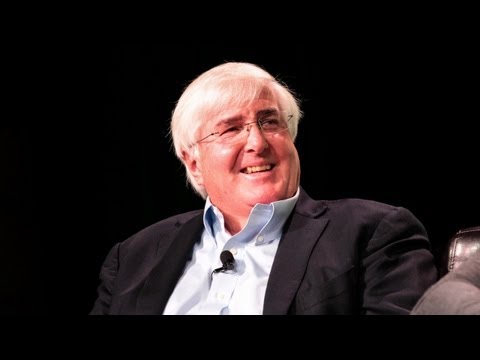
Ron Conway (SV Angel Founder) - Real Talk With the Minds of SV Angel | Disrupt SF (Dec 2013)
Venture capital decisions involve balancing intuition and data analysis, with factors like founder dynamics and product characteristics influencing success potential. Tech leaders must engage with societal issues like gun safety and immigration reform, recognizing their role in shaping a responsible and inclusive tech industry.

George Soros (Soros Fund Management Founder) - Fareed Zakaria Interview (Nov 2013)
The 2008 financial crisis exposed flaws in America's economic model and necessitates significant reforms to prevent future meltdowns. Government intervention, while necessary to avert complete collapse, caused long-term damage and highlights the need for a balanced approach that addresses market imperfections while minimizing excessive reliance on government support.
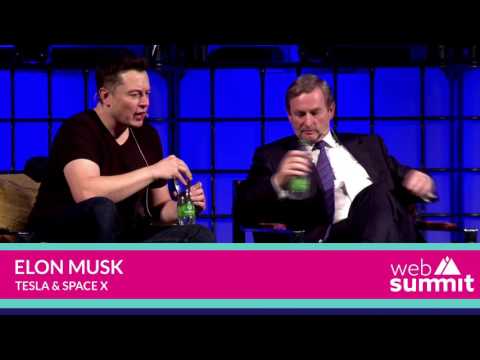
Elon Musk (Tesla/SpaceX CEO/Co-founder) - Web Summit 2013 (Nov 2013)
The Web Summit fosters innovation and entrepreneurship by connecting thought leaders and encouraging collaboration, leading to groundbreaking ventures in space exploration and sustainable energy. It highlights the importance of community, entrepreneurial spirit, and the pursuit of innovative ideas to address global challenges.
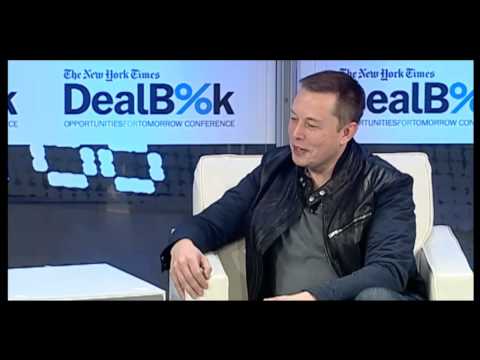
Elon Musk (Tesla, SpaceX, etc.) - DealBook Conference Interview (Nov 2013)
Elon Musk defends Tesla's safety record, emphasizing that its electric cars are statistically less prone to fires than gasoline cars and outlining the company's commitment to safety and autonomous technology. He also discusses Tesla's market dynamics, arguing that production limitations, not demand, constrain growth, while sharing his long-term vision for the future of transport and offering insights into the challenges and philosophies of entrepreneurship.

George Soros (Soros Fund Management Founder) - Interview with Alan Murray, WSJ (Nov 2013)
The financial crisis was caused by a "super bubble" fueled by market fundamentalism and excessive credit, leading to a total breakdown of the financial system and an uncertain economic future. Robust regulation and a balanced government approach are essential to prevent future bubbles and promote market stability.

Gwynne Shotwell (SpaceX President) - Keynote Address at ISPCS (Nov 2013)
SpaceX, founded by Elon Musk in 2002, has become a prominent player in the space industry, making strides in rocket technology, reusable spacecraft, and ambitious plans for Mars exploration. Its journey is a testament to innovation, resilience, and the pursuit of making space more accessible.
Nassim Nicholas Taleb (Scholar Investor) - Discusses concept of Convexity and Antifragile at National Science Foundation (Oct 2013)
Rare events, non-linearity, and convexity are important factors to consider in risk management and decision-making. Anti-fragility, or the ability to benefit from volatility and uncertainty, is a key concept in understanding systems and making optimal decisions.

Stan Druckenmiller (Duquesne Capital Management Founder) - Mortgaging the Future (Oct 2013)
Financial disparities between generations in the US are growing, with millennials facing unique economic challenges due to rising national debt, disproportionate resource allocation favoring the elderly, and an unsustainable trajectory of entitlement spending. Reforms are needed to address these issues and ensure a sustainable economic future for all generations.

Jeff Dean (Google Senior Fellow) - Taming Latency Variability and Scaling Deep Learning (Oct 2013)
Deep learning and neural networks improve computational efficiency and data interpretation in interactive services, image classification, and various other domains. Neural networks excel at processing text and language, enabling advancements in natural language processing and machine translation.
Raghuram Rajan (Reserve Bank of India Governor) - The Causes and Consequences of Unconventional Monetary Policy (Sep 2013)
Following the 2008 financial crisis, central banks' unconventional strategies, such as ultra-low interest rates and asset purchases, faced debates over their efficacy and long-term effects, including moral hazard and unintended financial risk-taking. Emerging markets faced challenges managing capital flows and implementing countercyclical policies, highlighting the need for multilateral cooperation to address global capital flows and prevent future crises.
Vinod Khosla (Khosla Ventures Founder) - TechCrunch DISRUPT (Sep 2013)
Vinod Khosla, a prominent venture capitalist, embraces unconventional ideas and believes data science and software will revolutionize medicine more than biological sciences. He advocates for a pragmatic balance between privacy and national security, considering both concerns essential for societal progress.

Nelson Mandela (African National Congress President) - Remarks at Baker Institute; Intro by Prince Bandar Bin Sultan (Sep 2013)
Nelson Mandela's speech at Rice University focused on international cooperation, conflict resolution, and his aspirations for Africa, emphasizing the importance of peaceful conflict resolution and dialogue. He urged young people to pursue education, believe in themselves, and contribute positively to their communities.
Vinod Khosla (Khosla Ventures Founder) - Stanford Medicine X Closing Keynote (Sep 2013)
Technological innovation and patient empowerment are key to revolutionizing healthcare and addressing global healthcare challenges. Data-driven systems and AI have the potential to enhance accuracy, reduce misdiagnosis, and provide more personalized and effective care.

Vinod Khosla (Khosla Ventures Founder) - Interview with Vinod Khosla (Sep 2013)
Vinod Khosla believes India possesses strong economic fundamentals and potential for long-term growth driven by innovation and entrepreneurship, but acknowledges governance challenges and unpredictable market dynamics. He emphasizes the importance of patience, persistence, and adapting to changing market conditions for startups and investors.

Nassim Nicholas Taleb (Scholar Investor) - Skin in the Game | EconTalk (Sep 2013)
The principle of "skin in the game" emphasizes personal accountability for decisions and actions, ensuring individuals bear the consequences of their choices. This concept underscores the importance of ethical decision-making and personal responsibility in various aspects of life, governance, and risk management.
Rakesh Jhunjhunwala (Investor ) - FLAME Investment Lab | 2013 (2013)
Rakesh Jhunjhunwala's investment philosophy emphasizes accepting market supremacy and fostering a humble attitude, while his trading strategies focus on liquidity, risk management, and precise timing. His journey highlights the importance of patience, discipline, and introspection in achieving investment success.

Steven Chu (USA Secretary of Energy) - ARPA-E Energy Innovation Summit Keynote (2013)
Dr. Stephen Chu's leadership in establishing ARPA-E and his tenure as Secretary of Energy were marked by significant contributions and visionary leadership in the energy sector. His efforts in fostering a culture of innovation and tackling energy security and environmental concerns demonstrated a commitment to a sustainable future.
Vinod Khosla (Khosla Ventures Founder) - Startup Grind Silicon Valley (Aug 2013)
Vinod Khosla's success in venture capitalism stems from his ability to identify potential, embrace failure as a learning opportunity, and hire exceptional talent. He emphasizes building a stable business foundation before seeking massive growth and values the balance of experience and fresh ideas in hiring.

Kenneth Chenault (American Express President) - ERASE Racism Courage and Commitment Award Annual Benefit (2013)
Kenneth I. Chenault, former CEO of American Express, received the Abraham Krasnoff Courage and Commitment Award for his business achievements and unwavering commitment to challenging institutional racism. Chenault emphasized the need for collective action to eradicate racial injustice, urging individuals and organizations to take responsibility for creating a more just and equitable society.
Lee Kuan Yew (Singapore Founding Prime Minister) - On Meditation (Aug 2013)
Lee Kuan Yew, Singapore's founding father, argues that meditation is more than a relaxation tool; it is a transformative practice that enhances decision-making, leadership, and societal cohesion. He advocates for the integration of meditation into various sectors, including global governance and education, emphasizing its potential to foster mental clarity, emotional balance, and rational problem-solving.

Steven Chu (USA Secretary of Energy) - Laser Cooling, Single Molecule Biology, and Sustainable Energy Solutions (Aug 2013)
Laser cooling and atom interferometry have revolutionized precise measurement, while Bose-Einstein condensation and cold atom studies have expanded our understanding of quantum phenomena and its applications.
Peter Norvig (Google Director of Research) - Everything is Miscellaneous (Jul 2013)
Technological advancements in information retrieval and medical informatics balance innovation with privacy concerns, emphasizing the collaboration between systems and users for optimal interpretation and utilization. Machine learning in healthcare offers breakthroughs but faces challenges due to data biases and the need for theoretical grounding.
Jennifer Doudna (UC Berkeley Professor) - The fate of viral genomes (Jun 2013)
Doudna's lab has made significant advancements in understanding nucleic acid sensing and HIV replication, uncovering viral DNA sensing mechanisms and the role of cyclic dinucleotides in the interferon response pathway. Their research provides insights into the dynamics of HIV-RRE interaction and RNA structure analysis using shape chemistry.
Warren Buffett (Berkshire Hathaway Chairman/CEO) - On NetJets & The Economy | CNBC (May 2013)
Post-2008, the private jet industry has seen a resurgence with NetJets experiencing significant growth, while Warren Buffett emphasizes long-term market gains and diversification for investors in a fluctuating economy.
Larry Page (Google Co-Founder) - Google I/O Q&A (May 15, 2013)
Larry Page outlines a multifaceted vision for the future of technology, emphasizing user-centric design, the importance of open web standards, and Google's commitment to freedom of speech and internet speed. He also stresses the need for collaboration in software development, long-term thinking, adaptability to technological change, and addresses societal challenges like gender diversity in technology.
Elon Musk (Tesla and SpaceX) - Sal Khan Interview (Apr 2013)
Elon Musk delves into various facets of entrepreneurship, discussing the complexities of manufacturing and supply chain management at Tesla, SpaceX's efforts in space exploration and financial risks, and Tesla's aim to drive sustainable transport. He also touches on his early career motivations, the entrepreneurial landscape, the need for educational reform, and introduces the concept of the Hyperloop as a future transport solution.
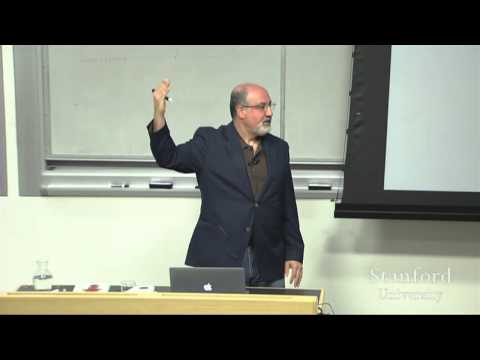
Nassim Nicholas Taleb (Scholar Investor) - Stanford Seminar - Enntrepreneurial Thought Leaders (Apr 2013)
Optionality and trial and error are crucial for innovation and resilience in an uncertain world, while embracing anti-fragility and decentralization can help systems thrive in the face of stress and disorder.
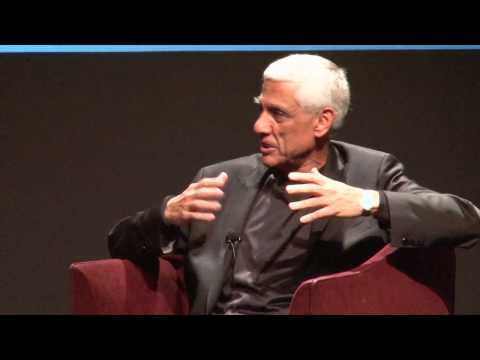
Vinod Khosla (Khosla Ventures Founder) - Remarks at Carnegie Mellon University (Apr 2013)
Vinod Khosla emphasized the transformative power of disruption and innovation, challenging conventional thinking and advocating for education focused on real-world problem-solving and accepting failure as part of the innovation process. He criticized traditional liberal arts education and proposed a curriculum focused on practical skills and knowledge, including STEM subjects, computer science, and statistics.
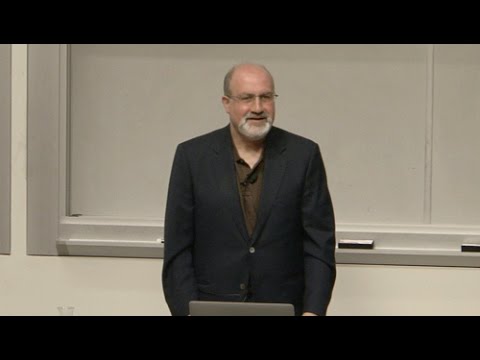
Nassim Nicholas Taleb (Scholar Investor) - How Things Gain from Disorder | Stanford (Apr 2013)
Unpredictable rare events significantly impact finance, technology, and medicine, while antifragility thrives on volatility and randomness for growth. Decentralized systems exhibit greater stability due to the direct consequences of errors being felt by those who make them.
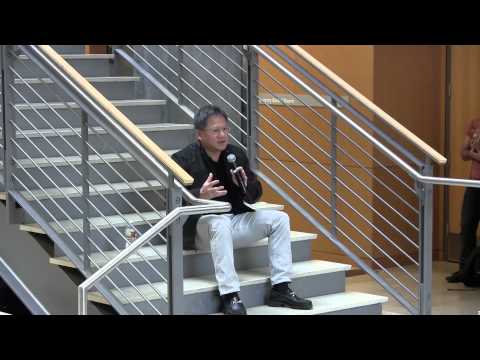
Jensen Huang (Nvidia Co-founder) - [Excellent] Remarks at OSU Kelley Engineering Center (Mar 2013)
NVIDIA's journey from a university startup to a revolutionary force in 3D graphics was marked by serendipitous encounters, relentless passion, and strategic pivots that transformed the technological landscape. NVIDIA's mission to democratize 3D graphics technology led to the development of groundbreaking products like the Riva 128 chip, which transformed 3D graphics from a feature into a thriving industry.
Steven Chu (USA Secretary of Energy) - The Promise of Photovoltaics (Mar 2013)
Solar energy faces challenges, but advancements and innovative technologies promise a sustainable future. The rental model and ongoing research in battery technology can make solar energy more accessible and sustainable.
Dharmesh Shah (HubSpot Co-founder) - This Week in Startups (Mar 2013)
HubSpot revolutionized marketing by shifting to inbound strategies, empowering small businesses with affordable and easy-to-use digital marketing solutions. The company's success lies in its data-driven approach, comprehensive suite of services, transparent culture, and sustainable revenue model.
Sebastian Thrun (Udacity Co-founder) - 2013 Ohio Educational Technology Conference (Mar 2013)
Online education has the potential to democratize knowledge and provide personalized learning experiences, but challenges remain in ensuring rigor, quality, and support for diverse learners. Sebastian Thrun's work highlights the importance of engaging and interactive learning, continuous improvement, and adapting education to meet evolving societal needs.
Elon Musk (SpaceX, Tesla) - SXSW (Mar 2013)
In the discussed transcript, SpaceX CEO Elon Musk provides a comprehensive look into the intricacies of space exploration, emphasizing the emotional toll of rocket launches, the need for real-time problem-solving, and the importance of rocket reusability for sustainable missions. Additionally, Musk outlines his future aspirations, such as a commercial spaceport in Texas and life on Mars, while also diving into his roles as a multifaceted entrepreneur, his management style, and his views on work-life balance and education.
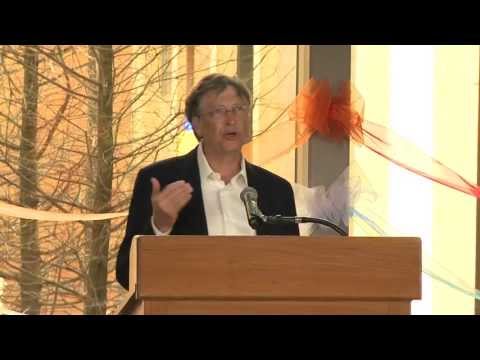
Bill Gates (Gates Foundation) - Dedication & Ribbon Cutting of the new UT Computer Science building (Mar 12, 2013)
The University of Texas at Austin has inaugurated the Gates Computer Science Complex and Dell Computer Science Hall, aiming to establish itself as a hub for innovative research and education in computer science. The complex, supported by prominent figures like Bill Gates and the Michael and Susan Dell Foundation, is expected to have a broad societal impact and contribute significantly to the Texas economy.
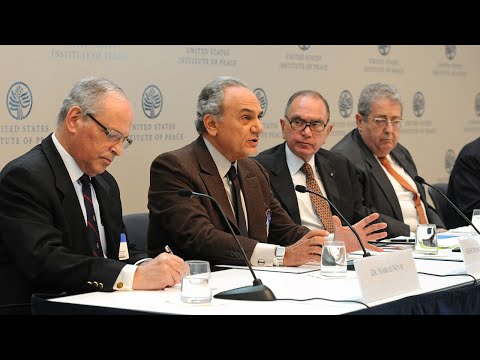
Prince Turki Al Faisal (Saudi Arabia Former Government Official) - Twenty Years After Madrid (Feb 2013)
The Madrid Conference initiated direct Arab-Israeli dialogue and led to subsequent peace negotiations, while the Arab Peace Initiative proposed a comprehensive framework for resolving the Israeli-Palestinian conflict.
Nassim Nicholas Taleb (Scholar Investor) - Antifragille (Jan 2013)
Systems can be fragile, harmed by stressors, or antifragile, benefiting from volatility; measuring fragility and antifragility helps understand resilience and decision-making.

Hal Varian (Google Chief Economist) - Royal Statistical Society | Statistics at Google (Jan 2013)
Hal Varian's contributions at Google highlight the transformative power of data analysis in shaping business strategies and decision-making, emphasizing the growing significance of statistical modeling and data-driven insights in the tech industry. Google's continued innovation in data analysis underscores the evolving nature of the field, with a growing demand for professionals skilled in statistical analysis, machine learning, and data interpretation across various industries.
Vinod Khosla (Khosla Ventures Founder) - Interview with Bryce Roberts (part 1 of 3) (Jan 2013)
Vinod Khosla's visit to Salt Lake City emphasized the significance of diversity in entrepreneurship, challenging Utah's conventional venture capital scene and encouraging a broader, risk-taking approach to innovation.
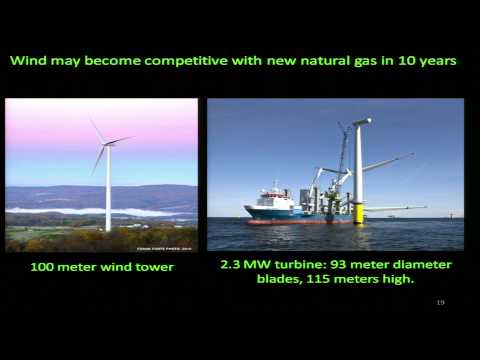
Steven Chu (USA Secretary of Energy) - Energy All-Stars (Jan 2013)
The Industrial Revolution brought societal and economic growth through the use of fossil fuels, while the escalating climate crisis demands action and highlights the potential of renewable energy sources. Innovations in clean energy technologies, such as wind and solar, offer hope for a sustainable future.
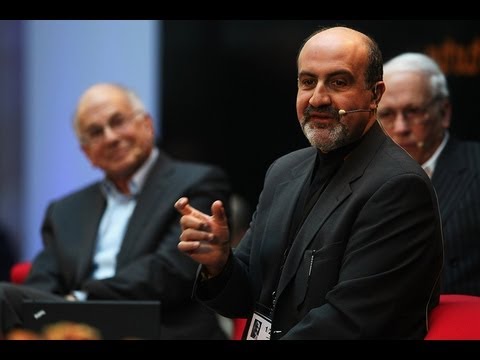
Nassim Nicholas Taleb (Scholar Investor) - Embracing Antifragility | Aljazeera Interview (Jan 2013)
Anti-fragility is the ability to thrive on disorder and benefit from stressors, while fragility leads to breakage under pressure. Embracing variability and stressors can build resilience and foster innovation in both personal and systemic contexts.
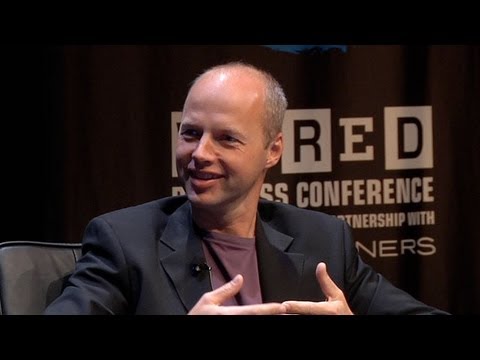
Sebastian Thrun (Udacity Co-founder) - Wired Business Conference (Dec 2012)
Self-driving cars, online education, and Google X innovations reflect advancements in technology with far-reaching societal implications, driven by visionary entrepreneur Sebastian Thrun. Digital education platforms like Udacity offer cost-effective and accessible education, while Google X projects aim to integrate technology into daily life seamlessly.
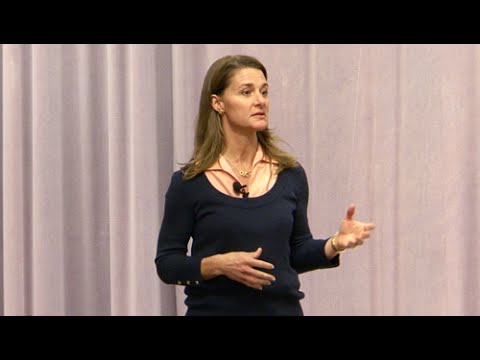
Melinda Gates (Gates Foundation) - "Pursue Passions with a Vengeance" @ Stanford (Nov 28, 2012)
The article discusses Melinda Gates' insights into the multifaceted approach of the Bill & Melinda Gates Foundation in tackling global challenges such as healthcare disparities and childhood mortality. Key strategies include innovative collaborations with global partners, localized solutions that respect cultural frameworks, and a focus on both technological and behavioral changes.
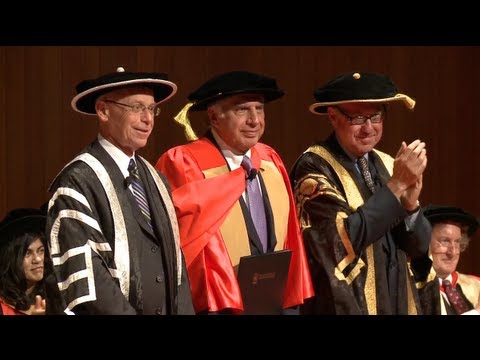
Ratan Tata (Tata Group Chairman Emeritus) - Honorary Degree and Dialogue (Nov 2012)
Ratan Tata's leadership transformed Tata Group into a global conglomerate known for innovation, ethics, and social responsibility, while his emphasis on education and ethical practices influenced Australia-India relations.
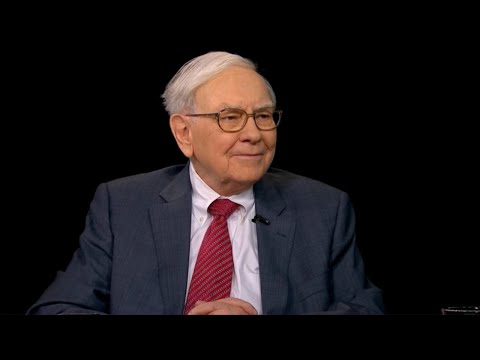
Warren Buffett (Berkshire Hathaway Chairman/CEO) - Charlie Rose Interview (Nov 2012)
Warren Buffett's tax beliefs center around progressive taxation, with higher rates for high-income earners, capital gains, and dividends. His investment strategy emphasizes long-term value, analytical prowess, and acquiring businesses with strong competitive advantages.
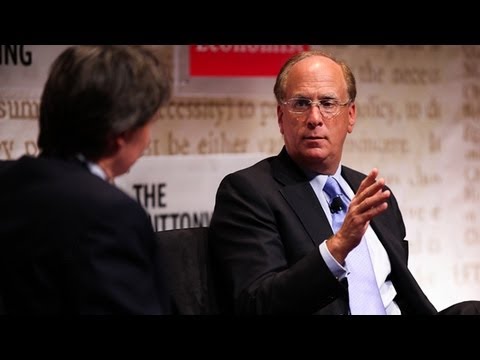
Larry Fink (BlackRock Co-founder) - The Economist Interview (Nov 2012)
Global economic stability requires a shift from short-term financial thinking to long-term investment and fiscal policies, with China's consumption-driven growth seen as a positive force.
Diane Greene (VMWare Co-founder) - GDL Presents (Nov 2012)
Diane Green, former CEO of VMware, championed virtualization technology and the concept of cloud computing, transforming the tech industry's landscape. She emphasizes the importance of strategic leadership, clear communication, and embracing technological advancements for enterprises to thrive in the cloud era.
Jeff Bezos (Amazon Founder) - re:Invent Fireside Chat (Nov 2012)
Jeff Bezos attributes Amazon's global success to its customer-centric ethos, lean operations, and culture of innovation, with particular emphasis on Amazon Web Services as a growth sector. The company operates on principles such as the flywheel effect, which focuses on customer-benefiting constants like low prices and fast delivery, and Bezos advises entrepreneurs to prioritize customer needs and long-term vision.

Alan Kay (VPRI Co-founder) - SCIx Keynote (Nov 2012)
Collaborations among individuals, institutions, and government agencies have fueled the evolution of computing technology, leading to the development of the modern internet and graphical user interfaces. The field's early pioneers emphasized innovation, openness, and a comprehensive approach to education, shaping the foundations of today's computing landscape.

Ratan Tata (Tata Group Chairman Emeritus) - NDTV Interview with Howard Schultz (Nov 2012)
The Tata-Starbucks partnership's success stems from shared values and balancing profitability with social conscience. Both companies exemplify conscious capitalism, prioritizing values and integrity over immediate financial gains.
Sebastian Thrun (Udacity Co-founder) - Remarks at the University of Alberta (Oct 2012)
Sebastian Thrun's AI class revolutionized education with its global reach and emphasis on personalized learning, leading to the creation of Udacity, a platform redefining education in the digital age. Udacity's interactive approach focuses on practical application and peer interaction, challenging traditional methods and promoting lifelong learning.
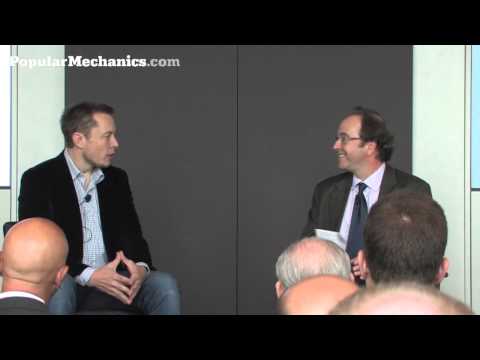
Elon Musk (Tesla and SpaceX) - Popular Mechanics Interview (Oct 2012)
Elon Musk's ventures, SpaceX and Tesla, are disrupting the aerospace and automotive industries through innovative technologies and collaborations like the one with NASA, aiming to make space travel cost-effective and popularize electric vehicles. Beyond industry transformation, Musk's multi-planetary vision seeks to extend human civilization to other planets, starting with Mars, while overcoming technical and logistical challenges.
Warren Buffett (Berkshire Hathaway Chairman/CEO) - On His Prostate Cancer | CNBC (Oct 2012)
Warren Buffett emphasizes long-term value investing, focusing on undervalued companies with solid fundamentals and management teams. He is optimistic about the U.S. economy, despite uncertainties in Europe and Asia.
Rodney Brooks (Rethink Robotics Co-founder) - A New Class of Industrial Robot | CMU Robotics (Oct 2012)
Advancements in robotics, led by figures like Rodney Brooks, are making robots more accessible and user-friendly, transforming industries and everyday life. Baxter, a new class of industrial robot, is designed to be easily installable, programmable, and collaborative, revolutionizing manufacturing practices.

George Soros (Soros Fund Management Founder) - The Tragedy of the European Union (Sep 2012)
The Eurozone crisis exposed a stark divide between creditor and debtor nations, particularly Germany and Southern European states, leading to contentious policies and a looming depression. George Soros advocated for a comprehensive approach addressing structural reforms, counter-cyclical policies, and genuine leadership commitment to steer Europe towards recovery.

Nassim Nicholas Taleb (Scholar Investor) - Probability and Outcome (Sep 2012)
Nassim Nicholas Taleb's work explores randomness, probability, and complexity, emphasizing the importance of interdisciplinary thinking and cautioning against over-specialization in an increasingly uncertain world. Taleb's insights challenge our understanding of randomness, luck, and the inherent unpredictability of life.
Bill Campbell (Intuit Chairman) - Fireside Chat (Sep 2012)
Venture capital is evolving towards a deeper understanding of company building and the unique challenges founders encounter, while angel investors fuel creativity and innovation by allowing startups to experiment creatively with minimal financial risk.
Elon Musk (SpaceX Founder) - Interview with Kevin Rose (Sept 2012)
Elon Musk's journey from a childhood in South Africa to becoming an influential entrepreneur involved initial career uncertainty, key influences from historical figures, and a focus on sectors like space exploration and sustainable energy that could impact humanity's future. His approach to problem-solving emphasizes reasoning from first principles, a multidisciplinary perspective, and the importance of design and manufacturing details in his various ventures.
Vinod Khosla (Khosla Ventures Founder) - TechCrunch Disrupt SF (Sep 2012)
Vinod Khosla emphasizes strategic investing, embracing technological innovations, and the potential of these advancements to drive positive change across various industries. Khosla's insights highlight the importance of risk-taking, visionary thinking, and the relentless pursuit of innovation in shaping the future of business and society.
Nathan Myhrvold (Intellectual Ventures Co-founder) - Nathan Myhrold (2012)
UCLA's Science and Food event explores the fusion of culinary arts and scientific inquiry, delving into topics like food science, barbecue science, and modern cooking techniques. Understanding scientific principles enhances culinary practices and opens new avenues for innovation in the world of food and flavor.
Mark Zuckerberg (Facebook Co-founder) - Startup School 2012 (2012)
Facebook's success stemmed from its emphasis on real identity and user engagement, with Zuckerberg's strategic decisions, focus on data quality, and adaptation to user feedback playing crucial roles. Zuckerberg's vision for Facebook was to create a platform that supported increasing levels of user sharing, aligning with the innate human need for social connection.
Andy Bechtolsheim (Arista Co-Founder) - Silicon Valley Angel Investors Panel (Aug 2012)
Angel investors provide crucial funding and mentorship to startups, fostering innovation and technological advancement. Their decisions are influenced by factors like entrepreneur character, business plan, and intellectual property protection.
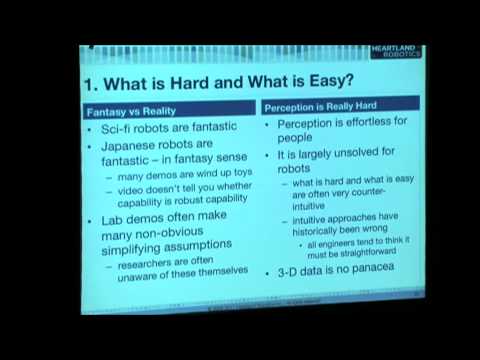
Rodney Brooks (Rethink Robotics Co-founder) - Robotics Innovation Challenge 2012 (2012)
Robotics offers solutions for labor shortages and an aging population but faces challenges in perception, business models, and engineering. Industry-academia collaboration can accelerate innovation by addressing communication barriers and aligning objectives.
Bill Campbell (Intuit Chairman) - ASU GSV Summit (2012)
Bill Campbell, a former CEO and trusted advisor in Silicon Valley, had a transformative impact on industry leaders and companies through his coaching, mentorship, and insights on education and technology. His legacy highlights the importance of effective leadership, mentorship, and holistic approaches to business and technology in driving success and innovation.
David Drummond (Google Chief Legal Officer) - Washington Ideas Conference (2012)
Technology revolutionized political engagement and campaign strategies in the 2012 US elections, but also raised concerns about internet privacy and data mining. Google's involvement in elections and its global presence highlight the complex interplay between technology, politics, and privacy.
Sebastian Thrun (Udacity Co-founder) - Winning The DARPA Grand Challenge (Aug 2012)
The DARPA Grand Challenge revolutionized autonomous vehicles, showcasing groundbreaking technology like Stanley, which navigated a desert course autonomously, marking a new era in transportation. Adaptive vision and obstacles detection systems enabled Stanley to conquer diverse terrains, paving the way for future advancements in self-driving technology.
Elon Musk (SpaceX Founder) - "Mars Pioneer Award" Acceptance Speech - International Mars Society Convention (August 4, 2012)
Elon Musk has significantly disrupted the aerospace industry with milestones like Falcon 1, Falcon 9, and Dragon, while earning a major NASA contract and maintaining financial efficiency. Beyond technological achievements, Musk's vision aims for multiplanetary human existence, challenging traditional industry norms and materialist viewpoints, underpinned by his resilience, effective team-building, and intricate understanding of rocket science.
Elon Musk (Tesla and SpaceX) - PandoMonthly Fireside Chat (Jul 2012)
Elon Musk is distinguished for his multi-sector entrepreneurship, notably disrupting the payments, automotive, and space industries through ventures like PayPal, Tesla, and SpaceX. Known for his high risk tolerance and investment strategies, Musk combines self-awareness and forward-thinking to overcome challenges, making significant technological contributions and envisioning innovative solutions for the future.
Nikesh Arora (Google Chief Business Officer) - Banff World Media Festival (Jul 2012)
Content creators must adapt to changing consumption patterns and focus on producing high-quality, globally accessible content to succeed in the evolving landscape of media consumption. Innovation and adaptability are key in navigating the challenges and seizing opportunities brought by new formats, technologies, and global distribution mechanisms.

Bill Gates (Microsoft Co-Founder) - on Computer Science and Innovation (Jul 13, 2012)
Bill Gates provided a comprehensive overview of the technology landscape, discussing the evolution of computing, the Internet's impact, future trends, and challenges such as the digital divide and system limitations. He emphasized the importance of innovation and research in driving technological progress, while also acknowledging the role of both hardware and software, and the coexistence of free and proprietary software ecosystems.
Paul Volcker (USA Former Chairman of the Federal Reserve) - Towards a New World of Finance | Fung Global Institute (Jun 2012)
Asia's rise to economic prominence challenges Western hegemony and necessitates financial and monetary reforms. International consensus and reforms are crucial for addressing systemic risks and imbalances in the global financial system.

Stephen Hawking (University of Cambridge Professor) - Cosmology Lecture Geneva University (Jun 2012)
The universe's origin is a tapestry of ancient creation myths, philosophical ideas, and scientific theories, with the Big Bang theory as the prevailing explanation for its beginning and expansion. Physicist Stephen Hawking's work, including the South Pole analogy and quantum creation, proposes the universe's spontaneous emergence from quantum processes.

George Soros (Soros Fund Management Founder) - Remarks at the Festival of Economics in Trento (Jun 2012)
Economic theory's limitations necessitate a paradigm shift, recognizing the unpredictability and fallibility of financial markets. The Euro crisis illustrates the interplay of economic theory, politics, and social change, requiring innovative and timely policy responses.

Gwynne Shotwell (SpaceX President) - WITI Summit Keynote (Jun 2012)
SpaceX's President, Gwynne Shotwell, has led the company to revolutionize space transportation through ambitious goals and innovative partnerships with NASA. SpaceX's vision of aircraft-like reliability and cost reduction has been realized with the successful launch of Falcon 9 and Dragon, while its partnership with NASA has achieved remarkable feats at a fraction of traditional costs.
Dean Kamen (Deka Research Founder) - RIT Innovation Hall of Fame Panel (May 2012)
Design and innovation are intertwined concepts, with design playing a vital role in creating user-centric solutions and driving market change. Innovation involves combining technologies to create impactful solutions, while invention focuses on novel, often patented solutions.

David Drummond (Google Chief Legal Officer) - Big Tent Moscow Conference (May 2012)
Google's approach to innovation involves pushing forward hardware and physical products, while also exploring crazy ideas with the potential to lead to useful products. Google's commitment to innovation and openness has been instrumental in shaping the future of the internet and fostering global entrepreneurship.

Amory Lovins (Rocky Mountain Institute Co-founder) - Reinventing Fire (May 2012)
A shift from fossil fuels to renewables and energy efficiency is economically beneficial and environmentally imperative. Embracing efficiency, renewables, and innovative technologies can create a sustainable energy future that is richer, fairer, cooler, and safer.

Ed Catmull (Pixar) and Larry Ellison (oracle) - on Steve Jobs at D10 (Full) (May 2012)
The conference on Steve Jobs reveals him as a multi-dimensional figure whose success is attributed to his evolving leadership styles, attention to detail, and ability to turn innovative ideas into marketable products. His lasting impact on tech leadership and unconventional approach to business challenges simplistic narratives, offering both inspiration and cautionary lessons for emerging tech leaders.
Vinod Khosla (Khosla Ventures Founder) - The Harker Research Symposium (May 2012)
Vinod Khosla's unconventional perspectives prioritize persistence, questioning norms, and embracing failure as learning opportunities to achieve personal and professional success. Despite expert opinions, he advocates for independent thought, risk-taking, and embracing technology to drive innovation and transform education and healthcare.
Peter Norvig (Google Director of Research) - Practice Makes Perfect | Santa Fe Institute (Apr 2012)
Data-driven approaches in AI, exemplified by Peter Norvig's work, have revolutionized image and text modeling, leading to qualitative improvements in AI tasks. Extensive datasets have transformed AI, enabling advanced image resizing, image search, and natural language processing.
Stephen Hawking (University of Cambridge Professor) - White House Millennium Lecture Series (Apr 2012)
Stephen Hawking's White House lecture delved into the evolution of the universe, technological advancements, and the potential of genetic engineering, highlighting the interplay of quantum theory and relativity. He pondered the future of complexity and intelligence, predicting rapid advancements and the need for ethical considerations in genetic engineering.

George Soros (Soros Fund Management Founder) - Soros Lecture at the Center for Financial Studies, Frankfurt (Apr 2012)
The Euro crisis stems from structural flaws in the Eurozone, with Germany holding significant responsibility due to its dominant economic position and reluctance to advance fiscal and political union. George Soros proposes Eurobonds as a transformative solution, but if Germany opposes them, he suggests Germany's or Italy's departure from the Euro as alternatives.
Andy Bechtolsheim (Arista Co-Founder) - A discussion with Arista's Andy Bechtolsheim (Apr 2012)
Arista Networks innovates in multi-node systems and explores the potential of FPGAs to advance network infrastructure, striking a balance between innovation and practicality. Arista's approach to SDN involves integrating it with existing platforms, focusing on solving customer problems rather than blindly implementing standards.

George Soros (Soros Fund Management Founder) - Challenging the Foundation, Institute for New Economic Thinking (Apr 2012)
George Soros' theories challenge conventional economic wisdom by recognizing human fallibility and the feedback reflexivity in markets. His emphasis on open-minded thinking is reflected in the establishment of INET, which aims to transform economics into a more dynamic and applicable discipline.
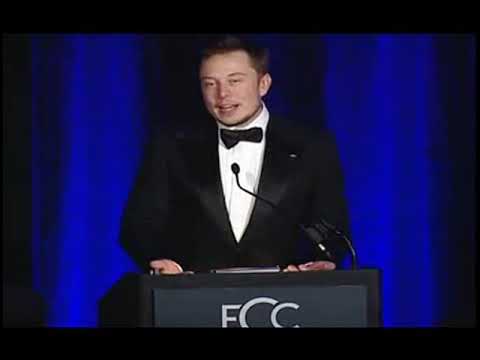
Elon Musk (Tesla, Space X ) - Economic Club of Chicago (Apr 2012)
The article outlines Elon Musk's entrepreneurial journey from co-founding PayPal to leading transformative companies like SpaceX and Tesla. It highlights his unique attributes, career pivot points, and philosophical stances on innovation, government partnership, and societal impact, all while detailing the challenges and milestones that have shaped his ventures in space exploration and electric vehicles.

Paul Graham (Y Combinator Co-founder) - Keynote (Mar 2012)
Silicon Valley's focus on disruptive startups includes ideas like search engines for hackers, email protocol makeovers, innovative education models, and early disease detection. Paul Graham's vision for the future involves rethinking conventional systems and leveraging technology for more efficient and user-centric solutions.

Steven Chu (USA Secretary of Energy) - ARPA-E 2012 Keynote (Mar 2012)
Technological advancements in aviation, automobiles, and energy have been driven by innovation, environmental concerns, and government support, with the U.S. playing a pivotal role in fostering these developments. The ongoing energy challenges necessitate continued innovation and government involvement to ensure sustainable solutions.
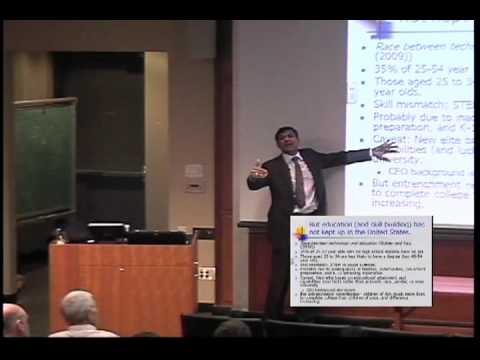
Raghuram Rajan (University of Chicago Professor) - Have Capitalism and Democracy Been Captured by the Elite? (Mar 2012)
Capitalism and democracy are complexly intertwined, with finance-dominated market democracies prone to instability due to political pressures and unbridled finance. Deregulation benefits innovators and high-skilled workers but exacerbates income inequality.
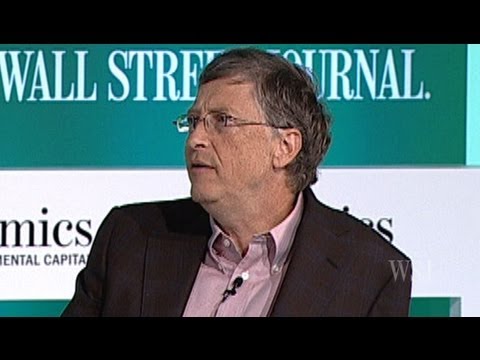
Bill Gates (Microsoft Co-founder) - the Future of Energy (Mar 25, 2012)
Bill Gates provides a comprehensive view on global energy challenges, emphasizing the importance of affordable energy for development, the urgency to reduce carbon emissions, and the complexities involved in transitioning from fossil fuels to cleaner sources. He advocates for innovation, policy reform, and international cooperation, while cautioning that a complete energy transition may take longer than expected, potentially over 75 years, due to inherent system complexities and existing infrastructure.
Demis Hassabis (DeepMind Co-founder) - Computational Neuroscience | Singularity Summit (Feb 2012)
Artificial general intelligence (AGI) combines non-biological and biological approaches, with a focus on a hybrid method that leverages machine learning and systems neuroscience for conceptual knowledge acquisition and AGI validation. The pursuit of AGI aims to understand intelligence and consciousness through the development of advanced algorithms inspired by the brain's structure and function.
Prince Turki Al Faisal (Saudi Arabia Former Government Official) - The Global Competitiveness Forum (Feb 2012)
The G20, GCC, and entrepreneurial spirit are key to shaping the future of global economic governance, requiring adaptation to a multi-polar world and ensuring balanced growth and inclusivity. Saudi Arabia's education focus and entrepreneurial spirit contribute to its resilience and progress in the changing economic landscape.

Amory Lovins (Rocky Mountain Institute Co-founder) - Reinventing Fire (Jan 2012)
Amory Lovins' "Reinventing Fire" plan outlines a transition from fossil fuels to energy efficiency and renewables for environmental, economic, and national security benefits. The strategy focuses on vehicle and building electrification, energy efficiency in buildings and industries, and feebate programs to promote efficient vehicles.
Kenneth Chenault (American Express President) - Discussion at Coincil on Foreign Relations (Dec 2011)
Europe's financial turmoil has impacted American Express, but the company has adapted and distanced itself from European sovereign debt. American Express has embraced digital transformation, expanded its physical presence, and focused on financial inclusion and tax reform.

Nikesh Arora (Google Chief Business Officer) - Abu Dhabi Media Summit (Dec 2011)
Google envisions a future with seamless connectivity, personalized content consumption, and immersive web experiences. Technological advancements will drive new trends and opportunities, while Google focuses on solving problems and creating exceptional products for users.

Peter Thiel (Facebook Board of Directors) - Back to the Future | Singularity Summit (Nov 2011)
Technological progress and societal perceptions of innovation are intertwined, with globalization often overshadowing technological advancement. Balancing these factors is crucial for addressing future challenges, including energy, health, and longevity issues.
Amory Lovins (Rocky Mountain Institute Co-founder) - Reinventing Fire (Nov 2011)
Amory Lovins of the Rocky Mountain Institute proposes a transformative pathway for global energy systems, emphasizing energy efficiency, renewable resources, and a departure from fossil fuels to achieve a more sustainable future. By 2050, Lovins envisions an interconnected, distributed energy system reliant on electric vehicles, carbon fiber manufacturing, and advanced biofuels, resulting in significant economic savings and reduced fossil carbon emissions.
John Hennessy (Stanford President) - Reunion 2011 President's Welcome (Nov 2011)
Stanford University's legacy of innovation and community was celebrated at its Reunion Homecoming 2011, highlighting its commitment to global impact and interdisciplinary approach to education and research. Stanford's pioneering spirit continues to drive its pursuit of excellence in various fields, from medical research to online education, shaping the future through knowledge and engagement.

Bill Campbell (Intuit Chairman) - Peer Networks (Nov 2011)
Peer support networks empower women in leadership by addressing isolation and providing a safe space for sharing challenges, advice, and support. These networks play a crucial role in skill development, collaboration, and fostering a sense of camaraderie.

Vinod Khosla (Khosla Ventures Founder) - Keynote (Nov 2011)
Vinod Khosla emphasizes the importance of risk-taking, embracing failure, and leveraging technology for transformative change, while highlighting the role of youthful innovation and the unpredictable power of technology in reshaping industries.
Nikesh Arora (Google Chief Business Officer) - Worlds Collide (Nov 2011)
The future of the internet, TV, and social media involves merging services and diverging devices, leading to more control and immersive experiences for users. This convergence will redefine the value chain and drive social interaction and community engagement.

Peter Norvig (Google Director of Research) - The Unreasonable Effectiveness of Data (Oct 2011)
Mathematical principles, statistical models, and linguistic applications converge to enhance problem-solving, natural language processing, and machine translation. Data quantity and quality are vital for accurate language models, which benefit from the integration of supervised and unsupervised learning techniques.

Bill Campbell (Intuit Chairman) - Intuit Diversity Conversation (1 of 3) (Oct 2011)
Intuit's strategies for achieving gender diversity in leadership include inclusive hiring, mentorship, flexible work arrangements, and fostering an inclusive culture. This commitment to diversity has resulted in tangible benefits such as innovation, enhanced decision-making, and a stronger employer brand.
Elon Musk (Tesla, SpaceX, etc) - Conference @ UC San Diego (Oct 2011)
Elon Musk shared his expansive vision for the future, which includes creating a sustainable energy ecosystem, seeing the internet as humanity's nervous system, and making human life multi-planetary through SpaceX. The discussion also touched on Musk's philosophical approach rooted in physics and first principles, the economic advantages of transitioning away from oil, and the role of technological advancements in addressing global issues.
Elon Musk (SpaceX Co-Founder) - National Press Club Event (Sep 29, 2011)
Elon Musk, in a talk hosted by the National Press Club, presented a comprehensive vision advocating for humanity's need to become multi-planetary for evolutionary and existential reasons, focusing on the technical and economic feasibility of reusable rockets. Musk also addressed SpaceX's role in global competition, clarified that Mars colonization would not rely on mining but could export intellectual property, and briefly discussed his views on climate change and workforce quality.

Hal Varian (Google Chief Economist) - OpenForum Europe Summit (Sep 2011)
Open systems boost innovation but face challenges like manipulation and lack of commitment to openness. Striking the right balance between interoperability and innovation is crucial for successful standard setting.
Bill Gates (Breakthrough Energy Ventures) - the WIRED Conference (2011)
Bill Gates emphasizes the urgent need for innovation in the energy sector to address challenges related to cost, security, and environmental impact. He advocates for a multifaceted approach that includes a focus on nuclear energy, enabled by modern software simulations, as well as significant R&D investments and a global perspective on energy solutions.

Masayoshi Son (SoftBank Founder) - Advice To Young Students & Entrepreneurs (2011)
Masayoshi Son, the founder and CEO of SoftBank, credits his success to a diverse range of influences, including cultural exposure, early interest in technology, and an entrepreneurial mindset. He advocates for the importance of education, mentorship, and intrinsic passion in individual decision-making and leadership, while envisioning entrepreneurship as an experiential journey that can't be fully grasped through consultancy.
Vinod Khosla (Khosla Ventures Founder) - MIT 100K Entrepreneurship Grand Finale (2011)
Vinod Khosla emphasizes embracing failure, risk, and unconventional thinking to overcome global challenges and foster innovation, while his investment philosophy prioritizes talented individuals and audacious goals.
Paul Allen (Microsoft Co-founder) - Discussion of Autobiography (2011)
Paul Allen is portrayed as a multifaceted individual with a focus on innovation, candor, and philanthropy, whose interests range from technology and brain research to music and climate change. His life experiences, including a battle with cancer and a complex relationship with Bill Gates, have shaped his values and influenced his diverse philanthropic and scientific endeavors.

Ratan Tata (Tata Group Chairman) - Ratan Tata '59 (Aug 2011)
Ratan Tata's Cornell experience shaped his future as a global business leader, with challenges like financial struggles and a shift in academic pursuits leading to his success. His humble nature, goal-oriented approach, and ability to form deep connections left a lasting impact on his peers and the university community.

Jeff Dean (Google Senior Fellow) - Building Software Systems At Google and Lessons Learned (Jun 2011)
Google's search systems and infrastructure have evolved significantly, driven by hardware improvements, distributed architectures, and innovative techniques like MapReduce and Spanner. The focus on scalability, availability, and performance optimization has set benchmarks in web search and data processing, inspiring future innovations in large-scale data handling.

Steve Jobs (Apple Co-Founder) - Steve Jobs Presents to the Cupertino City Council (June 7, 2011)
Steve Jobs presented a comprehensive vision for Apple's new campus in Cupertino, aiming to balance rapid company growth with ecological sustainability and civic responsibility. The proposed facility was designed to centralize operations, incorporate advanced yet sentimental design features, offer an array of employee facilities, and engage positively with the community, all while being environmentally conscious.
Amory Lovins (Rocky Mountain Institute Co-founder) - Reinventing Fire (May 2011)
A shift to renewable energy and efficiency could lead to significant economic savings and reduced reliance on fossil fuels, with policy instruments and market forces accelerating the transition. Technological advancements, smarter vehicle usage, and integrative design can help achieve a sustainable energy future with lower costs and reduced environmental impact.
Nathan Myhrvold (Intellectual Ventures Co-founder) - Modernist Cuisine (Apr 2011)
Nathan Myhrvold's "Modernist Cuisine" revolutionizes culinary arts by blending traditional and modern techniques, integrating scientific insights, and employing advanced visuals to enhance creativity and understanding in the kitchen. Myhrvold's passion for experimentation and commitment to elevating cooking as an art form have inspired chefs and food enthusiasts globally to embrace new techniques and perspectives in cooking.
Steven Chu (USA Secretary of Energy) - ARPA-E 2011 Keynote (Mar 2011)
Oil prices remain volatile and uncertain, warranting a long-term approach to energy planning, while the US should adopt a proactive energy strategy to reduce oil dependence and transition to clean energy.
Elon Musk (Tesla, SpaceX) - Q&A at UCLA (March 8, 2011)
Elon Musk discusses key aspects of Tesla's production strategy and SpaceX's space exploration goals, highlighting material choices and rocket classifications, as well as his views on existential risks and renewable energy. He also touches on his investment philosophy, the regulatory landscape, and how these factors intersect with the challenges and opportunities in electric vehicles and space travel.
Bill Gates (Microsoft Co-Founder) - Economic Club of Washington DC (Mar 8, 2011)
The article provides a comprehensive overview of Bill Gates' life, detailing his transition from a tech-savvy Harvard dropout to a leading philanthropist and entrepreneur. It explores key aspects including his early interest in computing, the formation and vision of Microsoft, his shift to philanthropy focusing on global health and education, and his evolving management styles and perspectives on internet market dynamics and educational technology.

Paul Volcker (USA Former Chairman of the Federal Reserve) - LSE Director's Dialogue with Paul Volcker (Dec 2010)
Paul Volcker's insights focus on economic recovery, financial reform, the Eurozone crisis, regulatory reforms, and the future of the financial sector. Central bank independence, regulatory reforms, and the international monetary system are among the key topics discussed.
Steven Chu (USA Secretary of Energy) - Building a Clean Energy Economy (Nov 2010)
Innovation in clean energy can create jobs and wealth while addressing the global energy and climate challenge. The United States has the potential to lead the world in clean energy innovation, creating new wealth and prosperity for its citizens.
Ron Conway (SV Angel Founder) - Interview at Stanford GSB (Nov 2010)
Ron Conway's unique approach to angel investing, focusing on non-technical founders and strategic involvement, has significantly impacted the tech industry, shaping the landscape of angel investing and venture capital funding. His investment strategies and insights have contributed to the growth and success of numerous groundbreaking tech ventures, including Google.
George Soros (Soros Fund Management Founder) - George Soros Lecture Series (Oct 2010)
Capitalism's conflict with open society, power dynamics in democracy, and the limited scope of open societies were discussed, along with the challenges of systemic reform, market fundamentalism, and institutional checks and balances.
George Soros (Soros Fund Management Founder) - George Soros Lectures (Oct 2010)
The rise of China and the decline of US hegemony are reshaping the global order, presenting new challenges and requiring a new multilateral system. China's economic success contrasts with the US's challenges, emphasizing the need for collaboration in creating a balanced and sustainable world order.
Dean Kamen (Deka Research Founder) - TEDMED (Oct 2010)
Dean Kamen emphasizes prevention over solutions through innovative technologies, education, and a focus on healthcare and environmental sustainability to create a better future. Kamen's work aims to prevent crises and transform global challenges into opportunities for progress.
George Soros (Soros Fund Management Founder) - George Soros Lecture Series (Oct 2010)
George Soros's philosophy, influenced by Karl Popper, emphasizes the fallibility and reflexivity in human understanding, particularly within economic contexts. His concept of reflexivity challenges conventional wisdom in social sciences and highlights the unique challenges of applying scientific methods to social phenomena.
Mark Zuckerberg (Facebook Co-founder) - Web 2.0 Summit (Oct 2010)
Facebook's evolution has transformed communication and tackled spam, while Zuckerberg's vision emphasizes user engagement, privacy, and social innovation across industries.
Bill Gates (Gates Foundation) - "Giving Back: Finding the Best Way to Make a Difference" @ MIT (Oct 25, 2010)
In his discourse, Bill Gates challenged society to reassess whether its intellectual capital is being directed towards the most pressing global issues, such as childhood mortality, educational inequality, and sustainable energy. He advocated for a multi-pronged approach involving individuals, elite institutions, and corporations, emphasizing the roles of vaccines, technology, and global philanthropy in addressing these challenges.
David Drummond (Google Chief Legal Officer) - Internet at Liberty, Central European University (Sep 2010)
Tech giants strive to balance internet freedom, privacy, and government regulations, with efforts like transparency tools and multi-stakeholder collaborations. Collaborative efforts, adaptable policies, and attention to the global impact of localized decisions are crucial for the future of internet freedom and privacy.

Elon Musk (SpaceX Co-founder) - Elon Musk on President Obama's Space Budget (2010)
President Obama's plan for NASA involves private companies in low Earth orbit operations and NASA's development of deep space technologies, shifting focus from moon-centric missions towards Mars exploration.
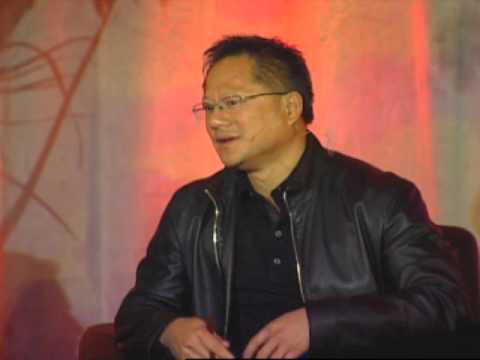
Jensen Huang (Nvidia Co-founder) - Jensen Huang at Future in Review 2010 (2010)
Parallel computing, led by GPUs and NVIDIA's vision, is reshaping computing and user experiences across industries, while cybersecurity concerns rise with the shift.

Rodney Brooks (Rethink Robotics Co-founder) - Robots Working with People (2010)
Robotics has evolved from specialized research to practical applications in various sectors, driven by technological advancements and the need for human-robot interaction. Collaboration between academia and industry is key to unlocking the full potential of robotics and shaping its impact on society.
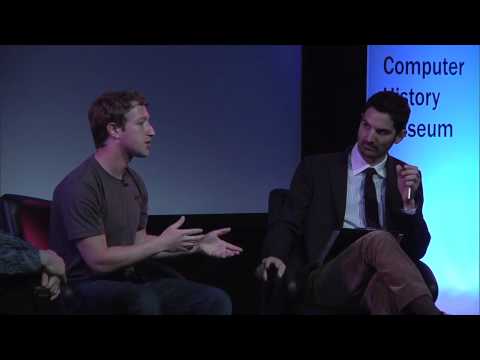
Mark Zuckerberg (Facebook Co-founder) - CHM Revolutionaries (Jul 2010)
Facebook's impact on communication is undeniable, as it revolutionized the way people connect and share information globally. Mark Zuckerberg emphasized Facebook's role as a platform for people to connect and share, rather than a content creator.
David Drummond (Google Chief Legal Officer) - Freedom of Expression (Jul 2010)
Google navigates ethical dilemmas by prioritizing user privacy, advocating internet freedom, and balancing profits with ethical practices. Google's approach to censorship and data protection involves avoiding self-censorship, protecting user data, and promoting transparency.
Ratan Tata (Tata Group Chairman) - Power Talk (May 2010)
India faces challenges in economic growth, land use, and governance, requiring substantial reforms to balance growth and equity. Trust, integrity, and data-driven policies are essential for progress and overcoming contradictions between citizens' and businessmen's expectations.

Nassim Nicholas Taleb (Scholar Investor) - Black Swans, Fragility, and Mistakes | EconTalk (May 2010)
Nassim Taleb emphasizes the importance of redundancy and skepticism in forecasting and financial systems while advocating for learning from historical mistakes and embracing natural processes. Taleb's insights challenge conventional wisdom and promote resilience in the face of complexity and uncertainty.

Steven Chu (USA Secretary of Energy) - Remarks at Oak Ridge National Lab (Mar 2010)
Innovation in energy research and policy is crucial to address climate change and maintain U.S. competitiveness in a carbon-constrained world, requiring collaboration between research institutions and government agencies.
Bill Gates (Microsoft Co-founder) - Innovating to zero! | TED (Feb 20, 2010)
Bill Gates emphasizes the interconnected challenges of energy, climate change, and poverty alleviation, advocating for a multifaceted approach that combines technical innovation, economic viability, and global collaboration. He proposes a four-factor equation to manage emissions and calls for "energy miracles," while also outlining the need for significant investment and a long-term timeline for implementing transformative energy solutions.

Sebastian Thrun (Stanford/Google Professor/Research Scientist) - Towards Self-Driving Cars (Dec 2009)
The DARPA Grand Challenge in 2004 spurred advancements in autonomous vehicle technology, with challenges progressing from desert races to complex urban navigation scenarios. Autonomous vehicles have demonstrated impressive capabilities, including the ability to navigate urban traffic, perform precision maneuvers, and envision future concepts like car trains for enhanced efficiency.
Warren Buffett (Berkshire Hathaway Chairman/CEO) - Charlie Rose Interview (Nov 2009)
Warren Buffett sees the global economy eventually recovering and believes the American economy will remain the best place to invest despite current challenges. He advocates for mutual learning and benefit from technological advancements between countries.
Hal Varian (Google Chief Economist) - Computer Mediated Transactions (Oct 2009)
Hal Varian's work emphasizes the intersection of technology and economics, with his concept of "combinatorial innovation" highlighting the unique era of innovation in the digital age. Computer-mediated transactions have significantly impacted economic activities by enforcing new contracts, aligning incentives, extracting data, conducting controlled experimentation, and personalizing products and services.
Peter Thiel (Facebook Board of Directors) - Seasteading 2009 Conference (Sep 2009)
Peter Thiel's journey from political skepticism to advocating technological solutions offers a unique perspective on governance, innovation, and the role of technology in solving global challenges, particularly through concepts like seasteading and regulatory arbitrage. Thiel emphasizes the need for technological progress and rethinking traditional political mechanisms to address future crises and foster economic growth.

Sebastian Thrun (Stanford Professor) - Towards Self-Driving Cars, ICAPS (Sep 2009)
The DARPA Grand Challenge spurred significant advancements in autonomous vehicle technology, leading to the first autonomous car victory in 2005. Self-driving cars hold the potential to improve safety, provide convenience, and revolutionize transportation systems.

Sergey Brin (Google Co-founder) - Web 2.0 Summit (Sep 2009)
Google's co-founder, Sergey Brin, discusses evolving market dynamics, advertising, and technological advancements shaping Google's future. While acknowledging the challenges faced by traditional media, he emphasizes Google's commitment to innovation and leveraging technology for accessibility and preservation.

Bill Campbell (Intuit Chairman) - Always On Stanford, Part 4 (Aug 2009)
Growth and innovation are key to long-term success, requiring a balance between revenue growth, profitability, investment in R&D and employee development, and a culture that supports innovative thinking. Companies should be willing to embrace discomfort and venture into uncharted territories to achieve transformative innovation.

Bill Campbell (Intuit Chairman) - Always On Stanford, Part 6 (Aug 2009)
Bill Campbell's impact on Silicon Valley stems from his talent recognition and support for entrepreneurs, while Bill Gurley's success lies in his trendspotting and coaching abilities.

Hal Varian (Google Chief Economist) - Combinatorial Innovation (2009)
Combinatorial innovation involves recombining existing technologies, while computer-mediated transactions use computers to facilitate agreements. These concepts have revolutionized commerce, advertising, and work processes, and will likely continue to shape the future of business and collaboration.

Bill Campbell (Intuit Chairman) - Always On Stanford, Part 5 (Aug 2009)
Tech titans like Jeff Bezos, Eric Schmidt, and Steve Jobs have redefined the technology industry through audacious strategies, exceptional judgment, and relentless pursuit of perfection. Visionary leaders such as Mark Zuckerberg, Ben Horowitz, and Vinod Khosla have anticipated technological shifts, thrived amidst challenges, and made unconventional investments.
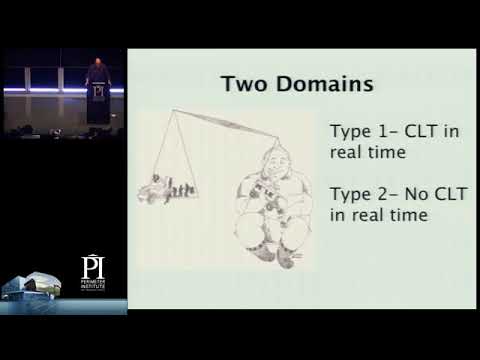
Nassim Nicholas Taleb (Scholar Investor) - The Economic Crisis and Its Implications for the Science of Economics (2009)
Fat tails challenge traditional statistical methods and require a focus on simple payoffs and practical strategies that enhance resilience and survival in an uncertain economic world.
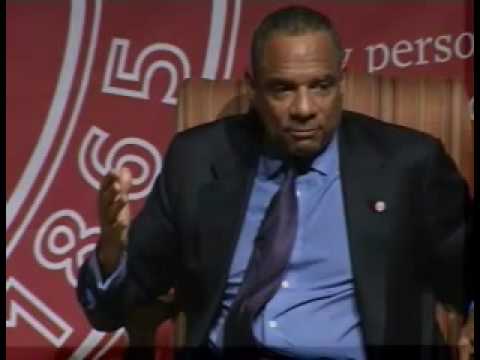
Kenneth Chenault (American Express President) - USA Today CEO Forum (Jul 2009)
American Express navigated economic challenges with a spend-centric model, credit management, and investment in innovation while emphasizing leadership, company values, and data privacy. The company focused on aligning executive compensation with shareholder interests and performance criteria to drive success.

Amory Lovins (Rocky Mountain Institute Co-founder) - Energy Efficiency 4 of 5 - Implementation (Apr 2009)
Energy efficiency can be improved through comprehensive strategies, addressing market failures, and engaging consumers. Innovative government policies, corporate initiatives, and consumer education can drive significant energy savings.
Paul Volcker (USA Former Chairman of the Federal Reserve) - Remarks about economic crisis |Financial Markets Research Center Conference at Vanderbilt (Apr 2009)
The unique complexity of the current financial crisis calls for comprehensive regulatory changes to address interconnectedness and vulnerabilities. The necessity of creating a new financial system requires a calm and thoughtful approach rather than piecemeal legislation.

Amory Lovins (Rocky Mountain Institute Co-founder) - Energy Efficiency 3 of 5 - Transportation (Apr 2009)
Transportation expert Amory Lovins proposes a multifaceted strategy for revolutionizing vehicle design, fuel consumption, and energy efficiency to reduce oil dependency and combat environmental concerns. By leveraging advanced materials, integrative design, and innovative manufacturing processes, the automotive industry can enhance energy security and mitigate environmental impacts.
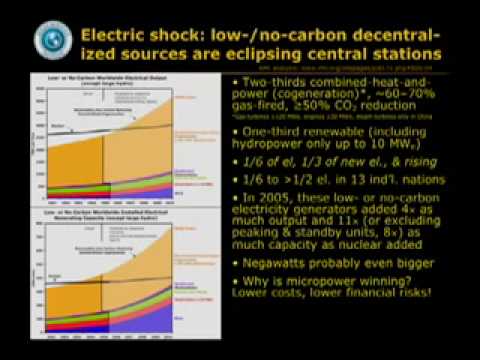
Amory Lovins (Rocky Mountain Institute Co-founder) - Energy Efficiency 5 of 5 - Implications (Apr 2009)
Energy efficiency, renewables, and innovation can revolutionize the energy landscape, addressing climate change and energy security. Distributed generation offers economic and reliability advantages over centralized grids, enhancing energy resilience.
Mark Zuckerberg (Facebook Co-founder) - DLD09 Interview (Feb 2009)
Facebook emphasizes transparency and user control while facing privacy concerns and expanding globally. Its focus on localization and the social graph concept drives user growth and information spread.
Nikesh Arora (Google SVP) - LeWeb Conference (Dec 2008)
Global opportunities beckon entrepreneurs to adopt innovative technology, transcend language barriers, and think beyond national markets to drive success in a connected world. Despite economic uncertainties, refined ideas and adaptability can foster innovation and attract investment.
Jerry Yang (Yahoo Founder) - Web 2.0 Summit (Nov 2008)
Jerry Yang's vision for Yahoo involved transforming it into a consumer-centric platform, with a focus on user engagement and external developer integration. Despite missed opportunities and regulatory hurdles, Yahoo continued to pursue strategic partnerships and acquisitions to expand its reach and drive innovation.
Vinod Khosla (Khosla Ventures Founder) - Extrapolate the Past... or Invent the Future (Oct 2008)
Technology and innovation play crucial roles in addressing energy and environmental challenges, from scalable geothermal solutions to advancements in battery technology and energy efficiency. Emerging technologies offer promising pathways toward a sustainable future, but continued innovation and collaboration are essential to overcome hurdles and realize their full potential.

Paul Volcker (USA Former Chairman of the Federal Reserve) - Paul Volcker Interview (Oct 2008)
The global financial crisis sparked a dramatic market plunge, leading to a loss of confidence and recession fears. Paul Volcker emphasized the need for comprehensive financial system reform, focusing on flexibility, innovation, and stability.
George Soros (Soros Fund Management Founder) - Interview with David Gergen, Harvard CPL (Oct 2008)
George Soros's approach to philanthropy emphasizes human fallibility and the necessity of feedback mechanisms, aiming to address global challenges, foster open societies, and combat corruption. His journey showcases the transformative power of combining wealth with a commitment to societal change, reshaping societal values and promoting democratic institutions worldwide.

Lee Kuan Yew (Singapore Founding Prime Minister) - Arundel House (Sept 2008)
The text summarizes the geopolitical insights of Lee Kuan Yew, focusing on Singapore's reliance on international stability, the transformative role of American influence in Asia, and China's calculated rise through soft power and diplomacy. Lee also highlighted the emerging multi-polar world shaped by major global powers and warned of potential destabilizing scenarios, emphasizing the complex interdependencies that govern international relations.
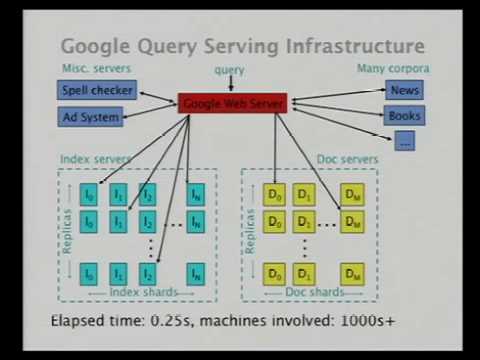
Jeff Dean (Google Senior Fellow) - Google I/O 2008 - Underneath the Covers at Google (Jun 2008)
Google utilizes cost-effective commodity hardware and innovative software solutions like MapReduce and Bigtable for large-scale data processing and storage, prioritizing collaboration and continuous learning among its engineering team.
Paul Buchheit (FriendFeed Founder) - YC Startup School (April 2008)
Paul Buchheit, creator of Gmail and co-founder of FriendFeed, offers multifaceted insights on topics such as the nuances of effective listening in user feedback, the fallacy of one-size-fits-all advice, and the importance of a conducive workplace environment for talent utilization. His overarching message emphasizes the necessity for a nuanced, contextual approach in decision-making, applicable to both established companies and startups.
Steven Chu (Stanford Professor) - Conversations with History (Apr 2008)
Stephen Chu's journey from physics to biology highlights the importance of interdisciplinary collaboration and asking meaningful questions, while his work on laser-cooling atoms revolutionized atomic manipulation and led to practical applications.

Alan Kay (VPRI Co-founder) - A powerful idea about teaching ideas | TED (Mar 2008)
Simplicity and complexity are subjective concepts shaped by our cognitive biases and mental models, and architectural thinking can lead to emergent properties and simplicity within complexity.
Doug Engelbart (Doug Engelbart Institute Founder) - Innovation | UC Berkeley (Feb 2008)
Doug Engelbart's vision of augmenting human capabilities and fostering collaboration through scalable technology has shaped modern computing and laid the foundation for the internet and collaborative platforms. His emphasis on collective intelligence, knowledge sharing, and user-friendly interfaces has influenced the development of modern computing and continues to inspire future generations to push the boundaries of technology.

Gordon Moore (Intel Corporation Co-founder) - Gordon Moore (Feb 2008)
Transistors have revolutionized modern electronics, driving the exponential growth of the industry and enabling the miniaturization of devices. Smaller transistors have brought speed, low power consumption, and reliability, leading to the development of billion-transistor integrated circuits.
Bill Gates (Microsoft Co-Founder) - Presentation @ CMU (Feb 23, 2008)
In his farewell speech at Carnegie Mellon University, Bill Gates discussed a range of topics including his career transition towards philanthropy, his optimistic outlook on the future of technology, and the need for innovation to address societal challenges. The event served not only as a pivotal moment in Gates' career but also as a comprehensive overview of his vision and legacy in technology, business, and philanthropy.
Vinod Khosla (Khosla Ventures Founder) - Talks at Google (Jan 2008)
Open educational resources and digital platforms are changing traditional education by making educational materials more affordable, accessible, and adaptable to diverse learning styles and needs. This transformation is being driven by initiatives like CK12, OpenStax, and the concept of Textbook 2.0, which emphasize flexibility, customization, and continuous improvement.

Bill Gates (Microsoft Co-Founder) - World Economic Forum (Jan 24, 2008)
Bill Gates, in his speech at the World Economic Forum, introduces the concept of "creative capitalism," a framework involving governments, businesses, and non-profits to align market forces with societal good, aiming to address economic imbalances and social inequities. As he transitions from Microsoft to focus on global challenges, Gates emphasizes the need for systemic innovation, legislative incentives, and transparent metrics to ensure that advancements benefit a broader segment of society rather than just the wealthy.

Vinod Khosla (Khosla Ventures Founder) - Biofuels (Oct 2007)
Ethanol presents a promising alternative to traditional fossil fuels, offering economic, environmental, and societal benefits. Ongoing efforts and innovations suggest a bright future for ethanol in the global energy transition.
Peter Norvig (Google Director of Research) - Learning in an Open World (Sept 2007)
Technology offers opportunities to improve education by addressing challenges like Bloom's Two-Sigma Problem and revolutionizing conventional teaching methods, but it also brings challenges like information overload and the need for scalable alternatives to one-on-one tutoring.

Lee Kuan Yew (Singapore Founding Prime Minister) - INSEAD Leadership Summit in Asia (2007)
Lee Kuan Yew's leadership philosophy is deeply influenced by the unique historical and geopolitical challenges he faced, emphasizing a sense of duty that transcends occupational roles, the importance of team cohesion, and adaptability to context. He offers critiques on U.S. foreign policy, champions the particularities of Singapore's governance and education models, and provides insights into the complexities of leadership in different global settings, including India.
Doug Engelbart (Doug Engelbart Institute Founder) - Inventing the Computer Mouse | Talks at Google (Aug 2007)
Doug Engelbart's revolutionary ideas on dynamic knowledge repositories challenge traditional book-oriented knowledge structures and emphasize collaboration and continual improvement. Google's role in advancing open hyper document systems and structured argumentation could revolutionize knowledge sharing and utilization.

Alan Kay (VPRI Co-founder) - Conversation with CMU Community (Jul 2007)
Alan Kay critiques modern computer science for emphasizing form over content and calls for a paradigm shift towards innovation and user-centric design. He advocates for a holistic approach to education that fosters creativity, perspective, and epistemological frameworks to drive the future of computing.
Steve Jobs (Apple Co-Founder) and Bill Gates (Microsoft Co-Founder) - All Things Digital Conference (May 2007)
The discourse between Steve Jobs and Bill Gates covers a wide range of topics from the future of devices and cloud services to the role of collaborative industry relationships and team dynamics. They discuss the balance between innovation and standardization, the evolution of user interfaces, and even touch on broader societal challenges, highlighting their differing philosophies—Apple's focus on integrated user experience and Microsoft's emphasis on diversity and scalability.

Charlie Munger (Berkshire Hathaway Vice Chairman) - Charlie Munger USC Law Commencement Address (May 2007)
Charlie Munger emphasizes multidisciplinary learning, cognitive awareness, financial discipline, and personal virtues for success and fulfillment in life. His philosophy encourages continuous learning, intellectual honesty, and avoiding extreme ideologies.

Larry Page (Google Co-Founder) - AAAS Annual Meeting Plenary Lecture (Feb 16, 2007)
In a rare public address, Google's founding CEO Larry Page discussed the critical intersections between science, technology, and leadership, emphasizing the need for leaders with technological literacy and advocating for a holistic approach to solving global challenges. He touched on various issues including science's public perception problem, the economic implications of technological gaps in leadership, and the potential for science and technology to drive innovation and address global concerns.
Steve Jobs (Apple Co-founder) - Steve Jobs' City Council visit (April 18, 2006)
In a public address, the late Steve Jobs outlined ambitious plans for Apple's expanded campus in Cupertino, aiming to accommodate 3,000 to 3,500 employees while also benefiting the local community financially. The expansion addresses logistical challenges due to Apple's rapid growth and signifies a long-term commitment to Cupertino, where the company originated.
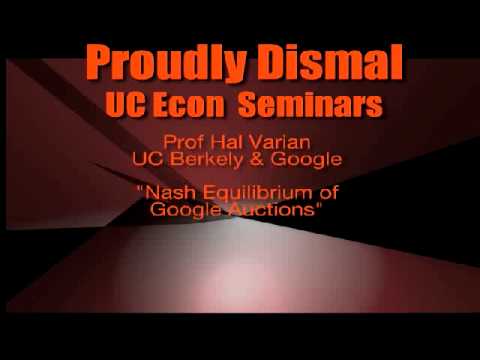
Hal Varian (Google Chief Economist) - Nash equilibria and bidding in Google Auctions (Feb 2006)
Google's auction system is a second-price auction where advertisers pay below the winning bid and not their own. Nash Equilibrium exists when no bidder can improve its profit by changing its bid unilaterally, assuming others' bids are constant.
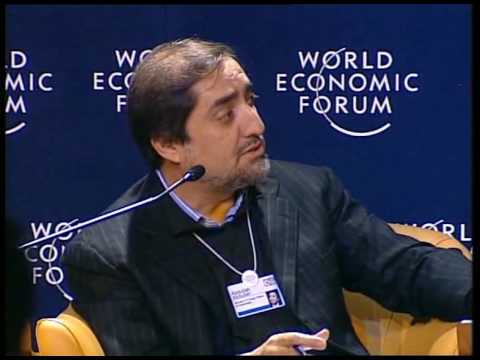
Prince Turki Al Faisal (Saudi Arabia Former Government Official) - Eradicating Extremism | Davos (Jan 2006)
Various perspectives on terrorism highlight the need for a neutral definition, engagement of religious movements in politics, and addressing media portrayals to combat extremism and promote understanding. Terrorism is a complex issue influenced by religious, political, cultural, and media factors, requiring a multifaceted approach to effectively combat it and foster a peaceful global community.
Steve Jobs (Apple Co-founder) - Steve Jobs introduces iPod nano & Motorola ROKR - Apple Special Music Event (October 12, 2005)
In a strategic move to dominate the digital music and mobile technology space, Apple announces significant updates to its iTunes platform, introduces groundbreaking products like the iPod Nano and the Motorola Rocker phone with built-in iTunes, and expands its footprint through podcasting and exclusive content partnerships. These initiatives not only fortify Apple's market leadership but also underscore its vision for a seamless integration of technology, entertainment, and communications.
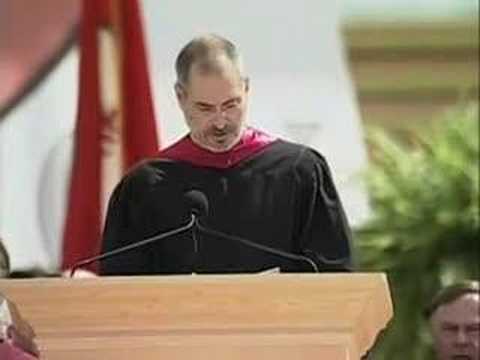
Steve Jobs (Apple Co-Founder and Pixar CEO) - Stanford Commencement Address (June 12, 2005)
In his commencement speech, Steve Jobs shared three pivotal life stories to impart the significance of trusting one's intuition, valuing passion in professional pursuits, and recognizing mortality's role in clarifying life choices. He underscored the idea that seemingly unrelated early-life decisions can have long-term impact, emphasized that passion is crucial for resilience and success, and presented mortality as a transformative force that helps prioritize life's endeavors.
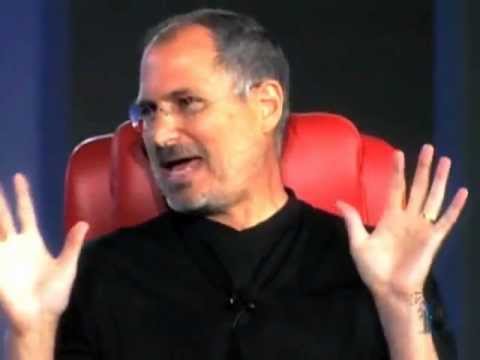
Steve Jobs (Apple Co-founder) - All Things Digital Conference (May 2005)
The text explores Steve Jobs' multifaceted approach to ensuring Apple's market leadership, touching on strategies such as product quality, design philosophy, and partnerships. Jobs navigated complexities like balancing user experience against design constraints, entering the mobile phone market, and handling relationships with various industries while continually focusing on innovation and quality.
Steve Jobs (Apple Co-founder) - Macworld 2005 (Jan 11, 2005)
The article discusses the evolution of Apple's Mac OS X, highlighting the success of Panther and previewing upcoming features in Tiger. Spotlight technology in Tiger promises real-time, deep searches across file types, while other features like Dashboard and high-definition video focus aim to enhance user experience; meanwhile, Apple continues to broaden its market reach through affordability initiatives like Mac Mini and dominates the music market via iTunes.
Lee Kuan Yew (Singapore Founding Prime Minister) - Charlie Rose Interview (Sep 2004)
Lee Kuan Yew addresses complex global challenges, such as the deep-rooted nature of terrorism and its geopolitical aims, the eastward shift in global economic power led by China and India, and the dangers of nuclear proliferation. He emphasizes the interconnectedness of these issues and advises on nuanced, informed approaches for governance, particularly urging the United States to engage sensitively with emerging powers.
Prince Turki Al Faisal (Saudi Arabia Ambassador to UK) - Davos Annual Meeting 2004 - Victory against Terrorism (2004)
Global unity against terrorism requires shared values, international cooperation, and understanding of terrorist objectives. Combating terrorism demands a unified approach, rooted in shared values and a commitment to human dignity and freedom.

George Soros (Soros Fund Management Founder) - Hillary Clinton and George Soros at the Take Back America Conference (Jun 2004)
Hillary Clinton emphasizes civic engagement and electoral integrity, while George Soros criticizes the Bush doctrine and advocates for global cooperation.

Demis Hassabis (DeepMind Co-founder) - E3 Interview (May 2004)
"Evil Genius" is an innovative game blending tycoon and real-time strategy gameplay with unique mechanics and diverse characters, set to release in late September or early October. It balances resource management and strategic combat, allowing players to pursue multiple paths to victory and experience various game endings.
Elon Musk (SpaceX, Paypal,) - Stanford Entrepreneurial Thought Leaders Lecture (Oct 2003)
The article chronicles Elon Musk's entrepreneurial journey, highlighting his ventures from Zip2 and PayPal to SpaceX, and emphasizing themes of innovation, risk-taking, and a product-centric approach. Despite facing regulatory and financial challenges, Musk's dedication and focus on disruptive technologies have had a profound impact on industries like digital commerce and space exploration.

Alan Kay (VPRI Co-founder) - Turing Award Lecture (2003)
Alan Kay, a Turing Award laureate, advocates for a practical, hands-on approach to computer science education, emphasizing simplicity, systems thinking, and a beginner's mindset. He calls for a shift from theoretical rigor to practical problem-solving, preparing students to contribute to the advancement of computing.
Steve Jobs (Apple Co-founder) - Steve Jobs introduces iTunes for Windows (2003)
Steve Jobs introduced third-generation iPods with upgraded features like voice recording and photo storage, alongside significant updates to the iTunes platform, which included diversification through audiobooks and user engagement features. The new offerings further solidified Apple's market dominance, with iPod holding 31% unit market share and iTunes owning a 70% share in legal music downloads.

Steve Jobs (Apple Co-Founder) - Apple Expo Paris (2003)
Apple's Steve Jobs announced significant upgrades to the PowerBook notebook lineup, introducing a new 15-inch model and improving existing 17-inch and 12-inch models, while also launching Bluetooth-enabled wireless peripherals. These innovations aim to strengthen Apple's dominant market share in portable computing by offering a comprehensive product portfolio with a focus on slim design, powerful performance, and enhanced features.

Alan Kay (HP Sr. Fellow) - Back to the Future of Software Development (Apr 2003)
The history of computing is marked by revolutionary contributions, such as Sketchpad, Space War, and Croquet, which have paved the way for modern computing and collaboration technologies. Children's involvement in software development can offer valuable insights and drive innovation.
Jeff Bezos (Amazon Founder) - Earth's Most Customer-Centric Company Differentiating With Technology (Nov 2002)
Amazon's success is attributed to Jeff Bezos' visionary leadership, emphasizing technological innovation and a customer-centric approach. The company has diversified into multiple markets and invests heavily in data-driven strategies, advanced algorithms, and scalability, setting industry standards and continuously adapting to market complexities.

Lee Kuan Yew (Singapore Founding Prime Minister) - on Entrepreneurship in Singapore (Feb 2002)
Mr. Lee Kuan Yew's examination of entrepreneurship covers a wide array of factors, from innate qualities and cultural influences to the role of government, using Singapore and its entrepreneurial landscape as a case study. He argues that successful entrepreneurship is a blend of nature and nurture, shaped by cultural attitudes and governmental policies, and emphasizes the need for continuous adaptation to global economic realities.

Nassim Nicholas Taleb (Scholar Investor) - Harold Channer Interview (Dec 2001)
Nassim Taleb's insights on randomness, probability, and decision-making offer a unique perspective on comprehending our increasingly complex world, urging acceptance of uncertainty and appreciation of the interplay between order and chaos. Taleb emphasizes the limitations of human understanding and advocates for holistic thinking in a specialized world.
Warren Buffett (Berkshire Hathaway Chairman/CEO) - University Of Georgia (2001)
Warren Buffett emphasizes understanding economics, staying within one's investment circle, and focusing on intrinsic value. He advocates for concentrated philanthropy and intelligent fund management to effectively address societal problems.

Stephen Hawking (University of Cambridge Professor) - The Universe in a Nutshell (2001)
Stephen Hawking discussed the universe's origin, fate, and the possibility of multiple histories, comparing it to a giant casino governed by probabilities. He proposed a unified theory of everything that would explain the universe's beginning and boundary conditions.

Steve Jobs (Apple) - Macworld (Jan 9, 2001)
Apple Inc. unveiled multiple advancements in a recent event, including the beta release of Mac OS X, new developer frameworks, next-generation Power Mac G4s, iTunes, and iDVD, signifying a strategic focus on computing and digital lifestyle. The company also outlined its vision for the future of PCs, aiming to be at the forefront of the anticipated "third golden age" centered on digital lifestyle, supported by an integrated ecosystem and robust user engagement.
Jack S. Kilby (Texas Instruments Engineer) - Jack S. Kilby, Nobel Prize in Physics 2000 (Dec 2000)
Jack Kilby's invention of the integrated circuit (IC) in 1958 revolutionized electronics, leading to miniaturization, improved reliability, and reduced costs. ICs have had a profound impact on society, enabling advancements in computing, communication, and consumer electronics.
Doug Engelbart (Doug Engelbart Institute Founder) - Leveraging our collective intelligence | Engelbart Colloquium @ Stanford [Week 2 of 10] (2000)
Engelbart's vision emphasized continuous adaptation to technological changes and the effective use of technology as an organizational nervous system. The concept of collective IQ and dynamic knowledge repositories are crucial for organizations to thrive in a rapidly evolving digital landscape.

Bill Gates (Microsoft Co-founder) - UK TV Interview (Oct 17, 1999)
The transcript delves into Bill Gates as a multifaceted individual, exploring his journey from a passionate young programmer to becoming a global influencer with roles as a visionary in software development, a philanthropist focused on global health and education, and a controversial figure facing allegations of monopolistic practices. Despite the complexities and criticisms, Gates remains steadfast in his belief that software has the potential to democratize information and empower individuals, while acknowledging the ethical challenges posed by technological advancements.
Bill Gates (Microsoft Co-Founder) - London Business School (1999)
Bill Gates outlines a comprehensive roadmap for business success in the digital age, emphasizing the transformative power of the internet, the critical role of leadership, and the importance of organizational agility and customer-centricity. He also discusses metrics for assessing digital readiness, the uneven global adoption of the internet, and future trends such as the evolution of microprocessors and digital interfaces.

Lee Kuan Yew (Singapore Founding Prime Minister) - Shell Distinguished Lecture Series (Oct 1998)
In his speech at the Baker Institute, Lee Kuan Yew explores the complex relationship between culture and economics in Asia, particularly discussing the East Asian financial crisis, the role of governance, and global economic vulnerabilities. He advocates for nuanced financial discipline and structural reforms, while emphasizing the importance of U.S. and Japanese involvement in stabilizing the East Asian economy.

George Soros (Soros Fund Management Founder) - Charlie Rose Interview 1998 (1998)
George Soros emphasizes the importance of an open society that balances market and intrinsic values, while warning of the dangers of market fundamentalism and advocating for reforms in the global economic system. Soros's insights stress the need for a more equitable and stable economic order that prioritizes human values alongside market values.

Alan Kay (VPRI Co-founder) - MIT-EECS Colloquium (1998)
Alan Kay's revolutionary concepts, such as the Dynabook and Smalltalk, shaped modern computing and inspired future innovations, while his emphasis on open knowledge and transformative teaching fostered creativity and critical thinking in his students. His insights into early computers and programming languages laid the groundwork for modern object-oriented programming and graphical user interfaces.

Warren Buffett, Bill Gates (Berkshire Hathaway, Microsoft Corporation Chairman and CEO, Co-founder and Chairman) - Gates & Buffett at University Of Washington (1998)
Warren Buffett emphasizes enjoying one's work, selecting well-known companies, and advocating for predictable businesses, while Bill Gates stresses continuous innovation, adapting to local conditions, and embracing technological progress.

Bill Gates (Microsoft Co-founder) - Buffett & Gates on Success (1998)
Warren Buffett emphasizes job satisfaction and rational choices, while Bill Gates focuses on technology's transformative potential and the significance of education and global expansion.

George Soros (Soros Fund Management Founder) - Discussion on capitalism and the economic crisis (1998)
George Soros highlights the inherent instability of capitalism and the need for a balance between market and societal values to ensure open societies' stability. He advocates for a reformed global financial framework and a new Bretton Woods agreement to address the challenges of free capital flows and debt crises.

George Soros (Soros Fund Management Founder) - Swedish journalist Stina Dabrowski interviews George Soros (1998)
George Soros, known for his financial success and later philanthropic efforts, used his wealth to foster open societies, particularly in Eastern Europe, driven by his belief in education, media, and open society projects. Soros's life experiences, including survival during World War II, shaped his worldview and approach to finance and philanthropy.

Steve Jobs (Apple Co-founder) - Steve Jobs introduces the iMac (1998)
Under Steve Jobs's leadership, Apple Inc. successfully emerged from a period of uncertainty to become a stable and profitable tech giant with key accomplishments including reduced attrition rates, strategic focus on customer needs, and a strengthened product line. The company also demonstrated financial growth, technological advancements, and improved market presence through partnerships and increased online engagement.

Steve Jobs (Apple Co-founder) - Steve Jobs Interview re: iMac (Aug 1998)
In the late '90s, Steve Jobs formulated a comprehensive strategy to revive Apple, centering it around the launch of the iMac, which he positioned as a groundbreaking, high-performance, and user-friendly device designed to re-establish Apple as a market leader. Through aggressive marketing, targeted demographic appeal, and thorough supply preparation, Jobs aimed not just to introduce a new product but to reclaim Apple's dominant position in the consumer technology market.
Larry Ellison (Oracle Corporation Founder and CEO) - Larry Ellison interview (1997) (1997)
Larry Ellison, co-founder and executive chairman of Oracle Corporation, discusses his multifaceted philosophies on business and personal development, ranging from the importance of relational databases and aggressive competition to individualism and risk-taking. His insights illuminate how he navigated challenges and opportunities to evolve Oracle into a major tech competitor, while also emphasizing the critical roles of innovation, talent retention, and personal growth in achieving success.

Alan Kay (VPRI Co-founder) - Stanford EE 380 class by Allison, Wharton. Alan Kay talk 6/4/97 (VPRI 796) (Jun 1997)
Computing's future lies in embracing unconventional ideas, balancing engineering and artistic creativity, understanding biology's role, and supporting late binding and self-reflection in programming languages.

Bill Gates (Microsoft Co-Founder) - Charlie Rose interview (Nov 1996)
Bill Gates outlines a comprehensive vision for Microsoft's role in the internet era, focusing on a strategic shift towards internet technologies, adaptability, and market competitiveness through partnerships. He also discusses Microsoft's long-term commitments to innovation, its proactive role in digital inclusion, and the importance of customer feedback and adaptability in shaping the company's future.
Steve Jobs (NeXT founder) - Internet World Spring (April 30, 1996)
In a speech marking the 10th anniversary of Next Software Corporation, Steve Jobs introduced the WebObjects framework and advocated for a transition from static to dynamic web services, emphasizing the importance of server-side processing. Jobs showcased real-world adoptions and predicted that dynamic services would be essential for meeting diverse user needs, while also outlining Next's business strategy and the broader implications for web technologies.

Peter Thiel (Pre-Paypal ) - Remarks on Thiel Book, "The Diversity Myth" (Jan 1996)
Political correctness and multiculturalism on college campuses are topics of heated debate, with concerns about academic freedom, diversity, and the role of higher education in shaping society. Critics argue that these ideologies stifle free speech and homogenize thought, while proponents emphasize the importance of inclusion and addressing historical biases.

Doug Engelbart (Doug Engelbart Institute Founder) - The Strategic Pursuit of Collective IQ (1995)
Doug Engelbart revolutionized human-computer interaction by introducing the mouse, collaborative computing, and hypertext, while emphasizing the importance of collective problem-solving and human augmentation. Engelbart's visionary ideas and pioneering work continue to inspire and guide current and future generations in the field of computing.

Steve Jobs (NeXT Founder) - Object World Keynote (Aug 14, 1995)
In his keynote address at OpenStepDays, Steve Jobs introduced OpenStep, WebObjects, and D'Ole as part of a unified vision for object-oriented software development aimed at improving scalability, interoperability, and efficiency. The technologies promise to revolutionize enterprise-level application development, dynamic web services, and distributed computing, while also reflecting the company's strong financial performance and commitment to future advancements.
Bill Gates (Microsoft Co-founder) - Information at your fingertips (1994)
Bill Gates discusses the future as one characterized by rapid technological innovations affecting various sectors including business, healthcare, and law enforcement. He advocates for a visionary approach to harness these advancements, emphasizing the need for ongoing innovation, digital convergence, and personalized systems, while also underscoring the importance of addressing ethical and legal challenges.
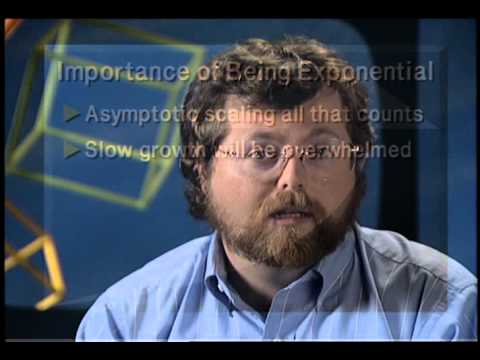
Nathan Myhrvold (Microsoft CTO) - Roadkill on the Information Highway (July 1994)
The convergence of computing and communication is poised to reshape every facet of life, according to Nathan Myhrvold.

Nelson Mandela (South Africa President) - Nelson Mandela Inauguration (May 1994)
Nelson Mandela's inauguration signaled a new era for South Africa, symbolized by his commitment to democracy, unity, and reconciliation after the end of apartheid. His inaugural address set a vision for a just and equitable society, with a focus on national unity and addressing the legacy of apartheid.

George Box (UNC Chapel Hill Professor) - The Quality Movement (Jun 1993)
Mayor Joe's transformative management techniques overcame political challenges, while Dr. Bill Hunter's innovative teaching methods and contributions to statistics had a global impact on quality improvement.

Warren Buffett (Berkshire Hathaway Chairman/CEO) - Omaha Press Club Education Committee (1992)
Warren Buffett's complex relationship with the media involves ethical dilemmas, insights into media's influence on politics and investment, and challenges in journalism. His legacy includes a balanced engagement with media, emphasizing transparency, accuracy, and thorough research in investment decisions.

George Box (UNC Chapel Hill Professor) - The Interactive Nature of Experimentation - Part 1 (1990)
Scientific investigations progress iteratively, requiring an adaptive strategy that allows for flexibility and adjustments as new data emerges, and subject matter knowledge is crucial for formulating meaningful questions, interpreting data, and drawing accurate conclusions.

Steve Jobs (NeXT founder) - Uncut Interview (1990)
Steve Jobs's vision for technology emphasized adaptive innovation, human-centric design, and the transformative power of computers as tools that amplify human capabilities. He foresaw significant revolutions in computing, including the rise of interpersonal computing, and laid the groundwork for the future integration of technology into a cohesive, global network.

Alan Kay (Disney Imagineering Fellow) - Alan Kay Interview (Jan 1990)
Computing's evolution reflects human creativity, perception, and adaptability, with promises of future transformation. Computers' impact on human experience will continue to shape the world in profound ways.

Alan Kay (Disney Imagineering Fellow) - BSO MultiMedia Group (1989)
Alan Kay's pioneering work on human-computer interaction made technology more user-friendly and accessible, while Tim Gallwey's "inner game" method in teaching tennis emphasizes focusing on the process rather than the outcome.

Stephen Hawking (University of Cambridge Professor) - Baby Universes, UC Berkeley (Oct 1988)
Stephen Hawking's lecture explored the existence of black holes, the possibility of radiation escaping them, and the concept of baby universes emerging from black holes, challenging our understanding of scientific predictability. His work delved into fundamental questions about our existence and the universe's mysteries, inspiring awe and wonder about the cosmos we inhabit.

Stephen Hawking (University of Cambridge Professor) - Black Holes, White Holes, and Worm Holes (1988)
Stephen Hawking's groundbreaking theories on black holes, including the concept of black hole radiation, have revolutionized our understanding of the universe and the interplay between gravity and quantum mechanics. His work continues to inspire research and debate, pushing the boundaries of human knowledge.

Alan Kay (Disney Imagineering Fellow) - A Vision of New Age | Los Angeles Broadcast Promotion & Marketing Executives (1988)
Computing is evolving from passive media to dynamic engagement, with predictions of immersive virtual reality systems and advanced 3D graphics engines revolutionizing user interaction and perception.

Stephen Hawking (University of Cambridge Professor) - Carl Sagan, Stephen Hawking and Arthur C. Clarke - God, The Universe and Everything Else (1988) (1988)
Stephen Hawking, Carl Sagan, and Arthur C. Clarke explored the universe's origins, the nature of time and space, and the role of creativity in scientific inquiry. Their collective wisdom highlights the power of curiosity, imagination, and relentless pursuit of knowledge in unraveling the mysteries of the cosmos.

Sheikh Zaki Ahmed Yamani (Saudi Arabia Former Minister of Petroleum and Mineral Resources) - The Harvard Law Forum (1987) (1987)
Islamic law is unique in that it governs all aspects of life and has played a significant role in shaping Islamic civilization. The ongoing Islamic revival is a complex movement with diverse motivations and manifestations, including a rekindled interest in Islamic practices and increased social activism.

George Box (UNC Chapel Hill Professor) - Some aspects of statistical design in quality improvement (1987)
Simple scientific methods and quality control techniques have led to profound quality and efficiency improvements in various industries, with Japanese automakers standing out as a prime example of this transformation. The shift from inspection to building quality into the manufacturing process itself has been key to the success of this quality revolution, emphasizing the need for a more proactive approach to quality control.

Steve Jobs (NeXT founder) - Steve Jobs brainstorms with the NeXT team (1985)
Steve Jobs' vision for Next, Inc. focuses on transforming higher education by offering affordable, high-power computing solutions that can simulate complex academic resources, aiming to democratize access to cutting-edge educational tools. The venture prioritizes agile decision-making, financial sustainability, and timely execution, while leveraging a strong team and strategic branding to meet its ambitious goals.
Alan Kay (Atari Chief Scientist) - TED Conference (Jul 1984)
Alan Kay's vision for personal computing emphasized human factors, intuitive interfaces, and the integration of technologies for immersive experiences. The evolution of personal computing has been shaped by visionary ideas, research funding, and the pursuit of interactive computing.

Alan Kay (Atari Chief Scientist) - Interview (Nov 1982)
Alan Kay's leadership at Atari emphasized long-term research and innovative development, blending entertainment, advanced graphics, and advanced user interfaces to reshape the gaming industry and set the stage for future technological advancements. His insights into consumer needs and risk-taking leadership inspired a generation of technologists and game developers, driving the industry towards more immersive and intuitive experiences.

George Box (UNC Chapel Hill Professor) - Practice and Theory; Some Personal Experiences (1982)
George Box, a prominent statistician, made significant contributions to the field, including pioneering work in response surface methodology, evolutionary operation, and robustness in statistical methods. His innovations earned him recognition and advanced the field of statistics, leaving a lasting legacy.

Wernher von Braun (NASA Director of Marshall Space Flight Center) - Dr. Wernher von Braun at The Harvard Law Forum (1970) Part 2 (1970)
Satellites enhance food production, resource management, disaster preparedness, and weather forecasting, while space exploration aims to address Earth's challenges and expand human knowledge.

Doug Engelbart (Stanford Research Institute Director of the Augmented Human Intelligence Research) - 1969 Engelbart Demo - ASIS Conference (2/3) (Feb 1969)
Doug Engelbart's NLS system introduced innovative features for navigating and manipulating complex information structures, revolutionizing the way we interact with digital data. The NLS system's structure and navigation capabilities, system development tools, and practical applications aimed to enhance user experience and facilitate efficient information management.

Lee Kuan Yew (Singapore Founding Prime Minister) - Interview with Lee Kuan Yew (1967)
Lee Kuan Yew emphasized the need for the United States to exercise strategic restraint and a nuanced understanding in its involvement in the Vietnam War, warning against unilateral decisions and questioning the effectiveness of international bodies like SEATO. He also offered a cautious perspective on China's influence, the fragility of Southeast Asia, and the importance of individual nations, including Singapore, using time and resources wisely to secure their futures.

Warren Buffett (Berkshire Hathaway Chairman/CEO) - First Interview (1962)
Overvaluation, disparity in earnings, and forced selling contributed to the recent stock market decline. While the market has historically been a mixed predictor of business conditions, Warren Buffett's perspective on forced selling adds insight into the current situation.