
Adam Selipsky (Amazon Web Services CEO) - Podcast with Norges Bank Investment Management CEO (Dec 2023)
AWS dominates cloud market with customer-centric innovation and cost-effective services, fueling startup success, AI development, and sustainable growth.
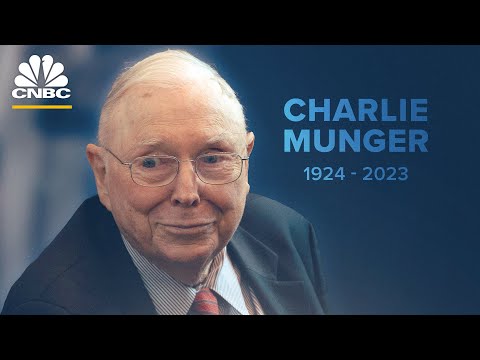
Charlie Munger (Berkshire Hathaway Vice Chairman) - Final television interview (Dec 2023)
Charlie Munger's life embodies intellectual curiosity, practical wisdom, and resilience. His perspectives on investing, history, society, and personal development offer valuable insights for living a fulfilling life.
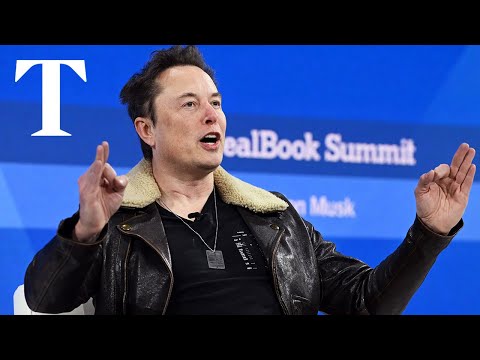
Elon Musk (X/Tesla/SpaceX ) - Brothers of Italy Party Festival (Dec 2023)
Elon Musk proposes incentives to address declining birth rates, criticizes extreme environmentalism, and advocates for a pragmatic approach to climate change. He envisions a multi-planetary future for humanity while cautioning against excessive regulation and identity politics.
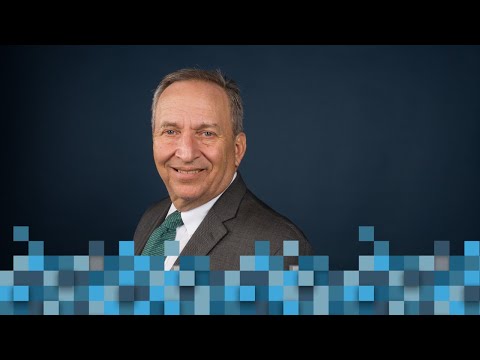
Larry Summers (USA Former Treasury Secretary) - Whats Next for the U.S. Economy? | Harvard Kennedy School (Dec 2023)
Lawrence Summers warns of a potential recession in the U.S. economy due to persistent inflation and a worsening fiscal situation, while advocating for responsible AI development and international cooperation in regulating new technologies.
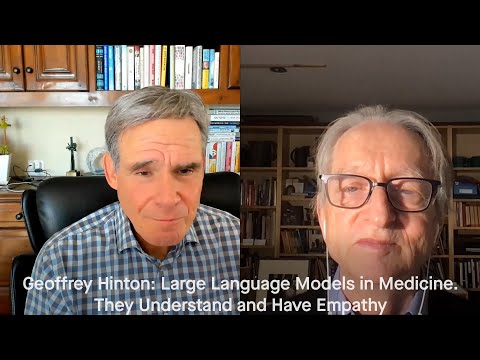
Geoffrey Hinton (University of Toronto Professor) - LLMs in Medicine. They Understand and Have Empathy (Dec 2023)
AI has the potential to revolutionize healthcare with improved diagnostics, personalized treatments, and assistance for cancer patients' relatives, but ethical considerations and safety concerns must be addressed. AI's cognitive abilities and consciousness remain subjects of debate, challenging traditional notions of human uniqueness and prompting discussions on rights and coexistence with machines.
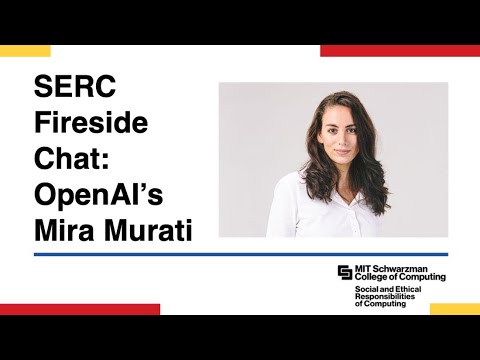
Mira Murati (OpenAI CTO) - Fireside Chat at MIT (Dec 2023)
AI collaboration aims to enhance human capabilities, and OpenAI emphasizes safety and responsible deployment through careful iteration and governance.
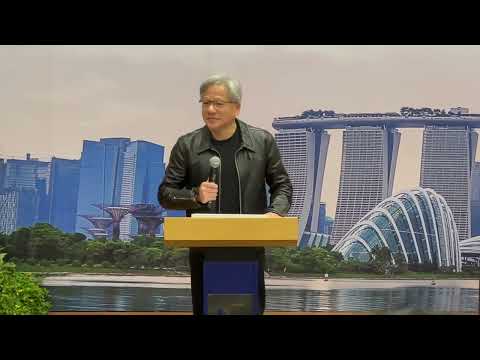
Jensen Huang (Nvidia Co-founder) - Exciting Insights into the Future of AI in Singapore (Dec 2023)
Accelerated computing and generative AI are revolutionizing computing and AI, leading to advancements in various industries and shaping the future of technology. Singapore's national AI strategy aims to position the country as a competitive AI hub and leverage AI for societal good.
Fei-Fei Li (Stanford Professor) - The Visionary Behind ImageNet and AI's Human-Centered Future (Dec 2023)
Fei-Fei Li's journey highlights the power of perseverance, mentorship, and diversity in shaping the future of AI, from advancing computer vision technology to advocating for ethical and responsible development. Li's work emphasizes the need for a human-centered approach to AI to address its social impact and ensure its responsible development.
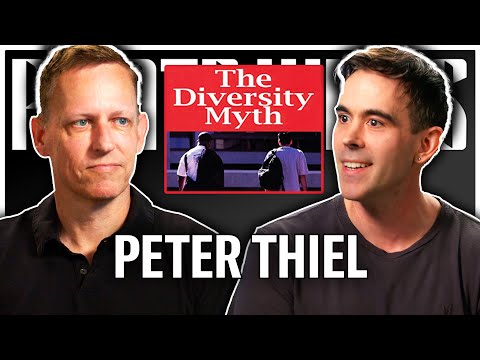
Peter Thiel (PayPal/Palantir Co-founder) - The Diversity Myth, Corrupt Institutions, Woke Capital, and the Loss of Religion (Nov 2023)
Peter Thiel's critique of societal preoccupation with diversity, wokeness, and DEI highlights the neglect of technological innovation, economic equality, and geopolitical vigilance. Thiel argues that this diversion has profound implications, hindering societal progress and leaving crucial issues unaddressed.
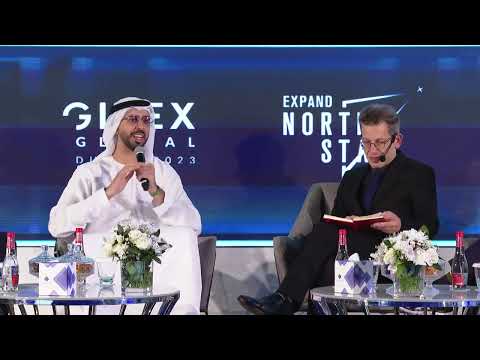
Emad Mostaque (Stability AI Co-founder) - Fireside Chat in UAE (Nov 2023)
AI presents challenges and opportunities for governments and organizations, requiring balanced governance, equitable access, and global collaboration to harness its transformative potential while mitigating risks. AI has the potential to boost productivity, address complex issues, and bridge development gaps, but ethical frameworks and digital divide need to be addressed.

James Gorman (Morgan Stanley CEO) - Interview with Norges Bank Investment Management CEO (Nov 2023)
Morgan Stanley's success under James Gorman stemmed from clear communication, realistic goal setting, strategic resource allocation, and effective integration of acquisitions. Simplicity, clarity, and authenticity were key elements in Gorman's leadership style and Morgan Stanley's cultural integration efforts.
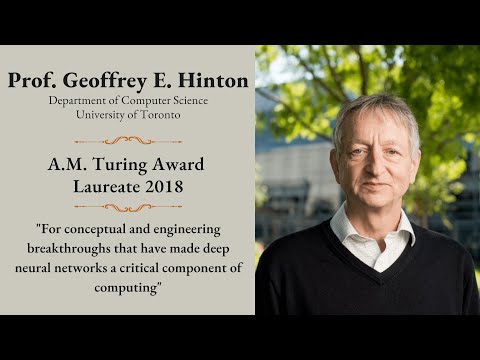
Geoffrey Hinton (University of Toronto Professor) - Winter School on Deep Learning (Nov 2023)
The Winter School of Deep Learning explored advancements in AI, including the forward-forward algorithm, which offers a biologically plausible approach to train neural networks and aligns with the brain's learning mechanisms. The algorithm's robustness and insensitivity to unknown transformations make it suitable for low-power hardware and applications requiring biological realism.
Alexandr Wang (Scale AI Co-founder) - Interview with Redpoint Ventures (Nov 2023)
AI's transformative power is driven by data, enabling economic growth and societal change, but poses risks such as misuse and labor displacement. Embracing AI and understanding its risks and potential is key to gaining a competitive edge and shaping a prosperous future.
Paul Graham (Y Combinator Co-founder) - Ambition, Art, and Evaluating Talent (Nov 2023)
Key figures in technology and art offer perspectives on innovation, success, and challenges. The changing landscape of startups and the scarcity of great young founders highlight the importance of adaptability and critical evaluation in navigating complex and ever-changing industries.

Sam Altman (OpenAI Co-founder) - AI and the Future of Art (Nov 2023)
AI's influence in art challenges traditional notions of authenticity and raises ethical concerns about the non-consensual use of artists' data, leading to discussions about economically and ethically aligning AI development with artists' interests. AI's broader societal implications include its potential to address complex problems, foster creativity, and enhance human capabilities, while also raising questions about the future of work and the need for ethical and inclusive approaches to AI development.

Tim Httges (Deutsche Telekom CEO) - Interview with Norges Bank Investment Management CEO (Nov 2023)
5G, AI, and globalization drive innovation in the telecom sector, while challenges include political influences, differing global values, and the underappreciation of 5G's benefits. Deutsche Telekom's success formula involves constant transformation, connectivity focus, and leadership pursuit.
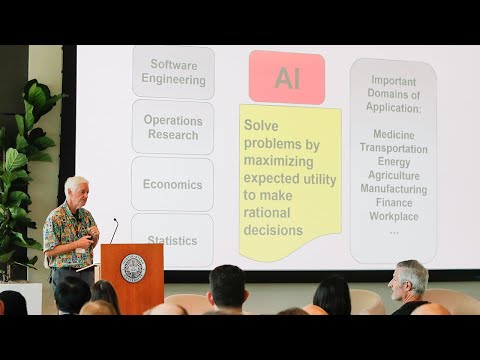
Peter Norvig (Google Director of Research) - What is Human-Centered AI? | Institute for Experiential AI (Nov 2023)
AI's evolution involves challenges in defining objectives, incorporating societal values, and addressing ethical concerns while achieving accuracy and mitigating unintended consequences. AI's impact on various fields, including justice, advertising, and creative industries, demands a responsible AI agenda that considers societal implications and diverse perspectives.

Jensen Huang (Nvidia Co-founder) - Interview with Norges Bank Investment Management CEO (Nov 2023)
Jensen Huang, CEO of NVIDIA, has revolutionized AI and computing through his contributions to GPU utilization, computer architecture, and ethical considerations of AI, while democratizing access to AI technology and addressing global challenges with AI. Huang's guidance has led NVIDIA to redefine computer architecture and democratize AI technology to prevent monopolization and mitigate risks.
Nassim Nicholas Taleb (Scholar Investor) - Self-Education and Doing the Math (Nov 2023)
Lebanese history and modern thought are rich tapestries of ideas influenced by historical events, cultural dynamics, and philosophical insights. Education should balance practical skills with preserving cultural values, while learning by doing is more effective than theory-based education.
Mustafa Suleyman (Inflection AI Co-founder) - Artificial Intelligence and the Containment Problem (Nov 2023)
AI and synthetic biology challenge traditional power dynamics and introduce risks and opportunities with implications for society and the future. AI and synthetic biology's autonomous nature and proliferation potential create unique challenges and opportunities that require a balanced approach, adaptability, and a new narrative.
Sam Altman (OpenAI Co-founder) - Unmasking the Future of AI | Commonwealth Club of California (Nov 2023)
AI development requires a balanced approach, considering safety, ethical implications, and responsible innovation to maximize benefits and mitigate risks. Balancing short-term and long-term risks, addressing biases and discrimination, and fostering participatory development are crucial for shaping AI's future.
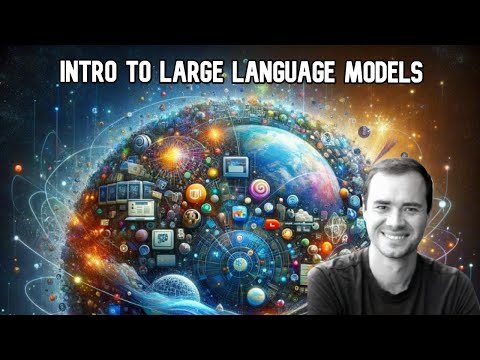
Andrej Karpathy (OpenAI Founding Member) - [1hr Talk] Intro to Large Language Models (Nov 2023)
Large language models (LLMs) have emerged as a groundbreaking development in AI, akin to a new computing paradigm. LLMs can generate human-like text, perform various tasks like information gathering and data analysis, and showcase evolving capabilities, but they face security challenges and require specialized training for specific tasks.
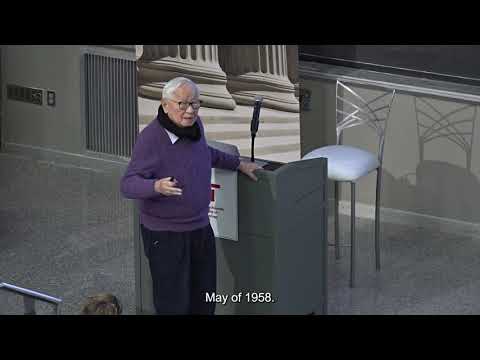
Morris Chang (Taiwan Semiconductor Manufacturing Company Co-founder) - On the evolution of the semiconductor industry | MIT (Nov 2023)
Taiwan Semiconductor Manufacturing Company (TSMC), founded by Dr. Morris Chang, revolutionized the semiconductor industry with its foundry business model, leading to its dominance in advanced chip production. Taiwan's success in chip manufacturing is attributed to factors like skilled workforce, government support, and a collaborative ecosystem.
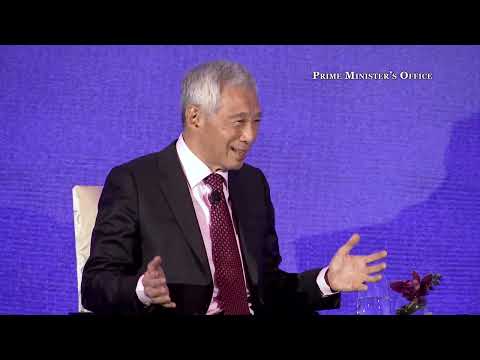
Lee Hsien Loong (Singapore Prime Minister) - Bloomberg New Economy Forum 2023 (Nov 2023)
Lee Hsien Loong's views on international relations emphasize peace, realism, and the transformative potential of AI, while his domestic focus centers on governance, social cohesion, and addressing challenges like money laundering.
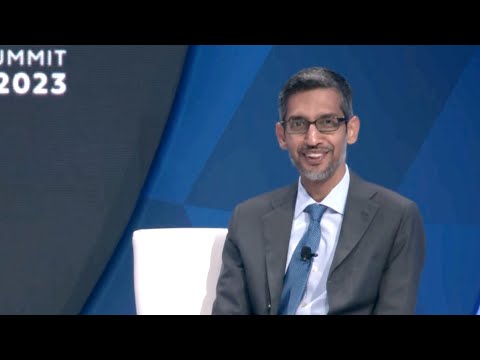
Sundar Pichai (Alphabet CEO) - China vs. US (Nov 2023)
AI's potential to revolutionize the Asia-Pacific region is significant due to the absence of entrenched legacy systems, while Google's Gemini language model represents a leap into next-generation AI with the aim of integrating memory and planning capabilities.
Fei-Fei Li (Stanford Professor) - ImageNet to ChatGPT (Nov 2023)
Fei-Fei Li's groundbreaking contributions to AI include the creation of ImageNet, which catalyzed deep learning advancements, and her advocacy for a human-centered, responsible, and inclusive approach to AI development and education.
Elon Musk (X/Tesla/SpaceX ) - Rishi Sunak & Elon Musk (Nov 2023)
Governments struggle with AI regulation due to expertise and agility gaps, while an independent Safety Institute is proposed for necessary oversight. Elon Musk envisions a future with advanced AI causing job displacement but also enabling universal high income and abundant resources.
Demis Hassabis (DeepMind Co-founder) - Envisioning the Future of Health and Science with Artificial Intelligence (Oct 2023)
AlphaFold, a deep learning system, has revolutionized protein structure prediction, leading to new insights into diseases and drug development. AI's integration in scientific discovery has accelerated breakthroughs across fields, empowering researchers and improving healthcare.
Nassim Nicholas Taleb (Scholar Investor) - Connectivity, Global Fragility, and the Added Danger of AI (Oct 2023)
Connectivity enhances efficiency but makes systems more prone to catastrophic events. Anti-fragility promotes resilience by adapting to and benefiting from stressors.
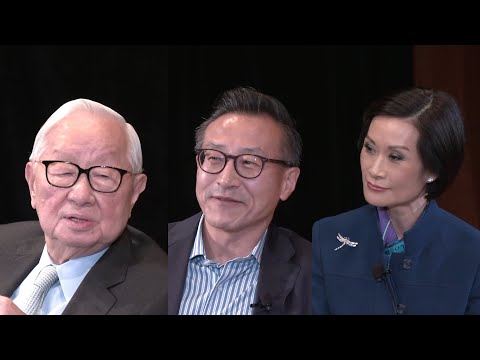
Morris Chang (Taiwan Semiconductor Manufacturing Company Co-founder) - Leadership in a Fragmenting World (Oct 2023)
Morris Chang's founding of TSMC revolutionized the semiconductor industry, and Joe Tsai's expertise helped Alibaba expand and navigate legal challenges. U.S.-China decoupling poses risks to global progress, but Asia's resilience and educational systems may help maintain dynamism and investor confidence.
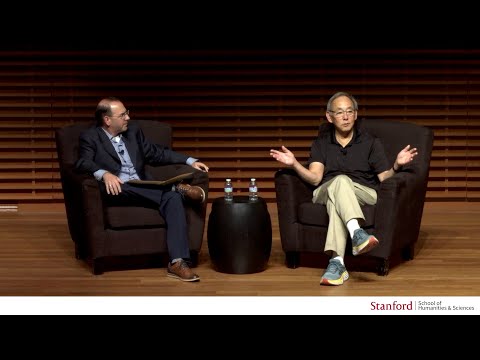
Steven Chu (Stanford Professor) - Big Ideas (Oct 2023)
Steven Chu played a crucial role in managing the BP oil spill, emphasizing scientific evidence-based decision-making, and also made significant contributions to renewable energy, electric vehicles, and climate change policy.
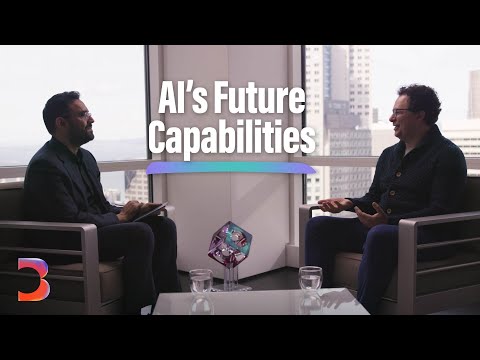
Dario Amodei (Anthropic Co-founder) - Bloomberg Interview on Building Safe AI (Oct 2023)
The rapid advancement of AI brings both excitement and concern, requiring careful navigation of its potential and pitfalls. To ensure AI's beneficial impact, balancing safety, transparency, and societal adaptation is crucial.
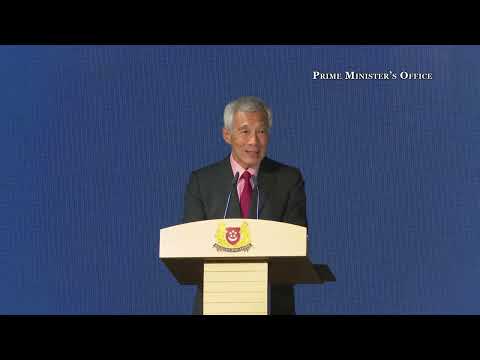
Lee Hsien Loong (Singapore Prime Minister) - ISD 75th Anniversary Gala Dinner Speech (Oct 2023)
Singapore's Internal Security Department (ISD) is crucial in addressing evolving security threats, from terrorism and foreign influence to domestic vulnerabilities and social cohesion challenges. ISD's ongoing transformation aims to ensure it remains a capable agency with a strong team of officers committed to safeguarding Singapore's security and stability.
Sam Altman (OpenAI Co-founder) - The Future of AI and ChatGPT | WSJ (Oct 2023)
Artificial general intelligence (AGI) has the potential to revolutionize society, but it also poses significant ethical and societal challenges, such as data usage, personalization, and safety. AGI's potential benefits include increased productivity, economic growth, and enhanced problem-solving capabilities.
Satya Nadella (Microsoft CEO) - Empathy (Oct 2023)
Satya Nadella's leadership style emphasizes empathy, ethics, and innovation, drawing inspiration from his passion for cricket and personal experiences. His focus on education and responsible AI development reflects a commitment to social impact and technological progress.
Charlie Munger (Berkshire Hathaway Vice Chairman) - Acquired Podcast Interview (Oct 2023)
Charlie Munger advocates for cautious, odds-based financial decision-making and discourages impulsive gambling-like behaviors in investing. He supports taxing short-term gains to discourage speculative trading and promote long-term investment strategies.
Ajay Banga (World Bank Group President) - Interview with Norgest Bank Investment Management CEO (Oct 2023)
Ajay Banga's vision for the World Bank emphasizes integrating environmental sustainability with poverty eradication, and his leadership style stresses urgency, risk-taking, and empowering people. Banga's global perspective and experience in emerging markets contribute to his credibility and acceptance on the global stage.

Julia Hartz (Eventbrite CEO) - Eventbrite ft. Julia Hartz - A company that took 14 years to build nearly disappeared in 14 days (Oct 2023)
Eventbrite's strategic decisions, adaptability, and customer-centric approach helped it overcome challenges like market expansion, pricing model overhaul, and the COVID-19 pandemic, emerging stronger and more resilient. Despite initial difficulties as a public company, Eventbrite's focus on virtual events and commitment to customer support helped it thrive in the face of adversity.

Peter Thiel (PayPal/Palantir Co-founder) - The Stagnation of Science and the AI Revolution (Oct 2023)
Peter Thiel offers unique perspectives on business, investment, science, and society, challenging conventional wisdom and urging a critical examination of progress and societal values. Thiel emphasizes the need for unique insights in investment, warns against the potential pitfalls of safetyism, and critiques current cultural debates as distractions from pressing economic and scientific issues.

Mark Zuckerberg (Meta Co-founder) - Meta Connect Keynote (Oct 2023)
Meta envisions a future where mixed reality, AI, and smart glasses revolutionize how we connect, learn, and experience the world. Quest 3 and Meta AI Studio exemplify this vision, bridging the gap between physical and digital realms with immersive experiences.
Vinod Khosla (Khosla Ventures Founder) - India Philanthropy Summit (Oct 2023)
Vinod Khosla's venture philanthropy approach emphasizes risk-taking and technology-driven solutions to address global challenges with a focus on sustainability and compassion. AI's potential for personalized and scalable solutions can drive behavior change and improve healthcare outcomes, but its misuse must be mitigated.
Vinod Khosla (Khosla Ventures Founder) - Holding Fast (Sep 2023)
Climate tech investments have surged, with notable successes like Impossible Foods and QuantumScape, while the energy transition has accelerated due to global events. Decarbonization efforts should focus on innovative methods, AI, fusion energy, and repurposing infrastructure.
Robin Hayes (JetBlue CEO) - Conversation at GW University (Sep 2023)
JetBlue Airways, led by CEO Robin Hayes, navigated challenges during the COVID-19 pandemic and proposed a merger with Spirit Airlines to strengthen its position in the low-fare segment. The airline embraces technology and AI for enhanced customer service and operational efficiency, while focusing on employee development and sustainable growth.
Mustafa Suleyman (Inflection AI Co-founder) - How AI Could Upend Geopolitics | Foreign Affairs (Sep 2023)
The rise of technopolar actors in the realm of artificial intelligence demands a hybrid governance model involving both state and private sector entities to navigate the challenges and harness AI's potential responsibly. Effective governance requires global collaboration, technical expertise, and a focus on balancing innovation with regulation.
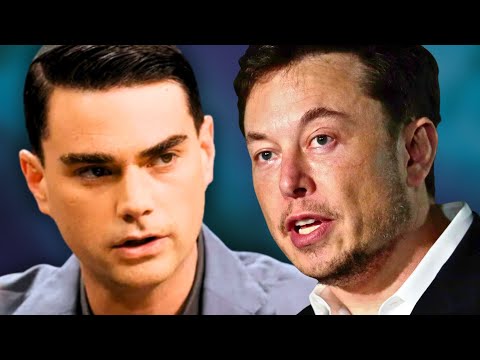
Elon Musk (X/Tesla/SpaceX ) - Elon Musk & Ben Shapiro | Anti-Semitism & Free Speech (Sep 2023)
Elon Musk emphasizes the importance of free speech and open dialogue while combatting hate speech and promoting Jewish values and teachings. He aims to create a balanced platform that fosters diverse viewpoints and promotes forgiveness and understanding.
Ilya Sutskever (OpenAI Co-founder) - Interview at The Open University of Israel (Sep 2023)
Neural networks and AI have revolutionized technology, with applications across sectors like education, healthcare, and more. Understanding AI's impact and potential requires a strong foundation in mathematics, statistics, and technology, coupled with adaptability and ethical considerations.
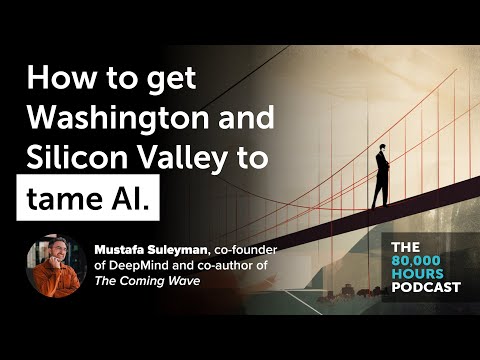
Mustafa Suleyman (Inflection AI Co-founder) - How to get Washington and Silicon Valley to tame AI (Sep 2023)
AI's rapid advancements present both revolutionary capabilities and ethical risks, requiring a delicate balance between progress and safety. Balancing technological progress with safety and ethical considerations is crucial for minimizing AI's risks and maximizing its benefits.

Vitalik Buterin (Ethereum Co-founder) - Future of Privacy, AI, and Crypto (Sep 2023)
Zero-knowledge proofs are gaining adoption for privacy and scalability, while AI's potential for progress comes with risks that can be balanced by decentralized technologies like cryptocurrencies.

Sam Altman (OpenAI Co-founder) - Italian Tech Week (Sep 2023)
AI advancements mirror exponential growth observed during Moore's Law, with multimodal features leading to smarter, more capable models, while AGI definition should focus on reliable execution of complex tasks and independent generation of scientific knowledge.

MrBeast (Youtube Content Creator) - All-In Summit (Sep 2023)
MrBeast's innovative approach to content creation, strategic brand expansion, and entrepreneurial ventures have made him a global internet icon, embodying the evolution of digital entrepreneurship in the modern age. His journey highlights the importance of creativity, adaptability, and strategic thinking in achieving success in the digital world.

Bill Gates (Gates Foundation Co-founder) - Asia Society Seattle Launch (Sep 2023)
US-China relations are complex, marked by rivalry and potential for collaboration, while Bill Gates and others emphasize the importance of political leadership in shaping foreign relations. Technological advancements and geopolitical considerations pose significant commercial and political implications.
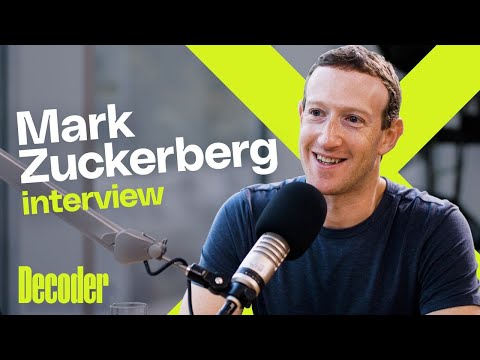
Mark Zuckerberg (Meta Co-founder) - Threads, Elon Musk, AI, the Quest 3, and more (Sep 2023)
Mark Zuckerberg prioritizes developing great products over high-priced devices, focusing on an open ecosystem and accessibility to serve billions of users. He envisions a future where AI is integrated into various aspects of life, enhancing interactions and offering novel experiences.

Sam Altman (OpenAI Co-Founder) - Conversation with Nicolai Tangen, CEO of Norges Bank Investment Management (Sept 2023)
Sam Altman, the leader of OpenAI, emphasizes the need for an empirical approach to understand and integrate AI into society, outlining that the technology's potential is constrained by factors like technical limitations and talent shortages. He asserts that while technical challenges are solvable, social and ethical issues—such as value alignment and equitable benefit distribution—pose more significant hurdles.

Franz von Holzhausen (Tesla Chief Designer) - Hyperion & Tesla (Sep 2023)
Franz von Holzhausen and Angelo Kafantaris shaped Tesla's iconic vehicles, while hydrogen fuel is gaining attention due to its high energy density and zero emissions. The automotive industry transitions from ICEs to EVs, embracing new designs and focusing on sustainability and efficiency.
Mustafa Suleyman (Inflection AI Co-founder) - AI is Becoming More Dangerous and Threatening (Sep 2023)
AI's rapid development presents immense potential but also risks, necessitating containment strategies and ethical considerations to shape its impact on society. Collaboration and regulation are crucial for addressing AI's challenges and ensuring its alignment with human values.
Jack Dorsey (Block Co-founder) - Block (Sep 2023)
Block Inc.'s journey exemplifies the importance of embracing risks and fostering a culture of innovation, as demonstrated by the creation of Square, Cash App, and the integration of Afterpay. Block Inc.'s success is attributed to its willingness to take risks, learn from experiences, and adapt to market needs.

Sam Altman (OpenAI Co-founder) - TOKEN2049 Singapore 2023 (Sep 2023)
Whirlcoin aims to revolutionize digital currency and user verification through its innovative Orb technology. The project's global expansion, particularly in Asia, showcases its potential for widespread adoption.

Brian Chesky (Airbnb Co-founder) - Battling a Copycat and Rebuilding User Trust (Sep 2023)
Airbnb revolutionized travel by challenging traditional accommodation options and building trust through user profiles and reviews, cementing its position as a leader in the sharing economy. Despite facing competition from copycats, Airbnb successfully navigated the COVID-19 pandemic by adapting its offerings and making bold decisions, emerging stronger and more resilient.

Marc Benioff (Salesforce CEO) & Sam altman (OpenAI Co-Founder) - The Future of Trusted AI (Sep 14, 2023)
In a comprehensive dialogue between OpenAI and global stakeholders, the conversation highlights AI's evolving global footprint and its impact across various sectors, emphasizing user-driven innovation, reliability, and ethical considerations. The dialogue also delves into the role of AI in amplifying human capabilities, its integration into businesses, and the ongoing engagement with policymakers for establishing a regulatory framework.
Mustafa Suleyman (Inflection AI Co-founder) - Can We Contain Artificial Intelligence? | Sam Harris (Aug 2023)
Mustafa Suleiman, co-founder of DeepMind, emphasizes the need for ethical and safe AI development, while also considering the societal impact of AI on labor and the potential disruption of human cognitive abilities. He also highlights the challenge of containing AI's negative consequences due to the rapid advancement and proliferation of AI technologies.
Raghuram Rajan (University of Chicago Professor) - Interview with Karan Thapar (Aug 2023)
India's mobile phone manufacturing surge is questioned due to assembly-based growth and import dependence, while Raghuram Rajan suggests focusing on services, education, and innovation for sustainable economic development.
Mustafa Suleyman (Inflection AI Co-founder) - Governing AI Before Its Too Late (Aug 2023)
AI revolution brings both opportunities and challenges, requiring proactive government roles, international collaboration, and inclusive AI development. Effective AI governance involves understanding AI's operation, adopting a techno-prudential approach, and establishing principles for safety, oversight, and international cooperation.
Vinod Khosla (Khosla Ventures Founder) - How AI Impacts Healthcare, Energy, Geo-Politics, Media and Climate Change (Aug 2023)
AI's transformative impact spans industries, promising innovation in healthcare, climate solutions, and the music industry, while also presenting challenges like job displacement and income inequality. Tech advancements, particularly AI, drive change, with India's young demographic poised to play a significant global role.
Jensen Huang (Nvidia Co-founder) - Snowflake Summit 2023 Keynote (Aug 2023)
Snowflake and NVIDIA's partnership revolutionizes AI application development by integrating Snowflake's data prowess with NVIDIA's computational capabilities, driving innovation across industries. The collaboration enables businesses to harness AI for data understanding, complex engineering problem-solving, and improved business margins.
Mustafa Suleyman (Inflection AI Co-founder) - The Coming Wave (Aug 2023)
The convergence of AI and synthetic biology will reshape global power dynamics, creating both opportunities and risks. To navigate this new era, governments must build in-house technical expertise and establish effective oversight mechanisms to ensure a balanced and equitable future.

Geoffrey Hinton (University of Toronto Professor) - In conversation with the Godfather of AI (Jul 2023)
Geoffrey Hinton, a pioneer in AI, highlights progress in neural networks but emphasizes the need to address risks, biases, and existential threats posed by AI development. Hinton advocates for a balanced approach to AI development, focusing on ethical practices, human adaptability, and global cooperation in shaping an AI-augmented world.
Fei-Fei Li (Stanford Professor) - What We See & What We Value (Jul 2023)
AI and computer vision have evolved from hand-designed features to sophisticated deep learning algorithms, transforming fields like healthcare, while posing challenges in understanding complex scenes and visual bias. Ethical considerations, societal impact, and responsible AI governance are crucial as we navigate the future of these technologies.

Vitalik Buterin (Ethereum Co-founder) - Builders and More Advanced Forms of Aggregation (Jul 2023)
Blockchain aggregation enhances efficiency and scalability by consolidating transactions and operations into a single entity, with applications in transaction batching, consensus layer optimization, off-chain protocols, and privacy-preserving solutions. Despite challenges, continued research promises to refine blockchain efficiency and scalability through aggregation.

Vitalik Buterin (Ethereum Co-founder) - ETHGlobal Waterloo III Keynote (Jul 2023)
Ethereum has shifted its focus from theoretical problem-solving to addressing tangible, real-world issues, aiming to balance the convenience of centralized systems with the security of decentralized applications. Vitalik Buterin emphasizes the need for privacy, scalability, user-friendly wallets, and decentralized social media platforms.

Vitalik Buterin (Ethereum Co-founder) - On crypto's future, SBF, AI fears, zk-SNARKs and more (Jul 2023)
Ethereum co-founder Vitalik Buterin emphasizes long-term sustainability, critiques overfinancialization and token holder governance in crypto, and sees AI as a tool for human creativity. Buterin advocates for a crypto ecosystem driven by long-term sustainability and core values like decentralization and freedom, while criticizing the current practices in DeFi and calling for a focus on mathematical sustainability and appropriate blockchain usage.
Dario Amodei (Anthropic Co-founder) - Anthropic CEO testifies to Senate (Jul 2023)
AI's rapid advancement brings both benefits and risks, necessitating a regulatory framework to balance innovation with safety, security, and ethical concerns. Robust regulations, guided by expert recommendations and bipartisan consensus, are crucial for harnessing AI's potential while mitigating risks.
Emad Mostaque (Stability AI Co-founder) - The 3 Year AI Reset (Jul 2023)
AI is rapidly transforming society, offering both opportunities and risks, while its impact on the job market is complex, leading to job losses in some sectors and increased efficiency in others. AI's advanced capabilities and limitations are becoming clearer, necessitating careful evaluation and mitigation of potential risks.
Sam Altman (OpenAI Co-Founder) - Interview with Harlan Hamilton (July 2023)
Sam Altman, President of OpenAI, emphasized a founder-centric investment philosophy and a long-term, ethical approach to technological innovation, particularly in the realm of Artificial Intelligence. He views OpenAI as a platform to enhance human knowledge and tackle diseases, while also acknowledging its limitations and ethical challenges such as job displacement and bias.
Geoffrey Hinton (University of Toronto Professor) - Digital Intelligence versus Biological Intelligence (Jul 2023)
Digital intelligence excels in data analysis and complex computations, while biological intelligence thrives in adaptability and real-time decision-making. Data-centric, computational approaches in AI research and application have immense potential, challenging paradigms and enabling unprecedented advancements.
Emad Mostaque (Stability AI Co-founder) - The Most Likely Outcomes of an AI Future (Jul 2023)
AI is rapidly changing industries and society, offering benefits but also presenting ethical, societal, and professional challenges, especially in fields like medicine, journalism, entertainment, and education, requiring responsible development and ethical considerations. AI has the potential to enhance humanity and address societal issues like global connectivity and education, but it also raises concerns about job displacement, data quality, and AI's impact on social media and mental health.
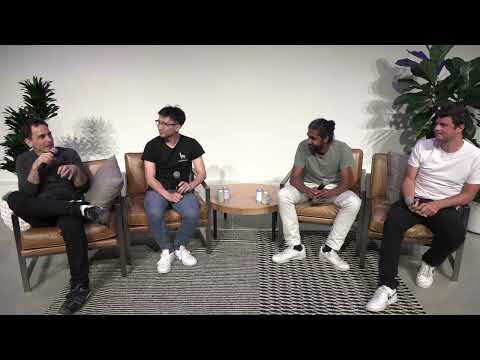
Elad Gil (VC Investor) - AI Dev Tools Panel (Jul 2023)
AI adoption is increasing, particularly among non-technical users, but user-friendly tools and improved developer tooling are needed to bridge the gap between developers and non-technical users. The shift from deterministic to inference-based software requires a new approach to software design and development, with a focus on teaching and educating software to meet specific needs.

Bill Gates (Gates Foundation Co-founder) - Tech Founders and Philanthropy (Jun 2023)
Philanthropy, exemplified by Bill Gates' approach, involves thoughtful resource allocation, focus on long-term impact, and collaboration, serving as a model for current and future philanthropists. Tech founders' unique perspectives and rapid wealth accumulation lead to innovative approaches to giving and a mindset open to large-scale, long-term commitments.
Peter Norvig (Google Director Of Research / Stanford) - Ethics Of AI (Jun 2023)
Peter Norvig emphasized the relationship between data science, AI, and machine learning, illustrating the shift from rule-based systems to data-driven models and end-to-end solutions.
Raghuram Rajan (University of Chicago Professor) - Why democracy is the biggest advantage for India's Economy (Jun 2023)
India's economic success requires balancing infrastructure, manufacturing, services, and technology while strengthening democracy and education to address challenges like AI, inequality, and climate change. The service sector and digital infrastructure are India's strengths, while manufacturing faces hurdles, making a shift towards services crucial for sustainable growth.
Sam Altman (OpenAI Co-Founder) - Conversation with Sam Altman (June 2023)
The Corica-GDP Venture event focused on the burgeoning AI ecosystem in Indonesia and explored a range of topics from ethical concerns and ownership of AI-generated content to AI's impact on education and the future of Artificial General Intelligence (AGI). Speakers, including OpenAI CEO Sam Altman and Indonesia's Minister of Education, emphasized the need for collaborative efforts among academia, industry, and government, as well as the importance of establishing ethical and regulatory frameworks for the responsible development and deployment of AI.
Bill Gates (Breakthrough Energy Ventures) - Conversation with Warner Baxter, Executive Chairman, Ameren Corporation (June 2023)
Bill Gates advocates for a comprehensive approach to transition to a sustainable energy future, emphasizing the need for innovation, policy collaboration, and investment in diversified renewable energy technologies. He underscores the challenges in grid management and industrial emissions, while remaining optimistic about next-generation solutions and the role of global leadership, particularly from the U.S.
Bill Gates (Gates Foundation Co-founder) - Bill Gates Meets With Innovators At Pan-African Youth Forum (Jun 2023)
Africa's youthful population holds immense potential for innovation, education, and entrepreneurship, and investing in their empowerment is key to the continent's transformation. Artificial intelligence and entrepreneurship can drive progress in sectors like healthcare, education, and agriculture, but careful navigation of challenges is essential.
Sam Altman (OpenAI Co-founder) - Interview at Qatar Foundation (Jun 2023)
AI has the potential to revolutionize education, healthcare, and climate change, but responsible development and global collaboration are needed to address challenges and ethical concerns. AI can enhance education through personalized learning experiences and support teachers, but it also raises concerns about emotional manipulation and the need for ethical frameworks.
Elon Musk (X/Tesla/SpaceX ) - Interview with CEO Edison International re: future of electrification (Jun 2023)
Tesla's growth in electric vehicle production signals a shift towards electrification, posing challenges in electricity demand and infrastructure development. Elon Musk's vision for Tesla is part of a comprehensive strategy for a sustainable energy future, encompassing electric vehicles, battery technology, and charging infrastructure.

Geoffrey Hinton (University of Toronto Professor) - The Godfather in Conversation (Jun 2023)
Neural networks have advanced AI's capabilities in perception, motor control, and reasoning, leading to applications in various fields, but challenges remain in interpretability, data requirements, and computational demands. AI's societal impact raises ethical considerations, necessitating responsible development and control measures to mitigate potential risks and harness AI's benefits.
Marc Andreessen (a16z Co-founder) & Martin Casado (a16z GP) - AI Will Save The World (June 2023)
Marc Andreessen presents an optimistic view of AI's future, emphasizing its transformative potential while acknowledging challenges like regulatory capture and geopolitical considerations. He advocates for a balanced approach, urging public and government engagement to navigate challenges and realize AI's promise of a "material utopia."
John Hennessy (Alphabet Chairman) - DX Week 2023 (Jun 2023)
Rapid technological advancements in AI, energy, and computing are reshaping society, industry, and the future of human-AI interaction, while posing challenges in data bias, regulation, and energy consumption. AI's potential to surpass human intelligence in various domains within a decade is a significant topic of discussion, requiring careful consideration of ethical, regulatory, and societal implications.
Emmett Shear (Twitch Co-founder) - On the Future of AI & YC Days with Sam (Jun 2023)
Emmett Shear's journey with Twitch highlights strategic innovation, resilience, and adaptation amidst challenges. He emphasized streamer satisfaction, remote work effectiveness, and responsible AI development.

Chris Malachowsky (Nvidia Co-founder) - Summer Innovation Series with Chris Malachowsky (Jun 2023)
Florida is committed to innovation, particularly in the field of artificial intelligence, with key institutions working to foster a culture of creativity and invention. Artificial intelligence's transformative power is revolutionizing industries and sectors, enhancing human capabilities and presenting new opportunities.

Greg Jensen (Bridgewater co-CIO) - AI, Inflation, Markets... (June 2023)
Greg Jensen's vision for future investment strategies involves a fusion of AI and human intuition, using machine learning to translate intuition into algorithms for market prediction.
Carver Mead (CalTech Professor) - Gravitational Variation in the Speed of Light (Jun 2023)
Scientific evolution involves struggles to introduce innovations and the need to question established theories and methods, as seen in the history of physics and the work of Carver Mead. The journey of scientific discovery is marked by debates, paradigm shifts, and the importance of embracing change, fostering curiosity, and maintaining an open mind in the pursuit of knowledge.
Dean Kamen (Deka Research Founder) - Revolutionizing STEM Learning for Kids with FIRSTs Dean Kamen (Jun 2023)
Dean Kamen's work blends innovation and social impact to reshape medical technology and education, particularly through his establishment of FIRST to cultivate passion for STEM among youth. Kamen highlights the importance of changing cultural perspectives to make STEM more appealing and accessible to future generations.
Ray Dalio (Bridgewater Founder) - Interview @ Bloomberg Invest (Jun 7, 2023)
Ray Dalio offers a comprehensive analysis of the multifaceted challenges shaping today's world, including economic forces like debt cycles and inflation, political polarization, and geopolitical tensions, particularly between the U.S. and China. He advocates for a strong bipartisan middle ground to address these challenges and underscores the transformative potential of Artificial Intelligence in decision-making, while also highlighting the need for ethical considerations.

Satya Nadella (Microsoft CEO) - Keynote at Microsoft Build (May 2023)
Satya Nadella extends Jobs' "bicycle for the mind" idea - tools that enhance human capabilities - by saying AI represents a shift to a "steam engine for the mind."
Geoffrey Hinton (University of Toronto Professor) - King's College, Cambridge - Entreprenuership Lab (May 2023)
Geoffrey Hinton's talk at King's College covered his academic journey, neural networks, AI's understanding and intelligence, and the path to artificial general intelligence. He emphasized the importance of desire and drive for success, cautioned against pursuing applied research solely for funding, and discussed the ethical considerations surrounding AI development.
Elon Musk (X/Tesla/SpaceX ) - Elon Musk Full CNBC Interview (May 2023)
Elon Musk is focused on transforming industries through innovative strategies, autonomous vehicles, and AI development, while navigating economic challenges and geopolitical tensions. Tesla's pursuit of autonomous vehicles aims to revolutionize transportation, creating a network of self-driving robo-taxis that could potentially generate substantial revenue and profits.

Jensen Huang (Nvidia Co-founder) - NTU Commencement Speech (May 2023)
Jensen Huang's commencement address highlighted the significance of embracing change, innovation, and AI, drawing lessons from NVIDIA's journey and emphasizing the importance of confronting mistakes and adapting to technological shifts. The rise of AI is transforming computing, presenting vast opportunities for those willing to embrace it.
Raghuram Rajan (University of Chicago Professor) - Central Bank Balance Sheet Expansion and Financial Stability (May 2023)
Monetary policy interventions like quantitative easing can have unintended consequences on bank balance sheets, making them more fragile and vulnerable to liquidity shocks. Aggressive monetary policy often lays the ground for future financial sector problems due to undue risk-taking by banks.
Sam Altman (OpenAI Co-Founder) - Interview with Tobias Lütke (May 2023)
In a comprehensive discussion with OpenAI CEO Sam Altman, the rapid adoption and impact of ChatGPT on society are explored, along with Altman's vision for the future of AI technologies. The conversation delves into the technology's practical utility, its integration into various sectors, and its potential to fundamentally reshape human capabilities and societal structures.

Sam Altman (OpenAI Co-Founder) - Sohn 2023 | Interview with Patrick Collison (May 2023)
CEO of OpenAI, discussed the evolving landscape of artificial intelligence, emphasizing the importance of AI safety, international cooperation, and the transformative potential of AI in various sectors like finance and healthcare. He also explored topics such as the role of China in global AI, the future of WorldCoin, and the emotional and social impacts of AI, advocating for a nuanced approach to managing the technology.
Geoffrey Hinton (U of Toronto Professor) - Two Paths to Intelligence (May 2023)
Hinton predicts the imminent surpassing of human intelligence by AI systems and underscores the urgent need for robust safety measures.
Sam Altman (OpenAI Co-Founder) & Reid Hoffman (Greylock Partner) - Greylock Podcast (Apr 2023)
In the podcast discussion between Reid Hoffman and Sam Altman, AI is explored as a "human amplifier" that can enhance various sectors including education, healthcare, and workforce productivity, while also touching upon its potential in creative and educational domains. The conversation emphasizes the need for ethical development and safety measures in AI, and considers its broader impact on societal issues like poverty and climate change.
Jensen Huang (Nvidia Co-founder) - No Priors (Apr 2023)
NVIDIA, led by Jensen Huang, evolved from chip design to becoming a leader in AI and accelerated computing due to their strategic shift and commitment to solving impossible applications. NVIDIA's focus on accelerated computing and expertise in learning structure from unstructured data have positioned it as a pioneer in AI, particularly in perception models and transformers.
Paul Buchheit (Y Combinator Partner) - The Good Times Show (Apr 2023)
Paul Buchheit, the creator of Gmail, shares key insights into Silicon Valley's culture of innovation, emphasizing a user-centric approach, quick iterative development, and the importance of timing in relation to technological shifts for startup success. His perspectives span the technical and strategic aspects behind Gmail, contrasting philosophies of tech giants like Google and Facebook, and the evolving landscape of AI and startup culture.

Elon Musk (X/Tesla/SpaceX ) - Interview with James Clayton (Apr 2023)
Elon Musk's leadership at Twitter has involved bold decisions, financial challenges, and a commitment to enhancing user experience and free speech. Despite controversies, Musk has endeavored to improve Twitter's financial health, operational efficiency, and efforts to combat misinformation.
Vitalik Buterin (Ethereum Co-founder) - Vitalik Buterin and Sadhguru (Apr 2023)
Technology can enhance human experience and promote spiritual growth, but inner transformation and continuous learning are necessary to fully unlock its potential. Education systems need to evolve to focus on understanding consciousness and equipping individuals with tools for self-discovery and personal growth.
Elon Musk (X/Tesla/SpaceX ) - Interview with Tucker Carlson (Apr 2023)
Elon Musk emphasizes the need for AI regulation, transparent social media, and responsible economic policies to address global challenges and societal sustainability. He expresses concern about AI's potential risks and advocates for ethical considerations in AI development and the preservation of free speech on social media platforms.
Elon Musk (Twitter) - Linda Yaccarino interviews Elon Musk (April 18, 2023)
Elon Musk's vision for Twitter emphasizes a balanced approach that prioritizes "unregretted user time," free speech with limitations on artificial reach, and increased transparency through open-sourcing algorithms. He also introduces features for advertiser control and community-driven self-regulation, aiming for Twitter to be a commercially viable, trusted, and democratically open platform.
Ray Dalio (Bridgewater Founder) - Interview with Tom Bilyeu (April 15, 2023)
Ray Dalio presents a comprehensive framework to understand current economic and societal complexities, identifying three major forces: unprecedented debt creation and money printing, rising internal conflicts due to wealth inequality, and the Great Power Conflict primarily between the U.S. and China. Dalio's analysis extends from economic mechanics like debt and banking risks to social factors such as education and inequality, offering insights as both a financial strategy and a societal guide.
Nathan Myhrvold (Intellectual Ventures Co-founder) - A Technologist's Guide to the Future (Mar 2023)
Nathan Myhrvold's journey highlights the impact of technology on society, from autonomous vehicles to space exploration, and emphasizes the need for innovation to address global challenges like climate change and pandemics. Climate change requires long-term planning and collaboration among nations, while personal growth and continual learning are essential for navigating a rapidly changing world.

Geoffrey Hinton (University of Toronto Professor) - Andrew Ng Geoffrey Hinton Interview (Mar 2023)
Geoffrey Hinton's research into neural networks, backpropagation, and deep belief nets has significantly shaped the field of AI, and his insights on unsupervised learning and capsule networks offer guidance for future AI professionals. Hinton's work bridged the gap between psychological and AI views on knowledge representation and demonstrated the potential of neural networks for natural language processing and efficient inference.
Dharmesh Shah (HubSpot Co-founder) - On AI (Mar 2023)
Generative AI marks the dawn of a transformative era, akin to the internet, with profound implications for industries, businesses, and society. AI's potential outweighs its risks, offering new opportunities and enhancing human capabilities.
Eric Schmidt (Alphabet Former CEO) - A Vision for AI+Science (March 2023)
Eric Schmidt, former CEO of Google, discusses the transformative potential of Artificial Intelligence (AI) in various sectors like education and healthcare, while also cautioning against ethical and societal risks such as the "alignment problem" and erosion of truth in public discourse. He advocates for interdisciplinary collective action to address these challenges, and highlights the importance of government understanding, the role of AI in scientific discovery, and the tension between open-source and proprietary systems.

Vitalik Buterin (Ethereum Co-founder) - Polygon zkEVM Launch (Mar 2023)
ZKVM solutions, like Polygon's ZKVM, pave the way for Ethereum's scalability by reducing costs, enhancing user experience, and enabling more decentralized applications. The evolution of Layer 2 solutions brings optimism and progress, but challenges in security, interoperability, and user experience require ongoing innovation.
Dario Amodei (Anthropic Co-founder) - AI's Impact on Developer Tools (Mar 2023)
Anthropic prioritizes AI safety and steerability, aiming to create models that are harmless, reliable, and aligned with human values. Language models are evolving into orchestrators capable of using external tools and services, but this brings new safety concerns.
Satya Nadella (Microsoft CEO) - Microsoft Ignite keynote (Mar 2023)
AI is transforming industries and empowering individuals with enhanced productivity tools and innovative partnerships between Microsoft and NVIDIA. Microsoft Copilot, a versatile AI tool, is integrated across platforms, offering coding, analyzing, and creative capabilities.
Elon Musk (X/Tesla/SpaceX ) - GFY, Bob | Dealbook Summit (Mar 2023)
Elon Musk emphasizes the need to expand human consciousness through space exploration and the importance of responsible AI regulation, while his ambitious ventures in electric vehicles and Neuralink aim to revolutionize industries and improve lives.
Raghuram Rajan (University of Chicago Professor) - The Impact of the Silicon Valley Bank's Collapse (Mar 2023)
The Fed's dilemma involves balancing inflation control and financial stability, impacting global markets. India's economic growth is challenged by slow private consumption, underperforming manufacturing, and concerns about future growth.
Ray Dalio (Bridgewater Founder) - How to embrace conflict | Reid Hoffman's Masters of Scale (Mar 15, 2023)
Steve Horgan, a field hockey umpire, and Ray Dalio, founder of Bridgewater Associates, discuss the critical roles of leadership, conflict management, and decision-making in both sports and business. They emphasize the value of constructive disagreement, emotional balance, and trust, while also considering the role and limitations of technology like AI in decision-making processes.
Ray Dalio (Bridgewater Founder) - Conversation with HE Mohammad Abdullah Al Gergawi, UAE Minister @ World Government Summit (Mar 06, 2023)
The study analyzes the rise and fall of empires over the last 500 years, identifying five key forces—debt cycles, internal and external conflicts, acts of nature, and technological progress—as pivotal in shaping global power dynamics. It employs eight specific metrics to evaluate an empire's strength and highlights that internal issues often pose greater challenges than external threats, using the U.S.-China dynamic as a contemporary example.

George Soros (Soros Fund Management Founder) - On Modi, Adani issue, climate change, and rising authoritarianism (Feb 2023)
Global challenges like climate change, geopolitical shifts, and the struggle between open and closed societies are interconnected and require collective foresight and cooperation to address. The future of global governance and civilizations depends on navigating these complexities with sustainable and inclusive solutions.

Charlie Munger (Berkshire Hathaway Vice Chairman) - Daily Journal’s Shareholders Meeting (Feb 2023)
Daily Journal Corporation focuses on technology, with Journal Technologies as its fastest-growing subsidiary for court system automation. Charlie Munger shared insights on investing, ethical business practices, and challenges facing the company and the investment world.
Vitalik Buterin (Ethereum Co-founder) - Scaling after The Merge (Feb 2023)
Ethereum aims to enhance blockchain scalability to accommodate a wider range of applications through rollups, proto-dank sharding, and compression techniques, while addressing challenges related to data availability, network congestion, and EVM compatibility. The quest for scalability is crucial in determining Ethereum's role and relevance in the expanding world of blockchain technology.
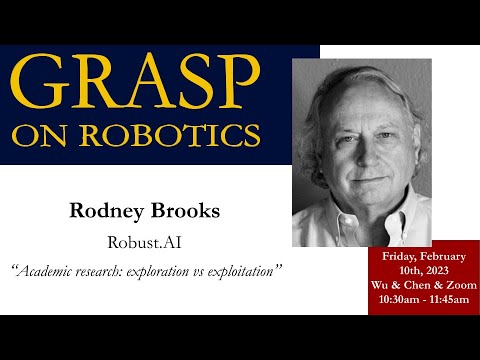
Rodney Brooks (Robust.ai Co-founder) - Academic research (Feb 2023)
Rodney Brooks emphasizes balanced AI research, advocating exploration and exploitation while considering ethics, safety, and human-centric design. He challenges the computational intelligence paradigm, raising questions about the limitations of deep learning and advocating for a deeper understanding of compositionality and work in AI systems.
Satya Nadella (Microsoft CEO) - Microsoft's The Positive Leadership Podcast (Feb 2023)
Satya Nadella's leadership emphasizes purpose beyond profit, empathy, continuous learning, and positive energy, transforming Microsoft and providing valuable lessons for leaders. Nadella's purpose-driven approach empowers employees, fosters innovation, and drives success in a rapidly changing world.

Ray Dalio (Bridgewater Founder) - Principles For Success In Investing & Life (Feb 18, 2023)
Ray Dalio emphasizes the importance of well-defined principles for decision-making in life, business, and investment, along with strategies like diversification and self-learning for financial and personal success. He integrates these principles with practical tools such as guided journals and an upcoming app, aiming to help individuals manage complexities across various aspects of life.
Satya Nadella (Microsoft CEO) - Future Ready Leadership Summit Keynote (Jan 2023)
Microsoft CEO Satya Nadella emphasizes the transformative role of AI in creativity and productivity, while also addressing the need for ethical AI development and the democratization of AI. Leading Indian conglomerates and startups are driving cloud adoption and scaling infrastructure, showcasing India's significant role in the global technology landscape.
Emad Mostaque (Stability AI Co-founder) - The Future of Generative AI, Real-Time Movies, Societal Impact (Jan 2023)
Generative AI can create new text, images, or music from unstructured data, and Stable Diffusion, an open-source project, enables real-time high-quality content creation, transforming industries and challenging traditional notions of creativity.
Larry Fink (BlackRock Co-founder) - Bloomberg The Year Ahead (Jan 2023)
Major financial institutions face challenges and opportunities amid ESG backlash, evolving markets, and geopolitical issues, emphasizing decarbonization and a long-term investment approach. They are adapting strategies and focusing on core businesses while navigating economic uncertainties and emerging market growth potential.
Reid Hoffman (LinkedIn Co-founder) - Fireside Chat (Jan 2023)
AI integration with various professions is anticipated within the next five years, potentially creating co-pilots for every job. However, challenges like data security, job displacement, and ethical concerns necessitate a balanced approach to harness AI's benefits while mitigating its risks.
Raghuram Rajan (University of Chicago Professor) - A Global Recession & Its Likely Fallout On India's Economic Growth (Jan 2023)
Raghuram Rajan critically examines India's economic growth, government spending, and global supply chain opportunities, emphasizing the need for investment-friendly policies and infrastructure development. Rajan also offers his perspectives on global economic trends and challenges faced by economies like Pakistan and China.
Bill Gates (Gates Foundation) - Interview On Global Health (Dec 2022)
In an extensive interview with Al Jazeera, philanthropist Bill Gates discussed a multi-faceted approach to addressing global crises, emphasizing the roles of innovation, investment, and collaboration in healthcare, pandemic preparedness, and tackling inequities. Gates also touched on broader challenges such as food security and climate change, advocating for a collective action involving governments, affluent nations, and philanthropic organizations.
Jim Sinegal (Costco Co-founder) - Costco Wholesale Corporation Co Founder and Former CEO Jim Sinegal (Dec 2022)
Costco's focus on quality, customer satisfaction, and adaptability, exemplified by its Kirkland Signature brand, sustainability efforts, and innovative practices, has led to its success as a retail leader. Costco's customer-centric approach and commitment to quality have solidified its position as a model of retail success.
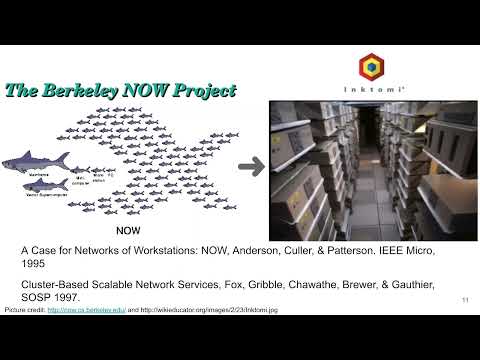
Jeff Dean (Google Senior Fellow) - The Rise of Cloud Computing Systems (Dec 2022)
Cloud computing evolved from shared computational systems to scalable and efficient distributed systems, while machine learning transformed computing with neural net-based computations and specialized hardware.

Andy Bechtolsheim (Arista Co-Founder) - Moore's Law (Dec 2022)
Semiconductors are crucial for technological advancements, driving economic growth and shaping the future, with the industry expected to surpass $1 trillion by 2030. The ongoing transformation of the automotive sector highlights the convergence of software and hardware, presenting challenges and opportunities for chip manufacturers.
Fei-Fei Li (Stanford Professor) - What We See and What We Value (Nov 2022)
Dr. Fei-Fei Li's work in AI emphasizes visual intelligence and human-centered frameworks, balancing technological advancements with ethical considerations and societal impacts. Through initiatives like ImageNet and Stanford's Human-Centered AI Institute, she promotes AI that augments human capabilities, addresses societal challenges, and enhances human life.

Emad Mostaque (Stability AI Co-founder) - Weights & Biases Podcast (Nov 2022)
Stability AI's mission is to make AI more accessible and widely used by building open-source AI models and focusing on ethical considerations in AI development. Stability AI is working on projects to use AI to improve education and healthcare, and is committed to developing AI in a responsible and ethical manner.

MrBeast (Youtube Content Creator) - The Truth (Nov 2022)
Mr. Beast overcame personal challenges and financial struggles to build a YouTube empire through relentless work ethic, smart strategies, and understanding virality and audience preferences. Despite the pressure of success and criticism, he continues to innovate and expand his ventures beyond YouTube, with plans for entrepreneurship, philanthropy, and community building.
Carver Mead (CalTech Professor) - The Future of Science & Technology in America (Nov 2022)
Carver Mead's research on electron tunneling and collaboration with Gordon Moore underpinned the miniaturization of transistors, a cornerstone of modern electronics. Mead's work also emphasized the importance of bridging theoretical knowledge with real-world applications to drive technological advancement.
Carver Mead (CalTech Professor) - A Personal Journey Through the Information Revolution (Nov 2022)
Carver Mead's journey in electronics revolutionized integrated circuit design, leading to the evolution of Moore's Law and the development of innovative teaching methods that empowered future engineers.

Vitalik Buterin (Ethereum Co-founder) - Ethereum in 30 Minutes (Oct 2022)
Ethereum has evolved from a single-application blockchain to a sophisticated ecosystem, with advancements such as proof-of-stake and EIP-1559. Its roadmap includes ambitious initiatives to enhance scalability, efficiency, and security.

Thomas Kurian (Google Cloud CEO) - The State of AI Adoption | TransformX (Oct 2022)
Google Cloud aims to democratize technology and AI, simplifying access to advanced computation, infrastructure, and machine learning for all. They address challenges in AI adoption and offer comprehensive solutions to empower organizational growth and responsible AI implementation.
Stan Druckenmiller (Duquesne Capital Management Founder) - CNBC Interview (Oct 2022)
Stanley Druckenmiller warns of a recession by 2023 due to policy delays and criticizes the Federal Reserve's monetary policies for potentially causing asset bubbles and economic downturns.
Satya Nadella (Microsoft CEO) - Microsoft Ignite 2022 Keynote (Oct 2022)
Microsoft's Ignite 2022 revealed advancements in cloud computing, AI, and collaborative workspaces, emphasizing efficiency, security, and ethical AI development. Microsoft's innovations reshape technology, impacting industries and the future of technology.
Vinod Khosla (Khosla Ventures Founder) - Nadeem Nathoo Interviews Vinod Khosla (Oct 2022)
Vinod Khosla proposes a comprehensive vision for revolutionizing societal infrastructure through technology, emphasizing sustainable development, global challenges, and disruptive technological innovation. He identifies diverse sectors for transformation, such as public transit, healthcare, and energy, highlighting the potential for transformative improvements in efficiency and effectiveness.
Sam Altman (OpenAI Co-Founder) - Elad Gil Interview (Oct 2022)
In the discussion, Sam Altman, CEO of OpenAI, emphasized the transformative role of unsupervised AI models like transformers and outlined OpenAI's multi-faceted focus on AI's applications, safety, and societal impact. He also touched on the shifting technology value landscape, the future applications of AI across various industries, and the ethical and safety concerns that come with AI's rapid advancement.
William McRaven (US Navy Admiral) - Why the U.S. Must Win the Global Innovation Race (Oct 2022)
Admiral Bill McRaven emphasizes the importance of team chemistry, servant leadership, and education in shaping effective leaders and a brighter future. He highlights the potential of Millennials and Gen Z to address future challenges and calls for investment in their education and upbringing.
John Hennessy (Alphabet Chairman) - Creating Curriculum for Leaders in Training (Oct 2022)
John Hennessy's leadership style emphasizes humility, expert input, and the balance of diverse interests while upholding an institution's core mission. Universities excel in long-term research and teaching, fostering innovation and preparing students for leadership roles in a rapidly changing world.
Sam Altman (OpenAI Co-Founder) - Art of Accomplishment Podcast (Oct 2022)
In the interview, Sam Altman, CEO of OpenAI, discusses the importance of calmness and self-awareness as essential leadership skills, particularly in the field of artificial intelligence. He elaborates on his personal transformation through practices like meditation and emphasizes the role of emotional intelligence in crisis management, team dynamics, and the ethical and philosophical complexities of AI development.
Alexandr Wang (Scale AI Co-founder) - Next-Generation Transportation with AI (Oct 2022)
Luminar's strategic partnerships and advanced LiDAR technology aim to enhance vehicle safety and revolutionize the autonomous driving landscape. The company's focus on safety, large-scale consumer vehicles, and software development positions it as a leader in the automotive industry.
Vitalik Buterin (Ethereum Co-founder) - A New Era for Ethereum | Devcon 2022 (Oct 2022)
Ethereum and DEF CON foster technical innovation, cultural enrichment, and community empowerment while navigating challenges like governance capture and funding models. The Ethereum ecosystem's evolution is marked by milestones like DEF CON's history and DEVCON's global reach, promoting diversity, inclusion, and decentralized values.
Nassim Nicholas Taleb (Scholar Investor) - Covid (Oct 2022)
Fat tail processes, characterized by extreme events occurring more frequently than expected, have profound implications for statistical analysis, decision-making, and social dynamics, challenging traditional models and requiring nuanced approaches.
Ron Conway (SV Angel Founder) - The Founder-First Approach (Oct 2022)
Ron Conway's career as an angel investor has been marked by his ability to identify and support promising startups, such as Google, PayPal, and Airbnb, and his commitment to promoting diversity and addressing economic inequality in the tech industry. He is a vocal advocate for Web 3.0 and blockchain technology, believing it has the potential to revolutionize industries and create new opportunities for entrepreneurs.
Ray Dalio (Bridgewater Founder) - on US Dominance, China Economy, Inflation @ Greenwich Economic Forum (Oct 12, 2022)
Ray Dalio provides a comprehensive guide for navigating the complexities of the modern era, characterized by unprecedented debt, social and political unrest, and shifting global power dynamics. He emphasizes the importance of understanding historical cycles, advocates for a balanced approach in governance, and offers strategic financial advice for diversification and risk management.
Bill Gates (Gates Foundation) - Conversation with Christiana Figueres | #EarthshotPrize (Sep 27, 2022)
In his discourse, Bill Gates emphasizes the complexities of tackling climate change, advocating for rigorous impact measurement systems and a balanced approach that combines immediate interventions with long-term solutions. He also explores the role of technology and funding in addressing these challenges, stressing the need for international cooperation and a multi-faceted strategy that includes targeted efforts in vulnerable regions like Africa.
Bill Gates (Gates Foundation) - In Conversation On Food Crisis, Sustainable Development & More (Sept 2022)
In a comprehensive interview, Bill Gates discussed the challenges and setbacks in achieving Sustainable Development Goals, emphasizing the impact of the ongoing pandemic and geopolitical crises. He advocated for a multi-pronged approach involving governments, philanthropy, and innovation, specifically in the areas of food security, healthcare, and sustainable development, while expressing cautious optimism about meeting revised targets by 2030.

Ray Dalio (Bridgewater Founder) - "The Changing World Order" @ LSE (Sep 26, 2022)
Ray Dalio, founder of the world's largest hedge fund, emphasizes the critical role of historical understanding in assessing current economic and societal trends, identifying three core drivers: unsustainable debt accumulation, rising internal conflict, and shifting global power dynamics. Dalio advocates for practical application of these insights in financial decision-making and stresses the need for bipartisan collaboration to address societal issues.
Graham Allison (Harvard University Professor) - War in Ukraine, Putin, China-U.S. Rivalry, and Canada's Global Role (Sep 2022)
Canada has a unique role in navigating the US-China rivalry, balancing its relations and using its diplomatic connections to promote stability. The Thucydides Trap warns of the inherent tensions between rising and ruling powers, which can lead to conflict in the case of the US and China.
Stan Druckenmiller (Duquesne Capital Management Founder) - Global Instability and Software’s Opportunity | Palantir CEO Alex Karp and Stanley Druckenmiller (Sep 2022)
Palantir's data integration and analysis capabilities position it as a key player in navigating global challenges, while its growth in the US market reflects its adaptability to changing business landscapes. Amidst geopolitical shifts and disunity, Palantir's innovative products and strategic positioning make it a vital player in shaping a resilient and responsive global framework.
Emad Mostaque (Stability AI Co-founder) - AI Ethics, Religion, India's AI Future, and Open Source (Sep 2022)
Emad Mostaque's journey spans diverse fields, from finance to AI and social impact, driven by his desire to understand autism and leverage technology for positive change. Mostaque's work with Stable Diffusion, a text-to-image AI model, democratizes AI and opens up new possibilities for creativity and storytelling.
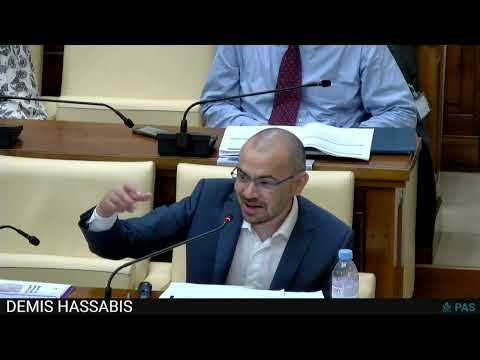
Demis Hassabis (DeepMind Co-founder) - Pius XI Medal at the Pontifical Academy of Sciences (Sep 2022)
Demis Hassabis's leadership at DeepMind has revolutionized AI's role in scientific discovery, from gaming triumphs to groundbreaking achievements in protein folding, quantum chemistry, and weather prediction. DeepMind's commitment to open-source collaboration and tackling global challenges underscores AI's potential for transformative impact across disciplines.
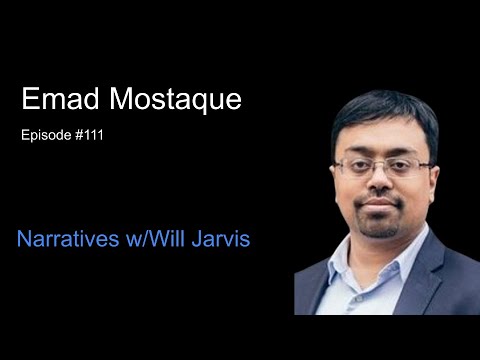
Emad Mostaque (Stability AI Co-founder) - AI, Alignment and Stable Diffusion (Sep 2022)
Emad Mostaque, founder of Stability AI and revolutionary Stable Diffusion model, is transforming AI development through open-source models, ethical guidelines, and a focus on diversity and inclusivity. Stability AI's Stable Diffusion model democratizes AI art generation and showcases the potential of AI for positive social impact, particularly in education and improving global well-being.
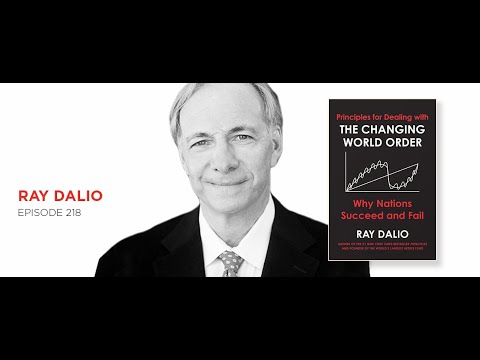
Ray Dalio (Bridgewater Founder) - Interview with Franklin Covey (Aug 2022)
In the interview, financial expert Ray Dalio addresses the shifting global landscape, highlighting the rise of China, declining American influence, and systemic societal challenges. He also emphasizes the importance of youth education, effective leadership qualities, and shared guiding principles for navigating complexities in the modern world.

Vitalik Buterin (Ethereum Co-founder) - Ideas for things worth building (Aug 2022)
Ethereum's co-founder Vitalik Buterin envisions a scalable, affordable, private Ethereum ecosystem with a robust identity layer and enhanced public goods funding. Technological advancements, including rollups and zero-knowledge proofs, drive Ethereum's future, making it more accessible, innovative, and user-friendly.
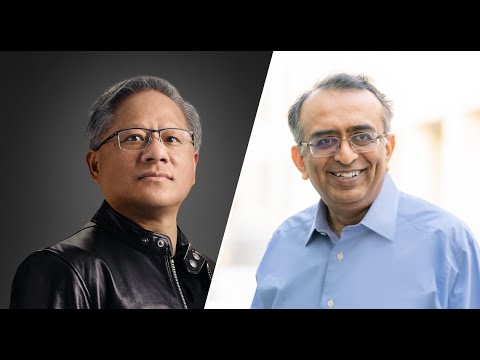
Jensen Huang (Nvidia Co-founder) - CEO Fireside Chat (Aug 2022)
VMware and NVIDIA's strategic partnership has resulted in advancements like Project Monterey and the integration of NVIDIA's AI stack, democratizing AI for enterprises and enabling the evolution of data centers into distributed AI supercomputers. This collaboration addresses critical aspects like security, modern application needs, and comprehensive protection, revolutionizing enterprise computing.
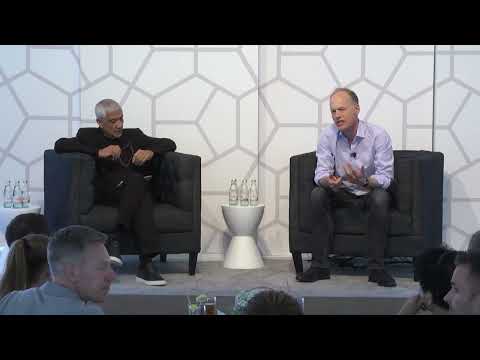
Vinod Khosla (Khosla Ventures Founder) - The Role of Venture Capital in Society | Sebastian Mallaby with Vinod Khosla (Aug 2022)
Venture capital fuels innovation by investing in intangible factors like team potential and market possibilities, and its impact extends beyond Silicon Valley, shaping tech ecosystems worldwide. Venture capital's success relies on skill, not just luck, as evidenced by firms like Sequoia's strategic use of behavioral science and network expansion.
Geoffrey Hinton (University of Toronto Professor) - Distilling the Knowledge in a Neural Network (Aug 2022)
Geoffrey Hinton proposes two-phase neural network architectures for efficient training and deployment, and knowledge distillation to transfer knowledge from large models to smaller ones. Hinton's insights and methodologies in neural network training have profound implications for the future of AI and machine learning.
Adam D'Angelo (Quora Co-founder) - Quora CEO Adam D’Angelo (Jul 2022)
Quora's commitment to quality and adaptability has enabled its evolution from a startup to a global knowledge-sharing hub, while Adam D'Angelo's dedication and technological advancements have driven its success.
Nassim Nicholas Taleb (Scholar Investor) - Nations, States, and Scale | EconTalk (Jul 2022)
The sizes and structures of nation-states profoundly impact their governance, resilience, and identity. Smaller states often fare better in governance, adaptability, and antifragility compared to larger ones, demonstrating advantages in accountability, decision-making, and efficiency.

Robert Smith (Vista Equity Partners Founder) - Vista Equity Partners (Jul 2022)
Robert F. Smith, raised in an African-American community in Denver, witnessed racism and discrimination, which shaped his perspective and resilience, leading him to become a successful software titan through his company Vista Equity Partners. Despite the challenges of cybersecurity and interoperability, Smith believes in the transformative power of enterprise software to enhance efficiency, innovation, and inclusion in the modern era.
Elon Musk (Twitter etc CEO) - Elon Musk Explains SpaceX's Raptor Engine! (Jul 2022)
SpaceX's Raptor 2 engine boasts a simplified design, increased thrust, and enhanced reliability, making it the most powerful operational rocket engine. It prioritizes robustness over sheer performance and aims to revolutionize space exploration with its efficiency, reliability, and innovative design.
Dharmesh Shah (HubSpot Co-founder) - How To Come Up With Billion Dollar Business Ideas | Hubspot Co-Founder Dharmesh Shah (Jul 2022)
Success in entrepreneurship and investment involves valuing unique skills, strategic decision-making, and balancing personal fulfillment with commercial viability. Founders and investors thrive by focusing on core skills, building strong teams, and embracing innovation while also considering potential risks and opportunities.
Demis Hassabis (DeepMind Co-founder) - DeepMind - AI, Superintelligence & the Future of Humanity | Lex Fridman Podcast (Jul 2022)
Demis Hassabis' journey in AI spans from early fascination with chess and game programming to spearheading revolutionary achievements like AlphaFold and GATO, while also emphasizing the ethical development of AI and its potential to expand human knowledge and understanding. Hassabis envisions AI as a tool for humanity's advancement, scientific discovery, and a deeper understanding of reality.
Raghuram Rajan (University of Chicago Professor) - 5th AIPC National Conclave in Raipur, Chhattisgarh (Jul 2022)
India should strengthen its liberal democracy, invest in human capital, and shift from manufacturing to service-led growth to achieve economic resurgence. Service-led growth, supported by India's strengths in technology and healthcare, can create jobs, promote social and economic advancement, and establish India as a global leader in inclusive development.
Raghuram Rajan (University of Chicago Professor) - It is in India's self interest to strengthen & not weaken liberal democracy (Jul 2022)
Strengthening liberal democracy is essential for India's development, fostering economic growth, job creation, and social equality. India should focus on service exports, human capital development, and inclusive growth to achieve sustainable development and global competitiveness.
Dharmesh Shah (HubSpot Co-founder) - The Ultimate Guide to Company Culture (Jun 2022)
Dharmesh Shah overcame his introversion to co-found HubSpot, emphasizing transparency, humility, and employee involvement in his leadership style. Shah's focus on culture, community building, and a cautious approach to market expansion has led to HubSpot's success.

Vinod Khosla (Khosla Ventures Founder) - SaaSBOOMi US Initiative (Jun 2022)
Market volatility does not diminish the value of great ideas, but startups must focus on long-term goals, adaptability, and building a strong team to succeed. Startups should aim for billion-dollar success, hire with a global mindset, and adopt a technical approach to 'engineering the gene pool' of the company.
Steven Chu (Stanford Professor) - Caltech Energy (Jun 2022)
Agriculture's evolution has led to increased food production but also contributed significantly to greenhouse gas emissions. Balancing technological advancements with sustainable practices is necessary to ensure food security while preserving the environment.
Mark Zuckerberg (Meta Co-founder) - Inside the Lab (Jun 2022)
Meta pursues next-generation VR displays for visual realism, aiming to create a sense of presence and enable deeper human connection. Overcoming technical hurdles like resolution, eye tracking, high dynamic range, and optical distortions is crucial for achieving this goal.
Kenneth Chenault (General Catalyst Chairman) - How great leaders innovate -- responsibly (Jun 2022)
Leaders must define reality, instill hope, and empower people to navigate uncertainty through servant leadership and responsible innovation. They must also prioritize diversity, equity, and inclusion to create win-win outcomes for all stakeholders.

Vaclav Smil (University of Manitoba Professor) - Global energy in 2022 (Jun 2022)
Decarbonization requires unprecedented global collaboration and financial commitment, but faces challenges with fossil fuels dominating 83% of the energy system and weak implementation of binding emission targets. Energy efficiency, shifts from coal to natural gas, and renewable energy sources contribute to progress, but complete transition to renewables poses substantial financial and infrastructural challenges.
Elon Musk (Twitter etc CEO) - Trump, Twitter, Job Cuts, Recession Risks | Qatar Economic Forum (Jun 2022)
Elon Musk faces challenges in balancing Twitter acquisition, Tesla's growth, and his commitment to free speech while addressing economic concerns and AI regulation. Musk aims to transform Twitter into an inclusive digital town square, emphasizing freedom of speech while respecting user preferences.

Geoffrey Hinton (University of Toronto Professor) - Robot Brains Podcast, Twitter Q&A (Jun 2022)
AI's practical applications range from customer service to climate change mitigation, while its ethical considerations center around responsible development and regulation. AI's evolution is marked by the pursuit of deep learning, with a focus on spiking neural networks and symbiotic intelligence.
Vinod Khosla (Khosla Ventures Founder) - David Rubenstein Interview (Jun 2022)
Venture capitalist Vinod Khosla emphasizes embracing failure, investing in outliers, and optimizing for societal impact, prioritizing the entrepreneur over the idea and stressing the importance of iteration and team building. Khosla advises aspiring venture investors to gain startup experience and technical expertise, emphasizing the need for pioneering uncharted territory and thinking contrarian.
Alexandr Wang (Scale AI Co-founder) - How Scale AI became a $7.3 billion powerhouse (Jun 2022)
Scale.ai promotes democratizing AI and data, aiming to make it accessible across industries, and emphasizes deploying AI technology to address pressing societal issues. Scale.ai's journey in AI and data democratization illustrates a vision that extends beyond technological advancement to shape how we interact with and leverage AI across industries.
Ray Dalio (Bridgewater Founder) - Rise and Fall of Nations discussion with Andrew Yang (Jun 2022)
Ray Dalio and Andrew Yang offer insights into current economic, political, and social challenges, emphasizing the need for unity, bipartisanship, and innovative thinking to address polarization, inequality, and global instability. They warn of catastrophic outcomes from major conflicts and advocate for diplomatic solutions and pragmatic approaches.

Elon Musk (Twitter etc CEO) - Twitter All Hands (Jun 2022)
Elon Musk's vision for Twitter is to transform it into an inclusive digital town square that fosters healthy conversations and enhances civilization's longevity. He aims to expand Twitter's user base, ensure free speech, combat spam, and improve user experience through innovative features.
Elon Musk (Tesla) - Tesla Owners Silicon Valley Interview 2 of 3 (May 30, 2022)
Elon Musk's reflections on Tesla's journey reveal the pivotal role of a strategic partnership with Daimler and the challenges of navigating a skeptical investment landscape and complex regulatory frameworks. Musk also delves into Tesla's mission for sustainable energy and autonomy, while touching upon the company's philosophical cornerstones inspired by works like "The Hitchhiker's Guide to the Galaxy."

George Soros (Soros Fund Management Founder) - Davos QA (May 2022)
Europe faces challenges such as Ukraine's defense against Russian aggression, the impact of the war on transatlantic relations, and the need for a more resilient EU financial system. Europe also has opportunities, such as the potential addition of Sweden and Finland to NATO and the renewed transatlantic alliance.

Dean Kamen (Deka Research Founder) - Product Innovation at DEKA Research and Development (May 2022)
Dean Kamen, engineer and inventor, emphasizes problem-solving over conventional business strategies and has created groundbreaking innovations in medical devices, robotics, water purification, and regenerative medicine. Kamen seeks skilled engineers across various disciplines to join his company, DEKA, and contribute to his visionary approach to improving lives through innovation.
Kenneth Chenault (General Catalyst Chairman) - Venture for Change (May 2022)
Kenneth Chenault's leadership emphasizes corporate responsibility, crisis management, and technology integration while focusing on societal impact and ethical leadership. Chenault's approach to corporate leadership involves addressing societal issues, managing crises, investing in technology, and promoting diversity and integrity.

Adam D'Angelo (Quora Co-founder) - Becoming a Remote-First Company (May 2022)
Quora's shift to a remote-first model during the pandemic led to increased productivity and employee satisfaction, while also expanding the talent pool and reducing housing costs in high-cost areas. Remote work offers societal benefits such as increased labor mobility, resolution of the two-body problem, and global access to opportunities.
Lee Hsien Loong (Singapore Prime Minister) - International Conference on the Future of Asia (May 2022)
Asia's future hinges on balancing economic potential, geopolitical challenges, and strategic collaboration for growth and stability. Regional cooperation, learning from global experiences, and leveraging platforms like ASEAN are crucial for Asia's sustained prosperity and peace.
Ray Dalio (Bridgewater Founder) - Lewis Howes Podcast (May 2022)
Ray Dalio's analysis focuses on the shifting global power dynamics, financial instability, and internal societal conflicts, advocating for financial preparedness and collective action. He explores the implications of these changes on investment strategies, political polarization, and social cohesion, while also offering insights on human adaptability and metrics for assessing a country's health.
Nassim Nicholas Taleb (Scholar Investor) - Formlabs' The Digital Factory conference in Boston (May 2022)
Nassim Nicholas Taleb emphasizes embracing uncertainty, variability, and stressors as a means to foster growth and adaptation in systems. Taleb's concepts of fragility and antifragility provide frameworks for assessing risk and understanding the role of stressors in promoting resilience and adaptability.

Vaclav Smil (University of Manitoba Professor) - The Energy Transition and Natural Gas (May 2022)
Global energy transition is a complex, gradual process that requires a balanced approach, realistic expectations, technological advancements, and global cooperation to achieve decarbonization. The path to a sustainable energy future involves a profound transformation of global energy systems, economics, and lifestyles.
Vitalik Buterin (Ethereum Co-founder) - ETH & Shanghai and Beyond Shanghai (May 2022)
Ethereum is undergoing a significant transformation with The Merge, which will reduce energy consumption and enhance scalability, followed by a series of updates aimed at improving capacity, user experience, fairness, and privacy. Ethereum's focus is expanding beyond financial applications, exploring non-financial use cases like decentralized governance and privacy-preserving applications.
Nikesh Arora (Palo Alto Networks CEO) - Scaling and Transforming Organizations (May 2022)
Palo Alto Networks navigates disruptions, evolving cybersecurity landscapes, and talent challenges through digital transformation, employee wellbeing, and customer engagement. The cybersecurity industry consolidates as stronger companies acquire struggling startups, requiring adaptation and foresight to thrive amidst economic uncertainties.
Elon Musk (Twitter etc CEO) - Future of the Car | Financial Times (May 2022)
Elon Musk's journey in transforming industries involves ambitious goals, overcoming challenges, and shaping a sustainable future through electric vehicles, space exploration, and energy solutions. His visions for Twitter and Tesla focus on improving public discourse, software engineering, and accelerating the transition to sustainable energy.
Elon Musk (SpaceX Co-Founder) - Starship Factory Tour (May 2022)
Elon Musk discussed various advancements and challenges in SpaceX's rocket technologies, including a new "mega bay" for increased Starship assembly, innovative use of ullage gas for spacecraft attitude control, and design improvements in rocket boosters. These developments aim to lower the cost per ton to orbit, essential for SpaceX's goal of Mars colonization, while also touching on reusability, future orbital launches, and expanded manufacturing facilities.

Prince Turki Al Faisal (Saudi Arabia Former Government Official) - Frankly Speaking | Arab News (May 2022)
Saudi Arabia's strained relationship with the US is attributed to perceived lack of support and cooperation, while the Kingdom advocates for stronger collaboration on regional issues and energy policies. In response to the Ukrainian-Russian conflict, Saudi Arabia promotes mediation and criticizes international double standards, calling for a fair solution for Palestinians as a prerequisite for normalization with Israel.
Elon Musk (Twitter etc CEO) - All-In Podcast (May 2022)
Elon Musk's views on transparency, political balance, and user expression have shaped his acquisition of Twitter, while his insights on automotive innovation, energy solutions, and multi-planetary life continue to drive his ventures.
Elon Musk (SpaceX CEO) - Starship launch tower Tour (May 2022)
In the interview with Tim Dodd, Elon Musk discusses SpaceX's groundbreaking technologies and core philosophies, highlighting innovations like robotic arms that catch rockets and the advanced capabilities of Starlink-2 satellites. Musk emphasizes the ultimate goal of making human civilization multi-planetary, supported by complex engineering challenges, and counters the idea that space investment detracts from solving Earth's problems.
Ray Dalio (Bridgewater Founder) - Interview With The Economic Times (May 6, 2022)
Ray Dalio discusses the recurrent patterns of economic cycles, the debasement of major world currencies, and investment strategies for inflationary times. He also explores rising societal tensions linked to wealth disparities, the geopolitical shift towards a multi-polar world with increasing competition among great powers, and the types of conflicts that could emerge from these dynamics.
Nathan Myhrvold (Intellectual Ventures Co-founder) - Popular Science Lecture (Apr 2022)
Cooking involves scientific principles like heat transfer and molecular changes, turning it into an art form. Understanding these principles allows for precise control over flavor, texture, and safety in cooking.

Kenneth Chenault (General Catalyst Chairman) - Economic Equity Advocacy (Apr 2022)
Ken Frazier and Kenneth Chenault exemplify values-driven leadership, intertwining purpose and ethics with business decisions, while advocating for inclusivity and societal progress. Their journeys highlight the evolving role of CEOs in addressing societal issues and the enduring impact of authentic, empathetic, and socially responsible leadership.

Robin Hayes (JetBlue CEO) - Recalibrate Reality (Apr 2022)
The aviation industry is navigating recovery from COVID-19 with challenges in business travel, labor shortages, and fuel costs, while embracing sustainability efforts and technological advancements. Leisure travel is experiencing a surge, while business travel is recovering gradually as companies adapt to remote work.
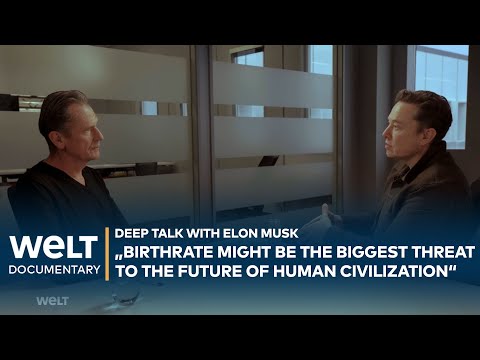
Elon Musk (Tesla, SpaceX, etc) - Interview with Mathias Döpfner (Apr 2022)
In an extensive discussion, Elon Musk covers a wide array of subjects, including the potential of AI to trigger global conflicts, the future of labor and economy in the age of robotics, and various existential threats to humanity. He also addresses issues like energy independence, climate change solutions, governance, and personal well-being, offering a vision that is both cautionary and optimistic.
Geoffrey Hinton (University of Toronto Professor) - WHAT IS AI? (Apr 2022)
Recent advancements in AI, particularly deep learning, have generated excitement and skepticism, prompting discussions about its limitations and the need for balanced perspectives. AI's progress has led to transformative changes in industries, while also highlighting the challenges in simulating intelligence and explaining the behavior of neural networks.
Robin Hayes (JetBlue CEO) - Accelerate Fireside Chat (Apr 2022)
JetBlue maintains a positive brand image through social media and emphasizes diversity, equity, and inclusion within the industry. The airline aims for net-zero carbon emissions by 2040 and focuses on enhancing the customer experience through innovation and inspiration from various sectors.

Peter Thiel (PayPal/Palantir Co-founder) - Bitcoin 2022 Keynote (Apr 2022)
The shift from traditional money to digital currencies like Bitcoin and Ethereum challenges government control, monetary policy, and redefines the concept of money. Digital currencies like Bitcoin and Ethereum have the potential to revolutionize finance by transcending traditional monetary systems and challenging government control over monetary policy.
Elon Musk (Tesla, SpaceX, Neuralink, etc) - TED Interview (April 6, 2022)
Elon Musk presents a comprehensive vision addressing major global challenges, encompassing sustainable energy, AI-enabled autonomous vehicles, and space colonization via SpaceX. He combines cautious optimism with a call for urgent action, and sees synergistic potential across his various ventures, while also acknowledging societal and technical obstacles.
Ram Shriram (Sherpalo Ventures Founder) - Inspirational Indian (Mar 2022)
Ram Shriram's career journey from India to Silicon Valley highlights the importance of embracing serendipitous opportunities, lifelong learning, and a customer-centric approach in the tech industry. Shriram's advice for aspiring entrepreneurs and educators emphasizes boldness, teamwork, humility, and the prioritization of quality over quantity.
Ilya Sutskever (OpenAI Co-founder) - Deep Learning Theory Session (Mar 2022)
Deep learning's simplicity and efficiency have revolutionized complex data processing and decision-making, with neural networks achieving groundbreaking results in image recognition, machine translation, and gaming. As deep learning evolves, the focus is shifting towards unifying different data modalities, improving reasoning capabilities, and addressing alignment, safety, and reliability concerns.

Lukasz Kaisar (OpenAI Technical Staff) - Transformers - How Far Can They Go? (Mar 2022)
Transformers, a novel neural network architecture, have revolutionized NLP tasks like translation and text generation, outperforming RNNs in speed, accuracy, and parallelization. Despite computational demands and attention complexity, ongoing research aims to improve efficiency and expand transformer applications.
Ruth Porat (Alphabet CFO) - International Women in Business Conference at The Economic Club of New York (Mar 2022)
Ruth Porat, CFO of Alphabet and Google, emphasizes the importance of data-driven decision-making, long-term investment in growth and R&D, and embracing diversity and inclusion in leadership. She also highlights the potential of AI as a transformative tool while advocating for its responsible and ethical use.
Graham Allison (Harvard University Professor) - Wang Huiyao & Graham Allison dialogue (Mar 2022)
US-China experts at the China Conference at Harvard Kennedy School discussed the significance of Nixon's 1972 visit to China and the relevance of the Shanghai Communique principles for peace and security. Both countries should find innovative solutions to avoid catastrophe in the face of technological rivalry and global challenges.

Mark Zuckerberg (Meta Co-founder) - Conversation on the Future of the Metaverse with Daymond John (Mar 2022)
The metaverse offers a future where digital and physical realities merge, enabling immersive experiences, global connectivity, and decentralized business opportunities. It challenges traditional work and commerce models, requiring technological advancements to ensure diversity and inclusion.

Ray Dalio (Bridgewater Founder) and Larry Summers (Former Harvard President and US Treasury Secretary) - conversation with Larry Summers and Ray Dalio | Politico (Mar 2022)
The article outlines expert views, notably from Larry Summers, on the complex challenges in current economic, social, and political landscapes, such as risks of economic overheating due to fiscal spending and the Federal Reserve's monetary policy. It emphasizes the need for a nuanced, bipartisan approach to navigate issues like inflation, social division, and geopolitical factors, including China's emerging influence.
Demis Hassabis (DeepMind Co-founder) - Using AI to accelerate scientific discovery - Crick Insight Lecture Series (Mar 2022)
Artificial intelligence, particularly machine learning, has revolutionized scientific discovery, with breakthroughs like AlphaGo and AlphaFold2 demonstrating its ability to master complex challenges. Demis Hassabis envisions a future where AI serves as a fundamental language for understanding life, akin to mathematics in physics.
Mark Zuckerberg (Meta Co-founder) - Strategy, Parenting, Religion, The Metaverse, etc (Mar 2022)
Mark Zuckerberg's strategic thinking, influenced by his fencing experience and literary interests, guides his vision for the metaverse, which emphasizes innovation and responsible governance. Zuckerberg's leadership style emphasizes balancing short-term needs with long-term goals and fostering a culture of continuous improvement.
Hal Varian (Google Chief Economist) - Nowcasting with Google Trends (Mar 2022)
Data analysis, particularly from Google Trends, shapes our understanding of societal trends and economic forecasting through insights into consumer behavior and intentions. Google Trends data has proven effective in economic forecasting and predicting consumer behavior with accuracy, enabling organizations to make data-driven decisions.

Ray Dalio (Bridgewater Founder) - Conversation With Mike Moritz @ Commonwealth Club (March 1, 2022)
Ray Dalio, founder of Bridgewater Associates, outlines three critical phenomena impacting today's world: debt monetization by central banks, increasing internal conflicts, and the rise of China as a global power. Employing a metric-based analytical approach grounded in historical study, Dalio emphasizes the importance of long-term planning, meritocracy, and innovation for the sustainability of empires, and offers insights into economic indicators, technology, and financial systems that are essential for global powers.
Ratan Tata (Tata Group Chairman Emeritus) - Remarks on Leadership at Great Lakes Institute of Management - Chennai (Feb 2022)
Ratan Tata's leadership at Tata Sons balanced innovation with legacy, emphasizing social responsibility and resilience in facing challenges. Tata envisioned India as a nation prioritizing dignity, education, and sustainability, where merit determines success.
Mark Zuckerberg (Meta Co-founder) - Meta, Facebook, Instagram, and the Metaverse | Lex Fridman Podcast (Feb 2022)
Mark Zuckerberg discussed the challenges of responsible social media, his vision for an immersive metaverse, and the socio-economic and ethical considerations surrounding it. He emphasized prioritizing human interaction, addressing security and content moderation, and finding a balance between freedom of speech and safety.
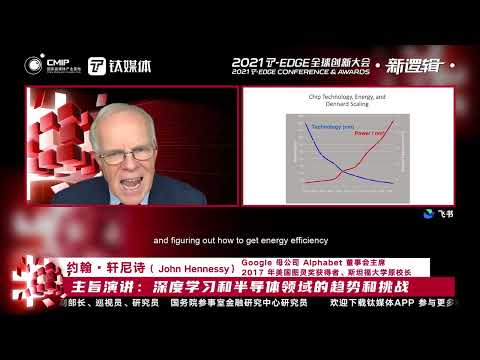
John Hennessy (Alphabet Chairman) - Insights into Trends and Challenges in Deep Learning and Chip Design (Feb 2022)
Deep learning has revolutionized various domains, but faces challenges due to Moore's law limitations and the complexity of training deep learning models. Domain-Specific Architectures (DSAs) offer superior efficiency in power consumption and transistor utilization for specific application domains like deep learning, computer graphics, and virtual reality.
Sam Altman (OpenAI Co-founder) - Beyond Words (Feb 2022)
2022 was a transformative year for NLP, with advancements in language models and multimodal learning leading to more user-friendly and accessible technology. By 2032, NLP models are expected to become versatile research assistants, enhancing creativity and revolutionizing knowledge work.
Franz von Holzhausen (Tesla Chief Designer) - Next-Gen Roadster Update (Feb 2022)
Tesla continues to innovate and influence the industry with its next-generation Roadster, strong Model 3 sales, and partnership with Panasonic for 4680 battery cells. Tesla's commitment to safety and innovative solutions positions it as a leader in the EV space.

Ron Conway (SV Angel Founder) - Fast Company Interview (Jan 2022)
Ron Conway, an early angel investor, pioneered a founder-centric approach, focusing on internet and crypto ventures while emphasizing ethical practices and civic engagement. He invests in exceptional founders, emphasizing their qualities over the idea itself, and advocates for racial equity in venture capital.
Alexandr Wang (Scale AI Co-founder) - Stanford ETL Speaker Series (Jan 2022)
Scale AI's data-centric infrastructure platform accelerates AI development, emphasizing high-quality training data and human insight to build efficient and impactful AI systems. The company tackles challenges like data sparseness and ethical considerations to drive AI transformation across industries.
Jeff Dean (Google Senior Fellow) - AI isn't as smart as you think -- but it could be (Jan 2022)
AI has made significant advancements, but faces challenges in task proficiency, relearning, single-task models, data modality support, and common sense reasoning. The future of AI lies in efficient generalization, minimal data learning, and responsible development for societal benefit.

George Soros (Soros Fund Management Founder) - China, Xi Jinping, and the Threat from Within (Jan 2022)
The rivalry between open and closed societies, exemplified by the US and China, shapes global politics, governance, and geopolitical arenas. Technological advancements have transformed society but pose threats to open societies when exploited by repressive regimes.

Ray Dalio (Bridgewater Founder) - Ray Dalio with David Rubenstein (Jan 24, 2022)
Ray Dalio, founder of Bridgewater Associates, employs a unique approach to decision-making and investment strategy that emphasizes "radical transparency," "idea meritocracy," and a deep understanding of global economic cycles. His wide-ranging philosophy not only influences his professional endeavors but also extends to personal development, societal awareness, and global stability, as evidenced by his bestselling books and philanthropic efforts.
Ruth Porat (Alphabet CFO) - Bloomberg Interview (Dec 2021)
Google embraces hybrid work, sustainable office designs, and expansions to attract and retain top talent, while Ruth Porat's leadership focuses on long-term growth, balancing resource allocation, and addressing the digital skills gap.

Vitalik Buterin (Ethereum Co-founder) - Creating the World Computer - The Past, Present and Future of Ethereum (Dec 2021)
Ethereum's journey epitomizes innovation and decentralization, evolving from a vision into a thriving ecosystem encompassing DeFi, NFTs, and a decentralized metaverse. Ethereum's influence transcends technology, impacting cultural institutions and fostering visions of a more open and inclusive future.

MrBeast (Youtube Content Creator) - 20 Questions with MrBeast! (Dec 2021)
MrBeast's YouTube journey has been a blend of entertainment, philanthropy, and innovation, leading him to become a global phenomenon with millions of followers. He emphasizes authenticity, collaboration, and creating engaging and unforgettable content while inspiring positive change through initiatives like Team Seas.

Amory Lovins (Rocky Mountain Institute Co-founder) - The Einstein of Energy Efficiency (Dec 2021)
Amory Lovins emphasizes integrative design principles and efficiency measures to optimize energy systems, while Michael Liebreich highlights the need for a systemic view to balance energy efficiency and renewable energy development.
Ratan Tata (Tata Group Chairman Emeritus) - Journey of Legends Ratan Tata Part I (Dec 2021)
Ratan Tata's life journey reflects constant evolution, exploration, and a beginner's mindset, shaping his leadership, business acumen, and personal aspirations. Despite unfulfilled dreams like spacewalking, his legacy lies in his positive impact and enduring inspiration.

Peter Thiel (Facebook Board of Directors) - Make Ticker Tape Parades Great Again (Dec 2021)
Peter Thiel critiqued modern society's shift towards collectivism, epistemic closure, and anti-individualism, emphasizing the need for individual action and open debate to foster innovation and societal renewal. Thiel also discussed the decline of individualism in the US and the role of journalism in shaping public opinion.

Dean Kamen (Deka Research Founder) - Space4U Podcast (Dec 2021)
Dean Kamen's long-standing passion for STEM education led to the creation of the FIRST Robotics Competition to address the decline in STEM interest, while his efforts to honor space pioneer Krista McAuliffe resulted in a commemorative coin benefiting FIRST.
Vinod Khosla (Khosla Ventures Founder) - The Future of Programming (Dec 2021)
AI technologies like Codex are revolutionizing software development with ethical considerations emerging due to its impact on industries like healthcare. The tech industry demands a balanced approach to innovation, ethics, and social responsibility as AI enhances efficiency.
Alexandr Wang (Scale AI Co-founder) - Purpose-Driven Leadership in the Age of AI (Dec 2021)
Compassionate management fosters optimal performance by understanding individual hopes and vulnerabilities while AI aids in identifying diverse individual needs. Ethical considerations are paramount in AI development due to the potential for unintended harms.

Elon Musk (Tesla/SpaceX CEO/Co-founder) - Engineering Victory | Dan Carlin Podcast (Dec 2021)
Engineering has played a crucial role in warfare throughout history, from ancient times to modern conflicts, influencing outcomes through technological innovations, aircraft designs, and strategic decisions. Engineering advancements have significantly impacted warfare, from aircraft designs to fuel technology, shaping the course of conflicts and raising moral and ethical concerns.
Alexandr Wang (Scale AI Co-founder) - The Future of AV Sensors - Enabling the Autonomous Vehicles of Tomorrow (Dec 2021)
Luminar's unique LiDAR approach and OEM partnerships aim to make autonomous vehicles safer and more accessible, with consumer vehicles equipped with their technology expected by 2023. Luminar emphasizes software development, strategic partnerships, and data-driven improvement to overcome challenges and accelerate the adoption of autonomous vehicles.

Jennifer Doudna (UC Berkeley Professor) - Bay Area Business Hall of Fame Induction (Nov 2021)
Jennifer Doudna's CRISPR gene editing revolutionized biology and holds promise for curing diseases, ending hunger, and combating climate change. Doudna's commitment to responsible use and accessibility of CRISPR technology makes her a pioneer in the scientific world.
Alexandr Wang (Scale AI Co-founder) - Bret Taylor (Salesforce Co-CEO) on Enterprise AI Strategy & Lessons Learned (Nov 2021)
Digital transformation, driven by AI, is reshaping business strategies, customer experiences, and ethical frameworks in the digital economy. AI's integration into business requires careful investment, ethical considerations, and a focus on customer-centric experiences.

Andy Bechtolsheim (Arista Co-Founder) - Market Focus (Nov 2021)
800G optics are expected to dominate the market by 2024 due to lower cost, reduced power consumption, and higher density. Pluggable optics modules offer advantages in design, serviceability, and manufacturing compared to co-packaged optics.
Mark Zuckerberg (Meta Co-founder) - Web3/Metaverse Chat | GaryVee (Nov 2021)
Mark Zuckerberg and Gary Vaynerchuk discuss the evolution of social media, the potential of Web3 and the Metaverse, and the challenges and opportunities in shaping the future of digital interaction and consumer behavior. The Metaverse is seen as the next frontier of immersive communication, where users can interact as holograms and express their identity through digital avatars and NFTs.
Rodney Brooks (iRobot Co-founder) - Is Cognition Computation? (Nov 2021)
Rodney Brooks challenges the dominant view that cognition is inherently computational, suggesting it might be a societal construct rather than a universal property.
Dharmesh Shah (HubSpot Co-founder) - We Need to talk...about our customer relationships | INBOUND Conference (Oct 2021)
Customer centricity is the key to enduring business success in the digital age, involving understanding and addressing customer needs, wants, and pain points. HubSpot's CRM platform exemplifies customer centricity, evolving from traditional sales tools to a comprehensive system that connects teams, companies, and customers.
Robin Hayes (JetBlue CEO) - IATA AGM Closing Press Briefing (Oct 2021)
The airline industry faces challenges from government restrictions, airport charges, and the need for sustainable practices, while also seeing a surge in travel demand and commitment to customer service. IATA's AGM underscored the industry's resilience and adaptability in overcoming hurdles and embracing a sustainable future.

Bill Gates (Gates Foundation Co-founder) - Global Green Investment Summit (Oct 2021)
Global Investment Summit and COP26 emphasize sustainable investment and innovation to address climate change and economic disparities, with a focus on collaboration between governments and the private sector. The UK's green industrial revolution and investments in green technologies aim to decarbonize hard-to-abate sectors and lead global efforts in innovation and cost reduction.

Nathan Myhrvold (Intellectual Ventures Co-founder) - Modernist Pizza (Oct 2021)
Pizza has evolved and diversified as it spread to different regions and cultures, becoming the world's most popular imported dish. The book "Modernist Pizza" explores pizza's history, techniques, and cultural significance, debunking myths and providing insights into its ingredients and adaptations.
Peter Thiel (Facebook Board of Directors) - A Conversation with Peter Thiel (Oct 2021)
The Lincoln Network event in Miami explored the interconnectedness of technology, religion, and society, discussing topics such as the influence of Christian faith on Thiel's philosophy and the impact of technological advancements on social order. Attendees were encouraged to reflect on the insights shared and consider the broader implications for our rapidly evolving world.
Vinod Khosla (Khosla Ventures Founder) - Searching for the "instigators" who will make a difference | SOSV Climate Tech Summit (Oct 2021)
Climate tech innovations are diverse and geographically distributed, driven by talent and investment, with notable examples like LanzaTech and Impossible Foods. The sector is characterized by long-term commitment, corporate involvement, and institutional interest, showcasing the potential for sustainable growth and impact.
Jennifer Doudna (UC Berkeley Professor) - Conversation with CEO of Ag-West Bio (Oct 2021)
CRISPR technology, pioneered by Dr. Jennifer Doudna, offers unprecedented precision in genome editing, promising advancements in biology, medicine, agriculture, and diagnostics, while raising ethical and regulatory considerations. CRISPR's applications in agriculture include enhancing crop yields, resilience, and developing climate-resilient crops.

Xi Jinping (China President) - Global Trade in Services Summit Address (Sep 2021)
The 2021 Global Trade and Services Summit focused on the significance of services trade in the digital field, emphasizing digital transformation's role in fostering a resilient global economy. The summit highlighted the transformative impact of digitalization on services, propelling them to the forefront of economic activities and driving development.
Ilya Sutskever (OpenAI Co-founder) - The man who made AI work (Sep 2021)
Ilya Sutskever's pioneering work in deep learning, including the ImageNet breakthrough and the development of GPT-3, has transformed the field of AI. His contributions showcase the practical applications of AI, ranging from language modeling to game playing, and envision a future where AI benefits humanity.
Robert Smith (Vista Equity Partners Founder) - Going Long Podcast (Sep 2021)
Vista Equity Partners, led by Robert Smith, combines a focus on enterprise software investing with a commitment to ESG, DEI, and community engagement to drive economic growth and address societal challenges. Vista's innovative approach emphasizes creating value for shareholders while delivering social and environmental benefits.

Andy Bechtolsheim (Arista Co-Founder) - What is Next for Optics? (Sep 2021)
Multi-chip packaging and co-packaged optics are revolutionizing data centers by improving efficiency, reducing power consumption, and enabling higher bandwidth and performance. Advances in optics technology, such as silicon photonics and high-speed modulators, are driving these improvements and enabling the development of next-generation data center solutions.
Nassim Nicholas Taleb (Scholar Investor) - Brooklyn Quant Experience Lecture Series (Sep 2021)
Risk assessment should consider the domains of consequences and observation, as well as the value of paranoia and early action. Intergenerational reciprocity and scalable professions can help mitigate black swan events.
Nassim Nicholas Taleb (Scholar Investor) - World Health Network Daily Call (Sep 2021)
Pandemics involve irreversible risks and multiplicative effects, requiring proactive measures like quarantines and overactive testing, and effective communication to address misconceptions and encourage community involvement. Understanding the non-linearity of risks and integrating research into practice are key to improving pandemic management strategies.
Prince Turki Al Faisal (Saudi Arabia Former Government Official) - 9/11, Afghanistan and Americas role in the Middle East (Sep 2021)
Prince Turki al-Faisal's analysis reveals the intricate geopolitical dynamics of the Middle East, emphasizing the challenges and opportunities in addressing regional conflicts and the evolving roles of global powers. Saudi Arabia's strategic foreign policy and the need for reassurances of American commitment to regional security are key elements shaping the future trajectory of Middle Eastern politics.

MrBeast (Youtube Content Creator) - The Time Mr. Beast Almost Died - IMPAULSIVE EP. 291 (Sep 2021)
MrBeast's global expansion strategy involves creating multilingual content and targeting non-English speaking audiences, while his calculated business ventures, such as Beast Burgers, showcase his entrepreneurial acumen. He emphasizes the significance of perseverance and continuous learning in content creation and business endeavors.

Robert Smith (Vista Equity Partners Founder) - Inclusiv Conference (Sep 2021)
Robert Smith promotes financial inclusion, digital transformation, and community empowerment to tackle racial wealth disparities and economic divides, emphasizing collaboration and modernization of banking systems. Smith advocates for investments in local financial institutions like CDFIs and MDIs to improve financial access in underserved communities, leveraging technology to increase lending capacity and drive economic recovery.
Jennifer Doudna (UC Berkeley Professor) - From Ribosomes to Revolution (Aug 2021)
Jennifer Doudna's journey from a reserved researcher to an influential communicator reflects the evolving role of scientists in public discourse. Scientists must engage with the public, address concerns, and foster scientific literacy to bridge the gap between complex research and public understanding.
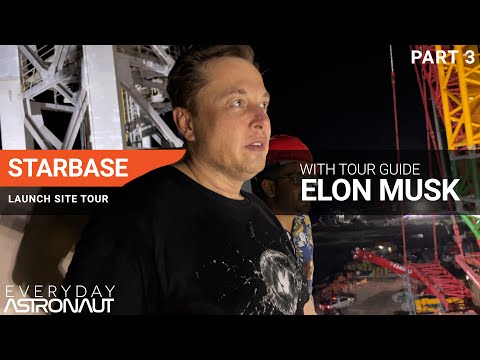
Elon Musk (SpaceX Co-Founder) - Starbase Launchpad Tour Part 3 (Summer 2021)
Elon Musk's SpaceX is intently focused on safety and immediate operational requirements, especially concerning the upcoming Super Heavy rocket launches, while also grappling with logistical challenges like contractor management and supply chain issues. The company combines meticulous planning with a sense of urgency and a pursuit of technical innovation, aiming to transform ambitious space exploration goals into reality.
Dean Kamen (Deka Research Founder) - An Innovation Mindset in the FIRST Global Podcast (Aug 2021)
Dean Kamen, a visionary in STEM education, founded FIRST and FIRST Global to promote global cooperation and innovation in STEM fields and prepare youth for a globalized future. He emphasizes the importance of STEM literacy for responsible citizenship and advocates for global technical competence to address challenges like climate change.

Mitchell Waldrop (Author) - The Dream Machine [Part 2 Of 3] (Aug 2021)
The evolution of the digital world began with ARPANET, an academic project that laid the foundation for the modern internet, and was marked by continuous advancements in microprocessors, leading to the World Wide Web and current challenges in data privacy.

Fei-Fei Li (Stanford Professor) - Ambient Intelligence in Healthcare (Aug 2021)
Ambient intelligence in healthcare uses technology to improve patient safety and clinical outcomes, while ethical considerations such as privacy and fairness are crucial for its responsible deployment.
Nikesh Arora (Palo Alto Networks CEO) - The One-Man C Suite | FC BUILD_enterprise 2021 (2021)
Nikesh Arora's leadership journey emphasizes building strong corporate cultures, adapting to market dynamics, and prioritizing product-first approaches in both the tech and cybersecurity industries. Arora's insights highlight the significance of cybersecurity as an unsolved problem and the need for continuous innovation and collaboration to address evolving threats and challenges in the field.
Vitalik Buterin (Ethereum Co-founder) - Bloomberg Interview (Aug 2021)
Ethereum, a blockchain platform known for its smart contract functionality, has revolutionized the digital currency landscape and holds the potential to transform industries with decentralized applications. Its transition to proof-of-stake, as seen in Ethereum 2.0, aims to address scalability and energy concerns while facilitating decentralized finance and social media platforms.
Charlie Munger (Berkshire Hathaway Vice Chairman) - The Power of Partnership with Warren Buffett (Jul 2021)
Warren Buffett and Charlie Munger's investment strategy centers around identifying undervalued securities, investing in businesses with sustainable competitive advantages, and maintaining ethical conduct. Their success stems from expansive knowledge, rational decision-making, and a commitment to ethical behavior.
Jennifer Doudna (UC Berkeley Professor) - Level up for humanity, opening International Science Festival Gothenburg (Jul 2021)
CRISPR, a transformative genetic engineering tool, offers unprecedented precision for DNA editing, raising ethical and philosophical concerns about its potential misuse for creating designer babies and exacerbating inequality. While CRISPR holds promise for treating genetic diseases and adapting to climate change, responsible use and regulation are paramount to avoid unintended consequences.

Alexandr Wang (Scale AI Co-founder) - Fireside Chat (Jul 2021)
DoorDash scaled its food delivery business through market expansion and AI integration, while Scale AI transformed from an autonomous vehicle focus to a comprehensive AI infrastructure platform.
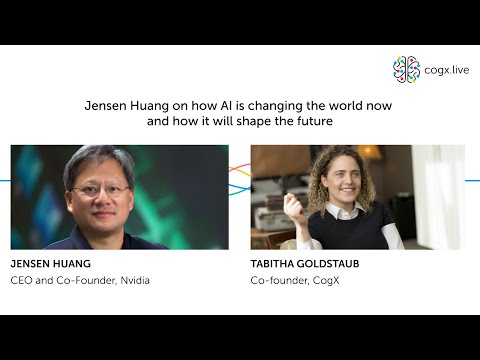
Jensen Huang (Nvidia Co-founder) - Global Leadership (Jun 2021)
AI has revolutionized software development and problem-solving, leading to transformative applications in diverse fields such as computer vision, natural language processing, and climate modeling. NVIDIA's vision under Jensen Huang's leadership aims to harness AI and the metaverse to address global challenges, enhance human capabilities, and democratize technology.

Larry Fink (BlackRock Co-founder) - Qatar Economic Forum (Jun 2021)
ESG integration and measurement are crucial for sustainable finance, while collaboration among companies, governments, and individuals is essential for achieving net-zero emissions and a sustainable future.

Simon Segars (Arm CEO) - A Conversation with Arm's Simon Segars and NVIDIA's Jensen Huang (Jun 2021)
NVIDIA's acquisition of ARM aims to reshape modern computing by integrating software-defined systems, AI, and machine learning across various computing segments, fostering competition and innovation. The merger promises to enhance ARM's IP portfolio, expand NVIDIA's technological reach, and address the increasing complexity of edge AI and IoT systems.
Jeff Dean (Google Senior Fellow) - Africa to Silicon Valley (Jun 2021)
Jeff Dean's early focus was enhancing Google's search engine, later shifting to AI and neural networks. He sees AI's potential to transform various sectors in Africa, like translation, healthcare diagnostics, and agriculture.

Vitalik Buterin (Ethereum Co-founder) - Ethereum 2.0 | Lex Fridman Podcast (Jun 2021)
Vitalik Buterin's work on Ethereum and his commitment to societal good through philanthropic actions. Introduction of Proof-of-Stake (PoS) consensus and Sharding as key features in Ethereum 2.0 for enhanced security, energy efficiency, and equitable rewards distribution.
Dharmesh Shah (HubSpot Co-founder) - Conversation with Underscore VC (Jun 2021)
HubSpot's journey highlights the significance of a strong company culture, employee empowerment, and customer focus in driving startup success. The Boston tech ecosystem provides a skilled workforce and fosters a culture of loyalty and long-term focus, contributing to HubSpot's growth and impact.
Raghuram Rajan (University of Chicago Professor) - Vaccine Unpreparedness a Devastating Failure of Govt, India Needs Vision to Recover (Jun 2021)
India faces economic challenges such as declining consumer confidence, rising unemployment, and unequal vaccine distribution. India must prioritize restoring consumer confidence, addressing unemployment, and strengthening its democratic values to navigate the current crisis.

Jennifer Doudna (UC Berkeley Professor) - CRISPR Gene Editing (Jun 2021)
CRISPR-Cas9 technology offers transformative possibilities for therapeutics and personalized medicine, but faces challenges in safety, delivery, and off-target effects. CRISPR technology has the potential to revolutionize healthcare with precise genome editing, but safety and delivery challenges must be addressed for its therapeutic applications.
Bill Gates (Breakthrough Energy Ventures) - ARPA-E Summit (May 26, 2021)
In a comprehensive discussion hosted by ARPA-E, Bill Gates emphasized the importance of innovation, government support, and global collaboration in tackling climate change. He also discussed the complexities involved, such as the "green premium," the need for technologies like Carbon Capture and Storage, and the differing responsibilities of developed and developing nations in reaching net-zero emissions by 2050.

Jennifer Doudna (UC Berkeley Professor) - Genome Editing Beyond the EU (May 2021)
CRISPR technology offers the potential to revolutionize agriculture with precise genetic modifications for increased crop yield, nutrition, and climate resilience while preserving traditional practices and local diversity. However, ethical, societal, and regulatory concerns must be addressed for responsible implementation.
John Hennessy (Alphabet Chairman) - Oral History of John L. Hennessy (May 2021)
John Hennessy's contributions to computing, including the MIPS project and influential textbooks, have transformed the field and influenced generations of technologists. He has also been a visionary leader in academia, promoting interdisciplinary collaboration and addressing global challenges through his roles at Stanford University.
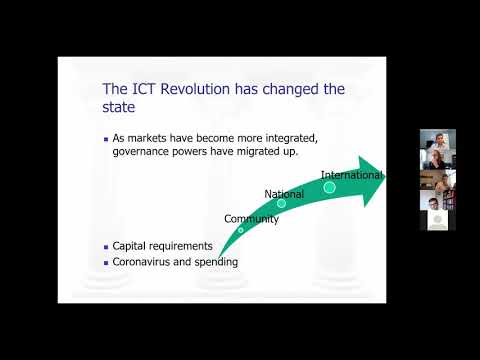
Raghuram Rajan (University of Chicago Professor) - The Third Pillar (May 2021)
The complexities of modern governance, economy, and community engagement require nuanced approaches to address intricate dynamics and foster sustainable, inclusive growth. Balancing local empowerment and global integration is key to navigating 21st-century challenges.

Larry Fink (BlackRock Co-founder) - Bloomberg Interview on Temasek Partnership (Apr 2021)
Temasek and BlackRock launch a $5 billion joint venture to invest in decarbonization technologies, aiming for impact over financial returns. The collaboration emphasizes innovation, recognizing the need for new technologies to tackle climate change effectively.
Jennifer Doudna (UC Berkeley Professor) - CRISPR Cas9 (Apr 2021)
Researchers are improving CRISPR's accuracy, efficiency, and delivery methods to expand its application in treating rare genetic diseases, virus detection, and genome editing. CRISPR technology holds promising potential in testing, diagnostics, and targeted cell editing, but accessibility and ethical considerations remain challenges.
Jennifer Doudna (UC Berkeley Professor) - StarTalk Podcast (Apr 2021)
CRISPR gene editing technology, pioneered by Jennifer Doudna, revolutionizes healthcare by precisely altering DNA sequences, raising ethical concerns about its responsible use. As CRISPR technology advances, it promises to transform healthcare and agriculture, but ethical considerations regarding gene editing and societal definitions of disability must be carefully navigated.

Sam Altman (OpenAI Co-Founder) - The race to build AI that benefits humanity (Apr 2021)
Sam Altman, the current leader at OpenAI, expresses optimism about AI's potential to democratize expertise and address global challenges, while also emphasizing the need for ethical governance and societal readiness for job market disruptions. He outlines OpenAI's mission to develop responsible AI, suggesting that advancements like GPT-3 demonstrate AI’s transformative capacity, but acknowledging that aligning AI with human values and ethics remains a critical challenge.
Jennifer Doudna (UC Berkeley Professor) - Cal Day Conversation, UC Berkeley (Apr 2021)
CRISPR-Cas9, a revolutionary gene-editing technology, has the potential to reshape genetics, medicine, and agriculture, with far-reaching implications for curing genetic diseases and combating climate change, but its ethical implications demand responsible use.

Jennifer Doudna (UC Berkeley Professor) - Breaking the Code (Apr 2021)
CRISPR-Cas9 has revolutionized genetic engineering and ignited ethical, societal, and medical debates, while also offering potential treatments for genetic disorders and transforming diagnostics for infectious diseases. Ongoing research and collaboration are crucial for responsible and beneficial applications of genome editing technologies.

Fei-Fei Li (Stanford Professor) - Healthcare's AI Future (Apr 2021)
AI integration in healthcare promises a transformative shift in patient care but faces challenges like data privacy, ethical concerns, and the need for empathetic approaches. AI can revolutionize healthcare by enhancing diagnosis, treatment, and democratizing access, but successful implementation requires balancing technological advancements with human-centered design.
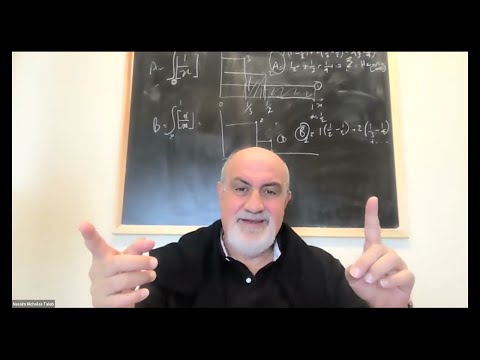
Nassim Nicholas Taleb (Scholar Investor) - Conversation with Yaneer Bar-Yam, Hosted by New England Complex Systems Institute (Apr 2021)
Early action and comprehensive public health strategies can mitigate both health and economic impacts of COVID-19, while fluctuating policies and delayed measures can have negative consequences on both fronts. Countries pursuing elimination strategies have achieved better outcomes compared to those with intermittent restrictions.

Vitalik Buterin (Ethereum Co-founder) - What Happens After the Merge (Apr 2021)
Ethereum's future involves transitioning to proof-of-stake, implementing sharding for scalability, and enhancing security with state expiry, leading to a more efficient and sustainable network. It will explore advanced features like account abstraction, EVM improvements, and ZK-SNARKs for further scalability and security.

Li Lu (Himalaya Capital Management Founder) - Value Investing in China (Apr 2021)
Li Lu's value investing approach emphasizes understanding businesses, adapting to technological changes, and navigating China's dynamic economy for long-term success. Value investors can navigate technological advancements by seeking resilient companies led by adaptable management teams or investing in industries unaffected by disruption.

Robin Hayes (JetBlue CEO) - World Travel Market Interview (Apr 2021)
JetBlue Airways has shown resilience during the pandemic, navigating challenges with strategic cost-cutting, network adjustments, and a focus on digital innovation. The airline plans to expand transatlantic flights and prioritize sustainability in its future growth strategy.
Ray Dalio (Bridgewater Founder) - The key to personal development & organizational effectiveness (April 23, 2021)
Ray Dalio advocates for the use of personality assessments as a cornerstone in personal and professional development, moving from initial uses of Myers-Briggs to more nuanced tools like "Principles U." He emphasizes the role of data-driven decision-making in understanding human nature, fostering team cohesion, and promoting an "idea meritocracy" grounded in radical transparency.

Ray Dalio (Bridgewater Founder) - Interview with Jordan Harbinger (Apr 8, 2021)
Ray Dalio discusses the complexities of financial markets, societal tensions, and decision-making, emphasizing the importance of expertise and historical understanding in navigating these arenas. He also addresses the crisis in democratic governance, the impact of the rising wealth gap on social structures, and stresses the need for careful risk assessment in both personal and financial decisions.

Vitalik Buterin (Ethereum Co-founder) - KERNEL Fireside - Staking and Scaling (Mar 2021)
Vitalik Buterin's innovations in blockchain technology focus on fault tolerance, attack detection, and user interface design, while his views on governance and sustainability highlight the need for multiple systems and a balance between financial and non-financial aspects.

Satya Nadella (Microsoft CEO) - Microsoft Ignite Keynote on Mixed Reality (Mar 2021)
Cloud innovation involves decentralized computing, sovereign data, and ambient intelligence, while fostering empowered creators, economic opportunities, and trust through design. Microsoft's Cloud and Mesh platforms, along with contributions from tech giants and visionaries, are shaping the future of collaborative computing and immersive experiences.
Nassim Nicholas Taleb (Scholar Investor) - India's Post-COVID Opportunity (Mar 2021)
Global connectivity and COVID-19 exposed economic disparities, cultural differences in pandemic responses, and the need for resilience and preparedness. India's "Atmanirbhar Bharat" emphasizes adaptability, economic flexibility, and domestic production to withstand future shocks.

Walter Isaacson (Tulane Professor) - Walter Isaacson on Jennifer Doudna (Mar 2021)
CRISPR-based mRNA vaccines revolutionized the fight against COVID-19, while also raising ethical questions about gene editing and equitable access. Gene editing technology's potential benefits, such as curing genetic diseases and mitigating climate change, must be balanced with concerns about societal inequality and unintended consequences.

Geoffrey Hinton (Google Scientific Advisor) - Geoffrey Hinton (Mar 2021)
Neural networks have revolutionized AI, enabling machines to learn and perceive data like humans, leading to breakthroughs in fields like image recognition and machine translation. The future of AI involves exploring multiple timescales in neural networks to enhance memory and reasoning capabilities, mimicking human learning and adaptation.
Graham Allison (Harvard University Professor) - Meeting the China Challenge (Mar 2021)
Thucydides' Trap describes the pattern of rising powers challenging existing powers, leading to war. Cooperation and understanding between the US and China are necessary to avoid conflict and promote global stability.
Jennifer Doudna (UC Berkeley Professor) - Walter Isaacson & Jennifer Doudna join Washington Post Live to discuss CRISPR (Live, 3/12) (Mar 2021)
CRISPR, a groundbreaking gene editing tool, has applications in medicine and agriculture, but raises ethical concerns, especially with germline editing. The journey of CRISPR's development highlights the importance of creativity, resilience, ethical contemplation, diversity, and international collaboration in scientific discovery.

Bill Gates (Gates Foundation) - How to Avoid a Climate Disaster Book Tour: Interview with Rashida Jones (March 26, 2021)
Bill Gates presented a comprehensive strategy to address climate change, emphasizing the need for multi-sectoral transformation, technological innovation, and global cooperation. He covered a wide range of topics, including the importance of reducing greenhouse gas emissions, the role of carbon capture technologies, agricultural improvements, and the need for proactive government and individual involvement.
Satya Nadella (Microsoft CEO) - Fireside Chat as Stanford Institute for Economic Policy Research (Mar 2021)
Satya Nadella envisions a future shaped by decentralized computing, advanced AI, and inclusive technology, emphasizing the role of responsible leadership in driving equitable growth and addressing global challenges. Trustworthiness and continuous improvement are key leadership qualities in this transformed technological landscape.
Ray Dalio (Bridgewater Founder) - on Philanthropy (Mar 25, 2021)
Ray Dalio, founder of Bridgewater Associates, has a multifaceted approach to philanthropy influenced by personal experiences and a commitment to continuous learning and adaptability. With contributions exceeding $300 million, Dalio emphasizes the importance of financial sustainability, effective decision-making through "triangulation," and redefining traditional methods to make philanthropy more impactful and meaningful.
Bill Gates (Gates Foundation) - Economic Club of Chicago (Mar 19, 2021)
Bill Gates advocates for a multi-faceted approach to address the global climate crisis, emphasizing the need for technological innovation, global cooperation across sectors, and targeted government and corporate initiatives. He introduces the concept of "Green Premium," discusses the significance of overlooked sectors like agriculture and heating, and highlights the role of middle-income countries and younger generations in driving climate action.
Bill Gates (Gates Foundation) - How to Avoid a Climate Disaster @ UToronto (March 10, 2021)
In a virtual event, Bill Gates outlined a multi-faceted approach to combating climate change, emphasizing the urgent need to reduce global greenhouse gas emissions to zero through innovation, public and private engagement, and international cooperation. He touched upon the importance of targeting emissions from overlooked sectors like manufacturing, the role of consumer choices and political action, and the economic potential of green technologies, while also stressing the need for early climate education and learning from the COVID-19 pandemic.
Larry Fink (BlackRock Co-founder) - Insights from BlackRock and the SEC (Feb 2021)
Market forces and regulations are driving climate risk disclosures, reshaping finance to limit global warming, while ESG reporting standards are crucial for transparency and comparability. Governments and financial institutions must collaborate to address climate risks and promote sustainable investments.
Jennifer Doudna (UC Berkeley Professor) - Remarks on CRISPR at Imperial College London (Feb 2021)
CRISPR-Cas9 technology enables precise editing of DNA sequences, revolutionizing medicine, agriculture, and genetics. The ethical, regulatory, and technical challenges posed by CRISPR require responsible stewardship and global scientific consensus.
Stan Druckenmiller (Duquesne Capital Management Founder) - Talks at Goldman Sachs (Feb 2021)
Stan Druckenmiller advocates a high-conviction investment approach, emphasizing focus and risk awareness, while expressing both skepticism and cautious appreciation of Bitcoin's potential as a store of value. He critiques American capitalism, citing distortions caused by central banks and unequal opportunities, calling for a more equitable economic landscape.

Mark Zuckerberg (Meta Co-founder) - Clubhouse Interview (Feb 2021)
Virtual reality (VR) and augmented reality (AR) technologies are transforming remote work, social interactions, and overall digital experiences, with potential for increased productivity, economic opportunities, and reduced environmental impact. VR, led by Facebook's Oculus Quest 2 headset, has gained traction, while AR faces challenges in optics, display technology, and user interfaces.

George Soros (Soros Fund Management Founder) - Open Society (Feb 2021)
Global capitalism faces challenges due to its crisis-prone nature and economic disparities, requiring reforms to address systemic issues and promote equitable financial systems. The future of international financial institutions depends on eliminating moral hazard, increasing transparency, and addressing the varying needs of developed and less developed economies.
Bill Gates (Gates Foundation) - Emily Chang Interview (Feb 25, 2021)
Bill Gates outlines a comprehensive plan to mitigate the impacts of climate change, emphasizing the need for global emissions to reach near-zero by 2050 through multi-sectoral efforts, investment, and policy changes. He advocates for a collaborative approach involving governments, industries, and individuals, while also acknowledging the challenges posed by technology and the need for resilient infrastructure.
Bill Gates (Gates Foundation) - How to Avoid a Climate Disaster @ Stanford (Feb 18, 2021)
In a presentation at Stanford University, Bill Gates outlines a multi-faceted strategy to address climate change, emphasizing the need for technological innovation, government policy, and multi-sectoral involvement to achieve zero emissions by 2050. Stanford supports this approach through its climate research institutes and plans to launch a new school focused on climate and sustainability.
Bill Gates (Gates Foundation) - Bill Gates on avoiding a climate disaster (Feb 15, 2021)
Bill Gates argues that addressing the climate crisis is humanity's most daunting challenge, requiring a multi-faceted approach that includes technological innovation, bipartisan policy efforts, and collaboration between philanthropic and governmental entities. He emphasizes the need for global, equitable solutions and highlights the role of "green premiums," the extra costs for eco-friendly options, in determining the feasibility of sustainable practices across different sectors.
Bill Gates (Gates Foundation) - Interview With The Indian Express (Jan 28, 2021)
Bill Gates outlines a roadmap for navigating future challenges, emphasizing three key pillars: strategic pandemic preparedness through robust R&D and surveillance, socially responsible philanthropy aimed at addressing economic and social disparities, and the need for regulatory oversight in technology, particularly concerning misinformation and competition. He argues that immediate investments in these areas are crucial not only for pandemic recovery but also for long-term global improvement.

Melinda and Bill Gates (Gates Foundation) - Washington Post Live (Jan 27, 2021)
Bill and Melinda Gates discuss the intricate links between global health equity, COVID-19 vaccination, and social policy, advocating for international cooperation and equitable vaccine distribution. They emphasize a holistic approach to pandemic recovery, touching on issues such as mental health, gender and racial equity, misinformation, and the roles of philanthropy and innovation in driving change.
Sundar Pichai (Alphabet CEO) - LIVE (Jan 2021)
Google CEO Sundar Pichai addresses YouTube's Capitol riot response, emphasizing content moderation and AI advancements, while defending Google's practices amid antitrust scrutiny and advocating for the importance of Section 230 in online freedom of speech.
Rodney Brooks (Robust.ai Co-founder) - Robotics and what we can expect from machines in the next years (Jan 2021)
Rodney Brooks, a pioneer in robotics and AI, believes cognitive engines for robots and responsible deployment of AI are crucial. He also emphasizes the need to balance innovation with practical applications and address ethical challenges in AI development.
Nathan Myhrvold (Intellectual Ventures Co-founder) - Gastronomy Shapers | Basque Culinary Center (Jan 2021)
Nathan Mirbaud's expertise in physical chemistry and gastronomy sheds light on the intricate relationship between culinary art and scientific principles, revolutionizing the culinary world by integrating science with culinary artistry. Modernist cuisine democratizes scientific knowledge, making it accessible to chefs and enriching our understanding of food.
Bill Gates (Gates Foundation Co-founder) - Carbon Markets | Davos (Jan 2021)
Voluntary carbon markets promote emission reduction projects, particularly in developing economies, and can catalyze innovation in green technologies and support hard-to-decarbonize sectors. Voluntary carbon markets can provide cross-border flows and co-benefits for biodiversity and other sustainable development goals.
Larry Fink (BlackRock Co-founder) - Looking Ahead to 2021 | Singapore FinTech Festival (Jan 2021)
BlackRock's CEO Larry Fink emphasizes remote work, diversity, and sustainability as key strategies for navigating post-pandemic challenges. Fink believes technology and stakeholder capitalism are crucial for balancing economic progress with societal well-being.
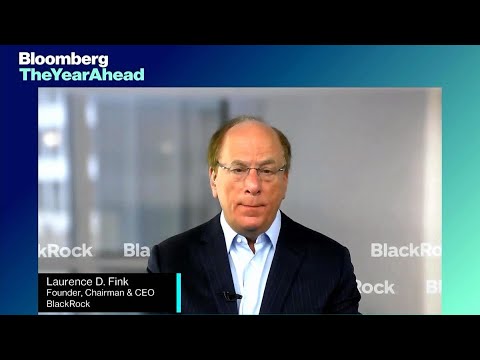
Larry Fink (BlackRock Co-founder) - 1 (Jan 2021)
Larry Fink, CEO of BlackRock, believes climate change poses a major investment risk and advocates for transitioning to a net-zero carbon economy by 2050. He is optimistic about the future of sustainable investing, predicting that BlackRock could reach $1 trillion in such investments by the decade's end.
Fei-Fei Li (Stanford Professor) - Illuminating the Dark Space of Healthcare with Ambient Intelligence (Jan 2021)
Fei-Fei Li's research in AI-powered ambient intelligence aims to revolutionize healthcare, improve patient care, and enhance ethical considerations in AI usage. Ethical considerations, public trust, and modernized policy and regulation are essential for the responsible adoption of AI in healthcare.
Peter Norvig (Google Director of Research) - The Next Step for Deep Tech in Asia (Jan 2021)
Deep tech innovations in AI, robotics, and quantum computing are reshaping industries and driving global collaboration, while commercialization challenges and talent development remain key considerations. Automation and robotics have accelerated due to the pandemic, creating opportunities but also requiring shorter sales cycles and wider customer targeting.
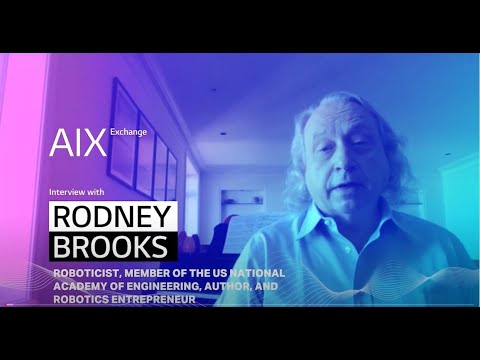
Rodney Brooks (Robust.ai Co-founder) - AIX Exchange with leading robotocist Rodney Brooks (Jan 2021)
Rodney Brooks emphasizes human-centric AI, focusing on user needs and limitations, while highlighting the importance of common sense and ethical considerations in AI development and implementation. He suggests a layered approach to behavior-based control for robots, emphasizing reliability and adaptability.

Jeff Dean (Google Senior Fellow) - Humans of AI (Dec 2020)
Computer scientist Jeff Dean balances professional excellence in AI with personal introspection and growth, emphasizing ethical considerations and embracing diverse perspectives. Dean's interview offers insights into his daily routines, personal habits, and philosophical outlook on life, showcasing his dedication to learning and making a positive impact in technology.
Bill Gates (Gates Foundation) - on the COVID Vaccine (Dec 2020)
In a comprehensive conversation, Bill Gates discussed a range of topics including the need for better pandemic preparedness and global medical collaboration, urgent reforms in racial relations and education, and the potential for technology and capitalism to contribute positively to society. He emphasized the importance of multi-faceted solutions to address the complexities of current global and societal challenges.
Ray Dalio (Bridgewater Founder) - Exploring the Future of US-China Relations, Part 1 (Dec 2020)
The evolving U.S.-China relationship is shaped by historical factors and current tensions due to differing governance models and territorial ambitions. Future scenarios range from heightened conflict to cooperation, requiring a balanced approach to manage strategic interests and global stability.
Jennifer Doudna (UC Berkeley Professor) - Nobel Lecture (Dec 2020)
CRISPR-Cas9 technology revolutionized genome editing by enabling precise DNA targeting and cleavage, with applications in research, medicine, agriculture, and diagnostics. CRISPR-Cas systems can detect RNA and DNA molecules at minute levels, offering potential for rapid and accessible diagnostics.
Mustafa Suleyman (DeepMind Co-founder) - Aspen Berlin AI Week (Dec 2020)
AI in healthcare offers transformative opportunities but faces hurdles like data infrastructure, ethical considerations, and privacy concerns. Responsible implementation requires aligning AI applications with patient needs, business models, and a commitment to ethical and responsible deployment.
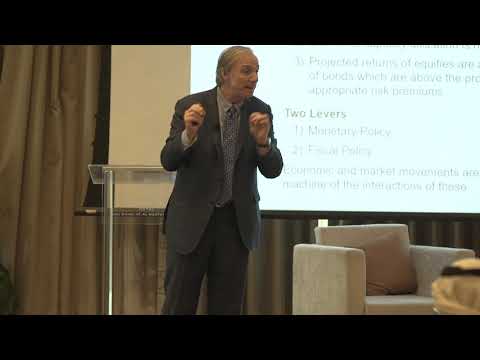
Ray Dalio (Bridgewater Founder) - Ray Dalio Explaining Principles of Investing (Dec 17, 2020)
Ray Dalio's economic and investment philosophy centers on systematic decision-making, understanding cause-and-effect relationships, and recognizing economic cycles to make informed choices. He extends these principles to geopolitics, economic forces, and portfolio management, offering a comprehensive framework for navigating the complexities of global economics, politics, and investment.
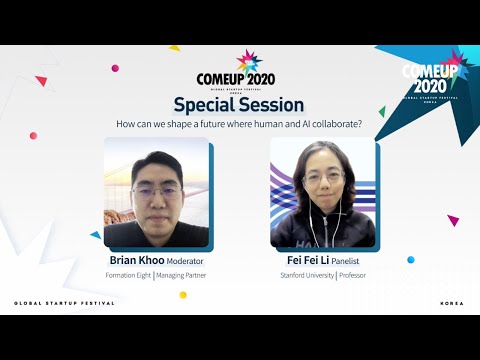
Fei-Fei Li (Stanford Professor) - How can we shape a future where human and AI collaborate? (Nov 2020)
Fei-Fei Lee emphasizes responsible AI innovation, human-centered collaboration, and global partnerships, particularly with Korea, to address societal challenges and shape a socially responsible technology landscape. AI's potential in healthcare for aging seniors and the need for ethical considerations in AI development are also highlighted.
Ruth Porat (Alphabet CFO) - Rebuilding a Post-Pandemic Economy (Nov 2020)
The global response to the COVID-19 pandemic has been multifaceted, encompassing healthcare, economic strategies, technology advancements, and social impacts. Key takeaways emphasize the importance of public-private partnerships, addressing climate change, education, and poverty, and the evolving geopolitical landscape.
Jennifer Doudna (UC Berkeley Professor) - Rosalind Franklin Society presents the Women in Science Webinar (Nov 2020)
Jennifer Doudna's work in developing the CRISPR technology revolutionized gene editing, potentially transforming medicine, agriculture, and more. Doudna's ethical leadership and commitment to mentoring are as important as her scientific achievements.
Vitalik Buterin (Ethereum Co-founder) - Conversation with Brian Armstrong, Coinbase (Nov 2020)
Ethereum's evolution involves the Ethereum Foundation, ETH2 upgrade, Vitalik Buterin's leadership, and DeFi, aiming to improve scalability, security, and privacy while balancing adoption and community involvement. The shift to a Proof-of-Stake consensus mechanism and Layer 2 scaling solutions like rollups are key to achieving these goals.

Nathan Myhrvold (Intellectual Ventures Co-founder) - Tech, Travel, and Cuisine Innovations (Nov 2020)
Nathan Myhrvold's innovative approaches to photography, paleontology, and culinary science demonstrate his ability to integrate diverse disciplines and challenge traditional boundaries. Myhrvold's work showcases his interdisciplinary knowledge and curiosity, pushing the boundaries of each field and enriching our understanding of the natural world and human creativity.
Nassim Nicholas Taleb (Scholar Investor) - Interview with Massimo Sideri (Nov 2020)
Uncertainty is a defining element of human existence, but embracing it can lead to advantages and growth. Taleb's "Incerto" offers a unique perspective on uncertainty, combining scientific rigor and literary freedom to explore its complexities.
Prince Turki Al Faisal (Saudi Arabia Former Government Official) - Beirut Institute Summit e-Policy Circle 21 (Nov 2020)
The world is experiencing a complex geopolitical landscape shaped by the US presidential election, regional conflicts, China's rising influence, and global strategic pause. Key players like the US, China, and Saudi Arabia will determine the future of global politics and economics.

Raghuram Rajan (University of Chicago Professor) - BQ Conversations With Former RBI Governor Raghuram Rajan (Nov 2020)
India's proposal to allow corporates into banking faces challenges and risks, including self-lending, concentration of power, and governance issues. Focus should be on improving regulatory framework and addressing root causes of current banking system issues.
Jennifer Doudna (UC Berkeley Professor) - UC Davis Research Lecture (Nov 2020)
CRISPR technology, exemplified by CRISPR-Cas9, has revolutionized biology and medicine, offering opportunities for gene editing, diagnostics, and treatment of genetic diseases, but challenges remain, including off-target effects, ethical considerations, and accessibility. CRISPR-based diagnostics, particularly for COVID-19, offer rapid, sensitive, and cost-effective pathogen detection, while CRISPR-Cas12a shows promise in gene editing and viral detection.

Gwynne Shotwell (SpaceX President) - SpaceGen Summit (Nov 2020)
Gwynne Shotwell, President and COO of SpaceX, has led the development of groundbreaking technologies like Starship and Starlink, while emphasizing safety and sustainability in space exploration. Shotwell's leadership has transformed SpaceX into a pioneer in space transportation, inspiring a new generation to engage with space exploration.
Jennifer Doudna (UC Berkeley Professor) - A Conversation with Nobel Laureate Doudna and NIH Director Collins (Oct 2020)
CRISPR-Cas9, a gene-editing tool derived from bacteria, revolutionizes genetic research, diagnostics, and therapeutics, while also raising ethical debates and delivery challenges. Ethical stewardship is vital as CRISPR-Cas9's applicability expands, particularly in germline editing, to ensure equitable benefits and mitigate unintended consequences.

Vitalik Buterin (Ethereum Co-founder) - Designing Ethereum (Oct 2020)
Ethereum 2.0, with proof-of-stake and sharding, aims to improve scalability, energy efficiency, and democratic participation, while preserving Ethereum's core values of permissionlessness, decentralization, and value-based governance. Rollups and EIP-1559 further enhance scalability and security, positioning Ethereum as a resilient and versatile platform for a wide range of applications.
Nassim Nicholas Taleb (Scholar Investor) - Statistical consequences of fat tails | Amazon Consumer Science Summit (Oct 2020)
Fat tails, unlike thin tails, do not conform to the law of large numbers in the same manner, leading to slower convergence of sample statistics and challenging traditional statistical methods. Fat tails require specialized techniques and a paradigm shift in statistical thinking to accurately capture extreme events and make robust decisions.
Jennifer Doudna (UC Berkeley Professor) - Career Discussion and Q&A | SciLifeLab Stockholm (Oct 2020)
Jennifer Doudna's scientific journey is marked by resilience, innovation, and impact, leading to transformative discoveries in genetics and gene editing, particularly with CRISPR-Cas9. Doudna's path was shaped by early influences, mentorships, and her fearless exploration of uncharted scientific territories, emphasizing the importance of interdisciplinary collaboration and embracing challenges.
Fei-Fei Li (Stanford Professor) - Rise of Digital Authoritarianism (Oct 2020)
Dr. Fei-Fei Li advocates for human-centered AI that respects human values and rights, addressing ethical and societal challenges posed by AI. Her work focuses on collaboration, equity, and the responsible development of AI to benefit humanity and safeguard human rights.
Jeff Dean (Google Senior Fellow) - Virtual Tech Talk @ UT Austin (Oct 2020)
Deep learning and machine learning are transforming society and engineering by addressing grand challenges, from healthcare to autonomous vehicles. Ethical and responsible AI development is crucial for the next wave of AI innovation.

Ruth Porat (Alphabet CFO) - The David Rubenstein Show (Sep 2020)
Ruth Porat's rise from Wall Street to CFO of Alphabet showcases her exceptional financial acumen, groundbreaking leadership, and commitment to innovation and diversity, while her stewardship of Google during the COVID-19 pandemic exemplified her strategic financial leadership. Porat emphasizes Google's commitment to regulatory engagement, competition promotion, and showcasing the benefits of its services amidst concerns about tech dominance.
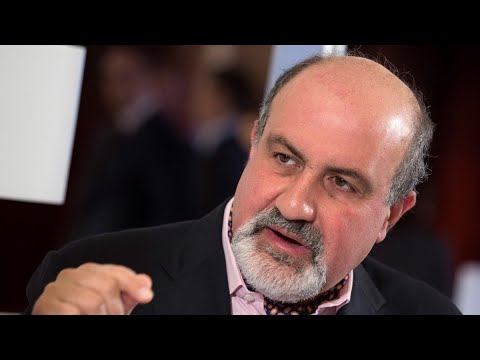
Nassim Nicholas Taleb (Scholar Investor) - Covid Misconceptions, Fed Policy, Inflation | Bloomberg (Sep 2020)
Nassim Taleb emphasized the need for resilience and prudent risk management during crises, advocating for tail-risk hedging and learning from history to prepare for future pandemics and global disruptions. He also criticized the US's COVID-19 response and the Federal Reserve's monetary policies, highlighting the importance of local production of essential goods and addressing supply chain fragilities.

Bill Gates (Gates Foundation Co-founder) - Bill Gates, Michael Dell, and Steve Ballmer talk about coronavirus, success, and life (Sep 2020)
Steve Ballmer stressed the importance of data and innovation, along with Bill Gates' critical role in addressing the pandemic's health and economic impacts through his insights and philanthropy.
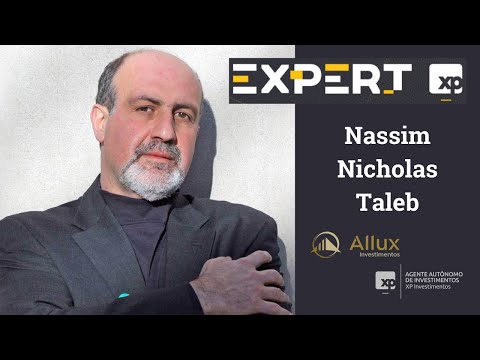
Nassim Nicholas Taleb (Scholar Investor) - Antifragility and Skin in the Game (Sep 2020)
Nassim Nicholas Taleb's investment approach emphasizes preparedness for low-probability, high-impact events and embraces volatility. His barbell strategy balances low-risk stability with high-risk growth potential, while his emphasis on gold and dollars has shown success in turbulent economic times.
Robin Hayes (JetBlue CEO) - Boston College Chief Executives Club (Sep 2020)
JetBlue navigated pandemic challenges with safety measures, community involvement, financial strategies, and sustainability initiatives. The airline formed a strategic alliance with American Airlines to expand reach and offer more destinations.
Jennifer Doudna (UC Berkeley Professor) - PBS Nova (Sep 2020)
CRISPR-Cas9 technology allows precise alterations to DNA, showing promise for treating genetic diseases like sickle cell anemia but also raising ethical concerns including the potential for misuse and unintended consequences. The combination of CRISPR and AI/ML has the potential to revolutionize genome editing and make it a more powerful and accessible tool for researchers and clinicians.
Bill Gates (Gates Foundation) - on the World Ahead (Sep 24, 2020)
Bill Gates criticizes the U.S.'s handling of the COVID-19 pandemic, highlighting inadequacies in preparedness, diagnostics, and social equity, while also noting the country's strength in R&D funding. He offers a roadmap for future pandemic preparedness that involves policy reevaluation, technology integration, and a focus on global and domestic equity.

Vitalik Buterin (Ethereum Co-founder) - Ethereal Virtual Summit (Aug 2020)
Ethereum, with its upcoming transition to ETH2, aims to address broader issues like censorship and trust while also improving DeFi's usability and scalability for a wider range of applications. ETH2's enhanced scalability would enable new applications, such as enterprise use cases and non-financial applications, with lower transaction fees.

Jennifer Doudna (UC Berkeley Professor) - CRISPR Office Hours (Aug 2020)
CRISPR technology is revolutionizing biology and medicine, offering precise gene editing, viral diagnostics, and potential cures for genetic diseases. CRISPR-based diagnostics are promising tools for rapid and accurate detection of viruses, aiding in pandemic responses and public health.
Hal Varian (Google Chief Economist) - Procreation vs Automation, UCL Economics Conference (2020)
Automation, aging populations, and declining birth rates are reshaping the labor market, leading to shifts in job roles, labor demand, and supply. Preparing the workforce through education, training, and technology adoption is crucial to navigate the evolving labor landscape.
Elon Musk (SpaceX Co-Founder) - Mars Society Virtual Convention (October 15th, 2020)
Elon Musk presents a comprehensive strategy for Mars colonization, aiming to make humanity a multi-planetary species through technological innovations like reusable rockets and in-situ propellant production. While acknowledging inherent risks and engineering challenges, he stresses the need for exponential innovation rates, significant human capital, and broad societal involvement to achieve a self-sustaining Martian city.
Bill Gates (Gates Foundation) - TIME100 Talks (Jul 30, 2020)
Bill Gates advocates for a unified, global approach to managing pandemics, emphasizing the need for U.S. leadership and multi-sector collaboration involving public policy, private industry, and philanthropy. He critiques various shortcomings in the U.S. response to COVID-19 but remains optimistic about future improvements, stressing the importance of robust testing, vaccine distribution equity, and combating misinformation.
Prince Turki Al Faisal (Saudi Arabia Former Government Official) - Interview with Ricardo Karam (Jul 2020)
Prince Turki Al-Faisal reflects on his upbringing, family heritage, and the evolving significance of Saudi Arabia in the modern world. Prince Turki addresses the modern challenge of misinformation, exacerbated by the role of social media in spreading propaganda.
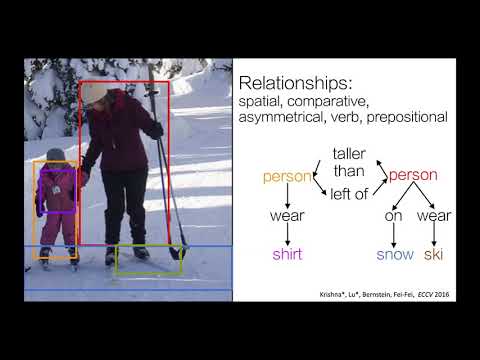
Fei-Fei Li (Stanford Professor) - Octopus, Kittens & Babies (Jul 2020)
Computer vision connects perception and action in AI and robotics, enabling systems to interact with the environment like living beings. Neuroscience and deep learning form the foundation of today's AI, driving progress in image captioning, scene graphs, active vision, and embodied intelligence.
Satya Nadella (Microsoft CEO) - Discussion with Sal Khan (Jul 2020)
Satya Nadella emphasizes humility, curiosity, and a growth mindset for success, fostering a culture of innovation and agility at Microsoft. Balancing stakeholder interests and embracing digital transformation, he navigates challenges and promotes social impact through technology.
Bill Gates (Gates Foundation) - How the pandemic will shape the near future | TED (June 29, 2020)
Bill Gates provides a comprehensive analysis of the multifaceted challenges posed by COVID-19, emphasizing the importance of policy, international coordination, and responsible individual behavior in managing high potential death rates and vulnerable populations. He also delves into the complexities of vaccine development, the ethical implications of mask-wearing, the role of leadership and expertise, and the necessity for effective philanthropy in navigating the pandemic's evolving landscape.
John Hennessy (Alphabet Chairman) - 25 Years of John Hennessy and David Patterson (Jun 2020)
The Boston Computer Museum preserves the history of computing technology, showcasing artifacts like the Johnny Ack machine and Cray supercomputers. Hennessy and Patterson's RISC project revolutionized computer architecture, leading to the development of SPARC and RAID technologies.
Jennifer Doudna (UC Berkeley Professor) - ARK Invest Interview (Jun 2020)
CRISPR-Cas9 is a genome editing technology that allows for targeted changes to DNA, holding promise for treating genetic diseases and tackling global health challenges. Its versatility and convergence with other technologies, such as DNA sequencing and AI, have the potential to revolutionize healthcare.
Vinod Khosla (Khosla Ventures Founder) - Technology Benefiting Society (Jun 2020)
Vinod Khosla emphasizes the importance of proactive anti-racism and addressing systemic issues, while also advocating for technology's role in solving social issues and transforming industries like healthcare and education. Khosla's approach to entrepreneurship, lifelong learning, and accountability serves as a blueprint for innovation and addressing global challenges.
Satya Nadella (Microsoft CEO) - Munich School of Robotics and Machine Intelligence (Jun 2020)
AI is transforming society, employment, and education, but responsible development is crucial to ensure it empowers humanity rather than exacerbates inequalities. Universities must prepare students for AI's future by teaching ethics, design principles, and engineering constructs.
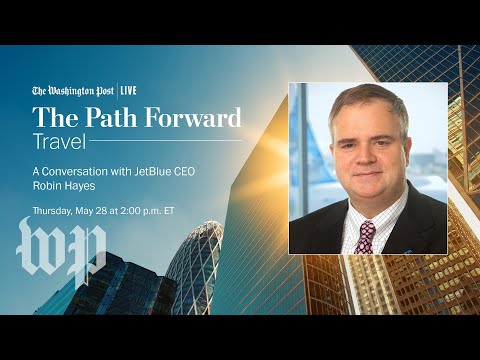
Robin Hayes (JetBlue CEO) - On Covid-19 pandemic and the Airline Industry (May 2020)
The airline industry has implemented comprehensive safety measures to foster passenger confidence amid COVID-19, including JetBlue's "Safety from the Ground Up" program. Industry challenges include social distancing in airports, seat configurations, and the slow recovery of business travel.

Ratan Tata (Tata Group Chairman Emeritus) - Ratan Tata Exclusive (May 2020)
Entrepreneurs face unprecedented challenges and opportunities in the post-pandemic world, requiring resilience, adaptability, and innovation to thrive. The pandemic has catalyzed a shift toward digitalization, remote work, and innovation, creating opportunities for entrepreneurs to transform industries and redefine consumer expectations.
Raghuram Rajan (University of Chicago Professor) - BBC Interview (May 2020)
The COVID-19 pandemic has varied economic impacts worldwide, leading to a debate on recovery strategies and challenges. Raghuram Rajan emphasizes cautious use of debt, targeted spending, and economic transformation, while addressing concerns of inequality and sustainability.
Prince Turki Al Faisal (Saudi Arabia Former Government Official) - Stability Redefined (May 2020)
The COVID-19 pandemic and geopolitical shifts have redefined stability, causing economic difficulties and geopolitical tensions, requiring global cooperation and effective strategies to address these challenges. Iran's economic downfall and mishandling of the COVID-19 crisis have influenced its regional policies and ambitions, potentially leading to increased tensions with the United States.

Melinda Gates (Gates Foundation) - coronavirus, rebuilding the economy, and the lack of leadership in the US (May 11, 2020)
Melinda Gates advocates for a multi-faceted approach to address the COVID-19 pandemic, emphasizing the critical role of caregiving in economic recovery and calling for more robust U.S. federal policies. She outlines the Gates Foundation's significant financial contributions to health initiatives and stresses the importance of equity and collaboration across various sectors, including education and global health.

Graham Allison (Harvard University Professor) - In War Against Coronavirus (Apr 2020)
Graham Allison's insights emphasize strategic cooperation and balanced competition between the US and China to avoid conflict and promote mutual progress in a rapidly changing world order. Allison's analysis highlights the need to address mutual existential threats and find common ground for cooperation while acknowledging the complexity and challenges of managing this dynamic relationship.
Raghuram Rajan (University of Chicago Professor) - Conversation with Rahul Gandhi on Covid-19 (Apr 2020)
India faces challenges in reopening its economy amidst COVID-19, requiring strategic approaches, testing, public health measures, and support for vulnerable populations. Decentralization, global leadership, and addressing inequality are crucial for long-term economic health.
Bill Gates (Gates Foundation) - Code Break 5.0 (April 22, 2020)
Code.org's "Code Break" event served as a large-scale interactive digital classroom, featuring topics from disease simulation to technology's role in crisis management and education, with special guest Bill Gates. Aimed at fostering global digital literacy, the event engaged a diverse, worldwide audience through live Q&A, coding exercises, and discussions on the real-world applications of coding skills.
Ray Dalio (Bridgewater Founder) - What coronavirus means for the global economy (Apr 8, 2020)
Ray Dalio characterizes the current global situation as a "defining moment," likening it to economic and societal upheavals of the past, particularly the 1930-1945 era, and identifies four key economic drivers, the role of politics, and potential tools for recovery. He emphasizes the importance of human adaptability in overcoming crises, while cautioning that the crisis may lead to long-term structural changes, disparate global impact, and necessitates systemic reform in capitalism.
Nassim Nicholas Taleb (Scholar Investor) - Skin in the Game | Art of Manliness Podcast (Mar 2020)
Ethical decision-making involves considering the long-term consequences of actions and bearing the consequences of one's own choices, while rationality is often defined in terms of survival and can involve following instincts and rules that may seem irrational.
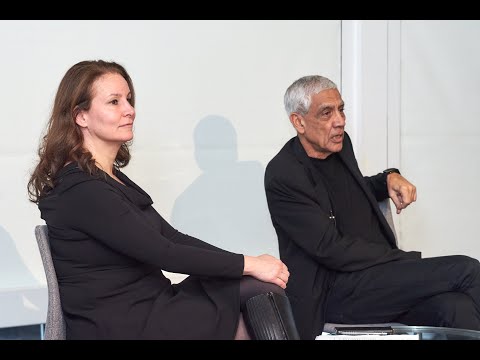
Vinod Khosla (Khosla Ventures Founder) - Deep Tech Health | ApplySci Silicon Valley (Mar 2020)
AI's increasing role in healthcare promises enhanced efficiency and accuracy in medical interventions, from disease detection to personalized treatments. By harnessing data and sensors, AI is revolutionizing healthcare and redefining the roles of healthcare providers.
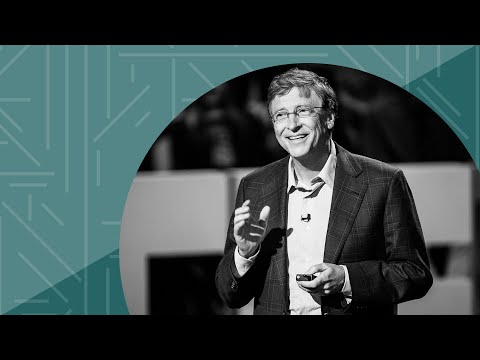
Bill Gates (Gates Foundation) - How we must respond to the coronavirus pandemic | TED (March 24, 2020)
In an extensive interview, Bill Gates discussed the multifaceted challenges of the COVID-19 pandemic, emphasizing the need for a data-driven, cohesive strategy that includes mass testing, stringent isolation, and global collaboration. He also stressed the vital roles of technology and economic considerations, criticized the world's lack of pandemic preparedness, and urged a balanced focus on public health and economic impacts.
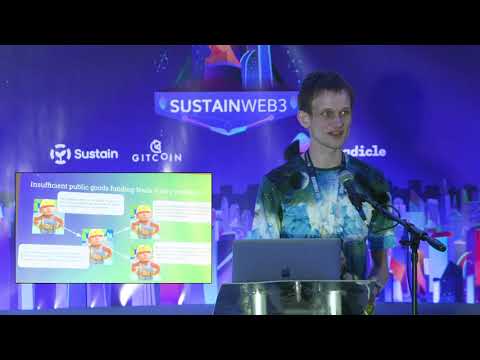
Vitalik Buterin (Ethereum Co-founder) - SustainWeb3 (Feb 2020)
Cypherpunks focused on one-to-one transactions and overlooked the importance of public goods, leading to a funding gap in digital spheres. Lack of adequate public goods funding affects resource allocation and aligns incentives toward profit-driven ventures.

Satya Nadella (Microsoft CEO) - Future Decoded Mumbai CEO Summit (Feb 2020)
India's digital transformation is driven by a large internet and smartphone user base, and partnerships like TCS and Microsoft are accelerating innovation and productivity. India's rapid digital adoption and strategic partnerships are redefining its position as a key player in shaping the digital era.
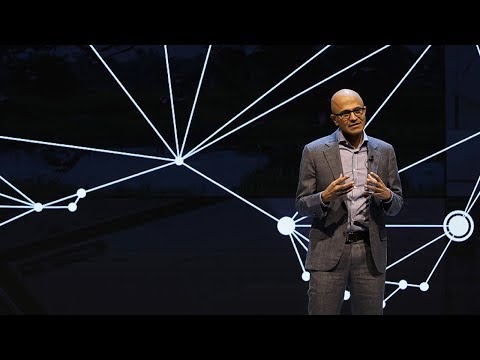
Satya Nadella (Microsoft CEO) - Microsoft Innovate conference, Australia (Feb 2020)
Microsoft envisions a future shaped by intelligent cloud and edge computing, robust cybersecurity, and empowering developer tools. The company aims to harness technology's potential to drive societal transformation and empower organizations to build tech intensity by creating digital IP and controlling their data.
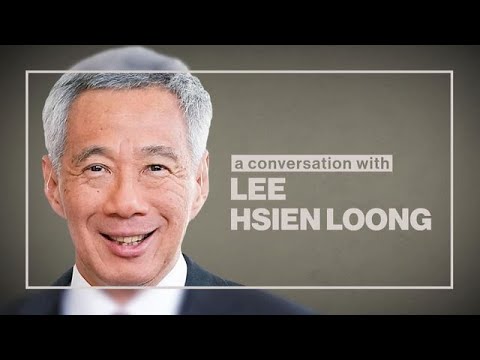
Lee Hsien Loong (Singapore Prime Minister) - Bloomberg Interview (Feb 2020)
Singapore's Prime Minister, Lee Hsien Loong, advocates for a balanced approach in navigating the US-China rivalry, emphasizing careful evaluation and independent decision-making. Lee also recognizes China's growing influence in Southeast Asia while stressing the importance of ASEAN's independence and cooperation with both superpowers.
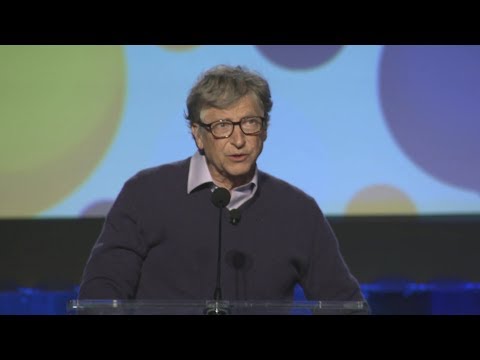
Bill Gates (Gates Foundation) - "How Gene Editing, AI Can Benefit World's Poorest" @ American Association for the Advancement of Science (Feb 14, 2020)
Bill Gates has made significant contributions to various fields, including technology, philanthropy, and global health, through co-founding Microsoft and the Bill and Melinda Gates Foundation, which addresses issues like health inequities, climate change, and education. His work represents a nuanced understanding of contemporary challenges, from the role of technology like AI and gene editing in healthcare to issues of misinformation and skepticism in public discourse, serving as a case study in multi-disciplinary problem-solving.

Sundar Pichai (Alphabet/Google CEO) & Ruth Porat (Alphabet/Google CFO)- Alphabet 2019 Q4 Earnings Call (Feb 3, 2020)
Alphabet Inc. exhibited strong financial growth in 2019, mainly driven by Google Search, YouTube, and Google Cloud, and is focusing on long-term strategies that include investments in AI, cloud computing, and diversification into healthcare. The company aims to balance growth with challenges like revenue variability and risks associated with new ventures, while emphasizing user safety and trust across its platforms.
Satya Nadella (Microsoft CEO) - Discussing business applications (as CVP of the Dynamics Team) (Jan 2020)
Microsoft's strategic focus on end-user experience, customizable apps, and strong developer ecosystem makes it a major player in the business applications market. Under Satya Nadella's leadership, Microsoft aims to streamline business processes and promote specialization in the SMB market through ecosystem collaboration.
Sebastian Thrun (Kitty Hawk Corporation CEO) - Future of Flight (Jan 2020)
Self-driving cars offer safety and efficiency advantages over human drivers, but they may not solve urban congestion. Personal aerial vehicles, inspired by flying cars, could revolutionize urban transportation by reducing commute times and costs.
Nassim Nicholas Taleb (Scholar Investor) - Current Lebanese Political and Economic Situation (Jan 2020)
Lebanon's economic crisis stems from unsustainable borrowing, patronage system, and banks' involvement, while Riyad Salameh advocates for subsidiarity, localism, and rejection of failed socialist policies to address these challenges.

Geoffrey Hinton (Google Scientific Advisor) - Heidelberg Laureate Forum (Jan 2020)
Geoffrey Hinton's intellectual journey, marked by early curiosity and rebellion, led him to challenge conventional norms and make groundbreaking contributions to artificial intelligence, notably in neural networks and backpropagation. Despite initial skepticism and opposition, his unwavering dedication and perseverance revolutionized the field of AI.
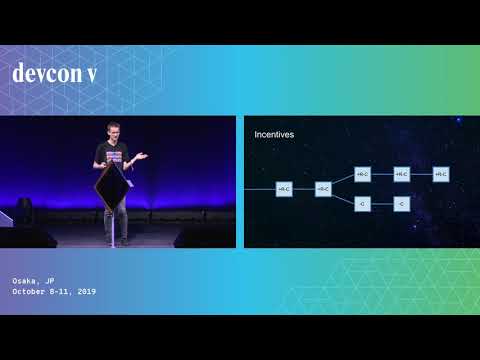
Vitalik Buterin (Ethereum Co-founder) - Cryptoeconomics in 30 Minutes (Dec 2019)
Crypto-economics, which combines economic incentives with cryptographic security, has revolutionized blockchain technology, enabling secure and efficient systems like Ethereum. Scalability solutions such as interactive computation and zk-SNARKs enhance blockchain performance by verifying complex computations off-chain.
Stan Druckenmiller (Duquesne Capital Management Founder) - 2020 Outlook, Monetary Policy, U.S. Election | Bloomberg (Dec 2019)
Stanley Druckenmiller's market outlook is positive in the short term due to monetary and fiscal stimuli, but he is critical of the Federal Reserve's policies and sees risks in tight monetary policy and credit problems. His investment strategies favor equities, commodities, and certain currencies, while he is skeptical of energy sectors and fixed income.

Vitalik Buterin (Ethereum Co-founder) - "The Portal", Ep. #012 - The Ethereal Prince and His Virtual Machine (Dec 2019)
Blockchain technology offers innovative solutions for governance, public goods funding, and education, while also challenging traditional concepts of immutability and security. Despite its potential, the complexity and fragmentation within the crypto space call for improved accessibility of information and a focus on decentralization.
Eric Schmidt (Schmidt Futures Co-Founder) - Conversation With alexandr Wang (Dec 2019)
Eric Schmidt, former Google CEO, emphasizes the transformative power of Artificial Intelligence (AI) in various sectors, including economic growth and national security, while also highlighting the ethical and geopolitical challenges it presents. He calls for urgent, multi-sector collaboration to harness AI's potential responsibly, particularly in the context of rising competition between the U.S. and China.
Peter Thiel (Facebook Board of Directors) - Ronald Reagan National Defense Forum (Dec 2019)
Venture capital significantly influences the defense sector, providing funding and expertise for cutting-edge technologies. The rise of China as a technological rival intensifies the global tech race, especially in AI and space exploration, highlighting the need for effective collaboration between Silicon Valley and the military.
Elon Musk (SpaceX Co-founder) - lecture at the Royal Aeronautical Society (Nov 2019)
The article outlines Elon Musk's comprehensive vision for SpaceX, tracing its journey from early failures to pioneering rocket reusability and aiming for Mars colonization. It emphasizes the key roles of technological innovation, economic efficiency, and reliability in SpaceX's evolving business model and its broader mission to make space travel more accessible and sustainable.

Steven Chu (Stanford Professor) - Science and Technology Caught Between US and China (Nov 2019)
Dr. Morgan Chu emphasizes the importance of real-life experiences, collective responsibility, and ethical considerations in science for societal progress. Science and societal values influence each other, necessitating an understanding of historical contexts and ethical dimensions for responsible outcomes.
Andy Bechtolsheim (Sun Microsystems Co-Founder) - AI Based Innovation (Nov 2019)
AI's transformative evolution, including advancements in image recognition and AI chips, has reshaped sectors like healthcare and education, offering an economic opportunity up to $15 trillion.
Jeff Dean (Google Senior Fellow) - O'Reilly Conference (Nov 2019)
Machine learning's rapid growth and versatility have led to advancements in computer vision, speech recognition, and autonomous vehicles, while addressing challenges like aging infrastructure and healthcare disparities. Google's emphasis on ethical AI principles ensures responsible usage and societal welfare.
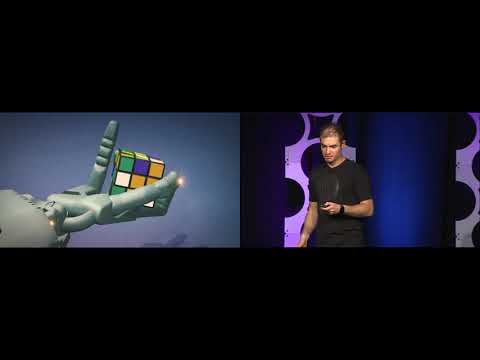
Ilya Sutskever (OpenAI Co-founder) - Vector's Evolution of Deep Learning Symposium (Nov 2019)
Ilya Sutskever's contributions to deep learning and reinforcement learning have shaped the AI landscape, from AlexNet's development to OpenAI's Dota bot's achievement. AI's potential in gaming, robotics, and language processing showcases its transformative impact across sectors.
Ray Dalio (Bridgewater Founder) - Interview With Tom Bilyeu (Nov 26, 2019)
Ray Dalio's philosophy centers on the importance of facing setbacks, humility, and continuous learning for both personal and professional success. He advocates for radical transparency, principle-based decision-making, and mental alignment, emphasizing their universal applicability for effective problem-solving and fulfillment in various aspects of life.
Bill Gates (Gates Foundation) - Bill Gates on AI, Climate, Carbon Tax, Nuclear Power, China (Nov 21, 2019)
Bill Gates outlines a comprehensive approach to combating climate change that emphasizes the need for a diversified energy portfolio, public awareness, and global cooperation. He advocates for innovation in renewable and nuclear energy, acknowledges the complexities of policy and public perception, and stresses the importance of tackling emissions across industrial and agricultural sectors.
Bill Gates (Gates Foundation) - Conversation with Rishad Premji, Chaiman, Wipro (Nov 18, 2019)
In a series of discussions, Bill Gates focused on two main themes: the role of technology in addressing social challenges in India and the urgency of tackling climate change through innovation. While emphasizing the transformative power of technology in areas like healthcare and education, Gates also underscored the need for ethical considerations and global cooperation to balance industrial growth with sustainability.
Ray Dalio (Bridgewater Founder) - Interview With Patrick Bet-David (Nov 15, 2019)
Ray Dalio, founder of Bridgewater Associates, emphasizes the importance of risk management and diversification in investing while also addressing geopolitical complexities, particularly U.S.-China relations, and social issues like America's widening wealth gap. He advocates for a multifaceted approach to both finance and life, stressing the need for humility, open-mindedness, and adaptability in systems like capitalism and socialism.
Ray Dalio (Not provided in the text Not provided in the text) - Ray Dalio & India’s PM Narendra Modi Discuss Meditation, the World, and India (Nov 7, 2019)
Ray Dalio emphasizes the role of mindfulness and meditation in balanced decision-making and conflict resolution, while also discussing the shift to a multipolar world and the need for institutional reforms. An unidentified Indian leader offers a governance model rooted in personal experience with poverty, advocating for the transformative power of human capital in both domestic and global contexts.

Fei-Fei Li (Stanford Professor) - Who would change AI? (Oct 2019)
Diverse leaders like Tali, Sophia, and Becca are shaping AI towards inclusivity and broader societal good, emphasizing the importance of diverse perspectives in AI development. Fei-Fei Li advocates for diverse thinkers in AI to create technologies that truly serve society's needs and address the dual nature of technology.

Sam Altman (OpenAI Co-Founder) & Greg Brockman (OpenAI Co-Founder) - Beyond AI (Oct 2019)
OpenAI aims to develop Artificial General Intelligence (AGI) that can tackle global challenges and is guided by a unique business model that balances profit with societal benefit. The journey involves significant technical hurdles, ethical considerations, and strategic partnerships, like the one with Microsoft, to stay at the forefront of AI innovation.

Robert Smith (Vista Equity Partners Founder) - Remarks at The New York Academy of Medicine (Oct 2019)
Robert F. Smith's visionary philanthropy emphasizes comprehensive healthcare, education, historical preservation, and social justice, aiming to address health disparities and empower African American communities. His commitment to preserving African American history, ensuring equal access to education and healthcare, and promoting diversity in technology showcases the transformative potential of targeted philanthropy.
Jennifer Doudna (UC Berkeley Professor) - Into the Future with CRISPR Technology (Oct 2019)
CRISPR-Cas9 revolutionized genome engineering, allowing precise DNA editing and opening up new possibilities in medicine, agriculture, and biotechnology. CRISPR's simplicity and wide applicability have fueled rapid adoption across diverse fields of research and biotechnology.
Nassim Nicholas Taleb (Scholar Investor) - Skin in the Game (Oct 2019)
Understanding risk, appearance, and craftsmanship in modern economics is crucial, as personal accountability and risk-taking shape financial decisions and passion and attention to detail create meaningful products.
Vinod Khosla (Khosla Ventures Founder) - AI in Healthcare Lecture (Oct 2019)
Vinod Khosla seeks to revolutionize healthcare through technology, advocating for evidence-based medicine and viewing healthcare as an engineering problem, while investing in companies with disruptive technologies and strong teams.

Dean Kamen (Deka Research Founder) - Righteous Media Podcast (Oct 2019)
Dean Kamen's innovative mobility devices, like the iBot wheelchair, have revolutionized mobility for individuals with disabilities, while his work with DARPA has advanced prosthetic technology. Despite regulatory challenges, Kamen advocates for responsible integration of new technologies and inspires young minds through his FIRST Robotics program.

Rodney Brooks (Robust.ai Co-founder) - Unix50 - The Great Robot Migration from Embedded Isles to Unix-ville (Oct 2019)
Robots have evolved from simple machines to sophisticated entities capable of navigating complex environments, and Unix-based operating systems have become the dominant platform for robot control due to their versatility and computational power.
Ray Dalio (Bridgewater Founder) - CNBC Asia Interview (Sep 28, 2019)
Ray Dalio highlights impending paradigm shifts in financial markets and the diminishing efficacy of traditional monetary policies in steering global economies. He emphasizes the importance of adaptability and portfolio diversification, while also drawing attention to escalating U.S.-China tensions and structural challenges that complicate the economic landscape.
Fei-Fei Li (Stanford Professor) - Evening Day 5 (Sep 2019)
Fei-Fei Li, a leader in computer vision, revolutionized the field with ImageNet and fostered global collaboration, especially in underrepresented regions like Africa. Her work emphasizes ethical AI and human values, inspiring a vision for a more inclusive and interconnected future in technology.
Eric Schmidt (Alphabet Inc. Technical Advisor) - Udacity Thought Leader Series (Sep 2019)
Eric Schmidt's leadership at Google fostered a culture of innovation and productivity by nurturing a supportive work environment and empowering employees. Schmidt's insights on AI, digital transformation, and education highlight the challenges and opportunities of the digital age, emphasizing the need for ethical leadership and human-centric approaches.
Vitalik Buterin (Ethereum Co-founder) - Overview of Ethereum 2.0 (Sep 2019)
Ethereum 2.0 is a significant upgrade to the Ethereum blockchain, featuring Proof-of-Stake, sharding, and enhanced security mechanisms. Ethereum 2.0's scalability and efficiency improvements aim to widen blockchain adoption and make it a viable option for a broader range of industries.
Peter Thiel (Facebook Board of Directors) - The Straussian Moment (Sep 2019)
Peter Thiel observed a concerning shift from rationalism to entertainment and criticized the devaluation of intellectual engagement and political participation in modern culture. He also discussed the adversarial nature of politics and the need to acknowledge violence's role in human nature.
John Hennessy (Alphabet Chairman) - Heidelberg Laureate Forum (Sep 2019)
John Hennessy, born in New York and raised in Long Island, became a pioneer in computer science through his work on RISC technology and contributions to Silicon Valley's growth. Hennessy's transition from research to administration shows the balance between maintaining scholarly rigor and embracing leadership.
Geoffrey Hinton (Google Scientific Advisor) - The AI Revolution | Toronto Global Forum (Sep 2019)
Deep learning, inspired by the human brain, has revolutionized AI, leading to advancements in diverse fields, but its future depends on ethical practices, regulation, and international cooperation.

Bill Gates (Gates Foundation) - Voice of America Interview (Sep 17, 2019)
In his annual Goalkeepers Report, Bill Gates highlighted the critical role of Sustainable Development Goals (SDGs) in addressing global disparities in health and education, emphasizing the need for government and community involvement. While celebrating milestones like Nigeria's three-year polio-free record, Gates underscored ongoing challenges and called for a multifaceted approach involving best practices, climate change mitigation, and targeted interventions.

Sebastian Thrun (Stanford Adjunct Professor) - World Future Society (Aug 2019)
Sebastian Thrun's views on AI and technology revolve around its potential to revolutionize various aspects of human life and augment human capabilities, leading to a "superhuman" future. He emphasizes the need for responsible usage and open dialogue to ensure technology benefits humanity and addresses global challenges.
Sam Altman (Y Combinator President and OpenAI Co-Founder) - Interview with Kevin Scott, Microsoft CTO (Aug 2019)
In the "Behind the Tech" podcast, Sam Altman, leader of OpenAI, discusses the importance of intellectual breadth for career success and urges ethical stewardship in the development and application of artificial intelligence. He shares lessons from his diverse career, emphasizing the role of networking, resilience, and effective communication in entrepreneurial success while advocating for broad-based public engagement in shaping AI's future.
Vinod Khosla (Khosla Ventures Founder) - IIT Delhi (Aug 2019)
Vinod Khosla envisions a future transformed by AI, autonomous vehicles, 3D printing, and innovative approaches to healthcare, transportation, manufacturing, and education. He emphasizes the role of entrepreneurs and technology in revolutionizing societal infrastructure and improving quality of life for all.

Robert Smith (Vista Equity Partners Founder) - Fireside Chat with Byron Allen & Robert Smith | 2019 Greenwich Economic Forum (2019)
Byron Allen overcame early challenges and financial struggles to build a media empire, focusing on content and strategic partnerships. He sees content as the new oil and aims to become the "Rockefeller of content."
Greg Brockman (OpenAI Co-founder) - AI at the Cutting Edge - MIT AI Conference 2019 (2019)
AI investment strategies focus on scaling systems and computing power, while ethical considerations shape responsible research practices and technology release. OpenAI's journey exemplifies the balancing act between innovation and responsibility in AI development, impacting research norms and public perceptions of AI's capabilities.
Jeff Dean (Google Senior Fellow) - Deep Learning to Solve Challenging Problems (2019)
Jeff Dean's innovations in machine learning and AI have led to transformative changes across various domains, including healthcare, robotics, and climate change. Google's commitment to AI for societal betterment balances technological progression with ethical considerations.
Ray Dalio (Bridgewater Founder) - The David Rubenstein Show (Sept. 5, 2019)
Ray Dalio, founder of Bridgewater Associates, discusses the complexities of the modern economic landscape, including the diminishing role of central banks, the challenges in predicting recessions, and the societal ramifications of a widening wealth gap. His principles-based approach to decision-making and investment strategies is deeply influenced by his personal philosophy and past mistakes, and extends beyond finance to shape his firm's culture and his diverse philanthropic efforts.
Mark Zuckerberg (Facebook Co-founder) - Discussion with Cass Sunstein (Jul 2019)
Regulation is essential for addressing issues of election integrity, data privacy, and user control over personal data, while mergers can drive innovation and reduce costs, benefiting consumers. Self-regulation through independent oversight can help ensure adherence to democratic principles in the digital age.
Lee Hsien Loong (Singapore Prime Minister) - Shangri-La Dialogue Opens (Jun 2019)
A comprehensive research program by IISS focuses on regional and global strategic issues, including cybersecurity, European defense, and Asian dynamics. Southeast Asia's past and current strategic landscape, as well as global cooperation in the face of rising hostility and instability, are highlighted.
Nikesh Arora (Palo Alto Networks CEO) - Ignite 19 Keynote (Jun 2019)
Palo Alto Networks emphasizes constant innovation, collaborative partnerships, and cloud security to address evolving cyber threats, while aiming to secure the enterprise, embrace the cloud, and anticipate industry shifts. The company strives to be an inclusive leader in cybersecurity, offering integrated solutions and promoting data privacy through automation.

Vitalik Buterin (Ethereum Co-founder) - Vitalik Buterin and Vlad Zamfir - Blockchain Scalability Debate (Jun 2019)
Vitalik and Vlad's partnership has revolutionized blockchain technology with their focus on decentralization and the Casper protocol for scalability and efficiency. Blockchain's societal impact is uncertain, depending on legal and political factors, but it has the potential to challenge traditional corporate models and empower individuals.
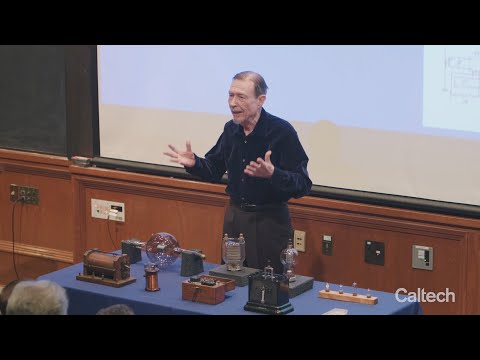
Carver Mead (CalTech Professor) - Lessons from the Early Days of Semiconductors (Jun 2019)
Semiconductor technology evolved from Volta's invention of the voltaic cell to Lilienfeld's pioneering work on the transistor, leading to the development of integrated circuits and ushering in the modern era of electronics.
Jennifer Doudna (UC Berkeley Professor) - Academy of Achievement (Jun 2019)
CRISPR-Cas9 technology revolutionized genome editing, enabling precise manipulation of DNA for disease treatment and fundamental research. The discovery sparked ethical discussions on human embryo editing and the need for responsible use guidelines.
Elon Musk (Tesla, SpaceX, etc) conversation with Todd Howard | E3 (June 2019)
In a discussion at E3, game designer Todd Howard and tech entrepreneur Elon Musk explored the symbiotic relationship between technology and gaming, touching on topics ranging from career journeys to the impact of gaming on AI development. They revealed an ongoing collaboration to integrate "Fallout Shelter" into Tesla cars and discussed the future potential and challenges of in-car gaming, AI in games, and the broader interdependence of their respective industries.
Bill Gates (Microsoft Co-Founder) - Interview @ The Economic Club of Washington DC (June 24, 2019)
Bill Gates advocates for a multifaceted approach to address global challenges, emphasizing climate change solutions through innovation and philanthropy. He also highlights his ongoing role in technology and shares personal insights, stressing the need for targeted financial and political commitments to enact meaningful change.
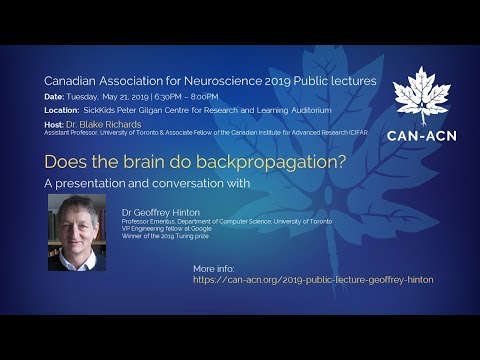
Geoffrey Hinton (Google Scientific Advisor) - Does the brain do backpropogation? (May 2019)
Geoffrey Hinton, a pioneer in deep learning, has made significant contributions to AI and neuroscience, leading to a convergence between the two fields. His work on neural networks, backpropagation, and dropout regularization has not only enhanced AI but also provided insights into understanding the human brain.

Jeff Bezos (Blue Origin Founder) - Spaceflight: Then, Now, and Next (May 2019)
The text discusses the evolving landscape of space exploration, transitioning from its historical significance to its potential role in addressing Earth's resource scarcity and sustainability challenges. Visionaries like Jeff Bezos emphasize the importance of technological advancements and entrepreneurial ventures in space, proposing solutions like space colonies and reusable rockets to pave the way for a sustainable future.
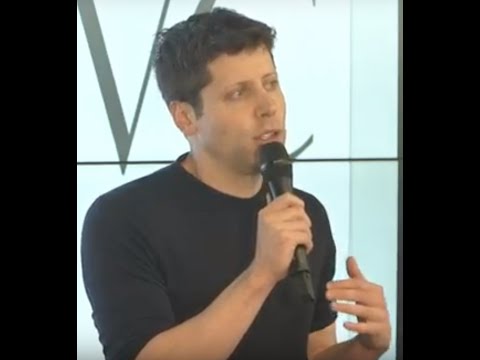
Sam Altman (OpenAI Co-Founder) - in conversation with StrictlyVC (May 2019)
Sam Altman, Chairman of Y Combinator and President of OpenAI, discusses the importance of stable backgrounds for startup success, the efficiency of Y Combinator's selection process, and OpenAI's ethical approach to developing artificial general intelligence. He navigates complex issues in both entrepreneurship and technology, emphasizing hard work, ethical considerations, and the global impact of startups.
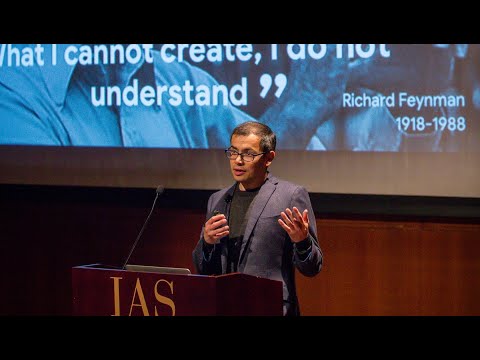
Demis Hassabis (DeepMind Co-founder) - The Power of Self-Learning Systems | Institute for Advanced Study (May 2019)
Demis Hassabis' vision for AI involves developing self-learning systems that can adapt and handle unpredicted scenarios, which could potentially surpass human capabilities. AlphaZero, a self-learning system, has demonstrated unparalleled adaptability and efficiency, revolutionizing AI and human understanding in diverse domains.
Jennifer Doudna (UC Berkeley Professor) - UC Berkeley Lecture (May 2019)
CRISPR-Cas9, a revolutionary gene-editing tool, spearheaded by Jennifer Doudna, offers unprecedented precision in modifying DNA, transforming sectors like medicine and agriculture, but poses ethical challenges that require responsible use.
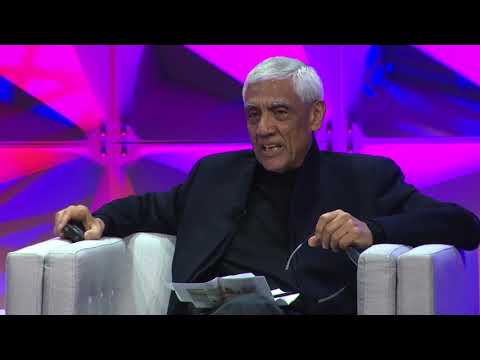
Vinod Khosla (Khosla Ventures founder) & Sam Altman (OpenAI co-founder) - A Glimpse in the future (May 2019)
The article explores OpenAI's ambitious vision to create AI systems that surpass human intelligence in all aspects, aiming to address global challenges and reshape industries. It discusses the far-reaching societal and economic implications of this technology, including automation's impact on the job market, the potential for misuse and misconceptions surrounding AI, and philosophical considerations about the future of intelligence.
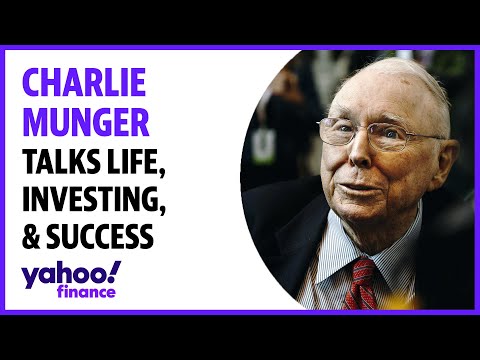
Charlie Munger (Berkshire Hathaway Vice Chairman) - Advice on investing and life choices that make a person wealthy (May 2019)
Charlie Munger emphasizes rational decision-making, strong brands, and fiscal prudence, while also expressing concern about wealth inequality and global political uncertainties. He advocates for a single-payer healthcare system and reflects on his personal values and life lessons.
Melinda Gates (Gates Foundation) - The David Rubenstein Show (April 30, 2019)
Melinda Gates, co-founder of the Gates Foundation, focuses on women's empowerment as a critical factor for global change, addressing issues like contraception, education, and harmful societal norms. With a philanthropic scale boosted by Warren Buffett's support, she combines personal experience and ethical considerations in her commitment to achieving societal reform, particularly through elevating the role of women.

Bill and Melinda Gates (Gates Foundation Co-Chairs) - The Bush Center: the Forum on Leadership (Apr 26, 2019)
The Gates Foundation employs a multi-dimensional strategy for global health and social change, building on past initiatives and advocating for sustained government involvement. Their efforts, which have already contributed to reducing child mortality rates and promoting vaccines, focus increasingly on scientific advances, financial inclusion through technology, and the particular challenges faced by Africa.
Yuval Noah Harari (Hebrew University of Jerusalem Professor) - Interview with Yuval Noah Hariri (Apr 2019)
Technology presents opportunities and challenges, with concerns about fragmentation and challenges to democracy, but it also offers connectivity, economic growth, and a platform for individual expression. It is crucial to find a balance between technological advancements and respecting individual rights and freedoms.
Ilya Sutskever (OpenAI Co-founder) - GPT-2, Matroid Scaled Machine Learning Conference (Apr 2019)
GPT-2 represents a leap forward in AI, showcasing the effectiveness of scaling simple methods in reinforcement learning and unsupervised learning. GPT-2's advanced capabilities in text prediction and generation raise ethical considerations and highlight the need for responsible AI development.
John Hennessy (Alphabet Chairman) - Blockchain (Apr 2019)
John Hennessy and Nikhil Goel's journeys exemplify innovation and resilience in the tech world, marked by moments of realization, perseverance, and a relentless pursuit of impact. Their stories highlight the importance of team cohesion, adaptation to changing landscapes, and visionary leadership in the tech industry.
Jennifer Doudna (UC Berkeley Professor) - Engineering the Genome (Apr 2019)
CRISPR-Cas9, discovered by Jennifer Doudna, revolutionized gene editing, while Alan S. Michaels' contributions to bioengineering laid the foundation for modern biotechnology.
Jennifer Doudna (UC Berkeley Professor) - 2 (Mar 2019)
CRISPR-Cas9, a gene-editing technology, revolutionized genome engineering with potential applications in healthcare and agriculture but also raises ethical, legal, and social concerns, particularly with germline editing.

Vitalik Buterin (Ethereum Co-founder) - Current and Future State of Ethereum (Mar 2019)
Ethereum's future involves a shift to Proof-of-Stake, sharding, and various privacy solutions, addressing scalability and mainstream adoption challenges. Scalability solutions like State Rent and Stateless Clients aim to manage blockchain size and improve network efficiency.

Jennifer Doudna (UC Berkeley Professor) - The Future of Genome Editing (Mar 2019)
The discovery of CRISPR-Cas9 has revolutionized biological research with its potential to edit genes, but also raised ethical, societal, and practical challenges due to its powerful implications. CRISPR technology's adaptability and affordability have led to significant advancements in biology, medicine, and agriculture, but ethical considerations, such as germline editing, require responsible usage guidelines and ongoing research.
Raghuram Rajan (University of Chicago Professor) - Conversation on "The Third Pillar" (Mar 2019)
Populist nationalism poses a threat to global stability, and effective institutions are vital for safeguarding governments from their worst instincts.
Jeff Dean (Google Senior Fellow) - Data Science Career AMA (Mar 2019)
Jeff Dean's journey in AI and machine learning showcases the significance of embracing challenges, valuing diversity, and maintaining a balance between personal growth and professional responsibilities. He envisions a future where AI models can solve complex tasks and positively impact fields like healthcare and education, emphasizing the importance of inclusion and diversity in the field.
Vitalik Buterin (Ethereum Co-founder) - Crypto Bites Interview (Mar 2019)
Ethereum's journey has evolved from a platform for financial contracts to a versatile blockchain supporting diverse applications, and it faces scalability, privacy, and usability challenges. Ethereum's potential lies in its ability to reshape digital and financial systems through decentralized applications and smart contracts.
Vinod Khosla (Khosla Ventures Founder) - Remarks at MIT Dept. of Nuclear Science and Engineering (Mar 2019)
Vinod Khosla believes technology can solve global challenges and advocates for diverse thinking, risk-taking, and disruptive innovation to drive societal transformation. He envisions using technology to improve resource utilization and reduce environmental pressures, potentially enabling a resource-rich lifestyle for all.

Elon Musk (Tesla CEO) - Tesla Model Y (March 2019)
Elon Musk detailed Tesla's evolution from a startup focused on redefining electric vehicles to a major automaker with significant advancements in mass-manufacturing and sustainable energy solutions. The discussion highlighted Tesla's innovations such as the Supercharger network, its global expansion, and its broader vision for a sustainable future, all while influencing the wider automotive industry towards electrification.
Jennifer Doudna (UC Berkeley Professor) - Opportunites and Ethics of Editing Genomes (Feb 2019)
CRISPR, a revolutionary gene-editing technology, has profound ethical, scientific, and regulatory implications, particularly in the context of human genome editing. The ease of access and accessibility of CRISPR raise concerns about potential misuse and the need for balancing scientific progress with responsible use.
Sam Altman (OpenAI Co-Founder) - Can Technology Save the World (Before It Destroys It)? (Feb 2019)
Sam Altman discusses the dual nature of technology, emphasizing its potential for both positive and negative societal impacts, and advocates for nuanced conversations around its ethical and economic implications. He calls for responsible governance and regulation by tech companies and democratic institutions, while also touching on future complexities, data privacy, and the role of AI in reshaping the economy.
Peter Norvig (Google Director of Research) - As We May Program | Silicon Valley Deep Learning Group (Feb 2019)
Programming has dramatically evolved from strict logic instructions to assembling code from various sources, with ML revolutionizing the field and conversational AI promising a more natural user experience. The future of AI assistants relies on balancing innovation with ethical considerations, privacy, and security.
Raghuram Rajan (University of Chicago Professor) - How markets and the state leave the community behind | Brookings (Feb 2019)
Markets and the state have neglected communities, causing populism. Local empowerment, inclusive localism, and technology can revive communities in a capitalist world.
Demis Hassabis (DeepMind Co-founder) - Artificial Intelligence and the Future (Jan 2019)
Demis Hassabis, founder of DeepMind, pursued AI to bridge the gap between traditional AI's limitations and human-like flexibility, achieving advancements with AlphaGo, AlphaZero, and applications in healthcare, industry, and art. DeepMind's mission involves understanding intelligence and utilizing it to address global challenges, emphasizing general-purpose AI with learning systems inspired by neuroscience.
Prince Turki Al Faisal (Saudi Arabia Former Government Official) - Political History of the Kingdom (Jan 2019)
Islamic jurisprudence has evolved through interpretations of Islamic texts by figures like Al-Shafi'i and Muhammad Ibn Abdul Wahab, influencing modern extremism and geopolitical challenges in the Middle East. Wahhabism's spread and conflicts led to its stigmatization, while extremist interpretations of Islam emerged from deviations in traditional teachings.
Ron Conway (SV Angel Founder) - Ron Conway (Jan 2019)
Ron Conway, a prominent angel investor, focuses on software startups and values founder traits like passion, resilience, and vision. Conway believes that successful founders have innate leadership, decisiveness, and focus, and he prioritizes founder-focused guidance and civic engagement.

Diane Greene (Google SVP Google Cloud) - The Truth About Serving on Boards (Jan 2019)
Directors' roles vary across startups and large public company boards, with the former actively involved in building the company and the latter overseeing the CEO and monitoring performance. Effective board engagement involves specialized expertise, asking insightful questions, avoiding micromanagement, and fostering focused, efficient meetings.
George Box (UNC Chapel Hill Professor) - Rethinking Statistics for Quality Control (Dec 2018)
Dr. George Box's work transformed quality control through insights into sufficient statistics, limitations of traditional control charts, and the development of the EWMA model for managing non-stationary processes. His focus on addressing drift and common/special causes influenced modern statistical practices.
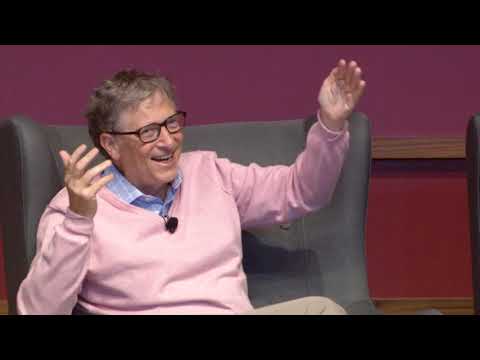
Bill Gates (Breakthrough Energy Ventures) - Global Energy Forum @ Stanford (Dec 2018)
Bill Gates presents a multi-dimensional perspective on energy and climate change, emphasizing the need for global, multi-sectoral solutions beyond conventional strategies like taxation and renewables. He advocates for technological innovation, international collaboration, and the inclusion of developmental needs of impoverished nations to comprehensively address the climate crisis.
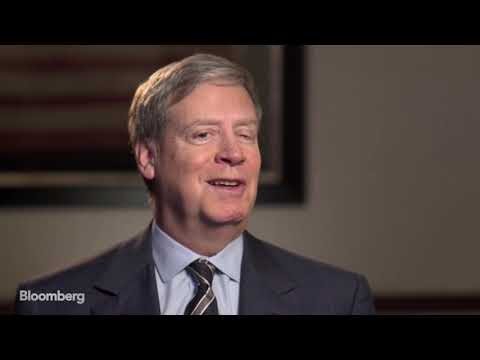
Stan Druckenmiller (Duquesne Capital Management Founder) - Bloomberg Interview (Dec 2018)
Stanley Druckenmiller warns of risks associated with the Fed's policies, emphasizing the possibility of a sudden unwinding of the current economic bubble and poor market returns. He advocates for measured deflation of the bubble, a data-driven approach to monetary policy, and cautious investment strategies in a volatile market.
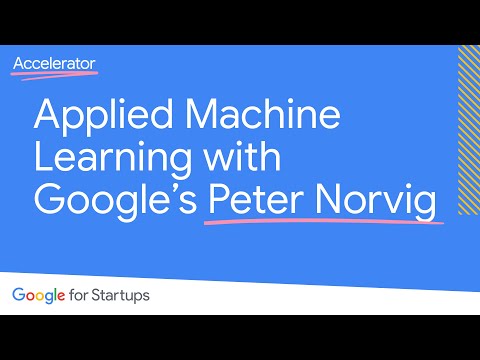
Peter Norvig (Google Director of Research) - Applied Machine Learning (Dec 2018)
Machine learning revolutionizes industries by automating tasks, improving decision-making, and uncovering patterns and correlations in data, but faces challenges in data acquisition, integration with existing systems, and balancing automation with human involvement.
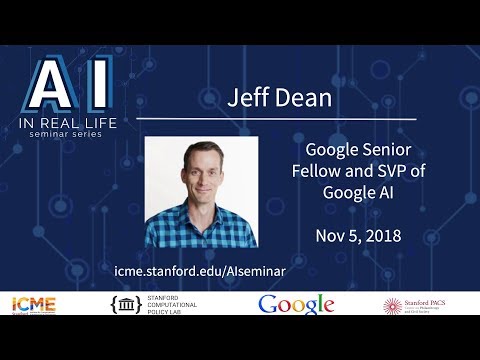
Jeff Dean (Google Senior Fellow) - Deep Learning to Solve Challenging Problems (Nov 2018)
Machine learning revolutionizes technology and healthcare, from autonomous vehicles to healthcare informatics. Deep learning algorithms require substantial computational resources and reduced precision arithmetic.
Jennifer Doudna (UC Berkeley Professor) - Galton Institute Talk (Nov 2018)
CRISPR-Cas9, a revolutionary gene-editing tool, has wide-ranging applications in biomedicine and agriculture, but also raises significant ethical concerns, particularly regarding germline editing.
Jennifer Doudna (UC Berkeley Professor) - CRISPR Biology and Biotechnology: The Future of Genome Editing (Nov 2018)
CRISPR-Cas9, pioneered by Jennifer Doudna, is a revolutionary gene editing technology with applications in treating diseases, enhancing agriculture, and advancing fundamental research, but it also raises ethical concerns, especially regarding germline editing.
Fei-Fei Li (Google Cloud Chief Scientist, AI/ML) - Human-centered AI (Nov 2018)
Fei-Fei Li's research focuses on the intersection of computer vision, neuroscience, and cognitive science, with a focus on developing human-centered AI systems. Her work aims to create AI systems that are intelligent, efficient, and ethically grounded, inspired by human cognition.
Nassim Nicholas Taleb (Scholar Investor) - Skin in the Game | Talks at Google (Nov 2018)
Nassim Nicholas Taleb emphasizes personal accountability, challenges conventional wisdom on risk and uncertainty, and advocates for basing decisions on practical experience. Taleb criticizes pseudo-intellectuals, advocates for decentralized systems, and stresses the importance of skin in the game for acquiring valuable knowledge and making ethical decisions.
Stan Druckenmiller (Duquesne Capital Management Founder) - Monetary Policy & Markets (Nov 2018)
Stanley Druckenmiller shares insights on navigating volatile markets, emphasizing the challenges of algorithmic trading and central bank policies while highlighting the importance of philanthropy. He believes the current tightening cycle will exacerbate turmoil in emerging markets, advising capital preservation and concentrated bets.
Sebastian Thrun (Stanford Adjunct Professor) - The Future of AI with Kai-Fu Lee (Oct 2018)
China has made significant strides in AI, driven by government investments and entrepreneurial innovation, while American companies face hurdles in the Chinese market due to internet regulations and cultural differences.
John Hennessy (Alphabet Chairman) - Why Leading Matters | Commonwealth Club of California (Oct 2018)
John Hennessy's leadership philosophy emphasizes ethical leadership, long-term thinking, and empathy in managing people. His insights offer a guide for leaders navigating rapid technological and societal changes.
Vinod Khosla (Khosla Ventures Founder) - Investing in AI in Healthcare | cs522.stanford.edu (Oct 2018)
AI and data science will revolutionize healthcare by providing consistent, evidence-based care and enabling personalized treatments tailored to individual needs and conditions. This shift towards a science-driven, patient-centered approach will improve diagnostic accuracy, reduce costs, and enhance accessibility, transforming the way healthcare is delivered.
Satya Nadella (Microsoft CEO) - Remarks at The Economic Club of Chicago (Oct 2018)
Satya Nadella's leadership at Microsoft prioritized empathy, innovation, and societal responsibility, resulting in a remarkable corporate transformation. Under his guidance, Microsoft shifted focus from product provision to technological empowerment and emphasized AI's potential for accessibility, inclusion, and ethical development.
Sebastian Thrun (Stanford Adjunct Professor) - FICO World 2018 (Oct 2018)
AI is redefining the nature of work by automating repetitive tasks and enhancing human capabilities across various professions, offering unprecedented opportunities for efficiency, accuracy, and growth. This transformative journey from manual fieldwork to AI-driven professions showcases our continuous evolution and the potential for AI to empower humans in new and exciting ways.
Larry Fink (BlackRock Co-founder) - Quarterly earnings, U.S.-Saudi Arabia tensions and the U.S. economy | CNBC (Oct 2018)
BlackRock's strategic diversification and focus on long-term economic prospects help navigate market volatility, geopolitical tensions, and evolving landscapes. BlackRock's ethical considerations and balancing of market realities with corporate values offer a nuanced perspective on finance, geopolitics, and ethical responsibility in today's interconnected world.
Danny Hillis (MIT Media Lab Visiting Professor) - Google 2.0 (Oct 2018)
Danny Hillis' vision of a machine-readable knowledge resource led to the creation of Freebase, which was later acquired by Google and transformed into the Knowledge Graph, revolutionizing search capabilities. Underlay emerged as a public knowledge repository, aiming for transparency and accountability in knowledge representation.
Amory Lovins (Rocky Mountain Institute Co-founder) - Carbon Smart Building Day (Oct 2018)
Integrative design considers buildings as cohesive systems, resulting in energy savings and cost reductions, while offering multiple benefits including improved indoor air quality and increased daylighting. Integrative design prioritizes energy efficiency, optimizes systems, and utilizes innovative techniques to create sustainable and comfortable built environments.
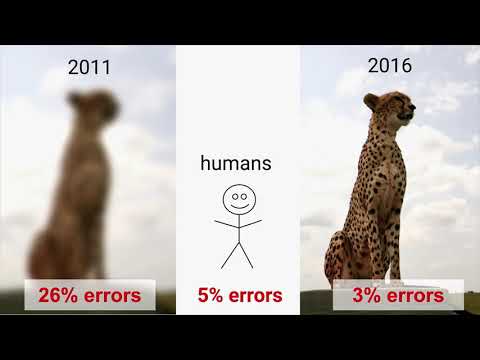
Jeff Dean (Google Senior Fellow) - Deep Learning to Solve Challending Problems | ETH Zurich (Sep 2018)
Machine learning, particularly deep learning, is experiencing exponential growth and revolutionizing fields with neural networks, while showcasing potential in addressing grand challenges and accelerating scientific discovery. TensorFlow and AutoML democratize machine learning, while TPUs enhance computational efficiency and system optimization, raising ethical considerations for AI's responsible use.

Jeff Dean (Google Senior Fellow) - Google Cloud Podcast (Sep 2018)
Jeff Dean, head of Google AI, leads research in machine learning, algorithm development, and systems infrastructure, revolutionizing industries and shaping the future of technology. Advancements in machine learning, particularly with TPUs, are transforming fields like healthcare, robotics, and scientific research, highlighting the significance of collaboration and continuous learning.

Jeff Bezos (Amazon & Blue Origin Founder) - Air, Space and Cyber Conference (Sep 2018)
Jeff Bezos, in a conversation with General Larry Spencer, discussed various aspects of innovation, decision-making, and leadership within large organizations, emphasizing the importance of experimentation, diversity, and swift "two-way door" decisions. He also touched upon strategic approaches to maintaining U.S. space dominance, the role of Blue Origin in space exploration, and the concept of "work-life harmony" over traditional work-life balance.
John Hennessy (Alphabet Chairman) - Leading Matters (Sep 2018)
John Hennessy's leadership philosophy emphasizes authenticity, storytelling, empathy, and inclusivity, while encouraging innovation and risk-taking to create meaningful impact. He envisions a future of university education driven by online learning and diverse global leaders.

Hal Varian (Google Chief Economist) - Bots & Tots (Sep 2018)
Automation and demographic shifts are reshaping the labor market, with automation impacting job demand and demographics influencing labor supply. The interaction between these forces has profound social and economic implications, requiring policymakers and individuals to adapt to the evolving landscape of work.

Larry Fink (BlackRock Co-founder) - Larry Fink 2018 (Sept 2018)
Larry Fink's market analysis highlights the importance of long-term investing, ESG investing, and corporate responsibility in navigating global economic complexities and uncertainties. Fink emphasizes the need for multilateral cooperation and purpose-driven strategies to achieve sustainable growth and positive impact.

Tom Gillis (VMWare SVP) - Building the Network of the Future with the Virtual Cloud Network (Sep 2018)
VMware's NSX and Arista's collaboration transform network infrastructure with virtual cloud networks and software-defined security, enhancing scalability, flexibility, and security. NSX provides a unified fabric for policy management across heterogeneous environments, integrating software-defined networking, intrinsic security, and automation to meet modern networking challenges.
Lukasz Kaisar (Google Brain Research Scientist) - "Deep Learning (Aug 2018)
Deep learning revolutionizes NLP by unifying tasks under a single framework, enabling neural networks to learn end-to-end without explicit linguistic programming. Deep learning models excel in text generation, capturing long-range dependencies and producing fluent, coherent sentences, outshining traditional methods in machine translation and parsing.
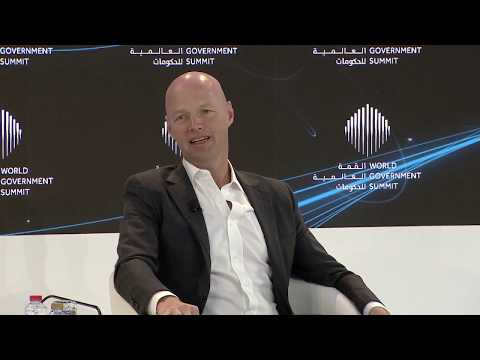
Sebastian Thrun (Stanford Adjunct Professor) - Can We Govern AI? (2018)
AI's transformative power presents opportunities for enhanced human capabilities, job evolution, healthcare advancements, and the quest for human immortality, while necessitating ethical considerations, responsible regulation, and education for successful integration and utilization.

Paul Graham (Y Combinator Co-founder) - Interview with Geoff Ralston (Aug 2018)
Founders should prioritize determination, pragmatism, user-centricity and be willing to learn from mistakes to navigate the complex startup journey from ideation to execution. Recognizing that luck plays a role, founders should focus on creating user-centric products, hiring co-founders with strong programming skills, and being willing to adapt their software or processes during the initial stages.
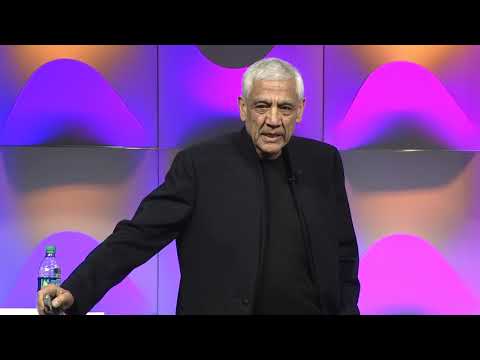
Vinod Khosla (Khosla Ventures Founder) - Reinventing Societal Infrastructure with Technology (Jul 2018)
Technology and entrepreneurship can provide a high-quality lifestyle for 7 billion people without depleting resources or damaging the planet by increasing resource efficiency and fostering innovation. The future will see transformative changes in healthcare, transportation, housing, manufacturing, food, agriculture, financial services, energy, sustainability, and government disruption.
Vinod Khosla (Khosla Ventures Founder) - Vinod Khosla Talk (Jul 2018)
Strategic hiring and understanding software patents are key to startup success. Entrepreneurs should focus on long-term impact and align with investors who share their goals.

John Hennessy (Alphabet Chairman) - John Hennessy, Dave Patterson & Google Cloud CEO Diane Green (Jul 2018)
RISC revolutionized computing efficiency, while modern challenges include energy efficiency, resource utilization, and specialized processors. Philanthropy, quantum computing, and education (K-12 to undergraduate) are also important aspects of Hennessy's vision for the future of computing.
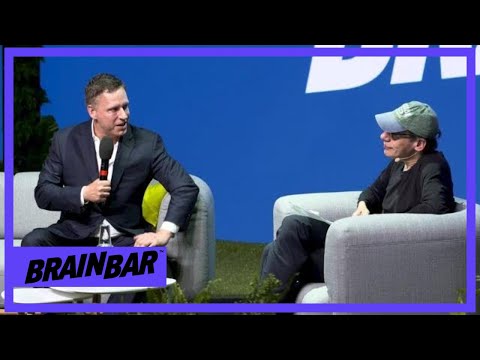
Peter Thiel (Facebook Board of Directors) - Remarks on Stagnation at Brain Bar (Jul 2018)
Technology's pendulum swings between centralization and decentralization, with AI seen as centralizing and crypto as decentralizing. Peter Thiel believes life expectancies can continue increasing and advocates for life extension to create a world worth living in forever.
Nathan Myhrvold (Intellectual Ventures Co-founder) - Pale Blue Dot to the Pizza Stone (Jun 2018)
Culinary innovation involves harmonizing tradition with modern techniques to improve food quality, sustainability, and cultural significance. Staple ingredients like bread, pizza, beans, and rice play a pivotal role in culinary evolution, promoting flavor, nutrition, and cultural diversity.
Vinod Khosla (Khosla Ventures Founder) - Keynote at Creative Destruction Lab (Jun 2018)
Technology is fundamentally reshaping society, economy, and daily lives, presenting thrilling possibilities but also demanding thoughtful consideration of societal implications. Innovation flourishes in environments that encourage radical thinking, risk-taking, diversity, and the intersection of knowledge, culture, and financing.
Paul Buchheit (Y Combinator Partner) - Brex Interview (June 2018)
Paul Buchheit's journey from his early days in Ohio to becoming a key figure at Google offers valuable insights into tech innovation, notably his role in the creation of Gmail and its market disruption. Additionally, he shares forward-looking perspectives on the future of work, emphasizing the importance of a 'human economy' and advocating for multiple business strategies in the rapidly evolving tech landscape.

Vitalik Buterin (Ethereum Co-founder) - Vitalik Buterin and Vlad Zamfir (Jun 2018)
Ethereum co-founders discussed the cryptocurrency's roadmap, regulatory challenges, and scaling solutions like Casper and sharding. They also addressed governance, developer influence, and the open-source nature of the Ethereum network.

Carver Mead (CalTech Professor) - Insight 2 (May 2018)
Transistors control electron flow using voltage, enabling the intricate operations of modern technology, and are the foundation of logic circuits in silicon-based technologies.
Mark Zuckerberg (Facebook Co-founder) - Facebook CEO meets with European Parliament (May 2018)
Facebook's Mark Zuckerberg commits to data protection, user safety, and election security while addressing concerns of MEPs and acknowledging the platform's responsibility in the digital era. Facebook plans to implement stricter app access controls, comprehensive safety measures, and greater user control over data.
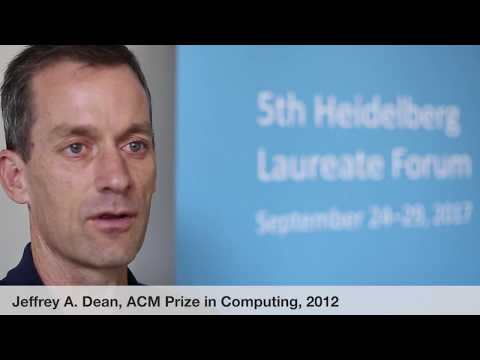
Jeff Dean (Google Senior Fellow) - HLF Laureate Interview (May 2018)
Jeff Dean's journey emphasizes the power of mentorship and collaboration in shaping the field of machine learning, while the future of the discipline lies in creating flexible and multitask learning systems.
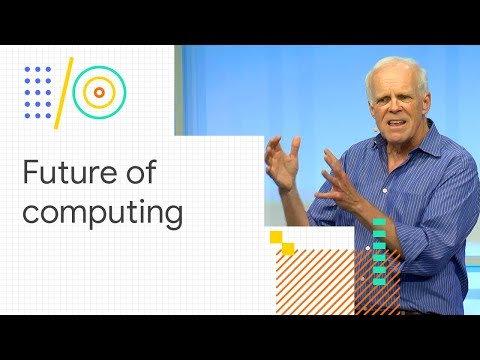
John Hennessy (Alphabet Chairman) - The future of computing (May 2018)
The slowdown of Moore's Law and Dennard Scaling has necessitated a reevaluation of computer architecture and design principles, with a shift towards energy efficiency and domain-specific architectures. The future of computing involves exploring post-silicon technologies, developing domain-specific architectures, and focusing on cybersecurity and emerging memory technologies.

Nathan Myhrvold (Intellectual Ventures Co-founder) - The WISE/NEOWISE Analyses and Results (May 2018)
Asteroid research using NEOWISE data faces challenges due to data discrepancies, issues with modeling techniques, and difficulties in accurately estimating asteroid sizes. Understanding asteroid variability, such as rotation and non-thermal inertia, is crucial for precise modeling and results.

Nathan Myhrvold (Intellectual Ventures Co-founder) - Rethinking Bread (May 2018)
Nathan Myhrvold's "The Bread Book" revolutionizes bread-making by merging science, history, and culinary artistry, offering tailored instructions for diverse needs and promoting a deeper appreciation for bread. Myhrvold's work challenges perceptions of bread, emphasizing its potential for high quality and innovation while exploring its cultural and historical significance.
Gwynne Shotwell (SpaceX President) - SpaceX's plan to fly you across the globe in 30 minutes | TED (May 2018)
SpaceX's achievements include revolutionizing space travel with reusable rockets and pioneering satellite internet, while also planning for Earth-to-Earth travel and a future Mars mission with the powerful BFR rocket.
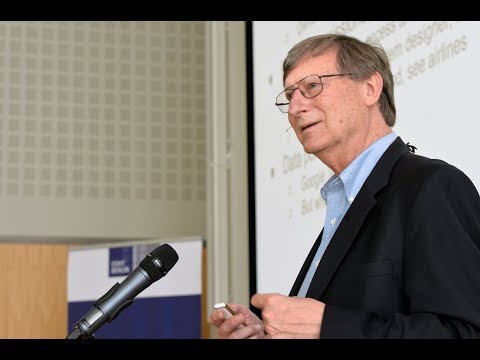
Hal Varian (Google Chief Economist) - Hal Varian on Innovation (May 2018)
AI advancements in image, voice, and language recognition are transforming industries, but challenges remain in areas like transfer learning and establishing causality. The implementation of data privacy regulations, such as GDPR, poses challenges for businesses and raises concerns about their impact on innovation.
Dean Kamen (Deka Research Founder) - How to be an adaptation machine (Apr 2018)
Dean Kamen emphasizes adaptability, imagination, and hands-on learning to solve global challenges and advocates for education reform that fosters critical thinking and creativity. He believes imagination is more valuable than knowledge in today's world and criticizes standardized testing and rote memorization.
Mustafa Suleyman (DeepMind Co-founder) - New technology and the future of public policy | Bennett Institute of Public Policy launch (Apr 2018)
Ethical AI requires governance and standards to address societal challenges, while accountability, transparency, and collaboration are crucial for responsible use of technology.

Jennifer Doudna (UC Berkeley Professor) - CRISPR Systems (Apr 2018)
CRISPR-Cas9 is a revolutionary technology that enables precise genome editing, with applications in research, agriculture, and medicine, but its potential for germline editing raises ethical concerns. CRISPR-Cas9 has transformed research and applications, with over 8,400 PubMed entries by February 2018, and ongoing research and debate focus on its responsible use and ethical implications.

Stephen Hawking (University of Cambridge Professor) - Remarks at Cambridge Union (Mar 2018)
Despite a debilitating disease, Stephen Hawking made groundbreaking contributions to cosmology and black hole physics, challenging existing ideas and reshaping our understanding of the universe. His emphasis on scientific communication and public engagement made complex scientific concepts accessible, inspiring future generations of scientists.

Alexandr Wang (Scale AI Co-founder) - Scale Self-Driving (Mar 2018)
Data labeling is crucial for training machine learning models in autonomous vehicles, and companies like ScaleAPI offer services to streamline this process. Sensor fusion annotation combines data from multiple sensors to create a holistic view of the car's surroundings, improving decision-making and safety.
Sebastian Thrun (Stanford Adjunct Professor) - Fireside Chat (Mar 2018)
Silicon Valley's transformation from silicon manufacturing to a tech hub mirrors Intuit's journey from personal finance software to AI-powered tax preparation. Scott Cook emphasizes educational reform and continuous learning to navigate future uncertainties and technological advancements.
Ruth Porat (Alphabet CFO) - McCombs School of Business (Mar 2018)
Ruth Porat, CFO of Alphabet and Google, shared insights on leadership, resilience, and embracing change. She emphasized ethical leadership, diversity, and continuous learning as key elements for success in today's corporate world.

Stephen Hawking (University of Cambridge Professor) - The Origin of the Universe (Mar 2018)
Stephen Hawking's lecture at the Institute for Advanced Study in Hong Kong explored the origins and nature of the universe, touching on topics like the Big Bang, quantum mechanics, and the significance of universal constants. Hawking's insights highlighted the importance of combining general relativity and quantum theory to understand the universe's origin.

Jeff Dean (Google Senior Fellow) - Systems and Machine Learning Symbiosis (Mar 2018)
Machine learning hardware advancements, such as Google's TPUs, optimize computational speed and efficiency for deep learning models, promising improved performance in various applications. Research explores applying machine learning to replace traditional algorithms and data structures for enhanced performance and space utilization.

Nassim Nicholas Taleb (Scholar Investor) - Interview with Gad Saad (Feb 2018)
Nassim Taleb emphasizes personal accountability and authenticity through the concept of "skin in the game," while critiquing contemporary social and scientific paradigms, urging reevaluation of risk, decision-making, and societal interactions.
Jennifer Doudna (UC Berkeley Professor) - NPR Interview (Feb 2018)
Jennifer Doudna's discovery of CRISPR-Cas9 revolutionized genetics and raised ethical questions about gene editing. Doudna transitioned to public advocacy, emphasizing responsible and ethical applications of gene editing technology.
Jennifer Doudna (UC Berkeley Professor) - The Science and Ethics of Genome Editing (Feb 2018)
CRISPR-Cas9 gene editing technology has the potential to revolutionize various fields, from agriculture to healthcare, but also raises ethical and societal concerns that require public engagement and responsible innovation. Balancing progress and responsibility is crucial, and transparent science, open science initiatives, and public dialogue are essential to ensure ethical and responsible use of gene editing technologies.
Peter Thiel (Facebook Board of Directors) - Cardinal Conversations (Feb 2018)
Stanford's Cardinal Conversations initiative aims to bridge the gap between Silicon Valley and diverse perspectives on technology, politics, and society through open dialogue and inclusivity. Experts expressed concerns about the interconnectedness of tech and politics, income inequality, and the need for cognitive diversity to address societal challenges.

Nathan Myhrvold (Intellectual Ventures Co-founder) - Tacitus 2018 (Feb 2018)
Technological advancements, contrary to common fears, often lead to job creation, improved living standards, and societal benefits, as evidenced by historical and current examples. AI has the potential to revolutionize industries, save lives, and solve complex societal problems, but fears of existential threats are exaggerated and lack a basis in reality.
Warren Buffett (Berkshire Hathaway Chairman/CEO) - Recalls His Early Days As An Investor (Feb 2018)
Berkshire Hathaway's annual meetings evolved from a small gathering to a global event, driven by Warren Buffett's open discussions and commitment to education and inspiration. Buffett's journey, marked by personal growth and direct communication, has shaped his legacy and influenced the business and investment world.
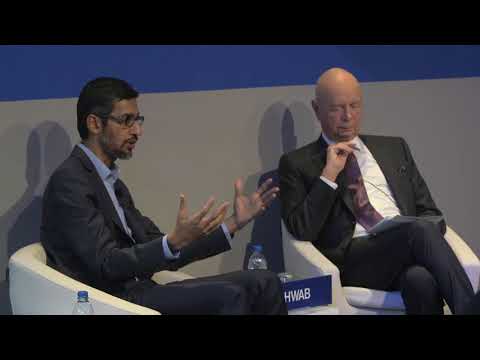
Sundar Pichai (Google CEO) - An Insight An Idea with Sundar Pichai (Jan 2018)
Sundar Pichai envisions a responsible AI future for Google and a globally inclusive internet that empowers individuals and promotes social progress. He emphasizes ethical development and utilization of AI while addressing concerns like inequality, bias, and surveillance.
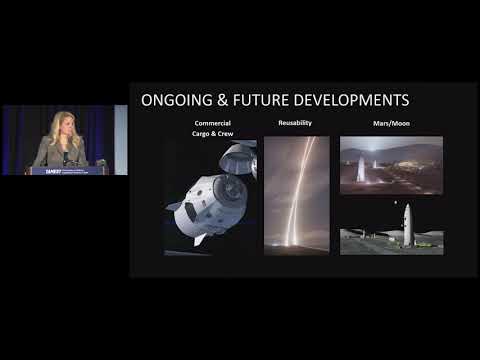
Gwynne Shotwell (SpaceX President) - Frontier of Commercial Space Flight (Jan 2018)
SpaceX seeks to make life interplanetary, aiming for Mars as a habitable destination, and utilizes lunar programs as a testing ground for Mars missions. SpaceX's reusable rockets like Falcon 9 and the advanced Starship are redefining space travel while paving the way for cheaper and more efficient interplanetary exploration.
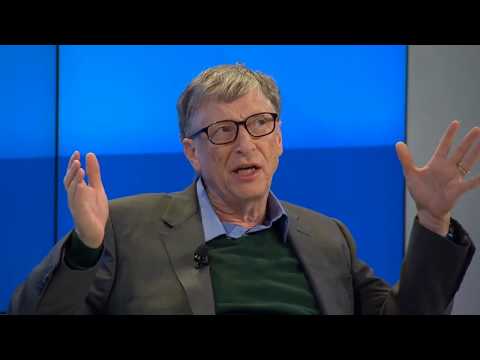
Bill Gates (Gates Foundation) & Additional Panelists - "A New Era for Global Health" Panel @ WEF (Jan 26, 2018)
The panel of experts, including Bill Gates and Dr. Atul Gawande, discussed the urgent need for a paradigm shift in global healthcare from focusing on communicable diseases to preventative care, emphasizing the roles of innovation, equity, and private capital. Key strategies include multi-stakeholder collaboration, leveraging data-driven approaches, and incorporating private equity, especially in emerging markets, to address challenges like health access, longevity, and the training gap in healthcare.
Ratan Tata (Tata Group Chairman Emeritus) - CNBC Interview (Jan 2018)
The Tata Trusts, with a history of nearly 125 years, have been a beacon of philanthropy and social change in India, evolving over time to address contemporary issues effectively. Ratan Tata, the eminent industrialist and philanthropist, emphasizes preserving Tata's values, ethical standards, and commitment to nation-building through collaboration and support for entrepreneurs.

Sebastian Thrun (Stanford Adjunct Professor) - What AI is -- and isn't | TED (Dec 2017)
Machine learning revolutionizes programming, data analysis, and human-machine interaction, impacting industries, augmenting human capabilities, and posing ethical challenges. Its future lies in collaborating with human creativity to drive innovation and progress.

Stan Druckenmiller (Duquesne Capital Management Founder) - CNBC Interview (Dec 2017)
Druckenmiller criticizes central banks for rigid inflation targets and low interest rates, which distort market signals and lead to asset bubbles. He believes tax reform should focus on long-term fiscal health and entitlement reform, rather than fiscal stimulus and increasing national debt.

Ray Dalio (Bridgewater Founder) - Gary Vee Podcast: Dalio's Principles, The Evolution of Bridgewater Associates, & Meditation (Dec 2017)
Ray Dalio, renowned investor and founder of Bridgewater Associates, advocates for principles-based decision-making, emphasizing self-awareness, humility, and feedback as key factors for meaningful work and relationships. Dalio also explores the future of decision-making by converting principles into algorithms for machine-based applications, urging society to focus on long-term success through consideration of second-order consequences.
Dario Amodei (OpenAI Research Scientist) - AI Robustness and Safety (Dec 2017)
AI safety researchers aim to ensure AI systems are robust against unexpected inputs and aligned with human values, using techniques like human feedback to shape reward functions and address ambiguity in goal definitions. AI safety is a pressing global issue requiring more attention and technical work, offering a meaningful career opportunity.
Dharmesh Shah (HubSpot Co-founder) - Machine Learning in Marketing (Dec 2017)
AI and machine learning are transforming marketing automation and customer engagement by enabling personalized campaigns, enhancing content recommendations, and driving data-driven strategies. AI-powered chatbots and conversational UIs offer intuitive interfaces, but it's important to balance AI efficiency with human insight and empathy.
Nathan Myhrvold (Intellectual Ventures Co-founder) - The WISE/NEOWISE Analyses and Results (Dec 2017)
Data analysis of asteroid diameters using Near-Earth Object Wide-field Infrared Survey Explorer (NEOWISE) data is challenging due to discrepancies, uncertainties, and limitations in modeling methods. This necessitates the development of more robust and transparent data analysis techniques to ensure accurate asteroid characterization and reliable uncertainty estimates.
David Cheriton (Stanford Professor) - Age of Incompetence (Nov 2017)
Cheriton emphasizes a world where humans are outmatched by computers in broader domains like teaching, urging us to adapt to this “automated zoo” and avoid obsolescence.
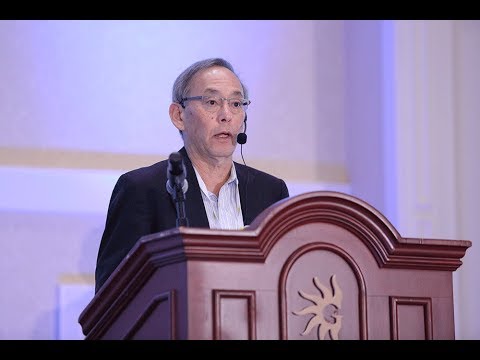
Steven Chu (Stanford Professor) - Remarks at The Electrochemical Society (Nov 2017)
Electrochemistry plays a vital role in developing sustainable energy solutions, including renewable energy integration, advanced energy storage, and clean transportation, while also addressing air pollution and resource extraction challenges. By enabling the transition from fossil fuels to clean energy sources, electrochemistry contributes to a more sustainable future.

Geoffrey Hinton (Google Scientific Advisor) - New York Times Interview (Nov 2017)
Geoffrey Hinton's work on neural networks, particularly Convolutional Neural Networks (CNNs), has revolutionized image recognition in AI. Hinton's novel approaches to object recognition and mental imagery propose a future where AI systems learn and reason more like humans.
Jeff Bezos (Amazon Founder) - Jeff & Mark Bezos Chat (Nov 2017)
In an in-depth conversation with his brother Mark, Jeff Bezos discusses the formative experiences and values that have shaped his entrepreneurial mindset, emphasizing themes like resourcefulness, long-term thinking, and work-life harmony. Bezos delves into everything from family influence and early failures at Amazon to his vision for space exploration through Blue Origin, offering a comprehensive look into his personal and professional philosophies.

Graham Allison (Harvard University Professor) - On the likelihood of war with China | West Point (Nov 2017)
China's rapid rise challenges the US-led world order, raising concerns about the Thucydides' Trap and potential conflict. Creative solutions and strategic thinking are crucial to avoid war and shape a peaceful international order.

Vitalik Buterin (Ethereum Co-founder) - The Boy Genius Behind Ethereum (Nov 2017)
Vitalik Buterin's innovations have had a profound impact on blockchain technology and cryptocurrency, particularly Ethereum, leading to the evolution of decentralized technologies and the potential for mainstream adoption. Cryptocurrency's journey is uncertain, with outcomes ranging from niche applications to replacing traditional financial systems, highlighting the need to address challenges, raise awareness, and empower developers for widespread adoption.
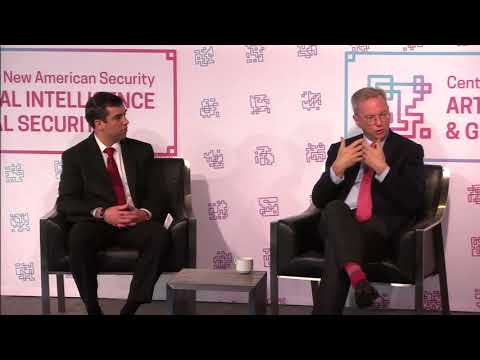
Eric Schmidt (Alphabet Executive Chairman) - Artificial Intelligence and Global Security Summit (November 1, 2017)
Eric Schmidt, Alphabet's veteran leader, emphasizes the critical role of Artificial Intelligence (AI) in shaping competitive advantages in business and military sectors, while also highlighting the U.S.'s lack of a coherent national AI strategy in contrast to China's ambition to dominate AI by 2030. He identifies talent acquisition, data availability, and a shift towards a culture of innovation as key drivers for AI adoption, and urges immediate focus on cybersecurity, public-private partnerships, and reassessment of governance structures.
Lukasz Kaisar (Google Brain Research Scientist) - Deep Learning TensorFlow Workshop (Oct 2017)
TensorFlow, a versatile machine learning framework, evolved from Google's DistBelief to address computational demands and enable efficient deep learning model development. TensorFlow's graph-based architecture and mixed execution model optimize computation and distribution across various hardware and distributed environments.
Vinod Khosla (Khosla Ventures Founder) - Artificial Intelligence (Oct 2017)
AI's transformative impact affects various sectors, replacing jobs but also fostering innovation; economic and geopolitical shifts require reevaluation of existing models and adaptation strategies.
Lukasz Kaisar (Google Brain Research Scientist) - Attention is all you need; Attentional Neural Network Models (Oct 2017)
Transformer models, with their attention mechanisms, have revolutionized natural language processing, enabling machines to understand context and generate coherent text, while multitasking capabilities expand their applications in data-scarce scenarios.
Lee Hsien Loong (Singapore Prime Minister) - David Rubenstein Interview (Oct 2017)
Singapore's Prime Minister Lee Hsien Loong stresses the importance of Asia to the United States and encourages continued US engagement in the region. Asian countries seek an open and inclusive regional architecture, aiming to maintain and grow economic links with major global players.

Carver Mead (CalTech Professor) - My First Chip (Oct 2017)
Carver Mead's insights on Moore's Law and his innovative approach to integrated circuit design revolutionized the field, leading to the development of VLSI and the PLA, which laid the foundation for modern computing. His contributions to education have trained generations of students, cementing his legacy as a pivotal figure in the technological evolution.
Lee Hsien Loong (Singapore Prime Minister) - Remarks at Council on Foreign Relations (Oct 2017)
Asia's economic growth and China's growing influence shape regional dynamics, while the US and China recalibrate their strategies in the region. Singapore plays a crucial role in balancing relations between major powers and facilitating regional cooperation.
Sam Altman (Y Combinator President) - The Winding Path of Progress | Talks at Google (Oct 2017)
Sam Altman, president of Y Combinator and co-founder of OpenAI, discusses a range of topics from the challenges faced by startups to the ethical implications of AI technology. He emphasizes decision-making frameworks focused on impact maximization and personal satisfaction, tackles societal and workplace biases, and advocates for a balanced discourse on technological advancements and their societal implications.
Bill Gates (Gates Foundation) - Keynote speech at CGCS conference (Oct 19, 2017)
Bill Gates has outlined a comprehensive vision for the role of the Bill and Melinda Gates Foundation in American K-12 education, focusing on data-driven decision-making, tackling educational disparities, and long-term investment strategies including a financial commitment of over $1.7 billion over the next five years. The foundation aims to act as a catalyst for innovative educational initiatives, with priorities such as improving the quality of teaching, fostering networks of schools, and leveraging data and technology to uplift educational systems while facing challenges in scaling and financial constraints.
Demis Hassabis (DeepMind Co-founder) - The Future of AlphaGo and AI (Sep 2017)
DeepMind, under Demis Hassabis' leadership, has made groundbreaking strides in artificial intelligence, notably with AlphaGo's achievement in the complex game of Go, and aims to understand and recreate intelligence artificially. AlphaGo's success in Go showcased its ability to mimic human intuition, creativity, and strategic thinking, revolutionizing the game and inspiring new ideas among professional players.
Satya Nadella (Microsoft CEO) - New York Times Interview (Sep 2017)
Satya Nadella's journey from India to becoming Microsoft's CEO exemplifies resilience, empathy, and visionary leadership that transformed Microsoft and emphasized empathy's importance in business. His leadership focused on empowering individuals and organizations, promoting partnerships, and addressing social and ethical challenges in the tech industry.
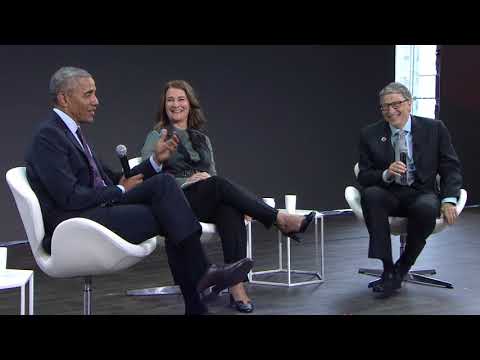
Barack Obama (USA President) - Leadership & World Change with Barack Obama (Sep 2017)
Youth and collective action, empowered by the Internet, drive global progress, while storytelling, empathy, and positive narratives mobilize support for change. Diverse contributions, collaboration, and persistence are key to achieving meaningful change in a world often resistant to it.
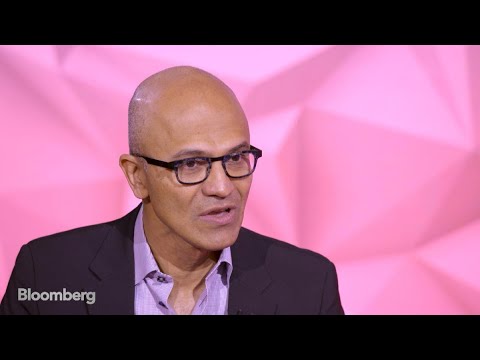
Satya Nadella (Microsoft CEO) - Bloomberg Interview (Sep 2017)
Satya Nadella's leadership at Microsoft has emphasized empathy, strategic partnerships, and ethical considerations, transforming the company's culture and technological focus. Nadella's journey to Microsoft CEO demonstrates the importance of independent thinking, empathy, and learning from predecessors, while his focus on collaboration, diversity, and ethical innovation has led to Microsoft's continued success.

Vinod Khosla (Khosla Ventures Founder) - Economics of AI Workship, Creative Destruction Lab (Sep 2017)
Artificial intelligence (AI) is poised to revolutionize society, impacting industries, creativity, economies, and geopolitics, but it also raises ethical concerns and exacerbates income inequality. AI's transformative power requires proactive management to maximize benefits and minimize risks.
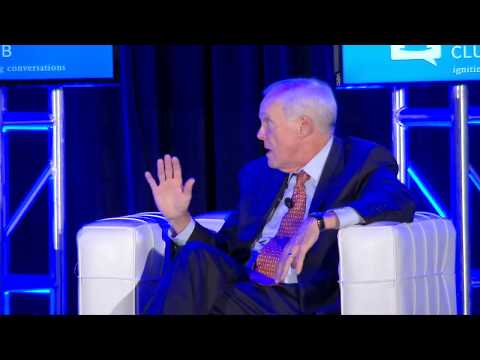
John Hennessy (Knight-Hennessy Scholars Program Director) - Churchill Club (Sep 2017)
John Hennessy's leadership style is characterized by innovation, empathy, and a commitment to long-term strategy, which has not only redefined leadership norms but also inspired many in academia and technology. Hennessy's experiences and teachings emphasize the importance of teamwork, empathy, and a servant leadership approach in shaping effective and inspirational leaders.
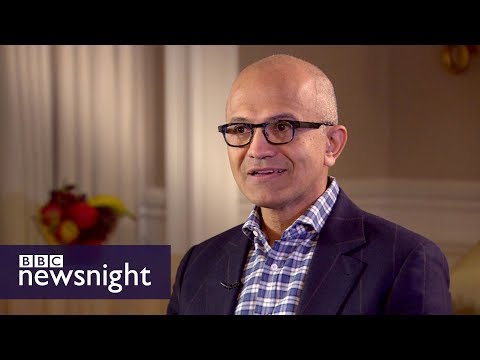
Satya Nadella (Microsoft CEO) - BBC Interview (Sep 2017)
Empathy-driven innovation and a commitment to corporate responsibility have transformed Microsoft under Satya Nadella's leadership, shaping a future where technology serves humanity. Through his emphasis on understanding customer needs and advocating for responsible technology, Nadella has positioned Microsoft as a leader in shaping a future where technology empowers humanity and contributes positively to society.

Vitalik Buterin (Ethereum Co-founder) - Ethereum Singapore (Aug 2017)
Blockchain technology and Ethereum's platform revolutionize digital interactions with decentralization, smart contracts, and diverse applications, but face challenges in scalability, privacy, and security. Innovations aim to overcome these challenges and expand Ethereum's utility in various industries.
Diane Greene (Google SVP Google Cloud) - VMware Cofounder Diane Greene with Jessica Livingston at the Female Founders Conference (Aug 2017)
Diane Greene's visionary leadership and unwavering perseverance led to the creation of VMware, transforming the IT industry through virtualization technology, and her subsequent roles at Intuit, Google, and Bebop exemplified her commitment to innovation and driving positive change.
Prince Turki Al Faisal (Saudi Arabia Former Government Official) - Arab-U.S. Relations (2017)
Prince Turki Al Faisal's diplomatic efforts have been instrumental in shaping the Middle East's geopolitical landscape, while Saudi Arabia's commitment to regional peace and stability has been key to fostering tranquility and prosperity. Saudi Arabia's preservation of its national identity and resistance to extremism, along with its commitment to nation-state preservation and regional cooperation, are vital for the Arab world's security.

Charlie Munger (Berkshire Hathaway Vice Chairman) - A Conversation with Charlie Munger at Michigan Ross (2017)
Charlie Munger's resilience and rational approach to business and investing, shaped by the Great Depression, offer lessons in adaptability, ethical decision-making, and pragmatic worldview. Munger's insights on Bitcoin, global trade, and success highlight the importance of open-mindedness, skepticism towards speculative investments, and a focus on long-term value.

Satya Nadella (Microsoft CEO) - Keynote at India Today Conclave Next (2017)
Satya Nadella envisions a technologically empowered and ethically responsible India, leveraging AI, mixed reality, and quantum computing for societal and economic progress. He emphasizes the importance of empathy, balance, and inclusivity in the responsible adoption of technology.
Mark Zuckerberg (Facebook Co-founder) - Bloomberg Interview (Aug 2017)
Facebook's mission-driven approach to internet connectivity aims to bridge the global digital divide by providing affordable and accessible internet to billions of people, particularly in underserved regions. Zuckerberg's vision extends beyond business considerations, emphasizing internet access as a fundamental human right, with the potential for economic upliftment and social progress.
Amory Lovins (Rocky Mountain Institute Co-founder) - Energy Innovation Summit (Aug 2017)
The global energy transition involves diverse strategies, technological advancements, and collaboration to address climate change and shape a sustainable future. Renewable energy sources, energy efficiency, and innovation play crucial roles in this transformation.
Rodney Brooks (Rethink Robotics Co-founder) - Fireside Chat with Rodney Brooks (Rethink Robotics) (Jul 2017)
Rodney Brooks discusses the evolution of robotics and AI, emphasizing the need for thoughtful consideration of their societal implications and the importance of understanding their nuances. He also shares insights from his transition from academia to entrepreneurship and his efforts to dispel misconceptions and fears surrounding AI and robotics.
Dharmesh Shah (HubSpot Co-founder) - From Day 0 to IPO (Jul 2017)
HubSpot challenged conventions and carved a niche in inbound marketing by focusing on customer engagement, retention, and strategically targeting the medium-sized market. HubSpot's remarkable growth is a testament to the power of strategic innovation, customer understanding, and the courage to defy convention.
Demis Hassabis (DeepMind Co-founder) - Google for Startups (Jul 2017)
Demis Hassabis' background in chess and gaming shaped DeepMind's culture and approach to AI, emphasizing long-term planning and resilience. AlphaGo's success was driven by Hassabis' vision, innovative strategies, and focus on transfer learning and intrinsic rewards.
Amory Lovins (Rocky Mountain Institute Co-founder) - Career Experiences of a Renowned Physicist (Jul 2017)
Efficiency measures and renewable energy sources are complementary strategies for achieving a sustainable energy future, while grid flexibility and distributed benefits are key to integrating renewables into the energy system.
Adam D'Angelo (Quora Co-founder) - How to Stop Fake News on the Internet (Jul 2017)
Quora prioritizes quality expert-driven content while rejecting sensationalism and adapts its platform to local values and interests while maintaining a cohesive global platform. Quora's focus on quality, expert-driven content, adaptability to local cultures, and commitment to continual improvement sets it apart from competitors.
Graham Allison (Harvard University Professor) - Destined for War (Jul 2017)
China's rise as a global superpower presents a geopolitical challenge for the US, leading to tense relations and the risk of conflict. Understanding the Thucydides Trap and seeking diplomatic solutions are crucial for peaceful coexistence and shaping the 21st-century international order.
Vinod Khosla (Khosla Ventures Founder) - The Future of Technology (Jul 2017)
Silicon Valley's thriving innovation culture drives groundbreaking ideas due to its risk tolerance and willingness to experiment, while AI's impact on jobs and healthcare promises significant changes.
Satya Nadella (Microsoft CEO) - Ideas for Tomorrow | Cleveland Clinic (Jun 2017)
Satya Nadella's leadership transformed Microsoft's culture, emphasizing empathy and a growth mindset, while driving partnerships and innovation in AI and HoloLens technology. Through his visionary leadership, Nadella aimed to empower individuals and organizations through technology, focusing on societal progress and shared prosperity.
Graham Allison (Harvard University Professor) - China's Rise and the U.S. (Jun 2017)
China's rise as a global power and the Thucydides Trap theory suggest potential conflict with the United States. Despite competition, shared interests in global challenges and strategic management can help avoid conflict.
Ruth Porat (Alphabet CFO) - Discussing Google's Pay Practices @ Code Conference (Jun 2017)
Google's strategy involves focusing on core areas like search and ads, cloud and hardware, and YouTube subscriptions while making strategic adjustments in cloud computing and healthcare. The company emphasizes data-driven decision-making, innovation, and focused investments to maintain market leadership and address challenges.
Jennifer Doudna (UC Berkeley Professor) - A Crack in Creation (Jun 2017)
Jennifer Doudna's research on CRISPR-Cas9 gene editing has revolutionized genetics, while her advocacy for inclusivity in science has inspired women in STEM fields. CRISPR's widespread accessibility raises concerns about misuse, highlighting the need for international dialogue and education to ensure responsible development and use.
Peter Norvig (Google Director of Research) - Google's Approach to AI and Machine Learning (Jun 2017)
AI holds promise for revolutionizing sectors like transportation and enhancing daily life, but raises ethical concerns in warfare, job displacement, privacy, and autonomy. Rapid advancements in AI, especially deep learning, have led to breakthroughs in gaming, healthcare, and everyday applications, but limitations remain for tasks requiring long-term planning or reasoning.
Vitalik Buterin (Ethereum Co-founder) - Cryptoeconomics (Jun 2017)
Decentralization, driven by blockchain technology and crypto-economics, has the potential to reshape industries, redefine governance models, and revolutionize the internet infrastructure. However, challenges such as scalability, user experience, and quantum cryptography threats need to be addressed for widespread adoption.
Nassim Nicholas Taleb (Scholar Investor) - Black Swans and Interventionists (May 2017)
Taleb criticizes interventionist foreign policies and quantitative economic methods, advocating for more organic and libertarian approaches to managing global affairs and economies. He remains optimistic about the future, envisioning a libertarian world managed organically and where news are democratized through social media.
Dean Kamen (Deka Research Founder) - Engineering and Healthcare (May 2017)
Dean Kamen advocates for collaboration and integration in healthcare engineering and education, promoting inclusive STEM engagement and transformative innovations. The MedTech industry faces challenges in regulatory approvals and talent gaps, emphasizing the need for interdisciplinary collaborations and advanced manufacturing systems.

Mark Zuckerberg (Facebook Co-founder) - Hawvard Commencement Speech (May 2017)
Mark Zuckerberg's Harvard commencement speech emphasized the importance of purpose in a world driven by technology, proposing strategies to harness technology, redefine equality, and build strong communities for global connection. He urged graduates to embrace their responsibility in shaping a future where purpose and opportunity are accessible to all.
Peter Norvig (Google Director of Research) - Remarks at Stevens Institute of Technology (May 2017)
AI and ML have advanced due to increased data availability, faster computation, and algorithmic breakthroughs, transforming industries such as speech recognition, image recognition, and self-driving cars. Automation brought by AI and ML will likely augment jobs, increase societal productivity, but also lead to disruptions and job transformations.
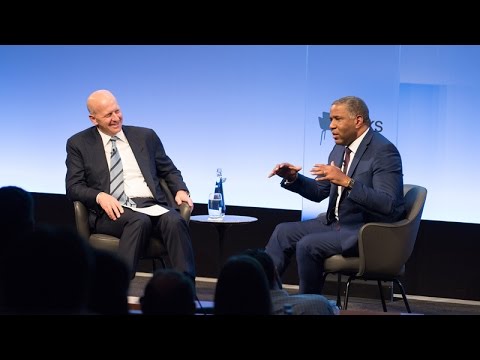
Robert Smith (Vista Equity Partners Founder) - The Fourth Industrial Revolution | Talks at Goldman Sachs (May 2017)
Robert Smith's journey from a Denver high school student to a technology and finance leader highlights the transformative power of innovation and strategic thinking in the digital age. His insights on technology's impact on industries, the importance of competitive advantages, and the need for long-term investment strategies offer valuable lessons for navigating the ever-changing landscape of business and technology.
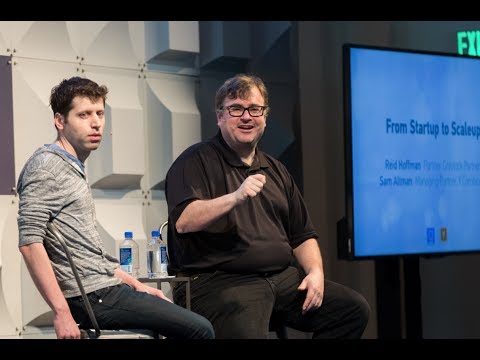
Sam Atlman (Y Combinator President) - From Startup to Scaleup (May 2017)
Network effects foster exponential growth and community among founders, while transitioning strategies and organizational structure are crucial for successful scaling.
Demis Hassabis (DeepMind Co-founder) - Presentation at Cambridge Society for the Application of Research (Apr 2017)
DeepMind's approach to artificial intelligence involves developing general-purpose learning algorithms using reinforcement learning, aiming for systems that can solve various tasks without explicit programming. AlphaGo's success in mastering the complex game of Go demonstrated the potential of this approach and highlighted the challenges of intuition and creativity in AI.
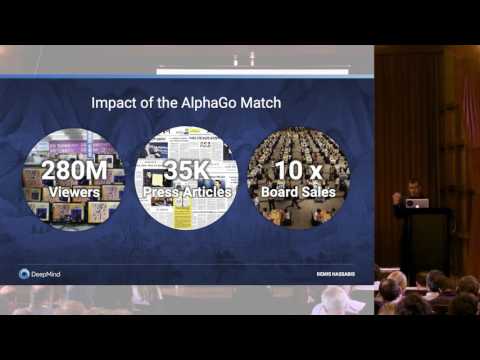
Demis Hassabis (DeepMind Co-founder) - Explorations in Optimality (Apr 2017)
AlphaGo's victory over Go champion Lee Sedol marked a pivotal advancement in AI and sparked a renaissance in intelligence research, with implications for AGI development and potential applications in diverse fields. AlphaGo's strategies revolutionized Go, challenged conventional wisdom, and revealed new possibilities for human-AI collaboration and AI-assisted scientific discoveries.
Fei-Fei Li (Google Cloud Chief Scientist, AI/ML) - Teaching Computers to See | The Harker School (Apr 2017)
Dr. Fei-Fei Li's pioneering work in computer vision led to the development of ImageNet, revolutionizing AI's approach to object recognition, and her advocacy for diversity in STEM fields aims to mitigate biases in AI systems.

Paul Volcker (USA Former Chairman of the Federal Reserve) - Bretton Woods Annual Meeting (Apr 2017)
Paul Volcker stressed the need to simplify the U.S. financial regulatory system and called for international cooperation in financial regulation to ensure market stability.

Geoffrey Hinton (Google Scientific Advisor) - What's Wrong with Convolutional Neural Networks (Apr 2017)
Capsule networks, inspired by human perception, enhance neural networks with structural organization and entity representation, addressing limitations of traditional networks. Capsule networks employ concepts like coordinate frames, equivariance, and linear manifolds to improve object recognition and perception.
Sam Altman (Y combinator President) & Dustin Moskovitz (Facebook Co-Founder) - How and Why to Start A Startup - Stanford CS183F (Apr 2017)
Sam Altman's course, CS183F, provides a comprehensive guide for entrepreneurs, covering essential topics ranging from the importance of a solid initial idea and team-building to the statistical odds of achieving 'unicorn status' and debunking media myths about entrepreneurship. The course aims not only to guide startups to financial success but also to help entrepreneurs understand their underlying motivations, offering a balanced view that challenges prevailing notions about wealth, impact, and entrepreneurial stress.
Satya Nadella (Microsoft CEO) - Future Decoded (Mar 2017)
Microsoft's mission in India centers around empowering individuals and organizations through digital transformation, bridging skill gaps, and fostering innovation. The company's initiatives, like Kaizala and Skype Lite, are tailored to India's unique needs and are driving advancements in industries, rural development, and inclusive growth.

Jennifer Doudna (UC Berkeley Professor) - SXSW (Mar 2017)
CRISPR-Cas9 revolutionizes genetic engineering, enabling precise DNA modifications, but raises ethical dilemmas regarding unintended consequences, eugenics, and societal impact.

Nassim Nicholas Taleb (Scholar Investor) - India Today Conclave (Mar 2017)
Technological progress is unpredictable, and our complex systems are fragile, making us vulnerable to black swan events. Debt fragilizes society and corresponds with hubris, thus reducing debt can increase robustness.
Vinod Khosla (Khosla Ventures Founder) - AI in healthcare - ApplySci @ Stanford (Mar 2017)
Vinod Khosla's exploration of AI in healthcare reveals immense potential for more precise diagnoses, personalized treatments, and cost reduction, but also raises concerns about job displacement, data privacy, and ethical dilemmas. AI can improve healthcare accuracy and accessibility but also poses challenges like job displacement and ethical dilemmas.
Vinod Khosla (Khosla Ventures Founder) - AI in healthcare - ApplySci @ Stanford (Mar 2017)
Artificial intelligence (AI) and innovation are revolutionizing healthcare by enabling personalized care, improving efficiency, and enhancing accessibility. Entrepreneurs and innovators are driving the adoption of AI solutions, but data challenges and integration into existing systems remain critical hurdles.

Jim Sinegal (Costco Co-founder) - Provost Lecture Series (Mar 2017)
Costco's success is attributed to its ethical approach, employee-centric culture, and customer-focused pricing strategy, while facing challenges such as adapting to technology and global expansion. Costco's commitment to ethics, employees, and customers has been a key factor in its enduring success and growth.
Prince Turki Al Faisal (Saudi Arabia Former Government Official) - Emerging Realities in the Middle East (Mar 2017)
Saudi Arabia navigates regional crises with a diplomatic strategy focused on stability, security, and cooperation, advocating for energy diversification and countering transnational terrorism. Saudi Arabia's foreign policy centers on regional security, stability, and diplomatic maneuvering amidst prevailing uncertainties.
Bill Gates (Gates Foundation) - The GeekWire Interview (Feb 2017)
Bill Gates emphasizes the significant progress made in global health and education, largely driven by data-based philanthropic efforts through the Gates Foundation, which has helped reduce childhood mortality rates and expand vaccines' reach. In addition to philanthropy, he advocates for innovation and governmental investment in various sectors, while also addressing controversial issues and emphasizing the importance of a comprehensive, empathetic approach to tackling global challenges.
Peter Thiel (Facebook Board of Directors) - Thiel (Feb 2017)
Conservatives reevaluate their principles in response to societal disillusionment, technological stagnation, and economic challenges. The slowdown in technological progress has led to diminished expectations and economic problems, prompting calls for policy changes and a nuanced approach to societal challenges.
Demis Hassabis (DeepMind Co-founder) - Exploring the Frontiers of Knowledge | DLD17 (Feb 2017)
DeepMind is revolutionizing AI through general-purpose learning systems that can adapt to various domains, from drug discovery to material design, showcasing the potential for AI-human collaboration in solving complex challenges. DeepMind's AlphaGo, the first computer program to defeat a professional human Go player, demonstrated AI's potential beyond gaming and sparked discussions on intuition, creativity, and human-AI collaboration.

Vitalik Buterin (Ethereum Co-founder) - Introduction to Cryptoeconomics (Feb 2017)
Blockchain protocols, a subset of crypto-economic systems, ensure security by blending cryptography and economic incentives. Vitalik Buterin's analysis explores data availability challenges in sharded blockchains and delves into bribery attacks and mitigation strategies in proof-of-stake protocols.
Vinod Khosla (Khosla Ventures Founder) - Journey from entreprenuer to VC, Future of Cleantech and AI (Feb 2017)
Vinod Khosla's journey exemplifies innovation, from co-founding Sun Microsystems to becoming a visionary venture capitalist shaping the future of technology. His foresight in recognizing the potential of TCP/IP and his passion for high-impact ventures have significantly influenced the tech industry and continue to inspire entrepreneurs and thinkers.
Vinod Khosla (Khosla Ventures Founder) - #failcon (Jan 2017)
Embracing failures, learning from mistakes, and adapting strategies are key to innovation and entrepreneurial success. Good failures involve learning and refining visions, while bad failures are marked by obstinacy and a refusal to adapt.
Geoffrey Hinton (Google Scientific Advisor) - Lecture 13/16 (Jan 2017)
Backpropagation's initial limitations were practical, not theoretical, leading to the rise of SVMs, but deep belief nets offered a new direction. Deep belief nets were challenging to learn, but variational learning and the wake-sleep algorithm emerged as potential solutions.

Sundar Pichai (Google CEO) - LIVE at IIT Kharagpur (Jan 2017)
Sundar Pichai, Google CEO and IIT Kharagpur alumnus, returned to his alma mater and shared nostalgic memories and insights on technology, education, and leadership. He emphasized the importance of well-rounded development, embracing failure, and targeting the global market for success.
Satya Nadella (Microsoft CEO) - Responsive And Responsible AI Leadership | DLD (Jan 2017)
Microsoft's approach to AI emphasizes empowering humanity, augmenting human capabilities, and addressing challenges like technological unemployment and ethical AI development. Satya Nadella's vision for the tech industry involves creating surplus, fostering economic growth, and assuming greater political responsibility.
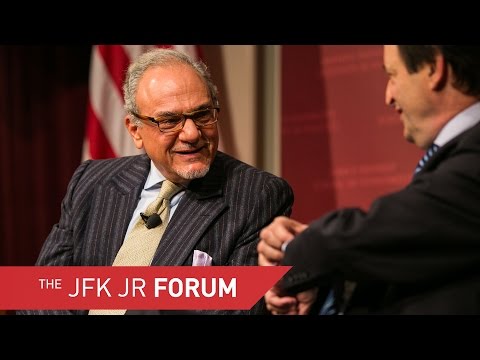
Prince Turki Al Faisal (Saudi Arabia Former Government Official) - Instability in the Middle East | Harvard Kennedy School (Jan 2017)
Complex conflicts and sectarian tensions plague the Middle East, posing challenges to stability and cooperation. Despite obstacles, potential exists for regional stability through collaboration, peace initiatives, and addressing emerging threats.

Jensen Huang (Nvidia Co-founder) - CES Talk with Mercedes on "Connectivity" (Jan 2017)
Mercedes-Benz and NVIDIA's partnership integrates AI into automobiles, enhancing driving experiences and shaping future automotive technology. The collaboration focuses on the CASE architecture and utilizes AI's potential to improve safety, efficiency, and connectivity.
Raghuram Rajan (University of Chicago Professor) - Are Capitalism and Democracy Failing Us? (Dec 2016)
Economic inequality, financial deregulation, and technocratic governance contributed to the recent economic crisis, leading to persistent unemployment, wealth concentration, and political backlash. Addressing education, skill-building, and innovation is crucial for restoring faith in capitalism and democracy.
Nassim Nicholas Taleb (Scholar Investor) - The dichotomy of behavioural economics | RiskMinds International (Dec 2016)
Simplicity is often more effective than complexity in uncertain decision-making environments, and experts' opinions should be critically evaluated.

Geoffrey Hinton (Google Scientific Advisor) - Neural Networks for Machine Learning by Geoffrey Hinton (Lecture 3/16 (Dec 2016)
Neural networks use linear neurons to learn with simple weighted sums of inputs and the delta rule to adjust weights based on error. Backpropagation efficiently computes error derivatives for hidden units and weights, enabling learning in multiple layers of features.
Bill Gates (Microsoft Co-Founder) - The David Rubenstein Show (Dec 2016)
Bill Gates evolved from a high school computer enthusiast to a co-founder of Microsoft, eventually becoming a leading philanthropist. His life journey encompasses pivotal moments in technology, complex business relationships, a focus on global challenges through his foundation, and a personal evolution that influenced his approach to philanthropy.
Nassim Nicholas Taleb (Scholar Investor) - What it takes to be antifragile | Nutanix .NEXT 2016 Europe (Nov 2016)
Optionality enables flexibility, risk mitigation, and the exploration of opportunities, while anti-fragility allows systems to thrive in uncertain and volatile environments by benefiting from shocks and stressors.

Prince Turki Al Faisal (Saudi Arabia Former Government Official) - WACOC-- Part 1 (Nov 2016)
Prince Turki Al-Faisal spoke on Saudi foreign policy, regional conflicts, and the importance of interfaith dialogue at a World Affairs Council event in Orange County. He also emphasized the need for regional cooperation and peaceful resolutions to conflicts in the Middle East, expressing concerns about Iran's nuclear ambitions and the ongoing crises in Syria and Yemen.
Jennifer Doudna (UC Berkeley Professor) - Lloyd "Holly" Smith Distinguished Lecture (Nov 2016)
CRISPR technology has revolutionized genetic engineering, enabling precise DNA modifications with potential for treating genetic diseases and developing novel therapies, but ethical and regulatory considerations are essential. CRISPR's versatility extends beyond DNA editing, with applications in RNA targeting and genome editing in various organisms, raising ethical questions about its use in germline cells and highlighting the need for responsible discussions about its implications.

Peter Thiel (Facebook Board of Directors) - Developing the Developed World | Khosla Ventures Conference (Nov 2016)
Peter Thiel prioritizes investment in futuristic technologies, seeking monopolies with durable cash flows, while balancing investor returns with societal impact. Thiel emphasizes the importance of identifying exceptional founders and managing conflicts in fluid startup environments.

Prince Turki Al Faisal (Saudi Arabia Former Government Official) - WACOC Q/A session (Nov 2016)
Saudi Arabia seeks regional stability, opposes nuclear proliferation, and aims to diversify its economy through Vision 2030, while addressing social and political challenges. The Kingdom works to improve regional relations and invest in its youth, playing an active role in global politics and humanitarian efforts.
Vinod Khosla (Khosla Ventures Founder) - Bloomberg Interview (Oct 2016)
Venture capitalist Vinod Khosla's journey emphasizes the significance of innovation, embracing failures as learning opportunities, and evaluating the role of education in preparing for modern challenges. Khosla's investment strategy focuses on transformative technologies like AI and nuclear power while addressing societal impacts and advocating for responsible use of powerful technologies.
Vitalik Buterin (Ethereum Co-founder) - Devcon2 (Oct 2016)
Ethereum, a versatile blockchain platform, enables a diverse range of applications and smart contract execution through its unique features and programming language. Ethereum is constantly innovating with plans for proof of stake, scalability enhancements, and privacy support to maintain its position at the forefront of blockchain technology.

Fei-Fei Li (Stanford Professor) - Keynote at Consumer Technology Association (Oct 2016)
Computer vision, inspired by human vision, aims to enable machines to interpret 2D images as 3D scenes, leading to total scene understanding like humans. The advent of computer vision mirrors a technological revolution akin to the evolutionary leap spurred by the development of eyes in the animal kingdom.

Sebastian Thrun (Udacity Co-founder) - Answering questions about self-driving cars (Oct 2016)
Self-driving cars are anticipated to become mainstream in the next decade, presenting challenges in developing business models, legal frameworks, and building consumer trust. Udacity's Self-Driving Car Nanodegree program equips students with in-demand skills for a growing industry, addressing the global demand for talent in this field.
Jeff Bezos (Amazon Founder) - Walter Isaacson Interview (Oct 2016)
In the interview, Jeff Bezos discusses a wide range of topics, including Amazon's customer-centric business philosophy, the role of innovation in driving the company, and the potential applications of AI and machine learning. He also covers personal influences, his space venture Blue Origin, and controversies surrounding Amazon, emphasizing a vision that extends from e-commerce to healthcare and space exploration.
Bill Gates (Microsoft Co-founder) - Bill Gates and will.i.am in conversation (Oct 26, 2016)
Bill Gates and Will I Am discuss the transformative potential of research and development (R&D) and STEM education in addressing societal issues like poverty and disease, while also acknowledging challenges such as social inequity and misinformation. They advocate for responsible regulation of technology, particularly artificial intelligence, and stress the importance of equitable education and international collaboration as essential to harnessing technological advancements for societal good.
Satya Nadella (Microsoft CEO) - WSJDLive conference in Laguna Beach (Oct 2016)
Microsoft is redefining its purpose, culture, and strategies to focus on customer-centric values, learning culture, and innovative technologies. The company is shifting from a "know-it-all" to a "learn-it-all" culture, emphasizing continuous learning and growth.

Jeff Dean (Google Senior Fellow) - Large Scale Deep Learning with TensorFlow (part 2) (Oct 2016)
Parallelism in machine learning reduces communication overhead and training time, and TensorFlow provides robust mechanisms for different parallelism types. Model parallelism and TensorFlow's capabilities enable efficient computation and diverse applications across fields like image search, speech recognition, and medical imaging.

Jeff Dean (Google Senior Fellow) - Google Brain and Brain Residency (Sep 2016)
Google's advancements in deep learning and AI, exemplified by TensorFlow and the Brain Residency Program, revolutionize industries and transform technology. Google's AI initiatives, such as TensorFlow and the Brain Residency Program, push the boundaries of artificial intelligence and drive innovation across various industries.
Sebastian Thrun (Udacity Co-founder) - Startup Grind Global Conference (Sep 2016)
Sebastian Thrun's vision for education emphasizes lifelong learning, accessibility, and technology to reshape educational and employment paradigms. Udacity's nanodegree programs exemplify Thrun's vision, offering accessible, job-focused education and bridging the global education gap.
Steven Chu (Stanford Professor) - Climate change and low cost path to clean energy (Sep 2016)
Climate change is real and primarily caused by human activities, and solutions exist for carbon capture and storage. Transitioning to cleaner energy sources, improving fracking practices, and reducing methane emissions are crucial for combating climate change.

Stan Druckenmiller (Duquesne Capital Management Founder) - Interview on the Fed Strategy (Sep 2016)
Generational theft involves increasing economic disparities between generations due to rising entitlement transfers to the elderly, leading to underinvestment in areas crucial for future prosperity. The aging population and increasing entitlement spending pose a significant financial challenge, requiring transparent accounting, informed dialogue, and pragmatic reforms to ensure equitable and sustainable economic opportunities across generations.
Hal Varian (Google Chief Economist) - Hal Varian (Sep 2016)
Hal Varian's journey illustrates the convergence of economics and technology, from his academic pursuits to his influential role at Google, shaping the field of information economics. Varian's insights on economic measurement, career advice, and the impact of globalization provide valuable perspectives in the digital age.
Ratan Tata (Tata Group Chairman Emeritus) - Interview @ EXIM Bank of US (2016)
Ratan Tata, Chairman of Tata Trusts, emphasizes integrity and the need for substantial economic reforms to boost India's growth, while also highlighting the challenges faced by Tata Enterprises in the steel industry due to global factors.
Jessica Livingston (Y Combinator Co-founder) - "How to Build the Future" Interview with Sam Altman (Aug 2016)
In a comprehensive guide based on insights from Y Combinator's Jessica Livingston, key factors for startup success include a strong focus on metrics, adaptability, and specific founder attributes like determination and domain expertise. Livingston also emphasizes the importance of avoiding early-stage distractions, the value of co-founder relationships, and shares Y Combinator's unique approach to startup acceleration.

Sam Altman (Y Combinator President) - Interview with Keith Rabois (July 2016)
Under Sam Altman's leadership, Y Combinator aims to become a global innovation leader by diversifying its investment portfolio into areas like hard science and scaling its reach through initiatives like the YC Fellowship. Altman offers nuanced guidance on startup growth, talent management, and the ethical and practical considerations of emerging technologies like AI, reflecting a long-term investment and innovation strategy.
Demis Hassabis (DeepMind Co-founder) - Towards General Artificial Intelligence | MIT (Jul 2016)
DeepMind, led by Demis Hassabis, aims to solve intelligence and utilize it to address real-world challenges, going beyond mastering games like Go. It employs general-purpose learning algorithms that can handle unforeseen situations, making AI more flexible and adaptive.
Bill Gates (Gates Foundation Co-founder) - Nelson Mandela Lecture by Bill Gates (Jul 2016)
Nelson Mandela's legacy of unity and innovation is key to addressing contemporary challenges in Africa, including poverty, inequality, and youth exclusion. The Center of Memory Project and the Nelson Mandela Annual Lecture highlight the importance of preserving memory and promoting dialogue to foster progress and social cohesion.
Demis Hassabis (DeepMind Co-founder) - Games are a microcosm of real-world problems (Jul 2016)
DeepMind's AlphaGo demonstrated AGI's potential to master complex tasks with limited instructions, inspiring human creativity and intuition. AlphaGo's victory over world champion Lee Sedol marked a significant achievement in AI, showcasing AGI's potential to solve complex problems beyond gaming.
Bill Gates (Gates Foundation) - "Bringing the Frontiers of Science to the Front Lines of Development" @ American Society For Microbiology (Jun 29, 2016)
In his address at ASM Microbe 2016, Bill Gates outlined the Bill and Melinda Gates Foundation's comprehensive strategy for tackling global health issues, which ranges from reducing childhood mortality and vaccine distribution to polio eradication and catalytic philanthropy. He also delved into the complexities of the field, including the need for sustained funding, addressing ethical and regulatory challenges, and the importance of global coordination and infrastructure.
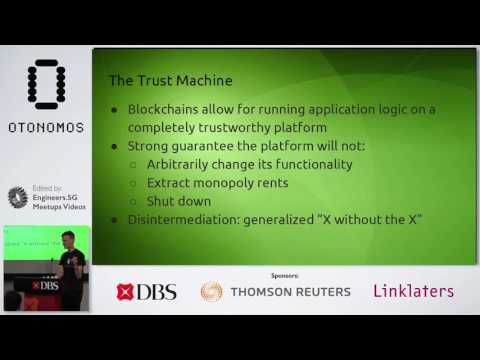
Vitalik Buterin (Ethereum Co-founder) - Crypto 2.0 (Jun 2016)
Blockchain technology has evolved from a niche concept to a global phenomenon, with applications in various sectors including government and finance. Despite its potential, blockchain faces significant challenges such as security risks and governance issues, while its future depends on addressing scalability concerns and developing open standards.
Sundar Pichai (Google CEO) - Walt Mossberg Code Conference Interview (Jun 2016)
Google's vision for the future involves integrating AI into daily life, making computing ambient and intuitive, and prioritizing user privacy. The company aims to monetize its platforms, including YouTube and Google Play, and address regulatory challenges while fostering open communication and collaboration.
Diane Greene (Google SVP Google Cloud) - Google, The Cloud, and the Future of Computing (Jun 2016)
Google Cloud, led by Diane Greene, is revolutionizing IT infrastructure with its cloud computing platform, while machine learning is transforming industries by optimizing operations and enhancing business offerings.
Barack Obama (USA President) - President Obama and Mark Zuckerberg Speak at GES 2016 (June 2016)
Entrepreneurship is vital for global progress, fostering innovation, diversity, and economic prosperity by addressing global challenges and empowering marginalized communities. Governments and technology play crucial roles in creating conducive environments for entrepreneurship, with connectivity and infrastructure development being key enablers.

Larry Fink (BlackRock Co-founder) - Global Perspectives / Investing with a Focus on Retirement | Economic Club of Florida (Jun 2016)
Rapid technological progress, shifting economic powers, and political uncertainty characterize the global economy, requiring a balanced approach to technological advancements and societal impacts. Embracing innovation and focusing on retraining, job placement, and financial literacy can mitigate the adverse effects of these changes.
Jennifer Doudna (UC Berkeley Professor) - CRISPR Biology and the New Era of Genome Engineering (May 2016)
CRISPR-Cas9 technology revolutionizes genetics and medicine by enabling precise DNA manipulation and opening vast possibilities for treating diseases and addressing challenges in agriculture. However, ethical considerations surrounding germline editing and potential misuse necessitate responsible use and ongoing discussions on its implications.
Raghuram Rajan (University of Chicago Professor) - Rethinking the Global Monetary System (May 2016)
The global economy faces challenges like uneven recovery, aging populations, and productivity slowdown. A revised monetary framework is needed to address these challenges and minimize negative spillovers.

Vitalik Buterin (Ethereum Co-founder) - Governance in Public Blockchains and DAOs (May 2016)
Blockchain governance faces unique challenges due to the need for protocol evolution and the dynamics of hard fork decision-making, which involve strategic maneuvering and Schelling points. DAOs explore various voting mechanisms, including futarchy, to address governance issues but face challenges like voter bribery and managing non-fungible assets.
Prince Turki Al Faisal (Saudi Arabia Former Government Official) - A Conversation with Prince Turki al-Faisal and Maj. Gen. (Res.) Yaakov Amidror (May 2016)
Saudi Arabia views the US as a strategic ally beyond government ties, while Israel prioritizes self-defense and regional cooperation, both emphasizing the importance of maintaining strong relations with the United States.
Jennifer Doudna (UC Berkeley Professor) - CRISPR Biology and the New Era of Genome Engineering (May 2016)
CRISPR-Cas9 genome editing technology has revolutionized genetics, molecular biology, and medicine, but its potential for germline editing raises ethical and societal questions. CRISPR-Cas9's immense possibilities necessitate careful ethical and practical considerations to ensure responsible use and address concerns about inappropriate or dangerous applications.
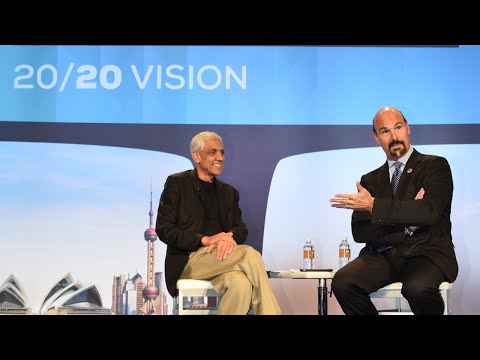
Vinod Khosla (Khosla Ventures Founder) - ASU GSV Summit (May 2016)
Technological tools for personalized learning and open-source materials can innovate education, while embracing failures and experimenting is key to progress.

Ruth Porat (Alphabet CFO) - The Secret to Being a Great CFO | Google Zeitgeist (May 2016)
Ruth Porat's journey from Wall Street to Silicon Valley highlights the contrasting cultures, with Google's mission-oriented approach prioritizing long-term value creation and fostering innovation over short-term pressures. Porat emphasizes the importance of robust risk management, transparency, and addressing societal issues through technology.
Paul Volcker (USA Former Chairman of the Federal Reserve) - Landon Lecture (May 2016)
Paul Volcker's lecture emphasized the urgency of combating inflation, highlighting its detrimental effects on economic stability and the need for coordinated policies involving monetary restraint, fiscal responsibility, and public understanding. Volcker's comprehensive strategy aimed to promote price stability and sustainable economic growth, addressing the challenges of inflation and the obstacles to bringing it down.
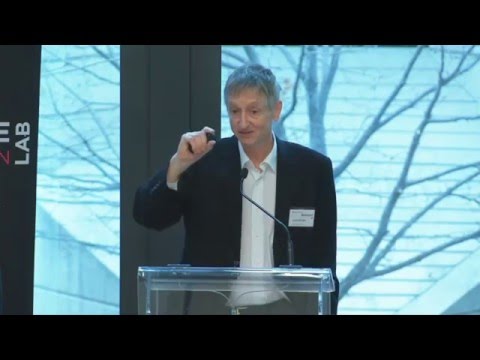
Geoffrey Hinton (Google Scientific Advisor) - Neural Networks for Language and Understanding | Creative Destruction Lab Machine Learning and Market for Intelligence conference (May 2016)
Neural networks, inspired by biological neurons, have revolutionized fields like speech and object recognition, but face challenges in achieving human-level AI, particularly in natural reasoning and understanding context.
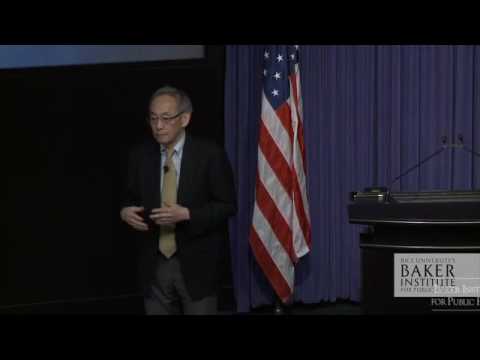
Steven Chu (Stanford Professor) - Civic Scientist High School Outreach (May 2016)
Steven Chu's journey exemplifies the transformative power of curiosity, perseverance, and dedication in science, overcoming early challenges to win the Nobel Prize and make impactful contributions beyond physics. His success in diverse fields showcases the value of interdisciplinary approaches and the joy of unexpected discoveries.
Warren Buffett (Berkshire Hathaway Chairman/CEO) - On The Presidential Election, Drug Prices & Brexit | CNBC (May 2016)
Warren Buffett shared insights on the global economy, investment strategies, and corporate trends at Berkshire Hathaway's shareholders' meeting. Buffett, Munger, and Gates also discussed challenges in healthcare, privacy, AI, and politics.
Stan Druckenmiller (Duquesne Capital Management Founder) - Breaking Promises (Apr 2016)
Lack of investment in youth and communities, especially in education, healthcare, and social services, is creating a crisis and undermining the nation's future prosperity and sustainability. Innovative approaches, such as the Harlem Children's Zone, offer hope and a roadmap for addressing this crisis and ensuring a brighter future for the nation's youth.
Ratan Tata (Tata Group Chairman Emeritus) - Remarks at Jungle Ventures (Apr 2016)
Ratan Tata's tenure at Tata Group transformed the company into a global conglomerate, while his venture capital investments fostered innovation and entrepreneurship in India. Tata emphasizes the importance of innovation-friendly environments, ethical leadership, and government support for startups.
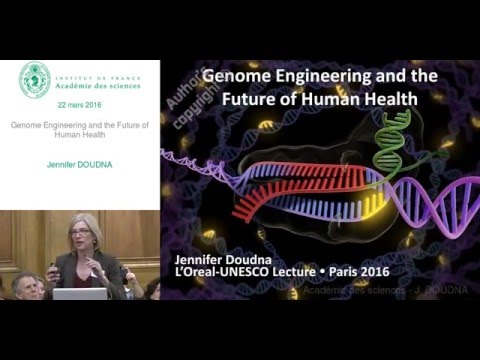
Jennifer Doudna (UC Berkeley Professor) - Genome Engineering and the Future of Human Health (Apr 2016)
CRISPR-Cas9 technology revolutionizes genome editing with unprecedented precision, enabling targeted interventions in specific DNA sequences. CRISPR-Cas9's versatility extends from basic research to clinical applications, sparking ethical discussions on responsible use and potential therapeutic breakthroughs.
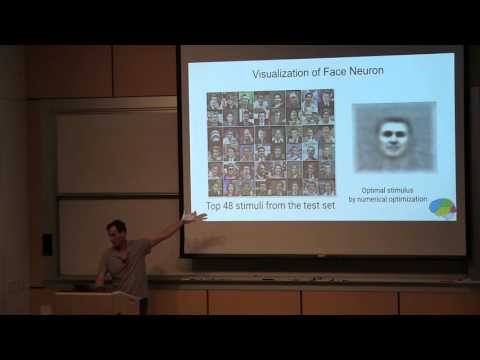
Jeff Dean (Google Senior Fellow) - Stanford CS231n (Mar 2016)
Machine learning has achieved breakthroughs in areas such as unsupervised learning, multitask learning, neural network architectures, and more. Asynchronous training accelerates the training process by running multiple model replicas in parallel and updating model parameters asynchronously.

Robert Smith (Vista Equity Partners Founder) - Youth Symposium 2016 (Mar 2016)
Robert F. Smith's upbringing exposed him to economic disparities, motivating him to pursue entrepreneurial ventures and community involvement. His experiences at Bell Labs fostered his belief in the profit-generating potential of intelligence and innovation.
Raghuram Rajan (University of Chicago Professor) - Ramnath Goenka Lecture (Mar 2016)
India's strategy to counter global challenges includes macroeconomic stability, fiscal consolidation, banking sector reforms, and productivity enhancement. India's exchange rate stability and engagement in global discourse aim to boost exports and assert influence beyond power dynamics in international organizations.

Warren Buffett (Berkshire Hathaway Chairman/CEO) - CNBCs Squawk Box (Feb 2016)
Warren Buffett is optimistic about long-term investment prospects despite market volatility and industry challenges, emphasizing the importance of focusing on fundamental asset value and finding a career one is passionate about.
Vinod Khosla (Khosla Ventures Founder) - Startup Grind Global Conference 2016 (Feb 2016)
Investors in startups should challenge assumptions and encourage diverse perspectives, while founders should retain the CEO position for their intrinsic understanding of the company's mission and strategy.
Jennifer Doudna (UC Berkeley Professor) - CRISPR Biology, A New Era in Genome Engineering (Feb 2016)
CRISPR-Cas9 genome editing revolutionizes medicine and ethics, enabling precise genetic modifications with potential applications in research, medicine, agriculture, and biotechnology, while raising ethical and societal concerns. CRISPR-Cas9, a revolutionary genome editing tool, offers immense potential in medicine and research but necessitates responsible handling due to ethical and societal considerations.
Dharmesh Shah (HubSpot Co-founder) - Why Company Culture is Crucial (Feb 2016)
Company culture is a crucial factor in startup success, often overlooked in favor of product development and fundraising. Transparency, employee empowerment, and adaptability are key elements in building a positive and productive culture that drives performance and attracts top talent.
Jeff Dean (Google Senior Fellow) - Large-Scale Deep Learning for Building Intelligent Computer Systems | Qualcomm (Feb 2016)
Deep neural networks have revolutionized computational capabilities in various domains, bringing about groundbreaking results in perception-based tasks and creating new opportunities for advancing artificial intelligence and machine learning. The challenges of scalability, interpretability, and robustness, however, demand ongoing exploration and research.

Stephen Hawking (University of Cambridge Professor) - Black holes ain't as black as they paint them (Feb 2016)
Stephen Hawking's theories revolutionized our understanding of black holes and the universe, introducing the concept of Hawking radiation and challenging the principle of information conservation. His work also explored extra dimensions, philosophical questions about determinism and free will, and the possibility of other universes.
Dharmesh Shah (HubSpot Co-founder) - Stanford Seminar - Enntrepreneurial Thought Leaders (Feb 2016)
HubSpot's emphasis on culture, transparency, and inclusivity contributed to its market success and employee satisfaction. A well-defined and positive culture can make a startup more appealing to potential customers, investors, and partners.
Sheikh Ahmed Zaki Yamani (Saudi Arabia Former Minister of Petroleum and Mineral Resources) - Womens Right to Public and Political Office in Islam (Feb 2016)
Ahmed Zaki Yamani explores the varied interpretations of Islamic teachings on women's political competence and argues for reinterpreting gender roles and social attitudes based on biological evidence and Islamic teachings. Yamani also emphasizes the importance of dialogue and information exchange to foster understanding between Muslims and Christians and stresses the concept of oneness in Islam and the singular entities of mankind and human, encompassing both men and women.
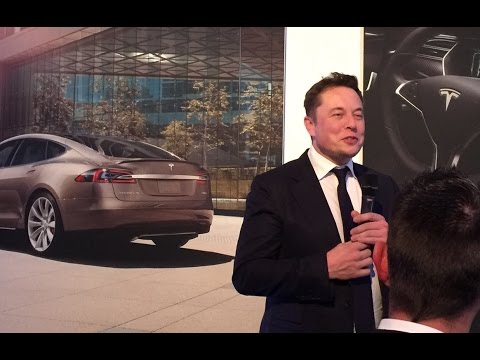
Elon Musk (Tesla CEO) - Q&A in Paris (Jan 29, 2016)
Elon Musk outlined Tesla's multi-faceted strategy focused on international expansion, particularly in Europe, and innovation in automotive technology including autonomy and energy storage solutions. He also discussed the importance of customer support, the challenges posed by regulations, and broader concerns about the impact of artificial intelligence, all while maintaining Tesla’s commitment to sustainability and market differentiation.

Prince Turki Al Faisal (Saudi Arabia Former Government Official) - Remarks at Academie Diplomatique International (Jan 2016)
Saudi Arabia has evolved from diverse Bedouin tribes to a unified nation-state, playing a significant regional role while countering extremism and fostering global dialogue. Saudi Arabia's commitment to countering terrorism and fostering dialogue forms a crucial part of its international engagement.
Diane Greene (VMWare Co-founder) - Scaling Products and Culture at VmWare (Nov 2015)
Diane Greene's leadership at VMware emphasized hiring talented individuals, encouraging innovation, and fostering a culture of transparency and collaboration. VMware's success stemmed from its channel-neutral strategy, diverse sales approaches, and commitment to product evolution through strategic partnerships.

Alan Kay (VPRI Co-founder) - The Dynabook/Past, Present and the Future part 2 (VPRI 930) (Nov 2015)
PARC's innovations in the 1970s, led by Adele Goldberg, revolutionized human-computer interaction with the Alto's GUI and Smalltalk's intuitive programming language, shaping modern computing and education. These innovations emphasized simplicity, user engagement, and joyful discovery, inspiring future advancements in personal computing and graphical user interfaces.
Robin Hayes (JetBlue CEO) - State of the Industry Conference 2015 - Curacao (Oct 2015)
JetBlue's expansion in the Caribbean has been driven by its commitment to customer service, affordable fares, and strategic partnerships, resulting in market leadership and economic contributions to the region. The airline's focus on sustainability and ecotourism reflects its recognition of the interdependence between the health of Caribbean shorelines and its economic vitality.
Sebastian Thrun (Udacity Co-founder) - Universal Law of Innovation (Sep 2015)
Sebastian Thrun's passion for solving societal problems led him to focus on self-driving cars and education, using logical execution and rapid iteration to drive innovation and achieve societal impact. Thrun's methodical approach and unwavering dedication to improving society through technology serve as an inspiration for aspiring innovators.
Vaclav Smil (University of Manitoba Professor) - Energy Revolution? More like a Crawl (Sep 2015)
Fossil fuels still dominate the global energy mix, with challenges in transitioning to renewable energy sources due to intermittency and low capacity factors. Nuclear power faces acceptance issues despite its significant electricity generation due to safety concerns and waste disposal challenges.
Hal Varian (Google Chief Economist) - Antitrust Economics 2.0 (Sep 2015)
Search engines like Google have become lucrative through targeted advertising leveraging the internet's scale and low marginal costs. Google's auction model optimizes ad revenue by ranking ads based on bid amount multiplied by the click-through rate.

Satya Nadella (Microsoft CEO) - Dreamforce 2015 Keynote (Sep 2015)
Microsoft's transformation under Satya Nadella emphasizes a growth mindset, diversity, and a focus on innovative technologies to revolutionize work and user experiences. The company's cloud business and data-driven approach are key to its success, with HoloLens representing a groundbreaking mixed reality innovation.
President Obama (The Obama White House President) - President Obama and the President of the People’s Republic of China hold a Joint Press Conference (September 25, 2015)
In a comprehensive meeting between President Obama and Chinese President Xi, the leaders discussed a wide range of topics including economic interdependence, cybersecurity, climate change, and human rights. The dialogue revealed a complex U.S.-China relationship characterized by both cooperation on shared global responsibilities and challenges arising from divergent political ideologies and security concerns.
Nassim Nicholas Taleb (Scholar Investor) - 2015 Fletcher Conference on Managing Political Risk (2015)
Nassim Taleb's insights question overreliance on data for predictions, emphasizing fragility and the influence of extreme events. He advocates for building robust systems that embrace unpredictability and ethical considerations in data analysis.
Nathan Myhrvold (Intellectual Ventures Co-founder) - Technology and the Future of Food (2015)
Technology can be used to improve food quality, sustainability, and diversity, from restructuring commodity markets to reviving ancient grains and utilizing high-end cuisine's influence. Innovation and technology are key drivers of food innovation, helping reconnect consumers with farmers and creating a more sustainable and equitable food system.
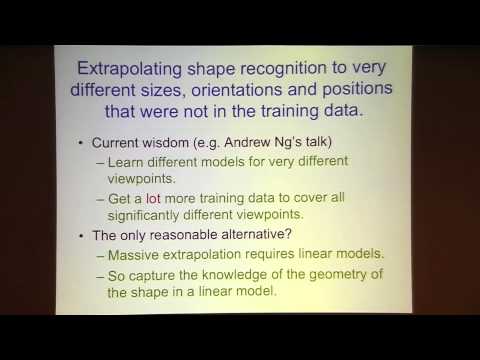
Geoffrey Hinton (Google Scientific Advisor) - Does the Brain do Inverse Graphics? (Aug 2015)
Convolutional neural networks (CNNs) lose positional information, hindering complex recognition tasks, while capsule networks retain it, enabling efficient object recognition and understanding. Capsule networks learn the 3D structure of objects, allowing for viewpoint generalization and reconstruction.
Peter Thiel (Facebook Board of Directors) - The Buttonwood Gathering (Aug 2015)
Regulatory frameworks influence innovation and shape perceptions of technology, while fear and hostility towards technology can impede progress.
Alan Kay (VPRI Co-founder) - Power of Simplicity (2015)
Complexity is exponentially increasing in technology and software development, requiring innovative approaches to navigate it. Corporations often hinder innovation by relying on outdated technologies and stifling creativity.
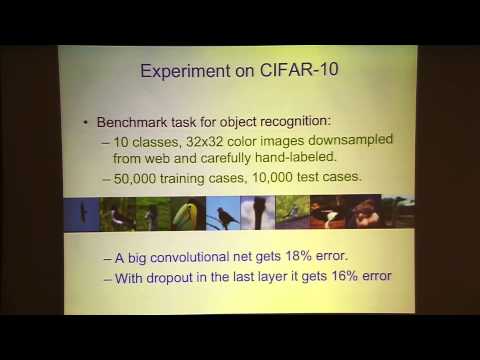
Geoffrey Hinton (Google Scientific Advisor) - A Computational Principle that Explains Sex, the Brain, and Sparse Coding (Aug 2015)
Geoffrey Hinton's work explores the use of stochastic binary spikes in neural communication and applies dropout regularization to neural networks, leading to improved generalization and insights into evolutionary aspects of neural networks.
Peter Thiel (Facebook Board of Directors) - We are in a Higher Education Bubble (Jul 2015)
Peter Thiel challenges conventional notions of success and education, advocating for non-conformity, creativity, and technological innovation as keys to progress. He emphasizes the importance of vertical progress, represented by technology, in creating valuable businesses and driving innovation.
Lee Hsien Loong (Singapore Prime Minister) - Singapore at 50 (Jul 2015)
Singapore's journey from a nascent nation facing challenges to a thriving global hub highlights visionary leadership, pragmatic policies, and cohesive societal development. Singapore's success story is attributed to its economic policies, social fabric, political system, and role in the international arena, including its navigation of superpower rivalry and China's global ambitions.
Elon Musk (SpaceX Co-Founder) - International Space Station National Laboratory (July 7, 2015)
Elon Musk, as the CEO of SpaceX and co-founder of multiple other companies, focuses on key factors like reusability and technological innovation, such as 3D printing, to make space travel more economical and efficient. Alongside this, he values transparent collaboration with regulatory bodies like NASA and the FAA, seeing public-private partnerships as crucial for advancing space technology and ensuring mission success.
Fei-Fei Li (Stanford Professor) - A Quest for Visual Intelligence (Jun 2015)
From basic object recognition, computer vision has advanced to understanding visual content like humans through the fusion of data, learning algorithms, and knowledge. Machines can now interpret visual information and generate natural language descriptions, paving the way for AI storytelling from images.
Sundar Pichai (Google CEO) - Interview at Khosla Ventures (Jun 2015)
Mobile technology is evolving beyond traditional computing paradigms, integrating more deeply into our daily lives, and driving societal changes through disruptive innovations. Google aims to empower the mobile platform with intelligent and assistive experiences, focusing on integration, cross-platform productivity, and emerging areas for new experiences.
Ratan Tata (Tata Group Chairman Emeritus) - Ratan N. Tata receives Honoris Causa degree at HEC Paris (Jun 2015)
Ratan Tata, former chairman of Tata Group, was honored by HEC Paris for his innovative spirit, commitment to ethics, and global business success. Despite challenges with acquisitions and ethical dilemmas, Tata maintained integrity and achieved growth without compromising values.

Lee Hsien Loong (Singapore Prime Minister) - SMU Ho Rih Hwa Lecture Q&A (Jun 2015)
Singapore must focus on resilience and adaptability to overcome economic uncertainties and equip students with skills for a rapidly changing world. Prime Minister Lee emphasizes balancing technological advances with human values and maintaining Singapore's unique identity.
Nassim Nicholas Taleb (Scholar Investor) - Interview with Bruce Oreck at Tomorrow Conference (Jun 2015)
Nassim Taleb emphasizes the importance of embracing risk, learning from failure, and fostering anti-fragility through decentralized governance, practical education, and diverse income sources. Taleb also highlights the value of sleep, walking, and social interactions for personal well-being and resilience.

Sam Altman (Y Combinator President) - Career Advice (Jun 2015)
Early career choices can significantly impact long-term success, and founding companies can be a path to creating a significant impact in the world. Startups can revolutionize industries and change assumptions about how things work.
Peter Thiel (Facebook Board of Directors) - Imagining the Future, Innovation, and God (Jun 2015)
Imagination, technology, and faith are intertwined in shaping a future that is not only technologically advanced but also ethically sound and spiritually meaningful. Human agency is crucial in creating a better future, but it should be guided by the providence of God and the desire to build a just and flourishing society.

Stan Druckenmiller (Duquesne Capital Management Founder) - Risk-Reward Imbalance (May 2015)
Druckenmiller criticizes the Federal Reserve's zero-interest rate policy and advocates for early rate hikes to prevent asset bubbles and economic problems. He expresses concerns about debt-driven growth and sees opportunities in currency divergence and undervalued markets.
Demis Hassabis (DeepMind Co-founder) - Human AI is Decades Away, But We Need to Start the Debate Now | Demis Hassabis | Google Zeitgeist (May 2015)
Demis Hassabis, a pioneer in artificial intelligence, seeks to understand intelligence and apply it to global challenges, using DeepMind's reinforcement learning framework inspired by neuroscience. Hassabis envisions AI as a 'meta-solution' for modern challenges, while emphasizing ethical development and collaboration.
Vinod Khosla (Khosla Ventures Founder) - Failure does not matter. Success matters. | Stanford GSB (May 2015)
Vinod Khosla's philosophy includes taking risks, embracing failure, and finding opportunities at the edges of systems to drive meaningful change through innovation and venture capital. He encourages cultivating a strong personal compass and belief system to challenge norms, embrace failure, and create a positive impact.

Nassim Nicholas Taleb (Scholar Investor) - The Law of Large Numbers and Fat Tailed Distributions (May 2015)
Fat-tailed distributions challenge traditional statistical methods, necessitating a paradigm shift in inference and inequality measurement. Traditional approaches fail in accurately estimating means, measuring inequality, and understanding extreme events in fat-tailed distributions.
Ram Shriram (Sherpalo Ventures Founder) - USC Viterbi Commencement (May 2015)
Graduates were encouraged to embrace resilience, innovation, and core values while building personal brands and seeking balance in their pursuit of professional and personal success. Shriram emphasized the importance of learning from mistakes, embracing change, and valuing people over ideas in achieving meaningful achievements.

George Soros (Soros Fund Management Founder) - The Future of Europe (Apr 2015)
Europe faces division and existential crises, while Ukraine showcases a vibrant civil society and potential for positive change with investment and strategy.

Peter Thiel (Facebook Board of Directors) - Stagnation, innovation, and What Not to Name Your Company (Apr 2015)
Peter Thiel emphasizes the divide between physical and digital innovation, while highlighting the need to challenge societal norms and explore unpopular causes for substantial social impact. Thiel also encourages individuals to seek unconventional career paths and embrace originality in entrepreneurship and life perspectives.

Amory Lovins (Rocky Mountain Institute Co-founder) - Winning the Oil Endgame (Mar 2015)
Amory Lovins' advocacy for energy efficiency and renewable energy sources aims to enhance national security, economic competitiveness, and environmental sustainability. Lovins proposes a multifaceted approach to reduce oil reliance and transition to a hydrogen-based transportation system, emphasizing vehicle efficiency, biofuels, and policy innovations.
Doug Engelbart (Doug Engelbart Institute Founder) - Week 1 of 10 (Mar 2015)
Collaborative environments and reliable systems are key to addressing modern challenges in technology and knowledge work, with the need for continuous improvement, distributed governance, and high-performance teams. These ideas emphasize the integration of diverse perspectives and technologies for more interconnected, secure, and efficient knowledge systems.
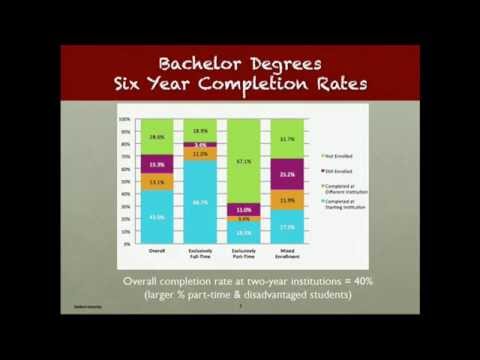
John Hennessy (Stanford President) - American Council on Education Annual Meeting (Mar 2015)
Online technologies have the potential to address challenges in higher education such as rising costs, low completion rates, and lack of access, but there are still challenges to overcome such as ensuring the quality of online learning, maintaining student engagement, and preventing fraud and cheating. Online technologies can transform higher education by enhancing access, reducing costs, and improving learning outcomes, but collaboration between faculty and online learning experts is essential to address challenges such as ensuring quality, maintaining engagement, and preventing fraud.
Doug Engelbart (Doug Engelbart Institute Founder) - Pilot outposts on the frontier | Engelbart Colloquium @ Stanford [Week 8 of 10] (Mar 2015)
Integrating dynamic knowledge management enhances operational effectiveness and client engagement in the evolving landscape of business intelligence and technology. Balancing diverse client needs and technological advancements is crucial for successful intelligence collection and knowledge management.
Doug Engelbart (Doug Engelbart Institute Founder) - Augmenting organizational capabilities | Engelbart Colloquium @ Stanford [Week 2 of 10] (Mar 2015)
Doug Engelbart emphasizes the transformative power of digital technology, akin to historical shifts like writing and agriculture, and proposes a strategic framework for augmenting human capabilities and addressing complex challenges. Engelbart envisions organizations establishing knowledge outposts and networked improvement communities to facilitate knowledge sharing, collaboration, and continuous improvement.
Doug Engelbart (Doug Engelbart Institute Founder) - Enabling technology - Missing pieces | Engelbart Colloquium @ Stanford [Week 4 of 10] (Mar 2015)
Doug Engelbart and the Millennium Project envision a future of dynamic knowledge repositories, augmented knowledge workshops, and open hybrid argumentation systems. They emphasize the importance of standards, collaboration, and user involvement in the evolution of knowledge management systems.
Mark Zuckerberg (Facebook Co-founder) - Mobile World Congress (Mar 2015)
Internet connectivity has a profound impact on societies, fostering communication, business development, education, and economic growth. Collaborative efforts between tech giants, telecom operators, and governments are key to expanding internet access globally, creating opportunities for empowerment and connection.
Peter Thiel (Facebook Board of Directors) - Thiel on being a contrarian | This Week in Startups (Mar 2015)
Peter Thiel emphasizes the pursuit of monopolies through innovation and avoiding competition, while acknowledging the transformational impact of AI and automation on industries and society. Thiel's contrarian views challenge conventional wisdom and offer valuable insights into modern entrepreneurship and the future of business and innovation.
Peter Thiel (Facebook Board of Directors) - Zero to One (Feb 2015)
Peter Thiel's views challenge conventional wisdom, arguing that monopolies can be beneficial and innovation often involves complex coordination and market strategy.
Jennifer Doudna (UC Berkeley Professor) - Davos 2015 - Rewriting Human Genes (Feb 2015)
CRISPR-Cas9 is a revolutionary genome engineering tool with vast potential in medicine, agriculture, and biotechnology, but its applications raise profound ethical concerns, particularly regarding human germline editing.
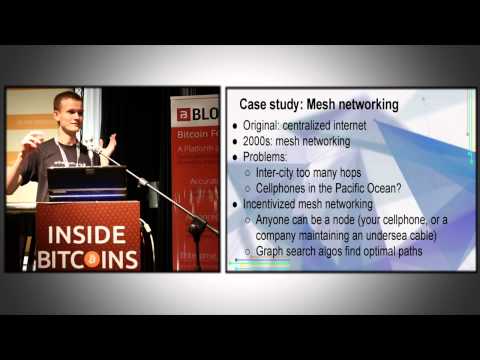
Vitalik Buterin (Ethereum Co-founder) - Ethereum and the Power of Abstraction in Human History (Jan 2015)
Blockchain technology offers transparency, but challenges include slow execution and higher costs due to the trade-off between decentralization and efficiency. Decentralization has evolved from centralized intermediaries to decentralized databases and is now moving towards replacing centralized intermediaries with market mechanisms.
Peter Thiel (Facebook Board of Directors) - Zero to One | USC Annenberg (Jan 2015)
Peter Thiel advocates for exploring untapped opportunities and emphasizes the importance of finding secrets in unconventional areas to create unique businesses. Thiel criticizes the current education system for stifling creativity and suggests more heterogeneous educational pathways.

Nassim Nicholas Taleb (Scholar Investor) - The Precautionary Principle and Genetically Modified Organisms (Jan 2015)
Navigating risk, evidence, and decision-making requires a cautious approach, guided by the precautionary principle and understanding of statistical risk in fat-tailed domains. Technological advancements and systemic risks pose challenges that demand collective and informed decision-making.
Peter Thiel (Facebook Board of Directors) - Developing the Developed World (Dec 2014)
Peter Thiel's philosophy emphasizes monopolistic strategies, value capture, and contrarian thinking for transformative business success, challenging conventional wisdom and societal norms. Thiel argues that monopolies are essential for substantial impact and success, and entrepreneurs should aim for differentiation and value creation rather than engaging in futile competition.
Jerry Yang (Yahoo Founder) - Mobile Innovation in China (Dec 2014)
China's internet sector experienced meteoric growth and leapfrogged traditional e-commerce paths due to unique circumstances, while Chinese entrepreneurs excel in product creativity and differentiation, leading to the emergence of China-first applications.
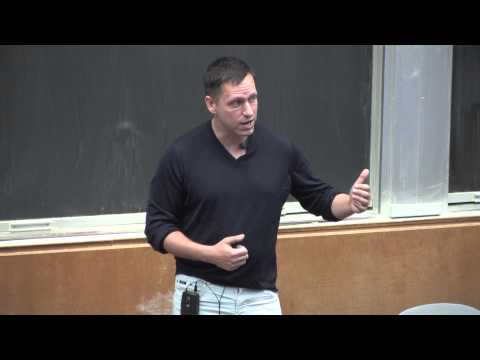
Peter Thiel (Facebook Board of Directors) - Developing The Developed World | Northwestern Engineering (Dec 2014)
Peter Thiel believes that monopolies are the ultimate goal of capitalism and that competition stifles innovation. Contrarily, he suggests targeting small niches, uncovering hidden opportunities, and embracing unconventional approaches to education and business.
Jeff Bezos (Amazon Founder) - Interview (Dec 2014)
Jeff Bezos, the founder of Amazon, emphasizes the importance of long-term planning, calculated risk-taking, and learning through iteration as core principles for sustainable business growth. He maintains that a cohesive corporate culture focused on innovation and customer obsession is essential, and advocates for transparency with investors and adaptability in strategy, as demonstrated by Amazon's diversified ventures and long-term investments.

Peter Thiel (Facebook Board of Directors) - Virtual Money, Privacy, and the Internet (Nov 2014)
Digital currencies are rising, challenging financial privacy and government control over monetary systems, while encryption complicates government surveillance and taxation efforts.

George Soros (Soros Fund Management Founder) - Mortgage Crisis, And The Credit Crash and Solution (Nov 2014)
The recent financial turmoil is rooted in misconceptions and credit expansion, with George Soros advocating for systemic reforms and sustainable solutions like regulating credit and investing in non-polluting fuel sources. Globalization and the dollar's dominance as a reserve currency have led to the current phase of financial crises, requiring a rethinking of economic policies and regulatory frameworks.
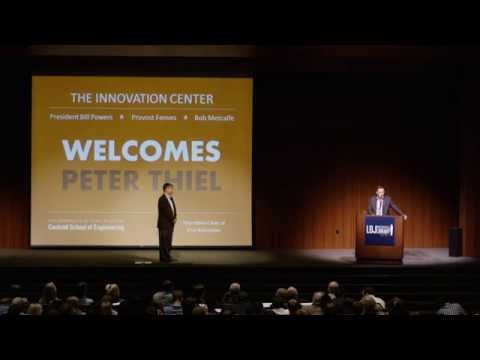
Peter Thiel (Facebook Board of Directors) - From Zero to One - Peter Thiel at the Innovation Center at Cockrell School of Engineering (Nov 2014)
Peter Thiel's contrarian approach to entrepreneurship emphasizes uniqueness, pursuit of monopolies, and the critical role of founders in tech innovation. He challenges conventional wisdom and encourages entrepreneurs to question commonly held beliefs and seek unexplored opportunities.
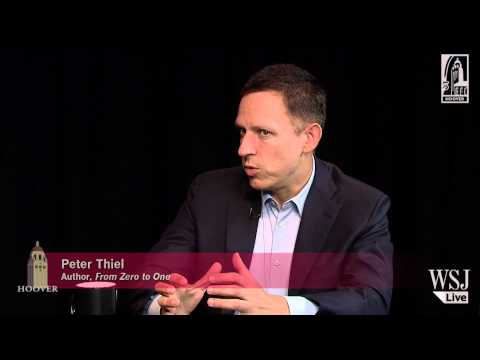
Peter Thiel (Facebook Board of Directors) - Markets, Technology, and Education | Hoover Institute (Oct 2014)
Peter Thiel advocates for transformative innovations, monopolies over competition, and emphasizes technology's role in driving progress, while criticizing the current state of education and economic policies. Thiel encourages individuals to actively shape the future through innovation and choice, balancing technological advancements with personal meaning.

George Soros (Soros Fund Management Founder) - Will EUROZONE fully Recover? (Oct 2014)
Traditional economic theory failed to predict the 2008 financial crisis, leading to the need for rethinking economic foundations and acknowledging the fallibility of market participants and authorities. The Euro crisis exemplifies the influence of misconceptions and lack of understanding on social change, requiring urgent action and institutional reforms to avert further deterioration.

Elon Musk (Tesla and SpaceX) - Walter Isaacson Interview @ Vanity Fair’s New Establishment Summit (Oct 2014)
Elon Musk shared his multifaceted vision for the future, which includes accelerating the transition to sustainable energy through Tesla, cautioning against the risks of artificial intelligence, and exploring innovative transportation technologies. Musk also hinted at an upcoming announcement labeled "D," discussed the open-sourcing of Tesla's patents to further its mission, and offered advice on fostering innovation in industries.
Jeff Dean (Google Senior Fellow) - Large Scale Machine Learning for Predictive Tasks (Oct 2014)
Deep learning has revolutionized recommendation systems and natural language processing, enabling more accurate personalized experiences through efficient training techniques and embeddings. Large-scale deep learning models are crucial for managing complex data in modern systems, and embeddings help manage sparse, high-dimensional data in NLP.

Gwynne Shotwell (SpaceX President) - Society of Women Engineers (Oct 2014)
The WE14 conference highlighted the progress, innovation, and spirit of change in engineering and science, and celebrated women's contributions in STEM fields globally. Gwen Shotwell's journey at SpaceX showcased her commitment to innovation, leadership, and balancing a demanding career with family life.
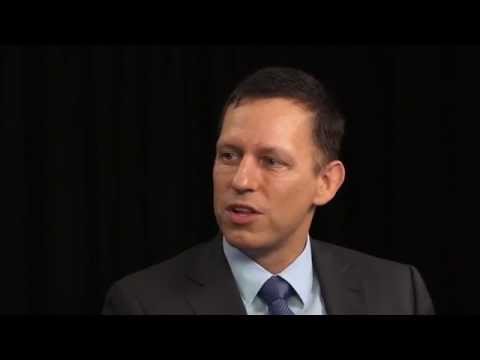
Peter Thiel (Facebook Board of Directors) - Innovation and Stagnation (Sep 2014)
Peter Thiel's discussion emphasizes the societal stagnation in innovation due to institutional homogenization, educational conformity, and political correctness, calling for cultural and political shifts to embrace non-conventional thinking and risk-taking. Thiel criticizes higher education's conformity and lack of innovation, advocating for paths that encourage critical thinking and unconventional approaches.
Prince Turki Al Faisal (Saudi Arabia Former Government Official) - Statesman's Forum | Center for Strategic & International Studies (Sep 2014)
Saudi-U.S. relations have grown stronger in recent years, built on common interests and a commitment to address regional challenges, including terrorism, Iraq, Iran, and the Israeli-Palestinian conflict. Both countries emphasize the importance of mutual respect, understanding, and cooperation in addressing these issues.
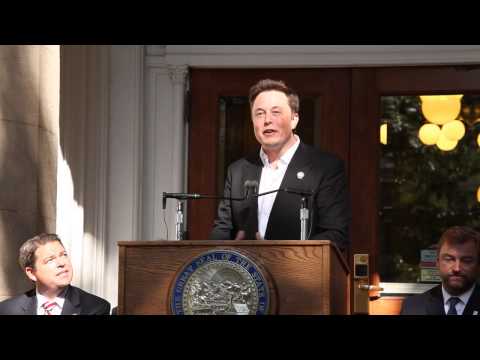
Elon Musk (Tesla CEO) - Tesla Gigafactory Announcement (Sep 2014)
Tesla's Gigafactory in Nevada is projected to generate $100 billion in economic impact over 20 years and create 22,500 new jobs, while also revolutionizing education through significant investments in K-12 and research.

Alan Kay (VPRI Co-founder) - VPRI-0843 Alan Kay Segment (Sep 2014)
Alan Kay's unconventional approach to computer science, inspired by fantasies and focused on simplicity and learning, has revolutionized digital interaction and reshaped our understanding of technology's role in human experience. His contributions include pioneering AI, overlapping windows, and emphasizing user-friendly design.

Vitalik Buterin (Ethereum Co-founder) - Ethereum Update (Sep 2014)
Ethereum has experienced significant progress in protocol development, organizational structure, and the transition towards Proof of Stake, while facing challenges in implementation and governance. The Ethereum Foundation emphasizes community involvement and decentralized governance in shaping the platform's future.
Sam Altman (Y Combinator President) - Lecture 1 - How to Start a Startup [Sam Altman + Dustin Moskovitz] (Sep 23, 2014)
Sam Altman, President of Y Combinator, presents a holistic framework for startup success that emphasizes the importance of a well-conceived idea, product quality, and long-term, mission-driven commitment. The course aims to debunk myths about startup life and offers targeted advice, including the value of focusing on a product that a small user base loves, the emotional toll of entrepreneurship, and the necessity of authentic passion for the venture.

Hal Varian (Google Chief Economist) - Aspen Forum 2014 (Aug 2014)
The enduring relevance of Shapiro and Varian's "Information Rules" lies in its grounding in economic principles and avoidance of speculative predictions, while contemporary works highlight emerging trends and challenges in the digital economy. The dynamic nature of the information economy demands continuous analysis and adaptation to capture its evolving complexities.
Prince Turki Al Faisal (Saudi Arabia Former Government Official) - Framing and Charting the Regions Issues, Interests, Challenges, and Opportunities (2014)
Saudi Arabia's 84-year history reflects its evolving regional role, stability, and efforts against extremism, while Iran's influence and the Syrian conflict add complexity to Middle Eastern dynamics. The kingdom's multifaceted approach to addressing extremism includes military operations, diplomatic efforts, and tackling underlying factors.
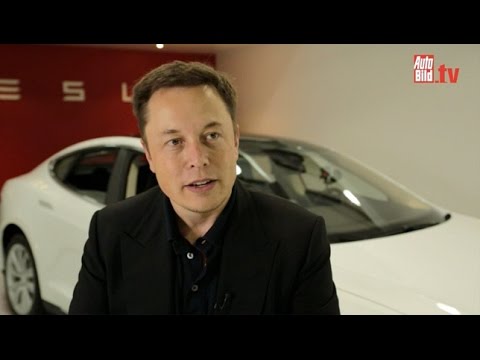
Elon Musk (Tesla, SpaceX) - interview with Auto Bild (2014)
Elon Musk discusses his intense work ethic, including 80 to 100-hour work weeks, and credits team-driven leadership for the successes of SpaceX and Tesla. He also explores the emotional challenges of entrepreneurship, highlights his willingness to take extreme risks, and balances global ambitions with personal well-being.
Sergey Brin (Google Co-founder) - Self Driving Into the Future (2014) (2014)
Google has evolved from a research project to a multifaceted tech giant, navigating controversies and security challenges while pushing boundaries with innovative technologies. Sergey Brin's vision drives Google's ambitious projects, balancing innovation with societal implications and a responsibility to be a responsible world citizen.

Ron Conway (SV Angel Founder) - How to Raise Money with Marc Andreessen, Ron Conway, and Parker Conrad (HtSaS 2014 (2014)
Venture capital investment should be secondary to developing a compelling business that naturally attracts investors. Founders should focus on building a strong foundation, team, and product, while investors should adopt a systematic approach to their investments.
Prince Turki Al Faisal (Saudi Arabia Former Government Official) - Beirut Institute Working Lunch (2014)
The Beirut Institute champions youth engagement, policy innovation, and women's empowerment in the Arab world, aiming to navigate challenges and foster transformative change. It faces financial hurdles but remains committed to independence, global impact, and inclusive leadership.

Nathan Myhrvold (Intellectual Ventures Co-founder) - The Photography of Modernist Cuisine (Jul 2014)
Nathan Myhrvold's culinary journey blends art and science, transforming perceptions of food through innovative photography and educational exhibits in science museums. His diverse interests and achievements highlight the interconnectedness of creativity and curiosity across various fields.

Rodney Brooks (Rethink Robotics Co-founder) - NIST Colloquium Series (Jul 2014)
Collaborative robots like Baxter, designed by Rodney Brooks, enhance productivity and ease human labor in various industries, from manufacturing to healthcare. The rise of human-centric robots, driven by factors like decreasing costs and technological advancements, is reshaping work and creating new opportunities for job creation and economic growth.
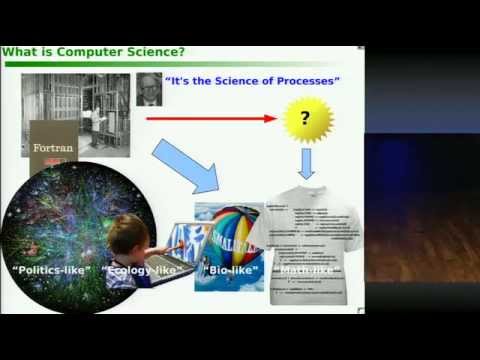
Alan Kay (VPRI Co-founder) - Is it really "Complex"? Or did we just make it "Complicated"? (Jul 2014)
Alan Kay emphasized strategic thinking in software engineering with a focus on domain-specific languages, criticized current computing systems, and envisioned dynamic and efficient computing in the future. Kay highlighted the need for strategic thinking in software engineering with a focus on domain-specific languages, criticized current computing systems, and envisioned dynamic and efficient computing in the future.
Larry Page and Sergey Brin (Google Co-founders) - Fireside chat with Vinod Khosla (Jul 2014)
Google's co-founders, Larry Page and Sergey Brin, attribute the company's success to a long-term vision, diversified innovation, and a balanced approach to societal and governance issues. Their philosophy serves as a multifaceted blueprint for modern business leadership, addressing challenges ranging from technological evolution to ethical dilemmas.
Sebastian Thrun (Udacity Co-founder) - Democratizing Education (Jun 2014)
MOOCs and innovative educational models are addressing the skills gap and transforming traditional learning paradigms, offering new forms of credentialing that align with industry needs. The rise of MOOCs and the changing landscape of education necessitate a continuous education model to address the skills gap and the future of work.
Vinod Khosla (Khosla Ventures Founder) - Company Building with Vinod Khosla (May 2014)
Startups can increase their chances of success by focusing on talent acquisition, risk management, and fostering a diverse and effective team. Financial prudence and people management are crucial for startup stability and growth.
Vinod Khosla (Khosla Ventures Founder) - Rocketspace Q&A (May 2014)
Entrepreneurs should embrace failure, remain flexible, and prioritize learning over rigid planning to succeed in a dynamic business landscape. Venture capitalists play a crucial role in expanding an entrepreneur's thinking and providing growth opportunities.
Raghuram Rajan (Reserve Bank of India Governor) - One-on-One (May 2014)
Unconventional monetary policies have international impacts, particularly affecting emerging markets and complicating policy exits. Central banks should consider the global impact of their policies and work together to optimize the global economy rather than just their own.
Carver Mead (CalTech Professor) - Worldviews and Scientific Thought | Caltech (May 2014)
Caltech alumnus Carver Mead emphasized the importance of interdisciplinary education and innovative research to address the challenges of a rapidly changing world. Caltech's commitment to fundamental research and interdisciplinary collaboration positions it as a leader in advancing scientific understanding.
Prince Turki Al Faisal (Saudi Arabia Former Government Official) - Saudi and Israeli former Intelligence Heads Part 2 - May 26 - Brussels (May 2014)
Saudi Arabia proposes a WMD-free Middle East to prevent nuclear conflicts, while the Syrian conflict presents challenges due to Assad's military strength and the involvement of extremist groups.

Prince Turki Al Faisal (Saudi Arabia Former Government Official) - Saudi and Israeli former Intelligence Heads Part 3 - May 26 - Brussels (May 2014)
Saudi and Israeli speakers discussed targeted military action, regional stability, and organizational roles in resolving Middle Eastern conflicts. Prince Turki's support for the Arab Peace Initiative is driven by personal and historical motivations.
Gwynne Shotwell (SpaceX President) - Keynote (Apr 2014)
SpaceX, led by Gwynne Shotwell, has revolutionized space exploration through innovative approaches and ambitious goals, including Mars colonization. SpaceX's success stems from its diverse customer base, startup culture, vertical integration, and commitment to sustainable space exploration.
Carver Mead (CalTech Professor) - Semiconductors (Apr 2014)
Current digital systems face limitations in solving complex problems due to exponential complexity. Alternative paradigms inspired by biological systems and quantum mechanics aim to address these challenges and revolutionize computation.
Warren Buffett (Berkshire Hathaway Chairman/CEO) - People Focus Too Much On The Short-Term | CNBC (Mar 2014)
Warren Buffett stresses focusing on intrinsic value, long-term growth, and ethical considerations when investing, while advocating for simplicity, low costs, and diversification. His investment strategies offer a blueprint for navigating the complexities of modern markets.
Vitalik Buterin (Ethereum Co-founder) - 2014 Texas Bitcoin Conference in Austin (Mar 2014)
Ethereum's flexible and general-purpose platform enables autonomous blockchain contracts and decentralized applications beyond simple digital currency. Ethereum's vision extends to creating a platform for developers to implement diverse ideas using contracts and applications, aiming for groundbreaking applications yet to be conceived.
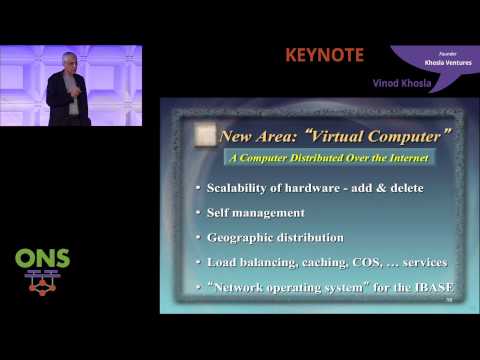
Vinod Khosla (Khosla Ventures Founder) - Open Networking Summit - SDN as a disruptive innovation (Mar 2014)
Vinod Khosla advocates for disruptive innovation, re-engineering engineering practices, and adapting to rapid change in the computing landscape. Khosla emphasizes the importance of evolvability, specialization, and experimentation in engineering methodologies to navigate the complexities of modern computing systems.

Paul Graham (Y Combinator Co-founder) - LAUNCH Festival (Mar 2014)
Under Sam Altman's leadership, Y Combinator has undergone a paradigm shift in investment strategies and expanded its support mechanisms to help startups scale. Y Combinator's growth and initiatives have had a significant impact on the startup landscape, providing insights into the complexities of entrepreneurship and the dynamic startup ecosystem.
Bill Gates (Gates Foundation) - interview re: Common Core (Mar 2014)
Bill Gates, a major funder in education, advocates for increased Research and Development (R&D) and emphasizes that his foundation's role is to provide options for educational approaches without dictating implementation, which he believes should be decided by elected officials. Despite concerns about his influence and potential business interests, Gates insists his involvement is philanthropic, and he stresses the need for substantive dialogue in discussions about educational reform.
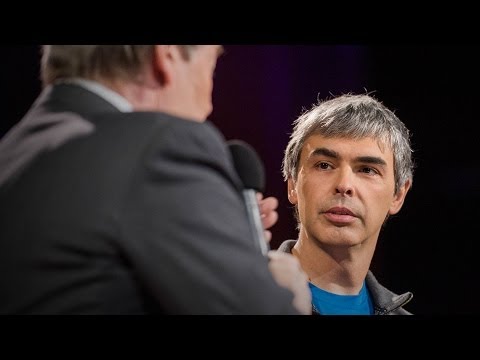
Larry Page (Google Co-Founder) - Where's Google going next? (Mar 2014)
Larry Page, co-founder of Google, articulates a multi-dimensional vision that encompasses Google's mission of organizing global information, the role of machine learning through DeepMind, ethical considerations related to privacy and security, and aspirations to revolutionize transportation and achieve '10x' improvements. He emphasizes the importance of ethical transparency, technological innovation, and societal progress, urging not just Google but also society to focus on transformative changes.
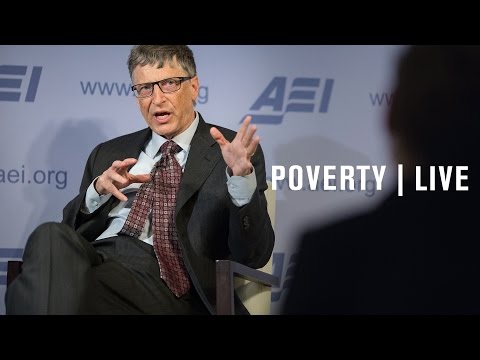
Bill Gates (Gates Foundation) - Conversation @ American Enterprise Institute (Mar 14, 2014)
Bill Gates discusses his optimistic vision for the future, focusing on the role of philanthropy and government in addressing global poverty, education reform, and healthcare. He advocates for targeted, innovative interventions such as experimental programs and tax reform, while also stressing the need for sustainable development and public perception change to tackle systemic issues effectively.
Dharmesh Shah (HubSpot Co-founder) - Keynote (Jan 2014)
The evolution of marketing involves leveraging new technologies to connect with consumers, from print to digital and mobile, and data-driven strategies are becoming increasingly important. The future of marketing lies in integrating human insight with technological innovation to create meaningful and effective strategies.
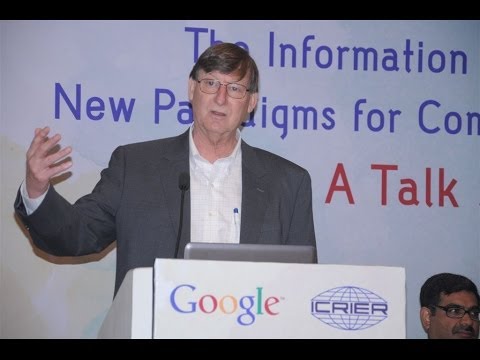
Hal Varian (Google Chief Economist) - ICRIER-GOOGLE Talk (Dec 2013)
Technology and innovation are transforming economics by enabling combinatorial innovation, computer-mediated transactions, the rise of micro-multinationals, and a shift in knowledge dynamics. India's IT sector can play a pivotal role in this transformation, with implications for global business, economic shifts, and intellectual property norms.

Prince Turki Al Faisal (Saudi Arabia Former Government Official) - Geopolitical Upheavals in the Middle East (Dec 2013)
Arab societies seek democratic transformation amidst regional turmoil and geopolitical dynamics, while the Syrian conflict and sectarian divisions pose challenges to stability and unity. The complexities of the Arab Uprisings demand a balanced approach to secular and religious interests, conflict resolution, and regional cooperation.

Doug Engelbart (Doug Engelbart Institute Founder) - White Rabbit (Dec 2013)
The mouse revolutionized user interaction in computing, overcoming skepticism to become a widely accepted input device, thanks to its intuitive design and efficient point-and-select capabilities. Its development involved collaboration, visionary thinking, and a focus on user comfort and efficiency.
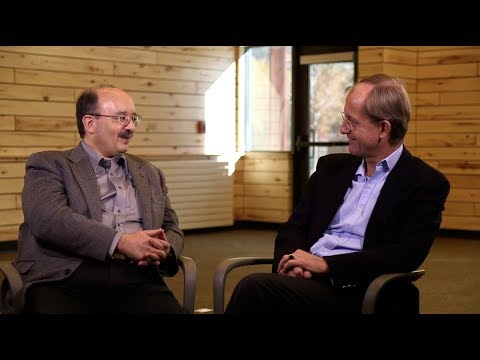
Amory Lovins (Rocky Mountain Institute Co-founder) - A Conversation with Amory Lovins and Jules Kortenhorst (Dec 2013)
Rocky Mountain Institute's transformative approach to energy emphasizes efficiency, renewables, and collaboration, aiming to redefine energy problems and drive a global energy transition. RMI's mission is driven by the urgency of climate change and the moral imperative to protect the planet, emphasizing innovation, collaboration, and a balanced approach to energy transformation.

George Soros (Soros Fund Management Founder) - Bloomberg Interview (Nov 2013)
George Soros critiques market fundamentalism, arguing for stricter financial regulation and intervention to address the escalating economic crisis and systemic flaws. He emphasizes the need for leadership, bipartisan cooperation, and a shift from excessive risk-taking in financial markets.
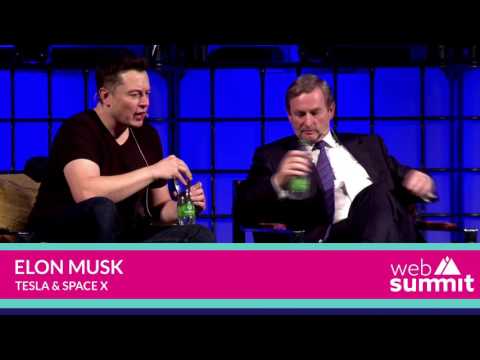
Elon Musk (Tesla/SpaceX CEO/Co-founder) - Web Summit 2013 (Nov 2013)
The Web Summit fosters innovation and entrepreneurship by connecting thought leaders and encouraging collaboration, leading to groundbreaking ventures in space exploration and sustainable energy. It highlights the importance of community, entrepreneurial spirit, and the pursuit of innovative ideas to address global challenges.
Peter Norvig (Google Director of Research) - Future Talk #32, Artificial Intelligence (Nov 2013)
Artificial intelligence (AI) has evolved from theoretical concepts to practical applications, significantly impacting various aspects of modern society, including language translation, image recognition, and autonomous vehicles. AI's ongoing challenges include enabling natural human interaction, replicating human capabilities, and addressing ethical and societal implications.

George Soros (Soros Fund Management Founder) - Fareed Zakaria Interview (Nov 2013)
The 2008 financial crisis exposed flaws in America's economic model and necessitates significant reforms to prevent future meltdowns. Government intervention, while necessary to avert complete collapse, caused long-term damage and highlights the need for a balanced approach that addresses market imperfections while minimizing excessive reliance on government support.
Elon Musk (Tesla, SpaceX, etc.) - DealBook Conference Interview (Nov 2013)
Elon Musk defends Tesla's safety record, emphasizing that its electric cars are statistically less prone to fires than gasoline cars and outlining the company's commitment to safety and autonomous technology. He also discusses Tesla's market dynamics, arguing that production limitations, not demand, constrain growth, while sharing his long-term vision for the future of transport and offering insights into the challenges and philosophies of entrepreneurship.
Gwynne Shotwell (SpaceX President) - Keynote Address at ISPCS (Nov 2013)
SpaceX, founded by Elon Musk in 2002, has become a prominent player in the space industry, making strides in rocket technology, reusable spacecraft, and ambitious plans for Mars exploration. Its journey is a testament to innovation, resilience, and the pursuit of making space more accessible.
Paul Volcker (USA Former Chairman of the Federal Reserve) - Q&A following his speech, "Essential Elements of Financial Reform" (Oct 2013)
Paul Volcker emphasizes the need to limit the size of financial institutions and adopt reforms like the Volcker Rule, while acknowledging concerns about potential downsides and the importance of international consensus. Goldstein argues for stricter size limits and a reduction in financial institution balance sheets relative to GDP to prevent future crises.

Stan Druckenmiller (Duquesne Capital Management Founder) - Generational Equity (Oct 2013)
Grassroots movements and prominent figures advocate for educational equity and generational justice, highlighting the importance of investing in underprivileged children and addressing generational inequity. Geoffrey Canada and Stan Druckenmiller exemplify the power of collaboration in transforming communities through innovative approaches to education and social services.

Amory Lovins (Rocky Mountain Institute Co-founder) - Xavier University, Cintas Center (Oct 2013)
Technological innovation, smart policy, and global cooperation are essential for a sustainable energy future, transitioning from fossil fuels to renewable energy sources. Lovins believes that a clean and renewable energy system can be achieved through technological advancements, policy reforms, and a commitment to sustainability.
Ron Conway (SV Angel Founder) - Startup School 2013 (Oct 2013)
Ron Conway emphasizes investing in people over products and prioritizes founder qualities, user engagement, and social app patterns in his investment philosophy. His approach has shaped the tech industry, influencing major social apps like Twitter, Facebook, and Pinterest.
Elon Musk (Tesla, SpaceX) - Conversation with Steve Jurvetson @ Stanford (Oct 2, 2013)
The event hosted by Stanford Graduate School of Business honored Elon Musk and Tesla for their contributions to innovation, focusing on mission-driven business models and sustainable energy. The discussion covered a range of topics, including Stanford's educational initiatives, Tesla's industry-disrupting technologies, and Musk's long-term vision in areas like electric vehicles, space exploration, and prioritizing purpose over profit.
Nathan Myhrvold (Intellectual Ventures Co-founder) - UW Four Peaks (Sep 2013)
Nathan Myhrvold's advocacy for Intellectual Ventures revolutionized the tech industry's approach to intellectual property and patents, while his culinary project "Modernist Cuisine" blended science with cooking, impacting the culinary world.
Ron Conway (SV Angel Founder) - Fireside chat with Ron Conway. (Sep 2013)
Startup success heavily relies on founder dynamics, with repeat entrepreneurs having higher success rates. SV Angel's comprehensive support extends beyond financial investment to guide entrepreneurs through challenges and advise on strategies.
Vinod Khosla (Khosla Ventures Founder) - Stanford Medicine X Closing Keynote (Sep 2013)
Technological innovation and patient empowerment are key to revolutionizing healthcare and addressing global healthcare challenges. Data-driven systems and AI have the potential to enhance accuracy, reduce misdiagnosis, and provide more personalized and effective care.

Nelson Mandela (African National Congress President) - Remarks at Baker Institute; Intro by Prince Bandar Bin Sultan (Sep 2013)
Nelson Mandela's speech at Rice University focused on international cooperation, conflict resolution, and his aspirations for Africa, emphasizing the importance of peaceful conflict resolution and dialogue. He urged young people to pursue education, believe in themselves, and contribute positively to their communities.

Gwynne Shotwell (SpaceX President) - Singapore Satellite Industry Forum (Sep 2013)
SpaceX revolutionizes space travel with innovative and reusable rockets, aiming to reduce costs and expand access to space. SpaceX's vision includes private human space exploration, aiming to make Mars travel more affordable and accessible.

Amory Lovins (Rocky Mountain Institute Co-founder) - Keynote at Appalachian Energy Summit (Aug 2013)
Leadership, innovation, and sustainability in naval and academic environments can lead to transformative approaches and more efficient practices. Universities can foster interdisciplinary learning, sustainable practices, and adaptability to address complex challenges and promote long-term transformation.
Elon Musk (Tesla & SpaceX Founder) - D11 Conference (May 29th, 2013)
Elon Musk discussed the strategies and goals behind Tesla and SpaceX, emphasizing the importance of transitioning to electric vehicles for sustainable transport and outlining SpaceX's mission to establish a self-sustaining base on Mars. He also touched on a range of other topics, from business models and tech talent focus to societal issues like STEM education and carbon taxation, underscoring his broader vision for the future of humanity.
Paul Volcker (USA Former Chairman of the Federal Reserve) - The Fiscal Cliff and Beyond (Aug 2013)
America's fiscal imbalance poses a risk of a market crisis, necessitating a credible plan for long-term fiscal sustainability, learning from Europe's experiences. The path forward involves balancing tough choices, spending cuts, tax reforms, and entitlement program redesigns, avoiding the further postponement of addressing these issues.

Steven Chu (USA Secretary of Energy) - Laser Cooling, Single Molecule Biology, and Sustainable Energy Solutions (Aug 2013)
Laser cooling and atom interferometry have revolutionized precise measurement, while Bose-Einstein condensation and cold atom studies have expanded our understanding of quantum phenomena and its applications.

Alan Kay (VPRI Co-founder) - Programming Languages and Programming (2013)
Programming has evolved from basic code instructions to advanced system simulations, with languages like eToys enabling live coding and intuitive object manipulation. Higher-level languages and innovative research can simplify programming and address the challenge of complex legacy systems.
Lee Kuan Yew (Singapore Founding Prime Minister) - On Meditation (Aug 2013)
Lee Kuan Yew, Singapore's founding father, argues that meditation is more than a relaxation tool; it is a transformative practice that enhances decision-making, leadership, and societal cohesion. He advocates for the integration of meditation into various sectors, including global governance and education, emphasizing its potential to foster mental clarity, emotional balance, and rational problem-solving.
Sebastian Thrun (Udacity Co-founder) - Remarks at CSU Monterey Bay (2013)
Online learning platforms like Udacity, Khan Academy, and Stanford's AI class are revolutionizing higher education by expanding access, personalizing learning, and addressing societal challenges. Online learning offers great potential in democratizing education but faces challenges in accessibility and social interaction.
Peter Norvig (Google Director of Research) - Everything is Miscellaneous (Jul 2013)
Technological advancements in information retrieval and medical informatics balance innovation with privacy concerns, emphasizing the collaboration between systems and users for optimal interpretation and utilization. Machine learning in healthcare offers breakthroughs but faces challenges due to data biases and the need for theoretical grounding.
Jim Clark (Silicon Graphics/Netscape Founder) - Stanford Engineering Hero Lecture - Jim Clark in conversation with John Hennessy (Jun 2013)
Jim Clark and John Hennessy, Silicon Valley luminaries, transformed computer graphics, internet accessibility, and academia. Their journeys exemplify innovation, hard work, and perseverance, shaping the tech industry and academia's role in entrepreneurship.
Dean Kamen (Deka Research Founder) - PTC/User Key note speaker Dean Kamen (Jun 2013)
Innovation in engineering and technology involves embracing risks, challenging conventional thinking, and cultivating a culture that values scientific exploration and creative problem-solving. By acknowledging the harsh realities of innovation and inspiring future generations, we can drive societal progress.

Satya Nadella (Microsoft President, Server & Tools) - TIECon 2013 keynote (Jun 2013)
Microsoft prioritizes innovation, customer-centricity, and digital transformation, positioning itself as a leader in the digital era through strategic investments in technology and partnerships. Microsoft's commitment to understanding customer needs and leveraging technology for continuous innovation drives its success in the evolving digital landscape.
Paul Volcker (USA Former Chairman of the Federal Reserve) - Remarks at Council on Foreign Relations (May 2013)
Former Fed Chairman Paul Volcker's insights highlight the evolving role of central banks in addressing economic challenges, from inflation to income inequality, and emphasize the need for balanced policy-making and responsible governance. Volcker critiques the government's dominance in the mortgage market and advocates for a freer capital market, while offering suggestions for addressing global financial imbalances and income disparities.

Nikesh Arora (Google Chief Business Officer) - CNBC India Interview (May 2013)
Digital advertising is transforming due to shifting consumer behavior, technological advancements, and innovative strategies. Marketers must adapt to a multi-screen world, embrace data-driven approaches, and prioritize innovation to succeed.
Larry Fink (BlackRock Co-founder) - Longevity in the Age of Twitter | NYU (May 2013)
Aging population and economic shifts necessitate long-term financial planning and retirement readiness, demanding collaboration among governments, businesses, and individuals. Investor psychology and short-termism hinder long-term planning, calling for a paradigm shift towards objective-based approaches, diversification, and long-term investment horizons.
Alan Kay (VPRI Co-founder) - An Interview with Computing Pioneer Alan Kay (May 2013)
Alan Kay emphasizes the profound impact of digital technology and stresses the importance of contextual intelligence, critical thinking, and a long-term perspective in shaping a better technological future. He advocates for a paradigm shift beyond imitating old media, urging innovators to exploit computers' true potential for creating new forms of expression and interaction.

Jim Sinegal (Costco Co-founder) - Global Retailing Conference (May 2013)
Costco's success stems from its commitment to value and efficiency, ethical framework, and unwavering focus on customer satisfaction, resulting in unparalleled customer loyalty and a global retail empire. Costco's unique business model, emphasizing low prices, limited SKUs, and a focus on volume sales, has revolutionized the shopping experience and set it apart in the retail industry.
Warren Buffett (Berkshire Hathaway Chairman/CEO) - On NetJets & The Economy | CNBC (May 2013)
Post-2008, the private jet industry has seen a resurgence with NetJets experiencing significant growth, while Warren Buffett emphasizes long-term market gains and diversification for investors in a fluctuating economy.
Prince Turki Al Faisal (Saudi Arabia Former Government Official) - Saudi Arabia's Foreign Policy Doctrine After the Arab Awakening (May 2013)
Saudi Arabia's foreign policy, driven by a blend of pragmatism and strategic foresight, emphasizes regional stability, energy security, and economic prosperity. The Kingdom's global influence stems from its immense oil reserves, economic clout, and strategic approach to regional challenges.
Elon Musk (Tesla and SpaceX) - Sal Khan Interview (Apr 2013)
Elon Musk delves into various facets of entrepreneurship, discussing the complexities of manufacturing and supply chain management at Tesla, SpaceX's efforts in space exploration and financial risks, and Tesla's aim to drive sustainable transport. He also touches on his early career motivations, the entrepreneurial landscape, the need for educational reform, and introduces the concept of the Hyperloop as a future transport solution.
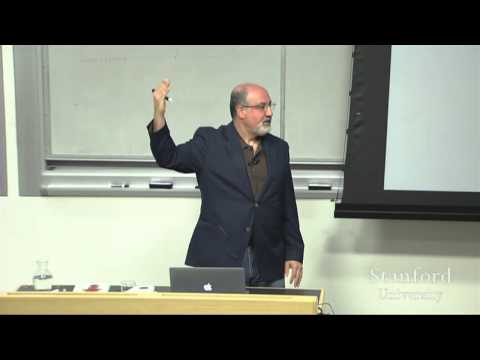
Nassim Nicholas Taleb (Scholar Investor) - Stanford Seminar - Enntrepreneurial Thought Leaders (Apr 2013)
Optionality and trial and error are crucial for innovation and resilience in an uncertain world, while embracing anti-fragility and decentralization can help systems thrive in the face of stress and disorder.
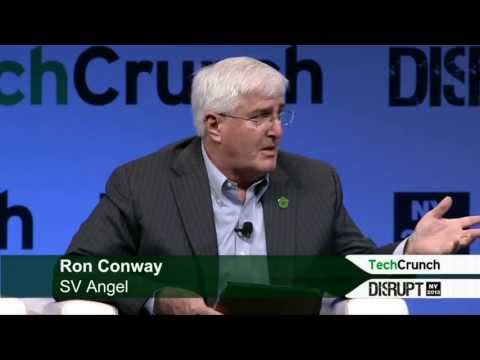
Ron Conway (SV Angel Founder) - Conversation with Alex Winter, Director of "Downloaded" | TechCrunch Disrupt (Apr 2013)
Napster's meteoric rise as a file-sharing platform disrupted the music industry, leading to debates about intellectual property rights and the democratization of music. Its legacy influenced the evolution of digital music and continues to shape discussions about innovation, regulation, and the balance between technology and business in the digital age.
Vinod Khosla (Khosla Ventures Founder) - Remarks at Carnegie Mellon University (Apr 2013)
Vinod Khosla emphasized the transformative power of disruption and innovation, challenging conventional thinking and advocating for education focused on real-world problem-solving and accepting failure as part of the innovation process. He criticized traditional liberal arts education and proposed a curriculum focused on practical skills and knowledge, including STEM subjects, computer science, and statistics.
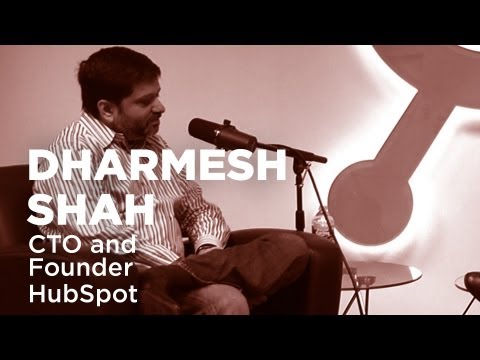
Dharmesh Shah (HubSpot Co-founder) - This Week in Startups (Mar 2013)
HubSpot revolutionized marketing by shifting to inbound strategies, empowering small businesses with affordable and easy-to-use digital marketing solutions. The company's success lies in its data-driven approach, comprehensive suite of services, transparent culture, and sustainable revenue model.
Elon Musk (Tesla, SpaceX, etc) - Interview @ TED (Mar 2013)
Elon Musk's vision encompasses a multi-pronged approach aimed at achieving sustainability and technological innovation, focusing on mass adoption of electric vehicles through Tesla, promoting solar energy via SolarCity, and cost-effective space exploration with reusable rockets through SpaceX. Underlying his diverse ventures is a commitment to first principles reasoning and a future where sustainability and technology fuel each other in a virtuous cycle.
Steven Chu (USA Secretary of Energy) - The Promise of Photovoltaics (Mar 2013)
Solar energy faces challenges, but advancements and innovative technologies promise a sustainable future. The rental model and ongoing research in battery technology can make solar energy more accessible and sustainable.
Prince Turki Al Faisal (Saudi Arabia Former Government Official) - Twenty Years After Madrid (Feb 2013)
The Madrid Conference initiated direct Arab-Israeli dialogue and led to subsequent peace negotiations, while the Arab Peace Initiative proposed a comprehensive framework for resolving the Israeli-Palestinian conflict.
Nassim Nicholas Taleb (Scholar Investor) - Nassim Taleb and Daniel Kahneman discusses Antifragility at NYPL (Feb 2013)
Taleb and Kahneman's theories explore uncertainty, decision-making, and the human psyche, emphasizing the limitations of predictive models and the value of heuristics and intuition in navigating complex situations. Antifragility, the ability of systems to benefit from stressors, is contrasted with fragility and robustness.
Vinod Khosla (Khosla Ventures Founder) - Interview with Bryce Roberts (part 2 of 3) (Jan 2013)
Vinod Khosla's investment philosophy prioritizes visionary entrepreneurs, embraces risks, and fosters personal relationships, leading to transformative impact beyond mere funding. His approach challenges traditional venture capital practices, emphasizing long-term vision, people over ideas, and embracing uncertainty.
Ratan Tata (Tata Group Chairman Emeritus) - Remarks at University of Amsterdam (Jan 2013)
Sir Ratan Tata's leadership transformed Tata Group, emphasizing global expansion, social responsibility, and India's infrastructure development while fighting corruption and promoting equality. Tata's holistic vision focused on businesses addressing societal issues, combating poverty, and driving sustainable development through partnerships and investments.

Peter Thiel (Facebook Board of Directors) - Intl Students for Liberty Conference (Dec 2012)
Peter Thiel urges deregulation and revitalization of tech to stimulate innovation, seeing libertarianism as a potential solution to current economic crises. Thiel criticizes excessive government regulation as a barrier to technological progress and advocates for a reassessment of the government's role in education and the economy.
Sebastian Thrun (Udacity Co-founder) - Wired Business Conference (Dec 2012)
Self-driving cars, online education, and Google X innovations reflect advancements in technology with far-reaching societal implications, driven by visionary entrepreneur Sebastian Thrun. Digital education platforms like Udacity offer cost-effective and accessible education, while Google X projects aim to integrate technology into daily life seamlessly.

Peter Norvig (Google Director of Research) - "Online Education (Dec 2012)
Online learning has undergone a transformation, driven by shifts in methodologies and challenges, leading to innovative approaches like personalized learning and AI-powered tutoring. Online education offers flexibility, personalized learning, and problem-solving opportunities, but faces challenges in verification, cheating prevention, and credentialing.
Melinda Gates (Gates Foundation) - "Pursue Passions with a Vengeance" @ Stanford (Nov 28, 2012)
The article discusses Melinda Gates' insights into the multifaceted approach of the Bill & Melinda Gates Foundation in tackling global challenges such as healthcare disparities and childhood mortality. Key strategies include innovative collaborations with global partners, localized solutions that respect cultural frameworks, and a focus on both technological and behavioral changes.
Sebastian Thrun (Udacity Co-founder) - Online Learning (Nov 2012)
Online education platforms like Udacity democratize education by providing accessible, engaging, and inclusive learning environments that empower students with practical skills. Sebastian Thrun's innovative approach to online learning has revolutionized education, making it more accessible, engaging, and inclusive.
Larry Fink (BlackRock Co-founder) - The Economist Interview (Nov 2012)
Global economic stability requires a shift from short-term financial thinking to long-term investment and fiscal policies, with China's consumption-driven growth seen as a positive force.

Alan Kay (VPRI Co-founder) - SCIx Keynote (Nov 2012)
Collaborations among individuals, institutions, and government agencies have fueled the evolution of computing technology, leading to the development of the modern internet and graphical user interfaces. The field's early pioneers emphasized innovation, openness, and a comprehensive approach to education, shaping the foundations of today's computing landscape.
Nathan Myhrvold (Intellectual Ventures Co-founder) - Modernist Cuisine (Nov 2012)
Nathan Myhrvold's "Modernist Cuisine at Home" simplifies modernist culinary techniques for home cooks, using everyday ingredients and accessible equipment. Myhrvold's scientific approach focuses on understanding the principles behind cooking techniques, transforming home cooking into an educational and creative experience.
Diane Greene (VMWare Co-founder) - GDL Presents (Nov 2012)
Diane Green, former CEO of VMware, championed virtualization technology and the concept of cloud computing, transforming the tech industry's landscape. She emphasizes the importance of strategic leadership, clear communication, and embracing technological advancements for enterprises to thrive in the cloud era.

Nassim Nicholas Taleb (Scholar Investor) - Remarks for Penguin Books UK (Nov 2012)
Anti-fragility describes systems and individuals that flourish under stress and disorder, while embracing randomness can lead to resilience and growth in various areas of life.
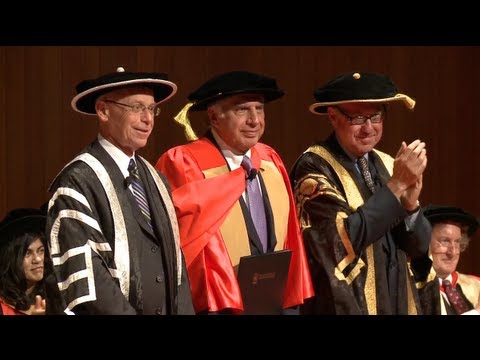
Ratan Tata (Tata Group Chairman Emeritus) - Honorary Degree and Dialogue (Nov 2012)
Ratan Tata's leadership transformed Tata Group into a global conglomerate known for innovation, ethics, and social responsibility, while his emphasis on education and ethical practices influenced Australia-India relations.
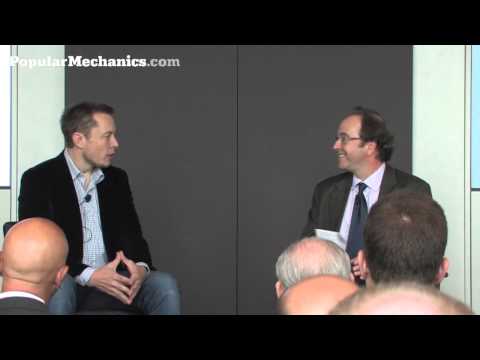
Elon Musk (Tesla and SpaceX) - Popular Mechanics Interview (Oct 2012)
Elon Musk's ventures, SpaceX and Tesla, are disrupting the aerospace and automotive industries through innovative technologies and collaborations like the one with NASA, aiming to make space travel cost-effective and popularize electric vehicles. Beyond industry transformation, Musk's multi-planetary vision seeks to extend human civilization to other planets, starting with Mars, while overcoming technical and logistical challenges.
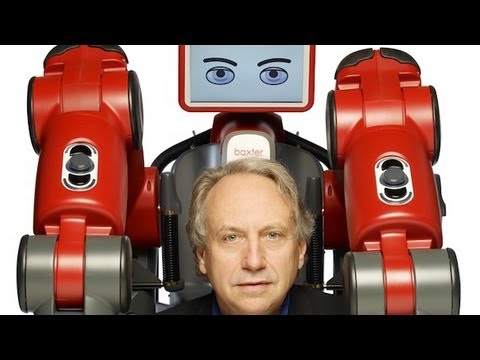
Rodney Brooks (Rethink Robotics Co-founder) - A New Class of Industrial Robot | CMU Robotics (Oct 2012)
Advancements in robotics, led by figures like Rodney Brooks, are making robots more accessible and user-friendly, transforming industries and everyday life. Baxter, a new class of industrial robot, is designed to be easily installable, programmable, and collaborative, revolutionizing manufacturing practices.
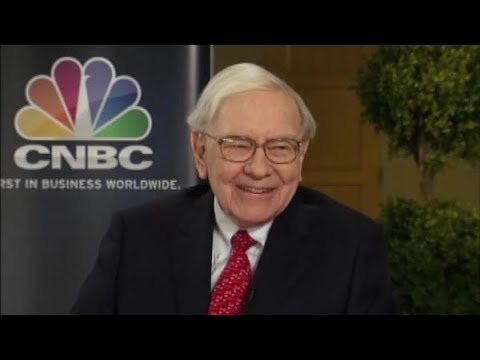
Warren Buffett (Berkshire Hathaway Chairman/CEO) - On His Prostate Cancer | CNBC (Oct 2012)
Warren Buffett emphasizes long-term value investing, focusing on undervalued companies with solid fundamentals and management teams. He is optimistic about the U.S. economy, despite uncertainties in Europe and Asia.

Nassim Nicholas Taleb (Scholar Investor) - Probability and Outcome (Sep 2012)
Nassim Nicholas Taleb's work explores randomness, probability, and complexity, emphasizing the importance of interdisciplinary thinking and cautioning against over-specialization in an increasingly uncertain world. Taleb's insights challenge our understanding of randomness, luck, and the inherent unpredictability of life.
Diane Greene (VMWare Co-founder) - TiECON East 2012 (Sep 2012)
Diane Greene's visionary leadership and strategic thinking transformed VMware from a startup to a global leader in virtualization technology, revolutionizing the tech industry. Despite challenges, her focus on first principles, disruptive innovation, and customer-centricity drove VMware's success and made virtualization ubiquitous.
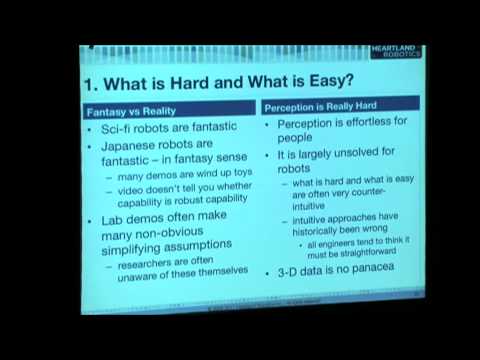
Rodney Brooks (Rethink Robotics Co-founder) - Robotics Innovation Challenge 2012 (2012)
Robotics offers solutions for labor shortages and an aging population but faces challenges in perception, business models, and engineering. Industry-academia collaboration can accelerate innovation by addressing communication barriers and aligning objectives.

Jeff Bezos (Amazon Founder) - Interview with US Senator Orrin Hatch (2012)
The text explores the business philosophies and strategies that have shaped Amazon under the leadership of Jeff Bezos, focusing on decision-making frameworks like the "life regrets" philosophy, the importance of embracing failure for innovation, diversification into different business avenues, and a strong customer-centric approach. It also touches on Bezos' advice for aspiring entrepreneurs, emphasizing the need for passion and curiosity over trend-chasing, while criticizing zero-sum media narratives about business competition.
John Hennessy (Stanford President) - Venture Lab Interview (Aug 2012)
Online education and entrepreneurship are reshaping higher education, while university presidents face challenges in strategic planning and external relations.
Prince Turki Al Faisal (Saudi Arabia Former Government Official) - Arab-U.S. Relations Amidst Transition within Constancy (2012)
Saudi Arabia's transformation encompasses balancing tradition with modernity, from its early diplomatic engagements to ongoing modernization efforts, while striving to maintain its Islamic identity. The nation's resilience and adaptability have shaped its journey from historical foundations to aspirations of becoming a modern and prosperous nation.
Andy Bechtolsheim (Arista Co-Founder) - Silicon Valley Angel Investors Panel (Aug 2012)
Angel investors provide crucial funding and mentorship to startups, fostering innovation and technological advancement. Their decisions are influenced by factors like entrepreneur character, business plan, and intellectual property protection.
Mark Zuckerberg (Facebook Co-founder) - Startup School 2012 (2012)
Facebook's success stemmed from its emphasis on real identity and user engagement, with Zuckerberg's strategic decisions, focus on data quality, and adaptation to user feedback playing crucial roles. Zuckerberg's vision for Facebook was to create a platform that supported increasing levels of user sharing, aligning with the innate human need for social connection.
Bill Campbell (Intuit Chairman) - ASU GSV Summit (2012)
Bill Campbell, a former CEO and trusted advisor in Silicon Valley, had a transformative impact on industry leaders and companies through his coaching, mentorship, and insights on education and technology. His legacy highlights the importance of effective leadership, mentorship, and holistic approaches to business and technology in driving success and innovation.
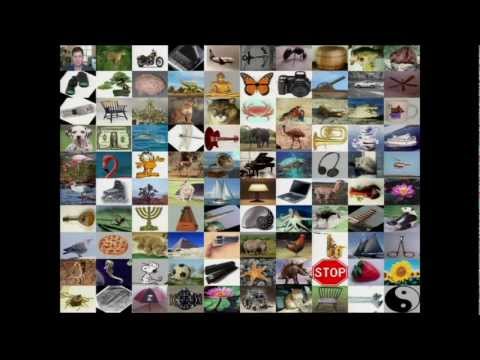
Fei-Fei Li (Stanford Professor) - Computers that See (Jul 2012)
Artificial intelligence and computer vision aim to grant machines the ability to understand and interpret the visual world, with potential applications ranging from household chores to Mars exploration. Object recognition presents challenges due to the vast number of objects, but advances in infallible classifiers and human movement recognition are pushing the boundaries of what machines can comprehend visually.
Nikesh Arora (Google Chief Business Officer) - Banff World Media Festival (Jul 2012)
Content creators must adapt to changing consumption patterns and focus on producing high-quality, globally accessible content to succeed in the evolving landscape of media consumption. Innovation and adaptability are key in navigating the challenges and seizing opportunities brought by new formats, technologies, and global distribution mechanisms.

Stephen Hawking (University of Cambridge Professor) - Cosmology Lecture Geneva University (Jun 2012)
The universe's origin is a tapestry of ancient creation myths, philosophical ideas, and scientific theories, with the Big Bang theory as the prevailing explanation for its beginning and expansion. Physicist Stephen Hawking's work, including the South Pole analogy and quantum creation, proposes the universe's spontaneous emergence from quantum processes.

Hal Varian (Google Chief Economist) - Predicting the Present with Google Trends (Jun 2012)
Google search data offers real-time insights into consumer behavior and economic activity, enabling the prediction of economic trends. Google search queries can provide valuable signals for long-term investment strategies and insights into market trends and consumer behavior.

Amory Lovins (Rocky Mountain Institute Co-founder) - Reinventing Fire (May 2012)
A shift from fossil fuels to renewables and energy efficiency is economically beneficial and environmentally imperative. Embracing efficiency, renewables, and innovative technologies can create a sustainable energy future that is richer, fairer, cooler, and safer.
Vinod Khosla (Khosla Ventures Founder) - The Harker Research Symposium (May 2012)
Vinod Khosla's unconventional perspectives prioritize persistence, questioning norms, and embracing failure as learning opportunities to achieve personal and professional success. Despite expert opinions, he advocates for independent thought, risk-taking, and embracing technology to drive innovation and transform education and healthcare.
Prince Turki Al Faisal (Saudi Arabia Former Government Official) - Saudi Arabia and The International Oil Market (May 2012)
Saudi Arabia's Foreign Minister discussed the complexities of global oil markets, emphasizing collaboration, transparency, and investment for stable dynamics. He highlighted the urgency of resolving regional conflicts, particularly the Arab-Israeli dispute, for market stability and ending human suffering.

John Glenn (NASA Astronaut) - John Glenn (May 2012)
Marine aviation has evolved from the air-ground team concept to innovations in air-to-air combat and close support, while John Glenn's experiences as a fighter pilot and astronaut exemplify courage, innovation, and resilience.
Stephen Hawking (University of Cambridge Professor) - White House Millennium Lecture Series (Apr 2012)
Stephen Hawking's White House lecture delved into the evolution of the universe, technological advancements, and the potential of genetic engineering, highlighting the interplay of quantum theory and relativity. He pondered the future of complexity and intelligence, predicting rapid advancements and the need for ethical considerations in genetic engineering.
George Soros (Soros Fund Management Founder) - Soros Lecture at the Center for Financial Studies, Frankfurt (Apr 2012)
The Euro crisis stems from structural flaws in the Eurozone, with Germany holding significant responsibility due to its dominant economic position and reluctance to advance fiscal and political union. George Soros proposes Eurobonds as a transformative solution, but if Germany opposes them, he suggests Germany's or Italy's departure from the Euro as alternatives.
Steven Chu (USA Secretary of Energy) - New Energy Technologies | Carnegie Mellon Qatar (Apr 2012)
Climate change is real and urgent, requiring immediate action to reduce carbon emissions and transition to cleaner energy sources. Embracing sustainable energy practices and fostering collaboration in education and innovation are crucial for creating a more sustainable and prosperous world.
Peter Norvig (Google Director of Research) - Practice Makes Perfect | Santa Fe Institute (Apr 2012)
Data-driven approaches in AI, exemplified by Peter Norvig's work, have revolutionized image and text modeling, leading to qualitative improvements in AI tasks. Extensive datasets have transformed AI, enabling advanced image resizing, image search, and natural language processing.

Paul Graham (Y Combinator Co-founder) - Keynote (Mar 2012)
Silicon Valley's focus on disruptive startups includes ideas like search engines for hackers, email protocol makeovers, innovative education models, and early disease detection. Paul Graham's vision for the future involves rethinking conventional systems and leveraging technology for more efficient and user-centric solutions.
Steven Chu (USA Secretary of Energy) - ARPA-E 2012 Keynote (Mar 2012)
Technological advancements in aviation, automobiles, and energy have been driven by innovation, environmental concerns, and government support, with the U.S. playing a pivotal role in fostering these developments. The ongoing energy challenges necessitate continued innovation and government involvement to ensure sustainable solutions.
Demis Hassabis (DeepMind Co-founder) - Computational Neuroscience | Singularity Summit (Feb 2012)
Artificial general intelligence (AGI) combines non-biological and biological approaches, with a focus on a hybrid method that leverages machine learning and systems neuroscience for conceptual knowledge acquisition and AGI validation. The pursuit of AGI aims to understand intelligence and consciousness through the development of advanced algorithms inspired by the brain's structure and function.
Dharmesh Shah (HubSpot Co-founder) - Building a Great Software Business (Feb 2012)
HubSpot's success stems from prioritizing customer happiness, transparency, and valuing services, while venture capital should be sought after validating a business concept. Services can positively impact customer happiness and lifetime value, and a strong organizational culture fosters employee empowerment and satisfaction.
Lee Hsien Loong (Singapore Prime Minister) - The Outlook for East Asia | Davos (Jan 2012)
Singapore's Prime Minister Lee Hsien Loong expresses optimism about China's long-term economic prospects and anticipates continuity in China's leadership style with a focus on gradual reform. Singapore's strategic approach involves attracting foreign investment, promoting education and infrastructure, and addressing income inequality while maintaining political adaptability.
Kenneth Chenault (American Express President) - Discussion at Coincil on Foreign Relations (Dec 2011)
Europe's financial turmoil has impacted American Express, but the company has adapted and distanced itself from European sovereign debt. American Express has embraced digital transformation, expanded its physical presence, and focused on financial inclusion and tax reform.

Demis Hassabis (DeepMind Co-founder) - Systems Neuroscience and Artificial General Intelligence (Dec 2011)
Systems neuroscience offers insights for developing AGI with core capabilities like conceptual knowledge acquisition and planning. Neuroscience's contributions can help AI systems build sophisticated models of their environment and understand relationships between objects and their properties.

Vinod Khosla (Khosla Ventures Founder) - Keynote (Nov 2011)
Vinod Khosla emphasizes the importance of risk-taking, embracing failure, and leveraging technology for transformative change, while highlighting the role of youthful innovation and the unpredictable power of technology in reshaping industries.
Peter Thiel (Facebook Board of Directors) - Back to the Future | Singularity Summit (Nov 2011)
Technological progress and societal perceptions of innovation are intertwined, with globalization often overshadowing technological advancement. Balancing these factors is crucial for addressing future challenges, including energy, health, and longevity issues.

Bill Campbell (Intuit Chairman) - Peer Networks (Nov 2011)
Peer support networks empower women in leadership by addressing isolation and providing a safe space for sharing challenges, advice, and support. These networks play a crucial role in skill development, collaboration, and fostering a sense of camaraderie.
Nikesh Arora (Google Chief Business Officer) - Worlds Collide (Nov 2011)
The future of the internet, TV, and social media involves merging services and diverging devices, leading to more control and immersive experiences for users. This convergence will redefine the value chain and drive social interaction and community engagement.
Vinod Khosla (Khosla Ventures Founder) - FailCon 2011 Fireside Chat (Nov 2011)
Embracing failure is crucial for entrepreneurship success as it fosters innovation and resilience. Learning from failures, embracing risk, and promoting diversity drive innovation and empower entrepreneurs.
Amory Lovins (Rocky Mountain Institute Co-founder) - Reinventing Fire (Nov 2011)
Amory Lovins of the Rocky Mountain Institute proposes a transformative pathway for global energy systems, emphasizing energy efficiency, renewable resources, and a departure from fossil fuels to achieve a more sustainable future. By 2050, Lovins envisions an interconnected, distributed energy system reliant on electric vehicles, carbon fiber manufacturing, and advanced biofuels, resulting in significant economic savings and reduced fossil carbon emissions.
John Hennessy (Stanford President) - Reunion 2011 President's Welcome (Nov 2011)
Stanford University's legacy of innovation and community was celebrated at its Reunion Homecoming 2011, highlighting its commitment to global impact and interdisciplinary approach to education and research. Stanford's pioneering spirit continues to drive its pursuit of excellence in various fields, from medical research to online education, shaping the future through knowledge and engagement.

Bill Campbell (Intuit Chairman) - Intuit Diversity Conversation (1 of 3) (Oct 2011)
Intuit's strategies for achieving gender diversity in leadership include inclusive hiring, mentorship, flexible work arrangements, and fostering an inclusive culture. This commitment to diversity has resulted in tangible benefits such as innovation, enhanced decision-making, and a stronger employer brand.
Elon Musk (Tesla, SpaceX, etc) - Conference @ UC San Diego (Oct 2011)
Elon Musk shared his expansive vision for the future, which includes creating a sustainable energy ecosystem, seeing the internet as humanity's nervous system, and making human life multi-planetary through SpaceX. The discussion also touched on Musk's philosophical approach rooted in physics and first principles, the economic advantages of transitioning away from oil, and the role of technological advancements in addressing global issues.
Bill Campbell (Intuit Chairman) - Steve Job's coach Bill Campbell (Oct 2011)
Steve Jobs transformed Apple through innovation and leadership, driving the creation of trailblazing products like the Macintosh, iPod, iPhone, and iPad while emphasizing excellence and team collaboration. Jobs' visionary insights and relentless pursuit of perfection reshaped the technology landscape and left a lasting legacy of innovation and inspiration.

Hal Varian (Google Chief Economist) - OpenForum Europe Summit (Sep 2011)
Open systems boost innovation but face challenges like manipulation and lack of commitment to openness. Striking the right balance between interoperability and innovation is crucial for successful standard setting.

Prince Turki Al Faisal (Saudi Arabia Former Government Official) - Viewpoint with James Zogby (Sep 2011)
Saudi Arabia balances complex regional conflicts, seeking internal solutions while navigating Iran's and Turkey's influence, with domestic challenges like youth unemployment and governance reforms shaping its foreign policy.
John Doerr (Kleiner Perkins VC) - NewSchools Summit 2011 (2011)
Mark Zuckerberg, the founder of Facebook, believes technology and social networks can improve education and uses Facebook to promote social change and equal opportunities for all children. His educational investments and interests in openness, connecting people, and minimalist philosophies guide his endeavors in education reform and his vision for the future of education.

Ratan Tata (Tata Group Chairman) - Ratan Tata '59 (Aug 2011)
Ratan Tata's Cornell experience shaped his future as a global business leader, with challenges like financial struggles and a shift in academic pursuits leading to his success. His humble nature, goal-oriented approach, and ability to form deep connections left a lasting impact on his peers and the university community.
Amory Lovins (Rocky Mountain Institute Co-founder) - Remarks at Aspen Institute (Jun 2011)
Amory Lovins' "Reinventing Fire" proposes a feasible path for the US to abandon fossil fuels by 2050, driven by business initiatives and technological advancements, resulting in economic surplus and reduced geopolitical risks. Global trends mirror this transition, with a focus on electrification, renewable energy, and distributed storage.

Paul Volcker (USA Former Chairman of the Federal Reserve) - USA Inc (Jun 2011)
Accounting scandals like Enron and WorldCom led to reforms like the Sarbanes-Oxley Act, which aimed to enhance auditor independence and corporate governance. The accounting industry faces challenges in balancing principles and rules, maintaining auditor independence, and addressing conflicts of interest.

Vaclav Smil (University of Manitoba Professor) - Drivers of environmental change (Jun 2011)
The complex interplay of energy, environment, and society necessitates a comprehensive analysis, with insights from experts emphasizing the importance of quantitative data and sustainable solutions to address challenges like climate change. Established technologies remain resilient, while innovations in renewable energy and electric vehicles face challenges, highlighting the need for a balanced approach to energy transition.
Prince Turki Al Faisal (Saudi Arabia Former Government Official) - Remarks at Council on Foreign Relations (May 2011)
Saudi Arabia and the United States have a long-standing relationship with mutual benefits, cooperation, and shared interests, while Saudi Arabia is committed to regional stability and progressive internal reforms. Saudi Arabia is actively involved in regional diplomatic efforts, such as fostering political reconciliation in Iraq and engaging with various factions to promote national unity.
Sebastian Thrun (Stanford/Google Professor/Research Scientist) - Toward Human-Level Intelligence in Autonomous Cars (May 2011)
Self-driving car technology has advanced significantly since the DARPA Grand Challenge in 2004, with autonomous vehicles now capable of navigating complex urban environments and promising improved safety, productivity, and inclusivity. The rise of AI and autonomous driving will reshape our relationship with transportation, raising legal, ethical, and societal considerations as we move towards a future where technology and human intelligence coexist and complement each other.
Raghuram Rajan (University of Chicago Professor) - Delineating the Role of Government (May 2011)
Capitalism and democracy can lead to financial instability, as seen in the US, where income inequality and excessive credit expansion have fueled financial crises. China needs to reduce its reliance on foreign demand and focus on expanding domestic consumption to achieve sustainable economic growth.

Stephen Hawking (University of Cambridge Professor) - Why Are We Here? | Google Zeitgeist (May 2011)
Stephen Hawking's theory of M-theory proposes that the universe consists of a vast family of interconnected theories, each describing different aspects of cosmic phenomena under varying conditions. The theory of inflation suggests that the early universe underwent a rapid expansion, leaving imprints in the cosmic microwave background radiation.
Paul Allen (Microsoft Co-founder) - CHM Revolutionaries (April 25, 2011)
Paul Allen, the late co-founder of Microsoft, was a multifaceted individual involved in various sectors such as sports, telecommunications, and museums, as well as significant philanthropic efforts in areas like brain science and global health. His autobiography "Idea Man" reveals a complex person who balanced work and life, challenging simplistic media portrayals and leaving a legacy that extends well beyond his early achievements in technology.

Lee Kuan Yew (Singapore Founding Prime Minister)- Lee Kuan Yew (March 2011)
Lee Kuan Yew's geopolitical insights offer a multifaceted roadmap for understanding a range of global and regional issues, including the complexities of the Arab Spring, Radicalism, U.S.-China relations, and governance in Singapore. He emphasizes the importance of careful policy management and pragmatism in achieving long-term sustainability in both national and international contexts.

Charlie Munger (Berkshire Hathaway Vice Chairman) - A Conversation with Charlie Munger (Mar 2011)
Charlie Munger shared his insights on economics, leadership, ethics, and life philosophies, emphasizing rational decision-making and resilience in the face of adversity. He noted the challenges posed by Asia's rising economic power and the need for Western economies to adapt.
Nikesh Arora (Google Chief Business Officer) - Danish Top Exec Summit (Mar 2011)
Google's SVP, Nikesh Arora, emphasizes fostering agility, innovation, and cross-border collaboration to drive technological advancements and solve large-scale problems. Google's success stems from its focus on product quality, unconventional hiring practices, and a culture that values creativity and diverse perspectives.

George Soros (Soros Fund Management Founder) - PBS Interview (Mar 2011)
George Soros's life and philosophy emphasize the importance of striving for progress, advocating for an open society, and confronting dangerous societal developments, while balancing personal values and ethical business practices. His wealth and influence have allowed him to make significant contributions to political and social causes, and his insights offer a unique perspective on global issues.
Bill Gates (Microsoft Co-Founder) - Economic Club of Washington DC (Mar 8, 2011)
The article provides a comprehensive overview of Bill Gates' life, detailing his transition from a tech-savvy Harvard dropout to a leading philanthropist and entrepreneur. It explores key aspects including his early interest in computing, the formation and vision of Microsoft, his shift to philanthropy focusing on global health and education, and his evolving management styles and perspectives on internet market dynamics and educational technology.
Elon Musk (Tesla, SpaceX) - Q&A at UCLA (March 8, 2011)
Elon Musk discusses key aspects of Tesla's production strategy and SpaceX's space exploration goals, highlighting material choices and rocket classifications, as well as his views on existential risks and renewable energy. He also touches on his investment philosophy, the regulatory landscape, and how these factors intersect with the challenges and opportunities in electric vehicles and space travel.
Paul Volcker (USA Former Chairman of the Federal Reserve) - LSE Director's Dialogue with Paul Volcker (Dec 2010)
Paul Volcker's insights focus on economic recovery, financial reform, the Eurozone crisis, regulatory reforms, and the future of the financial sector. Central bank independence, regulatory reforms, and the international monetary system are among the key topics discussed.
Danny Hillis (Applied Minds Co-founder) - TEDMED Conference (Dec 2010)
Systems biology approach to cancer treatment integrates genomics and proteomics to understand cancer's complexity and develop personalized therapies. Cancer is viewed as a systemic failure rather than an infectious disease, requiring a shift in focus from treating symptoms to fixing the underlying system.
Paul Volcker (USA Former Chairman of the Federal Reserve) - "A Conversation with Paul Volcker and Josh Bolten" (Dec 2010)
Paul Volcker's insights into financial market regulation, globalization, and economic shifts offer a critical perspective on the evolving global economy, emphasizing the need for reforms to address the risks and imbalances in the financial system. Globalization's benefits have been unevenly distributed, leading to concerns about income inequality and the stability of the global economic order.
George Soros (Soros Fund Management Founder) - World Leaders Forum at Columbia University (Nov 2010)
Misconceptions and fallibility influence economic outcomes, causing uncertainty and boom-bust cycles, while the interplay of economics and politics shapes fiscal policies and global financial trends.
Dean Kamen (Deka Research Founder) - TEDMED (Oct 2010)
Dean Kamen emphasizes prevention over solutions through innovative technologies, education, and a focus on healthcare and environmental sustainability to create a better future. Kamen's work aims to prevent crises and transform global challenges into opportunities for progress.
George Soros (Soros Fund Management Founder) - George Soros Lecture Series (Oct 2010)
Capitalism's conflict with open society, power dynamics in democracy, and the limited scope of open societies were discussed, along with the challenges of systemic reform, market fundamentalism, and institutional checks and balances.
Mark Zuckerberg (Facebook Co-founder) - Web 2.0 Summit (Oct 2010)
Facebook's evolution has transformed communication and tackled spam, while Zuckerberg's vision emphasizes user engagement, privacy, and social innovation across industries.
George Soros (Soros Fund Management Founder) - George Soros Lecture Series (Oct 2010)
George Soros' insights on education, democracy, and truth-seeking offer a framework for understanding and shaping the future of open societies, emphasizing the need to rethink electoral democracy and the role of intellectual elites in combating manipulative politics. Soros' discourse underscores the importance of truth-seeking, informed citizenship, and the role of intellectual elites in navigating the challenges posed by manipulative politics and media.
George Soros (Soros Fund Management Founder) - George Soros Lecture Series (Oct 2010)
Soros's reflexivity theory suggests that financial markets are not efficient and that mispricing can change the fundamentals, leading to financial bubbles and systemic risks. The efficient market hypothesis, on the other hand, states that markets are efficient and that prices reflect all available information.
George Soros (Soros Fund Management Founder) - George Soros Lecture Series (Oct 2010)
George Soros' theory of reflexivity emphasizes the interplay between perceptions and market behavior, challenging conventional assumptions of market efficiency and rational expectations. Education plays a crucial role in shaping market outcomes, but its impact can be complex and influenced by the limitations of human understanding and the values guiding decision-making.
David Drummond (Google Chief Legal Officer) - Internet at Liberty, Central European University (Sep 2010)
Tech giants strive to balance internet freedom, privacy, and government regulations, with efforts like transparency tools and multi-stakeholder collaborations. Collaborative efforts, adaptable policies, and attention to the global impact of localized decisions are crucial for the future of internet freedom and privacy.
Elon Musk (Tesla, SpaceX) - Musk’s polarised VC experiences (2010)
Elon Musk's approach to entrepreneurship is characterized by high-stakes risk-taking in sectors like sustainable energy and space exploration, differing from the generally declining risk appetite in today's start-up landscape. He advocates for a broader scope in venture capital investments, especially in untapped sectors like cleantech, while also emphasizing the complexities and challenges inherent in pursuing groundbreaking innovations.
Bill Gates (Microsoft Co-founder) - A Conversation with Prof. Jim Cash (Jul 2010)
In the transcript summary, Bill Gates discusses his multi-dimensional contributions that go beyond tech entrepreneurship to include philanthropy and societal change. He introduces the concept of "creative capitalism," discusses economic trends, tackles global health and educational challenges, and outlines how organizations can evolve to meet complex issues.
Peter Norvig (Google Director of Research) - Good Ancestors Principle workshop (May 2010)
Peter Norvig's contributions to AI, programming languages, and Google's search algorithms have left a lasting impact on the tech industry, while Google continues to innovate in search, AI, and renewable energy, facing challenges in data aggregation and trust.

Nassim Nicholas Taleb (Scholar Investor) - Black Swans, Fragility, and Mistakes | EconTalk (May 2010)
Nassim Taleb emphasizes the importance of redundancy and skepticism in forecasting and financial systems while advocating for learning from historical mistakes and embracing natural processes. Taleb's insights challenge conventional wisdom and promote resilience in the face of complexity and uncertainty.

Geoffrey Hinton (University of Toronto Professor) - Recent Developments in Deep Learning | Google tech Talk (Mar 2010)
Geoff Hinton introduced Restricted Boltzmann Machines (RBMs) for constructing deep architectures, revolutionizing machine learning by enabling unsupervised learning and improving data processing capabilities. Hinton's critique of traditional machine learning methods emphasizes the importance of understanding data's underlying causal structure.

Peter Norvig (Google Director of Research) - reddit.com Interviews Peter Norvig (Feb 2010)
Google utilizes linear separators in complex machine learning tasks and emphasizes integrating research into practical applications, creating a forward-thinking and innovative environment in technology and organizational culture.

Warren Buffett (Berkshire Hathaway Chairman/CEO) - Stock split & acquisition of Burlington Northern Santa Fe (Jan 2010)
Warren Buffett's leadership emphasizes long-term value and strategic decision-making, while the financial sector showcases resilience and complexity in navigating challenging times. Trust in the Federal Reserve and careful regulatory reforms are crucial for future economic stability.
Warren Buffett (Berkshire Hathaway Chairman/CEO) - Charlie Rose Interview (Nov 2009)
Warren Buffett sees the global economy eventually recovering and believes the American economy will remain the best place to invest despite current challenges. He advocates for mutual learning and benefit from technological advancements between countries.

Peter Norvig (Google Director of Research) - Innovation in Search and Artificial Intelligence (Sep 2009)
Data-driven techniques in theory, image processing, and machine learning are outperforming complex algorithms, leading to advancements in AI and shaping the future of technology. Harnessing extensive datasets can enhance algorithmic capabilities and tackle real-world challenges, highlighting the potential and responsibilities of this rapidly evolving field.

Sebastian Thrun (Stanford Professor) - Towards Self-Driving Cars, ICAPS (Sep 2009)
The DARPA Grand Challenge spurred significant advancements in autonomous vehicle technology, leading to the first autonomous car victory in 2005. Self-driving cars hold the potential to improve safety, provide convenience, and revolutionize transportation systems.
Kenneth Chenault (American Express President) - Interview at UCLA (Sep 2009)
Ken Chenault's leadership emphasized customer-centricity, innovation, and empowering employees to adapt to changing circumstances and succeed in challenging economic times. His focus on diversity, inclusivity, and societal contributions underscores a visionary leadership paradigm that continues to inspire.
Elon Musk (Tesla, SpaceX) - Charlie Rose Interview (Aug 2009)
Elon Musk is a pioneering entrepreneur focused on disruptive technologies, leading companies like SpaceX and Tesla to innovate in space exploration and electric vehicles, respectively. The article provides an in-depth look at Musk's business models, partnerships, and personal philosophies, illustrating how he aims to shape critical sectors of the future, from sustainable energy to the Internet.
Nassim Nicholas Taleb (Scholar Investor) - Intelligent Design Debate (2009)
Religion and science have differing truth claims and approaches to understanding reality, leading to conflicts in beliefs and interpretations. Morality can exist independently of religious beliefs, with proponents advocating for secular morality based on reason, empathy, and shared human values.

Larry Page (Google Co-Founder) - Google Faculty Summit (Jul 30, 2009)
Larry Page, co-founder of Google, emphasizes the transformative potential of technology and calls for a shift from incremental to groundbreaking innovations. He addresses a range of topics, from the importance of academia-industry collaboration and dispelling public fears about job loss, to the need for advancements in AI, automation, and energy solutions, urging an interdisciplinary approach and openness to high-risk projects.

Bill Campbell (Intuit Chairman) - Always On Stanford, Part 1 (Jul 2009)
Bill Campbell's philosophy emphasized exceptional products, effective management, and leadership development as key to business success, which greatly influenced prominent leaders like Jeff Bezos. Campbell's teachings stress the importance of product quality, metrics for success, collaborative management, and comprehensive customer support.
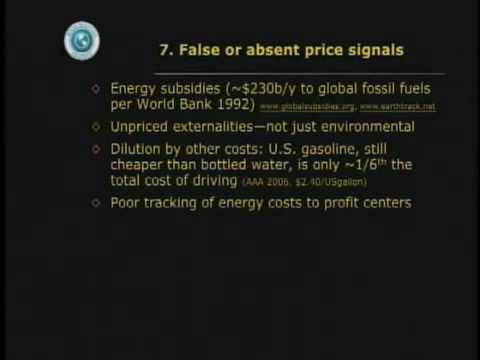
Amory Lovins (Rocky Mountain Institute Co-founder) - Energy Efficiency 4 of 5 - Implementation (Apr 2009)
Energy efficiency can be improved through comprehensive strategies, addressing market failures, and engaging consumers. Innovative government policies, corporate initiatives, and consumer education can drive significant energy savings.

Amory Lovins (Rocky Mountain Institute Co-founder) - Energy Efficiency 2 of 5 - Industry (Apr 2009)
Amory Lovins' vision of maximizing energy efficiency instead of increasing power production transformed industrial sectors and inspired companies like PG&E to prioritize sustainability and efficiency, leading to significant energy savings and improved environmental performance. Lovins' principles of efficient system design, reducing flow and friction, and optimizing motor efficiency can be applied across various industries to achieve substantial energy savings and cost reductions.
Paul Volcker (USA Former Chairman of the Federal Reserve) - Reflections on the World Economy (Jan 2009)
Paul Volcker's analysis of the 2008 financial crisis emphasizes the need for robust regulatory reforms and a balanced approach to free and competitive markets. He highlights the importance of addressing underlying economic imbalances and restoring confidence in the financial system.
Peter Thiel (Facebook Board of Directors) - The U.S. Economy | Hoover Institute (Dec 2008)
The American economy has experienced slower growth, widening income disparities, and increased work hours compared to optimistic predictions, challenging the notion of ceaseless economic progress. Despite technological advancements, the economy faces issues like wage stagnation, a shift to a service economy, and educational challenges, highlighting the need for a holistic approach to address these complexities.
Nikesh Arora (Google SVP) - Le Web (Dec 2008)
The digital revolution has transformed information access, media consumption, and commerce, while the future promises further integration of technology into daily life with a focus on visual content and real-time translation. Online entertainment, commerce, social networking, and digital media will continue to evolve and converge with traditional media formats.
Elon Musk (SpaceX Founder) - Presentation to The Hollywood Hill (PART 1) (December 6, 2008)
The event discussed the intersection of technology and entertainment, featuring updates on real estate strategy and the Armchair Revolutionary media hub project, along with Elon Musk's insights into Tesla's ethical business approach and SpaceX's advances in reusable rockets. The overarching theme focused on technological innovation across industries, addressing immediate challenges and exploring future possibilities like multi-planetary life.
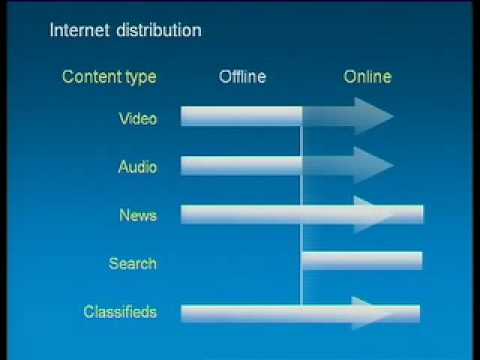
Nikesh Arora (Google SVP) - Internet 2018 (Nov 2008)
Technological advancements are reshaping information consumption, communication, and healthcare, while democratizing content creation and storage through mobile devices and cloud computing. The digital revolution brings unprecedented data and challenges, necessitating contextual information consumption, visualization tools, and language translation technology.
Warren Buffett (Berkshire Hathaway Chairman/CEO) - Charlie Rose Interview (Oct 2008)
Warren Buffett's perspective on the financial crisis includes emphasizing cash as king, the role of confidence, and the government's necessity in providing urgent and decisive measures. Buffett also cautions about the risks of leverage, the importance of truthful accounting, and the need to engage the best minds to address the crisis.

Paul Volcker (USA Former Chairman of the Federal Reserve) - Paul Volcker Interview (Oct 2008)
The global financial crisis sparked a dramatic market plunge, leading to a loss of confidence and recession fears. Paul Volcker emphasized the need for comprehensive financial system reform, focusing on flexibility, innovation, and stability.

Elon Musk (Tesla) - Inc Magazine interview (Sept 29, 2008)
Elon Musk's entrepreneurial journey spans multiple industries, starting with his early venture Zip2 and later significantly impacting online payments with PayPal, the automotive industry with Tesla, and space exploration with SpaceX. Each venture not only showcases his innovative approach but also fits into a larger philosophical framework aimed at addressing humanity's pressing challenges, from environmental sustainability to space colonization.
Jeff Bezos (Amazon Founder) - YC Startup School (2008)
Amazon Web Services (AWS) has seen significant growth, outpacing Amazon's retail division in bandwidth consumption and expanding its developer base and service offerings. Jeff Bezos emphasized AWS's role in accelerating innovation, its flexible pricing and scalability, and addressed challenges including regulatory complexities and plans for global expansion.
Elon Musk (Tesla, SpaceX, etc.) - Interview @ SpaceX (2008)
Elon Musk's impact on multiple industries is driven by innovative thinking, an ability to challenge conventional wisdom, and a focus on sustainable and transformative technologies. His career trajectory, from creating digital payment systems with PayPal to space exploration through SpaceX, is guided by his philosophy of reasoning from first principles and a commitment to addressing large-scale challenges like making life multi-planetary and advancing renewable energy.
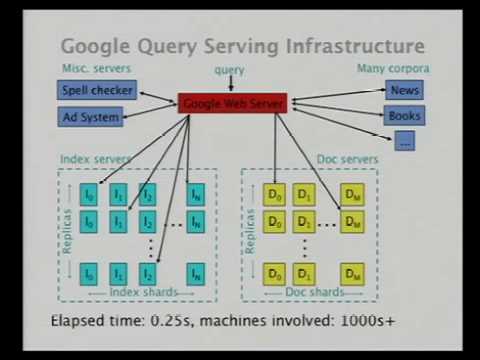
Jeff Dean (Google Senior Fellow) - Google I/O 2008 - Underneath the Covers at Google (Jun 2008)
Google utilizes cost-effective commodity hardware and innovative software solutions like MapReduce and Bigtable for large-scale data processing and storage, prioritizing collaboration and continuous learning among its engineering team.
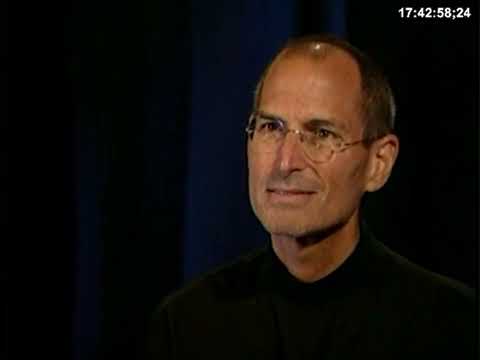
Steve Jobs (Apple Co-founder) - Interview about the iPhone 3G (Jun 9, 2008)
In a recent interview, Apple co-founder Steve Jobs discussed the iPhone's evolution to meet both consumer and enterprise demands, highlighting new features like 3G speed, enhanced security, and broad affordability. Jobs emphasized that Apple aims to provide choices for diverse user needs, including a growing adoption in the corporate sector, without specifically targeting competitors like BlackBerry.
Hal Varian (Google Chief Economist) - Economics of Internet Search (May 2008)
Google's revenue is primarily driven by its online advertising model, which leverages scale and network effects to thrive on low conversion rates. The company's success stems from its focus on improving search quality, developing efficient auction systems, and employing real-time experimentation and data-driven marketing strategies.

Alan Kay (VPRI Co-founder) - A powerful idea about teaching ideas | TED (Mar 2008)
Simplicity and complexity are subjective concepts shaped by our cognitive biases and mental models, and architectural thinking can lead to emergent properties and simplicity within complexity.
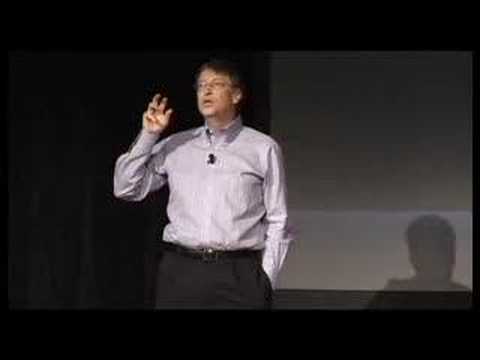
Bill Gates (Microsoft Co-Founder) - Presentation @ CMU (Feb 23, 2008)
In his farewell speech at Carnegie Mellon University, Bill Gates discussed a range of topics including his career transition towards philanthropy, his optimistic outlook on the future of technology, and the need for innovation to address societal challenges. The event served not only as a pivotal moment in Gates' career but also as a comprehensive overview of his vision and legacy in technology, business, and philanthropy.

Steven Chu (Stanford Professor) - What Can Physics Say About Life? (Jan 2008)
Quantum mechanics, biology, and physics intersect to explore the intricacies of life, from atomic jigglings to biological machines like the ribosome, while single-molecule observations reveal hidden behaviors and insights into molecular mechanisms.

Peter Norvig (Google Director of Research) - The Future of Search (Nov 2007)
Google's Ice Cream Cone Theory categorizes search queries based on available information, ranging from abundant to scarce, requiring different retrieval strategies. Google employs various techniques, including query expansion and machine learning, to improve search accuracy and handle specialized queries.

Alan Kay (VPRI Co-founder) - MobilFest Talk (Nov 2007)
Technology's transformative impact on human thought and education, from books to personal computing, has democratized knowledge and revolutionized learning, yet faces challenges in fully replicating the capabilities of books. Conductive plastics promise to further democratize computing and enhance educational opportunities, particularly for children in developing countries.
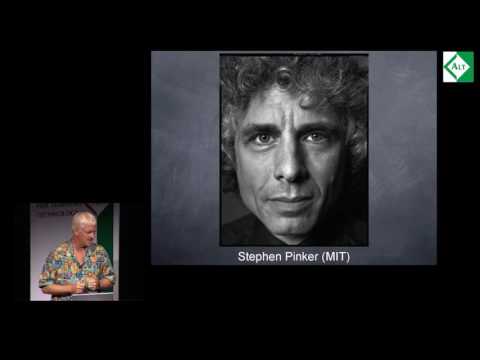
Peter Norvig (Google Director of Research) - Learning in an Open World (Sept 2007)
Technology offers opportunities to improve education by addressing challenges like Bloom's Two-Sigma Problem and revolutionizing conventional teaching methods, but it also brings challenges like information overload and the need for scalable alternatives to one-on-one tutoring.

Steve Jobs (Pixar) - Steve Jobs talks about Pixar (2007)
The text delves into Steve Jobs' role in Pixar's success, exploring key elements such as visionary investments, the significance of computer animation, navigating business pitfalls, and fostering a culture of collaboration and crisis management. It also broadens the discussion by debunking the myth of overnight success and emphasizing the universal interplay between creativity and technology in achieving long-term success.

Nassim Nicholas Taleb (Scholar Investor) - On Black Swans | EconTalk (Apr 2007)
Nassim Taleb's theories explore the influence of extreme events in decision-making and the limitations of linear models in understanding complex systems characterized by randomness and uncertainty. He emphasizes the significance of acknowledging our ignorance and embracing the unknown to navigate complex environments effectively.

Steve Jobs (Apple Co-founder) - iPhone Launch (January 9, 2007)
Steve Jobs introduced the iPhone as a revolutionary product aimed at transforming the mobile phone industry, user interaction with technology, and even telecommunication itself by seamlessly integrating hardware and software. Central features included a game-changing multi-touch interface, desktop-class applications running on OS X, advanced call management functionalities, and full internet browsing, setting the iPhone apart as a disruptive innovation in multiple domains.

Steve Jobs (Apple Inc. Co-founder and CEO) - Steve Jobs introduces the iPod Hi Fi - Apple Special Event (Sept 2006)
The latest announcements from Apple introduce significant upgrades to the Mac Mini, featuring enhanced performance and better connectivity, as well as the new iPod Hi-Fi aimed at revolutionizing the home audio experience. These innovations emphasize Apple's ongoing commitment to technological leadership and market dominance in both computing and digital entertainment.
Li Lu (Himalaya Capital Management Founder) - First public audience in the USA (2006)
Value investing involves thorough analysis, recognizing undervaluation, and maintaining a long-term perspective. Li Lu's approach emphasizes understanding one's strengths, valuing businesses based on fundamentals, and seeking exceptional insights.
Warren Buffett (Berkshire Hathaway Chairman/CEO) - Charlie Rose Interview pt 1 (Jul 2006)
Warren Buffett's investment philosophy emphasizes value investing and patient capital allocation, influenced by Ben Graham's teachings and focusing on undervalued stocks of businesses with strong fundamentals. His lifestyle contrasts his immense wealth, prioritizing personal enjoyment and continuous learning.
Steve Jobs (Apple Co-founder) - Steve Jobs introduces iPod nano & Motorola ROKR - Apple Special Music Event (October 12, 2005)
In a strategic move to dominate the digital music and mobile technology space, Apple announces significant updates to its iTunes platform, introduces groundbreaking products like the iPod Nano and the Motorola Rocker phone with built-in iTunes, and expands its footprint through podcasting and exclusive content partnerships. These initiatives not only fortify Apple's market leadership but also underscore its vision for a seamless integration of technology, entertainment, and communications.

Bill Gates (Gates Foundation) - National Education Summit on High Schools (Sep 2005)
Bill Gates argues for urgent reform of America's high schools, emphasizing the need for a new educational model focused on equity, global competitiveness, and college readiness. He outlines a blueprint for systemic change that includes high standards, data tracking, and intervention strategies, backed by significant investment from the Gates Foundation.
Steve Jobs (Apple Co-founder) - CNBC Interview (2005)
The text provides an overview of Steve Jobs' strategic decisions, focusing on Apple's transition from IBM to Intel processors as a long-term move aligned with Apple's future vision. It also touches upon Jobs' secretive nature, the significance of the developer community in Apple's strategy, and the company's budding relationship with Disney through Pixar.
Elon Musk (Tesla/SpaceX CEO/Co-founder) - International Space Development Conference (May 2005)
The Space Journalism Prize recognizes outstanding journalism that promotes human spacefaring, while SpaceX aims to revolutionize space travel by drastically reducing costs and making it more accessible.
Steve Jobs (Apple Co-founder) - Macworld 2005 (Jan 11, 2005)
The article discusses the evolution of Apple's Mac OS X, highlighting the success of Panther and previewing upcoming features in Tiger. Spotlight technology in Tiger promises real-time, deep searches across file types, while other features like Dashboard and high-definition video focus aim to enhance user experience; meanwhile, Apple continues to broaden its market reach through affordability initiatives like Mac Mini and dominates the music market via iTunes.
Vinod Khosla (Khosla Ventures Founder) - Keynote, Pan IIT Conference (Jul 2004)
Vinod Khosla emphasizes the importance of following one's own compass and views technology as a key to addressing global challenges and improving societal well-being. He believes innovation is essential for economic growth and that entrepreneurs have the potential to generate significant social good and financial benefits.
Elon Musk (SpaceX, Paypal,) - Stanford Entrepreneurial Thought Leaders Lecture (Oct 2003)
The article chronicles Elon Musk's entrepreneurial journey, highlighting his ventures from Zip2 and PayPal to SpaceX, and emphasizing themes of innovation, risk-taking, and a product-centric approach. Despite facing regulatory and financial challenges, Musk's dedication and focus on disruptive technologies have had a profound impact on industries like digital commerce and space exploration.
Steve Jobs (Pixar) - interview (2003)
In the transcript, Steve Jobs discusses his journey through the realms of digital film editing, the creation of Pixar, and his leadership ethos inspired by the Beatles. He emphasizes the importance of teamwork, the unpredictable nature of life and careers, and his unwavering vision to impact the world through innovative technology.

Steve Jobs (Apple Co-Founder) - Apple Expo Paris (2003)
Apple's Steve Jobs announced significant upgrades to the PowerBook notebook lineup, introducing a new 15-inch model and improving existing 17-inch and 12-inch models, while also launching Bluetooth-enabled wireless peripherals. These innovations aim to strengthen Apple's dominant market share in portable computing by offering a comprehensive product portfolio with a focus on slim design, powerful performance, and enhanced features.
Steve Jobs (Apple Co-founder) - Steve Jobs introduces iTunes for Windows (2003)
Steve Jobs introduced third-generation iPods with upgraded features like voice recording and photo storage, alongside significant updates to the iTunes platform, which included diversification through audiobooks and user engagement features. The new offerings further solidified Apple's market dominance, with iPod holding 31% unit market share and iTunes owning a 70% share in legal music downloads.

Alan Kay (HP Sr. Fellow) - Marshall McLuhan Lecture (Mar 2003)
Marshall McLuhan's and Alan Kay's transformative ideas on communication, computing, and education continue to inspire and challenge our understanding of the world. Their legacies encompass the evolution of media, user-friendly interfaces, and innovative educational approaches that emphasize play, creativity, and interaction.
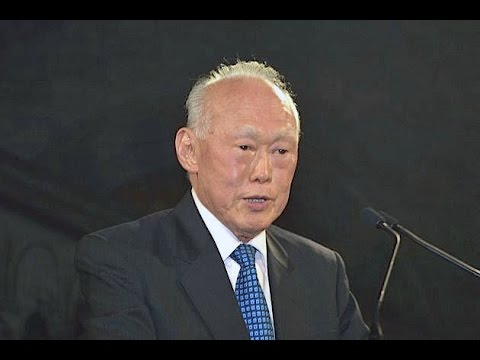
Lee Kuan Yew (Singapore Founding Prime Minister) - Imperial College London Speech (Oct 2002)
Lee Kuan Yew, Singapore's founding father, offers a detailed account of his experiences and observations of Britain's societal transformations over 55 years, from a post-war resilient nation to a complex society grappling with identity, welfare systems, and technological change. His narrative serves both as a memoir and as a panoramic overview of the challenges and opportunities that rapid societal and technological changes can bring, urging thoughtfulness in managing these shifts.

Paul Volcker (USA Former Chairman of the Federal Reserve) - Financial Disclosures (2002)
Accounting and auditing reforms are necessary to address the systemic failure in accounting and auditing standards, restore trust in financial reporting, and ensure the integrity of capital markets. Strong corporate governance, international accounting standards, and a principle-based auditing approach are key elements of these reforms.
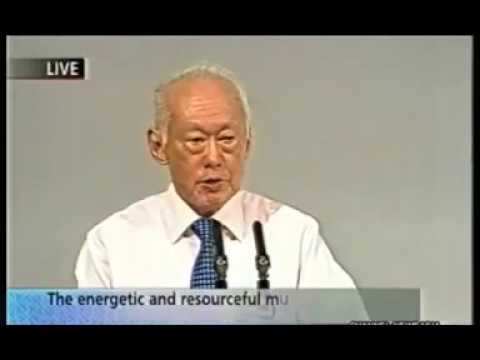
Lee Kuan Yew (Singapore Founding Prime Minister) - on Entrepreneurship in Singapore (Feb 2002)
Mr. Lee Kuan Yew's examination of entrepreneurship covers a wide array of factors, from innate qualities and cultural influences to the role of government, using Singapore and its entrepreneurial landscape as a case study. He argues that successful entrepreneurship is a blend of nature and nurture, shaped by cultural attitudes and governmental policies, and emphasizes the need for continuous adaptation to global economic realities.

Steve Jobs (Apple Co-founder) - Steve Jobs introduces the first Apple Store Retail (2001)
Steve Jobs has unveiled a revolutionary layout for Apple stores that shifts the focus from merely showcasing products to offering thematic "solutions" and interactive experiences, including a specialized "Genius Bar" for tech support. The new design emphasizes connectivity, product variety, and customer engagement, aiming to transform retail into a comprehensive relationship between Apple and its consumers.

Steve Jobs (Apple Co-founder) - Steve Jobs introduces the iPod - (2001)
Apple's introduction of the iPod signifies a strategic pivot into the digital music industry, embodying the company's vision of a digital hub where the Mac serves as the central point for various digital devices and software applications. The launch showcases Apple's expertise in hardware-software integration and user experience, positioning it as an industry leader while setting the stage for its future in digital ecosystems.

Stephen Hawking (University of Cambridge Professor) - The Universe in a Nutshell (2001)
Stephen Hawking discussed the universe's origin, fate, and the possibility of multiple histories, comparing it to a giant casino governed by probabilities. He proposed a unified theory of everything that would explain the universe's beginning and boundary conditions.

Steve Jobs (Apple) - Macworld (Jan 9, 2001)
Apple Inc. unveiled multiple advancements in a recent event, including the beta release of Mac OS X, new developer frameworks, next-generation Power Mac G4s, iTunes, and iDVD, signifying a strategic focus on computing and digital lifestyle. The company also outlined its vision for the future of PCs, aiming to be at the forefront of the anticipated "third golden age" centered on digital lifestyle, supported by an integrated ecosystem and robust user engagement.

Ratan Tata (Tata Group Chairman) - Ratan Tata (Jun 2000)
Ratan Tata's influential upbringing and education shaped his values, leading to a transformative career at Tata Group, where he emphasized integrity and stakeholder capitalism.

Jeff Bezos (Amazon Founder) - Charlie Rose Interview (June 2000)
Jeff Bezos attributes Amazon's success to its customer-centric approach, strategic pricing, and efficient business model, projecting significant financial milestones for the company. He envisions a dynamic future for e-commerce, emphasizing the role of technology, and encourages a broad view of market opportunities and competition.

Steve Jobs (Apple Co-founder) - Macworld 2000 (January 5, 2000)
Steve Jobs' strategic vision for Apple encompassed a transition from a hardware-focused company to an integrated digital powerhouse, featuring robust internet-based services, record-breaking sales, and innovative software and products. The vision aimed to create a seamless ecosystem where hardware, software, and internet services function in harmony, repositioning Apple as a dominant force in the tech marketplace.

Kenneth Chenault (American Express President) - Remarks at The Economic Club of Chicago (Dec 1999)
Brands must adapt to the challenges and leverage opportunities of e-commerce to maintain dominance in a digital marketplace. Established brands have advantages like price premiums and enhanced trade leverage in the online world.
Bill Gates (Microsoft Co-Founder) - London Business School (1999)
Bill Gates outlines a comprehensive roadmap for business success in the digital age, emphasizing the transformative power of the internet, the critical role of leadership, and the importance of organizational agility and customer-centricity. He also discusses metrics for assessing digital readiness, the uneven global adoption of the internet, and future trends such as the evolution of microprocessors and digital interfaces.

George Soros (Soros Fund Management Founder) - Discussion on capitalism and the economic crisis (1998)
George Soros highlights the inherent instability of capitalism and the need for a balance between market and societal values to ensure open societies' stability. He advocates for a reformed global financial framework and a new Bretton Woods agreement to address the challenges of free capital flows and debt crises.

Bill Gates (Microsoft Co-founder) - Buffett & Gates on Success (1998)
Warren Buffett emphasizes job satisfaction and rational choices, while Bill Gates focuses on technology's transformative potential and the significance of education and global expansion.

Steve Jobs (Apple Co-founder) - Steve Jobs introduces the iMac (1998)
Under Steve Jobs's leadership, Apple Inc. successfully emerged from a period of uncertainty to become a stable and profitable tech giant with key accomplishments including reduced attrition rates, strategic focus on customer needs, and a strengthened product line. The company also demonstrated financial growth, technological advancements, and improved market presence through partnerships and increased online engagement.

George Soros (Soros Fund Management Founder) - Charlie Rose Interview 1998 (1998)
George Soros emphasizes the importance of an open society that balances market and intrinsic values, while warning of the dangers of market fundamentalism and advocating for reforms in the global economic system. Soros's insights stress the need for a more equitable and stable economic order that prioritizes human values alongside market values.

Warren Buffett, Bill Gates (Berkshire Hathaway, Microsoft Corporation Chairman and CEO, Co-founder and Chairman) - Gates & Buffett at University Of Washington (1998)
Warren Buffett emphasizes enjoying one's work, selecting well-known companies, and advocating for predictable businesses, while Bill Gates stresses continuous innovation, adapting to local conditions, and embracing technological progress.
Steve Jobs (Apple Co-founder) - TV Interview (Oct 1997)
In a comprehensive overview, the late Steve Jobs detailed a multifaceted strategy for Apple's future, focusing on financial caution, streamlining business initiatives, and maintaining a stable workforce. His approach encompasses internal organizational changes and robust external partnerships, all underpinned by a philosophy that prioritizes strategy, people, and culture to ultimately drive financial success.

Bill Gates (Microsoft Co-founder ) - Interview with Chris Long (1997)
The text provides a comprehensive overview of Bill Gates' journey from a computer programming enthusiast to a transformative figure in technology and philanthropy. It highlights key moments in his career, such as his partnership with Paul Allen, the development and success of Microsoft, and his ongoing contributions to philanthropy and future technologies.
Bill Gates (Microsoft Co-founder) - Bill Gates, Mike Dertouzos - World Economic Forum 1997 (1997)
Bill Gates envisions a future where digital technology enhances productivity, fosters global connectivity, and transforms education and employment, but also acknowledges challenges like widening socioeconomic disparities. He believes capitalism will bridge the digital divide and that digital technology will enhance government efficiency and transparency while empowering individuals.
Rodney Brooks (iRobot Co-Founder) - MIT AI Lab Lecture: Artificial Humanity (1997)
Brooks questions whether robots can ever reach a human-like level that allows us to recognize and empathize with them.
Steve Jobs (Apple Co-founder) - Macworld Expo (Jan 7, 1997)
Steve Jobs and Gil Amelia presented a comprehensive vision for the future of Apple's Mac Operating System, emphasizing a transformative architectural shift to integrate both legacy and modern features. The new OS aims to deliver enhanced performance, networking capabilities, and developer tools, targeting a balance of stability and innovation.
Lee Kuan Yew (Singapore Founding Prime Minister) - Rajiv Mehrotra Interview (~1996)
Lee Kuan Yew advocates for economic integration and reforms as essential for nations to stay competitive in a globalizing world, while also emphasizing the importance of retaining cultural identity and responsible governance. He offers insights into regional dynamics, the hallmarks of statesmanship, and provides practical guidelines for countries to navigate the complexities of global politics and economics.
Bill Gates (Microsoft Co-founder) - Wired Interview (1996)
Bill Gates outlined Microsoft's business strategy focused on four main areas—Windows, server business, Office Suite, and miscellaneous services—emphasizing high-volume software products and integrated Internet strategies. The company is also investing in Quality of Service (QoS) and technical innovations, such as new network protocols and voice recognition, while exploring opportunities in the content and media sector.
Doug Engelbart (Doug Engelbart Institute Founder) - Visionary Leaders of the Information Age | 1995 (1995)
Douglas Engelbart's vision of augmenting human capabilities through technology led to groundbreaking innovations like the mouse and introduced the concept of collective intelligence. Engelbart's holistic approach to integrating technology with human systems emphasizes proactive change and the harnessing of collective intelligence, shaping modern computing and collaboration technologies.

Steve Jobs (NeXT Founder) - Object World Keynote (Aug 14, 1995)
In his keynote address at OpenStepDays, Steve Jobs introduced OpenStep, WebObjects, and D'Ole as part of a unified vision for object-oriented software development aimed at improving scalability, interoperability, and efficiency. The technologies promise to revolutionize enterprise-level application development, dynamic web services, and distributed computing, while also reflecting the company's strong financial performance and commitment to future advancements.
Doug Engelbart (Bootstrap Project Founder) - 25th ARPANET Anniversary Lecture (Sep 1994)
Doug Engelbart's contributions to human-computer interaction include the invention of the mouse and the development of the ARPANET, shaping modern computing and human-computer interaction. He emphasized the need for co-evolution between human and technological systems to maximize the benefits of technology.

Alan Kay (Disney Imagineering Fellow) - Talk for Smalltalkers at ParcPlace (Aug 1994)
Alan Kay's insights into the interplay of creativity, technology, and education challenge conventional thinking, emphasizing the need for transformative technologies and a holistic approach to computing inspired by molecular biology. He proposes a vision for the future where these elements converge, redefining reality and potential.

George Soros (Soros Fund Management Founder) - Charlie Rose Interview (1994)
George Soros, a financier turned philanthropist, dedicated his wealth to promoting open societies and democratic values worldwide, expressing concerns about the missed opportunities in Eastern Europe and Russia's fragile stability.
Bill Gates (Microsoft Co-founder) - Information at your fingertips (1994)
Bill Gates discusses the future as one characterized by rapid technological innovations affecting various sectors including business, healthcare, and law enforcement. He advocates for a visionary approach to harness these advancements, emphasizing the need for ongoing innovation, digital convergence, and personalized systems, while also underscoring the importance of addressing ethical and legal challenges.

Nelson Mandela (African National Congress President) - Interview at Presidential Palace in Pretoria (1994)
Nelson Mandela's transformation from a shy child to a global symbol of freedom and his unwavering commitment to justice and equality despite harsh conditions left an indelible mark on history. Mandela's legacy extends beyond his fight for freedom, inspiring hope and fostering human connection, making him a true beacon of humanity.

George Soros (Soros Fund Management Founder) - Importance of the Internet (June 1994)
George Soros's philanthropic efforts focus on promoting open societies through education and technology, while his financial acumen led to the establishment of a successful investment fund. His vision for an open society emphasizes democracy, minority rights, and the rule of law.

Danny Hillis (Thinking Machines Corporation Co-founder) - UCLA Distinguished Lecturer Series (Nov 1992)
Danny Hillis' Connection Machine revolutionized computing by introducing massive parallelism, challenging conventional wisdom and opening avenues for future advancements. His work demonstrated that many problems thought to be inherently sequential could be solved in parallel, transforming high-volume technology into high-performance solutions.

Bill Gates (Microsoft Co-founder) - PDC Keynote (1992)
In his address at the Windows 32 Developers Conference, Bill Gates outlines Microsoft's history and strategic focus on making Windows a universal platform compatible with diverse hardware and applications. Key areas include the transition to 16-bit architecture with IBM, the evolution of Windows, and future plans that encompass high-performance servers, developer engagement, and sector-specific initiatives like banking.

Alan Kay (Disney Imagineering Fellow) - Remarks at Computerland (Oct 1991)
Innovations in computing, led by pioneers like Alan Kay and Douglas Engelbart, have revolutionized the field and shaped the way we interact with technology. The future of computing will likely be characterized by user-centric interfaces, AI-powered interactions, and a focus on empowering users to construct personalized solutions.

George Box (UNC Chapel Hill Professor) - 2.- Quality and the Art of Discovery by George Box Part II (1990)
Creativity is inherent in everyone and can be unleashed through empowering individuals and overcoming barriers; simple tools like Pareto diagrams and Ishikawa's Seven Tools enhance creativity in problem-solving, leading to quality improvement.
Steve Jobs (NeXT Founder) - on Joseph Juran and Quality (~1990)
In a series of interviews, Steve Jobs explores Dr. Joe Duran's influential theories on quality management, emphasizing Duran's scientific, process-oriented approach as a potential blueprint for revitalizing American competitiveness in manufacturing and beyond. Jobs also highlights Duran's "optimistic humanism," a philosophy that treats every individual as important, as a key element of Duran's lasting impact and suggests that a focus on genuine quality, rather than marketing gimmicks, could be the solution to America's challenges.

Steve Jobs (NeXT founder) - Uncut Interview (1990)
Steve Jobs's vision for technology emphasized adaptive innovation, human-centric design, and the transformative power of computers as tools that amplify human capabilities. He foresaw significant revolutions in computing, including the rise of interpersonal computing, and laid the groundwork for the future integration of technology into a cohesive, global network.

Nelson Mandela (South Africa President) - Nelson Mandela Interview (1990) (1990)
Nelson Mandela aimed to foster investor confidence and international support for South Africa's economic restructuring, while striving for a non-racial, non-sexist democracy through negotiations and land reforms.

Alan Kay (Disney Imagineering Fellow) - A Conversation with Alan Kay 89/06/28 (VPRI 470) (Jun 1989)
Alan Kay's vision of personal computing emphasized accessibility, ease of use, and fun, while his predictions for the future included pervasive networked societies and intimate computing devices.

Alan Kay (Disney Imagineering Fellow) - A Vision of New Age | Los Angeles Broadcast Promotion & Marketing Executives (1988)
Computing is evolving from passive media to dynamic engagement, with predictions of immersive virtual reality systems and advanced 3D graphics engines revolutionizing user interaction and perception.

George Box (UNC Chapel Hill Professor) - Some aspects of statistical design in quality improvement (1987)
Simple scientific methods and quality control techniques have led to profound quality and efficiency improvements in various industries, with Japanese automakers standing out as a prime example of this transformation. The shift from inspection to building quality into the manufacturing process itself has been key to the success of this quality revolution, emphasizing the need for a more proactive approach to quality control.

Alan Kay (VPRI Co-founder) - The Dynabook (Jan 1986)
Alan Kay's vision for personal workstations emphasized powerful tools for creativity and learning, leading to milestones like Smalltalk and the graphical user interface. His Dynabook concept aimed to provide information access anywhere, inspiring the development of modern portable devices.

Warren Buffett (Berkshire Hathaway Chairman/CEO) - You Dont Need Tons Of IQ In This Business | Adam Smiths Money World (1985)
Warren Buffett emphasizes the importance of value over price, patience, discipline, and investing within one's circle of competence. He advocates for long-term value investing, avoiding excessive leverage, and embracing boredom in investment.

Steve Jobs (NeXT founder) - Steve Jobs brainstorms with the NeXT team (1985)
Steve Jobs' vision for Next, Inc. focuses on transforming higher education by offering affordable, high-power computing solutions that can simulate complex academic resources, aiming to democratize access to cutting-edge educational tools. The venture prioritizes agile decision-making, financial sustainability, and timely execution, while leveraging a strong team and strategic branding to meet its ambitious goals.

Sheikh Ahmed Zaki Yamani (Saudi Arabia Former Minister of Petroleum and Mineral Resources) - Landon Lecture Series | 1983 (1983)
Sheikh Yamani emphasized the historical missteps in oil pricing, advocating for a balance that respects supply and demand dynamics. Saudi dissidents protested Saudi government's policies highlighting concerns about oil revenues and state police terrorism.
Steve Jobs (Apple Co-Founder) - TV interview (1981)
In a dialogue about the societal impact of personal computers, Steve Jobs likens computers to an amplifier of human abilities, akin to how boosters increase a spacecraft's power, and labels them as the "bicycle of the 21st century" for their efficiency in enhancing human intelligence and creativity. He also touches on the democratization of technology, with personal computers making technology accessible and individualized.
Steve Jobs (Apple Co-founder) - Vintage Jobs footage on Apple (ca. 1980)
Steve Jobs emphasized Apple's commitment to amplifying human potential through intuitive technology, especially in education. From its grassroots origins to its focus on user experience, the company aims to make computational power more accessible and beneficial, while fostering a work culture that measures success beyond financial metrics.

Wernher von Braun (NASA Director of Marshall Space Flight Center) - On Traveling to Mars (1975)
Wernher von Braun envisioned satellites for global connectivity and learning, and believed Mars' potential for harboring life warranted a manned mission. He also advocated for inclusivity and a lunar research station.

Gerard K. O'Neill (Space Studies Institute Founder) - Roundtable Interview with Isaac Asimov (1975)
Gerard K. O'Neill proposed space colonies as a solution to overpopulation, pollution, and resource depletion, envisioning self-sustaining habitats constructed using lunar materials and powered by solar energy. Isaac Asimov highlighted the challenges of cosmic radiation protection and obtaining hydrogen from the moon, emphasizing the need for careful planning and technological advancements.

Alan Kay (Xerox PARC Researcher) - Computer Applications (1972)
The Dynabook, aimed to revolutionize learning, emphasized active learning, creativity, and interdisciplinary understanding, and its influence continues to inspire educational technology research. The Dynabook's potential transformation of education lies in its ability to shift children's mindset, foster creativity, and provide a comprehensive learning environment.

Wernher von Braun (NASA Director of Marshall Space Flight Center) - Dr. Wernher von Braun at The Harvard Law Forum (1970) Part 1 (1970)
Space exploration and Earth sciences have intersected, catalyzing advancements in both fields and leading to the application of space technology in addressing terrestrial issues. The integration of space exploration with Earth sciences has the potential to shape a sustainable and prosperous future for our planet.

Doug Engelbart (Stanford Research Institute Director of the Augmented Human Intelligence Research) - 1969 Engelbart Demo - ASIS Conference (2/3) (Feb 1969)
Doug Engelbart's NLS system introduced innovative features for navigating and manipulating complex information structures, revolutionizing the way we interact with digital data. The NLS system's structure and navigation capabilities, system development tools, and practical applications aimed to enhance user experience and facilitate efficient information management.

Nelson Mandela (African National Congress President) - Speech at Start of Rivonia Trial (1964) (Apr 1964)
Apartheid in South Africa created extreme economic disparities, poverty, and lack of human dignity for the African majority, leading to their struggle for equality and freedom. Mandela's Rivonia Trial speech emphasized the need for democracy, equal rights, and the end of racial domination.

Warren Buffett (Berkshire Hathaway Chairman/CEO) - First Interview (1962)
Overvaluation, disparity in earnings, and forced selling contributed to the recent stock market decline. While the market has historically been a mixed predictor of business conditions, Warren Buffett's perspective on forced selling adds insight into the current situation.

Wernher von Braun (NASA Director of Marshall Space Flight Center) - Man Will Conquer Space (Part 3) (1952)
Space exploration and lunar voyages push the boundaries of human knowledge and technological capabilities, inspiring new discoveries and advancements that benefit life on Earth. The construction of space stations and lunar outposts enables scientific research and exploration beyond Earth's atmosphere.